Across Asia on a Bicycle: The Journey of Two American Students from Constantinople to Peking
By Thomas Gaskell Allen, Jr. and William Lewis Sachtleben18946 chapters116 images
Contents
- On a morning early in April 1891 the two Washington University graduates trundle their bicycles off the Stamboul steamer at Haider Pasha and begin a seven-thousand-mile inland ride to the Pacific, recalling how Minister Lincoln at the American legation in London reluctantly wrote to the Chinese minister on their behalf. Escorted by baksheesh-hungry mounted zaptiehs, they pass Ismid (ancient Nicomedia), Geiveh and the Angora plateau of the long-fleeced goats, are raced into Kirshehr by local horsemen who take the bicycle for a "devil's carriage," and are seen off by the Vali on the road east toward Kaisarieh and Sivas.
- A digression on Ararat as the traditional landing-place of the ark and on the earlier climbs of Parrot, Antonomoff, Abich, Chodzko and James Bryce, whose ascents the local Armenians refuse to believe. Setting out from Bayazid with an Armenian muleteer, two donkeys, Turkish zaptiehs and Ararat Kurds, the authors bivouac at eleven thousand feet and reach the eastern summit at dawn on the Fourth of July, firing a salute over the great chasm before glissading six thousand feet down the snow slope in under an hour.
- Leaving Bayazid on July 8 amid universal disbelief in their climb, they ride into Persia, where Sachtleben is laid up a month at Tabreez with typhoid and nursed by the American missionary ladies, and where they overtake a disgraced court official being carried to Teheran in a mule-borne palanquin at the Shah's summons. After a run over the new military road to Meshed and Askabad, General Kuropatkine, Governor-General of Transcaspia, entertains them at dinner and grants free passage across the Russian empire; they break their rail journey to see Bokhara and reach Samarkand, terminus of the Transcaspian railway, on November 6.
- On November 16 they leave the blue domes of Samarkand, ford the "Snake" defile, pass the Gate of Tamerlane and the Kizil-Kum steppe, cross the Sir Daria by rope-ferry and winter at Tashkend while waiting on Baron Wrevsky for a Turkestan passport. In spring they ride on through earthquake-shattered Vernoye, rebuilding under the French architect Paul L. Gourdet, accompanied for fifty-five miles by a fascinated Cossack courier, are entertained by the Taranchis and Dungans, and splash across the Khorgos river past a Russian sentry into the Chinese empire at Kuldja.
- At Kuldja the Russian consul and the Chinese Tootai visé their passports for Peking while three Afghan visitors are arrested and a German traveller is refused; the pair drill themselves in spoken Chinese, having neither guide nor interpreter. Riding by Manas, Urumtsi, Gutchen, Barkul and the Hami oasis, they strike the Great Gobi on August 10, and one of them nearly dies of fever and thirst before they stagger into Ngan-si-chou; beyond it they pass through the Kiayu-kuan or "Jade Gate," the extreme western gate of the Great Wall, and are hailed in English by an auburn-queued mandarin on the road to Su-chou.
- From Lan-chou they follow the imperial highway between the bends of the Hoang-ho through opium-sodden Kan-su, cross the Yellow River by flat-boat at Tong-quan, endure mobs and extortion in Shan-si, and on the evening of November 3, 1892 sight the walls of Peking, closing a 3,116-mile Chinese stage by riding through the mud of Legation street. A house-boat down the Pei-ho, enlivened by a lunar eclipse the boatmen blame on the Great Dragon, brings them to Tientsin, where Consul Bowman and his secretary Mr. Tenney arrange an audience at the yamen with Viceroy Li-Hung-Chang, who cross-examines them on Russia's Transcaspian railway, the bicycle, their ages, parents and party politics.
Images in this book 116 pictures from 254 pages
Illustrations 24
 (opens in a new tab)
 ACROSS ASIA ON A BICYCLE 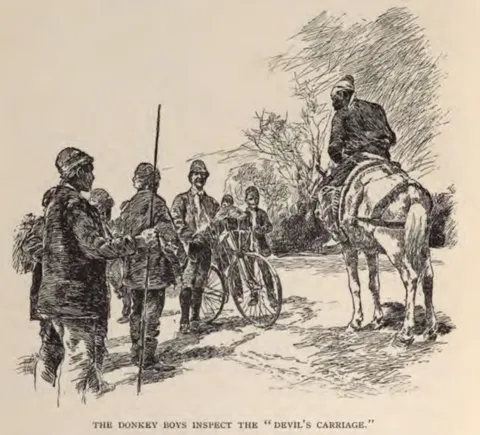 (opens in a new tab)
 THE DONKEY BOYS INSPECT THE \"DEVIL'S CARRIAGE.\" 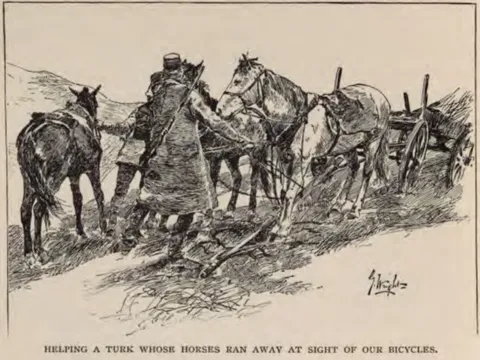 (opens in a new tab)
 HELPING A TURK WHOSE HORSES RAN AWAY AT SIGHT OF OUR BICYCLES. 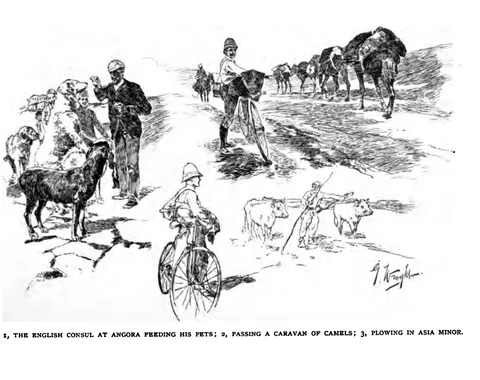 (opens in a new tab)
 1, THE ENGLISH CONSUL AT ANGORA FEEDING HIS PETS; 2, PASSING A CARAVAN OF CAMELS; 3, PLOWING IN ASIA MINOR. 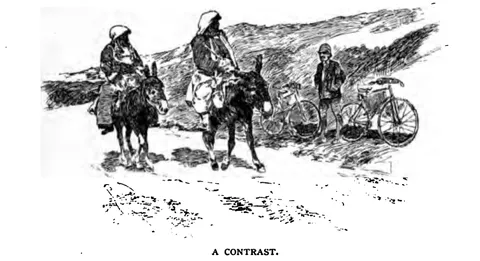 (opens in a new tab)
 A CONTRAST. 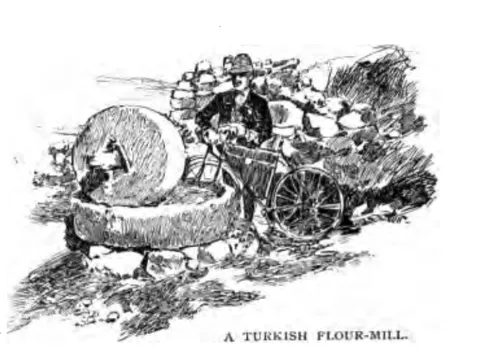 (opens in a new tab)
 A TURKISH FLOUR-MILL. 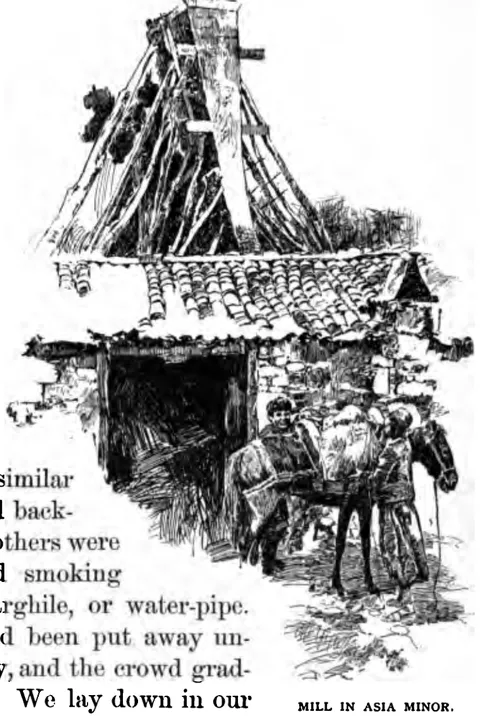 (opens in a new tab)
 MILL IN ASIA MINOR. 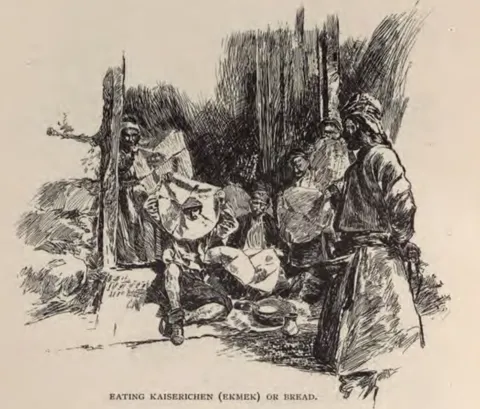 (opens in a new tab)
 EATING KAISERICHEN (EKMEK) OR BREAD. 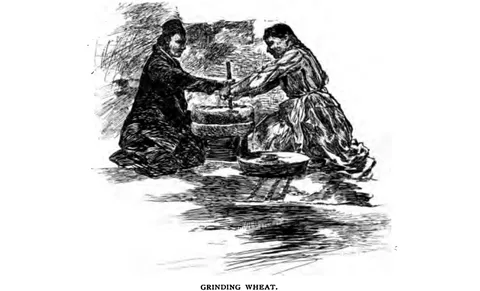 (opens in a new tab)
 GRINDING WHEAT. 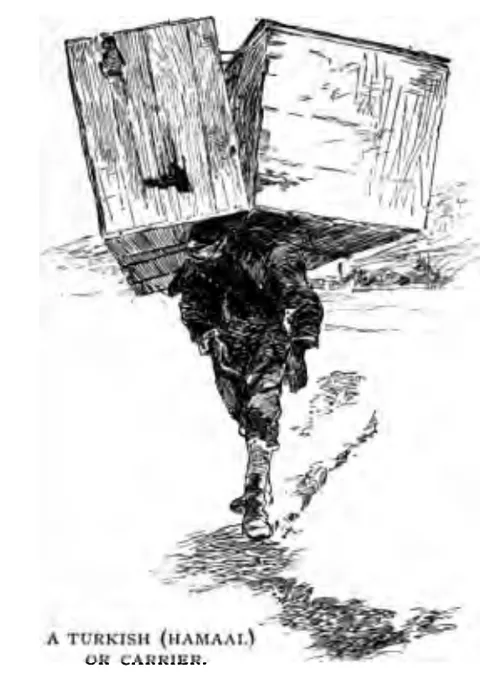 (opens in a new tab)
 A TURKISH (HAMAAL) OR CARRIER. 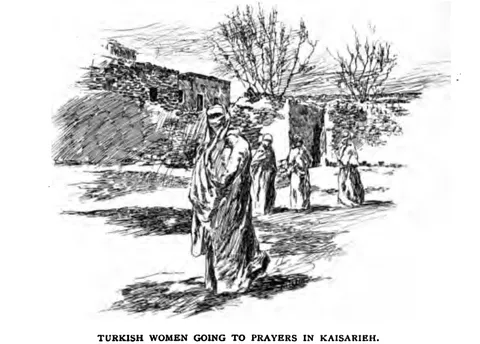 (opens in a new tab)
 TURKISH WOMEN GOING TO PRAYERS IN KAISARIEH. 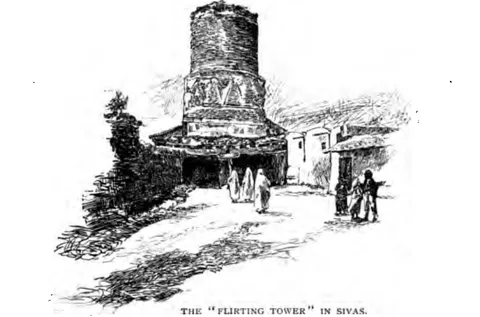 (opens in a new tab)
 THE \"FLIRTING TOWER\" IN SIVAS. 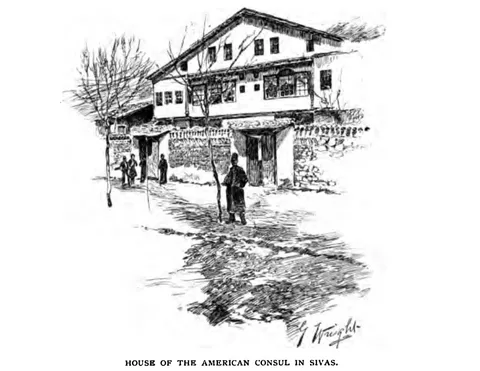 (opens in a new tab)
 HOUSE OF THE AMERICAN CONSUL IN SIVAS. 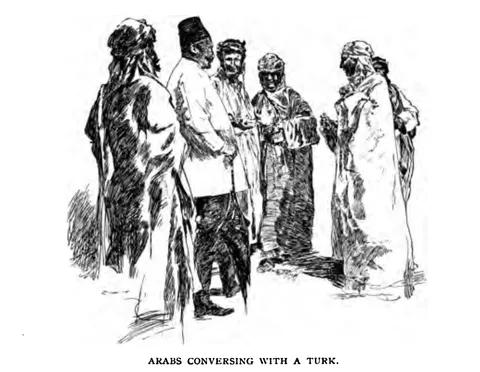 (opens in a new tab)
 ARABS CONVERSING WITH A TURK. 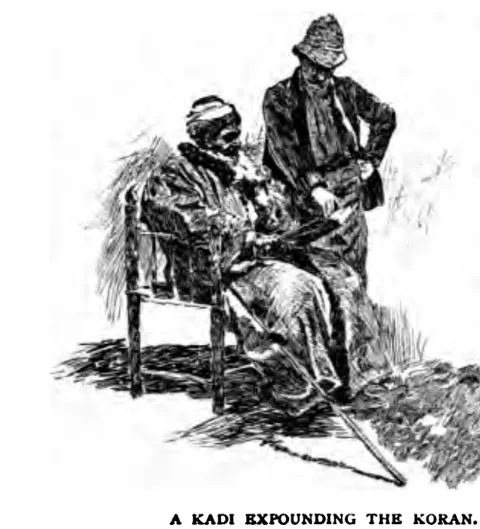 (opens in a new tab)
 A KADI EXPOUNDING THE KORAN. 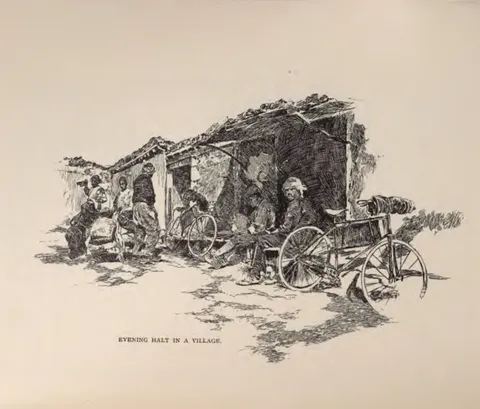 (opens in a new tab)
 EVENING HALT IN A VILLAGE. 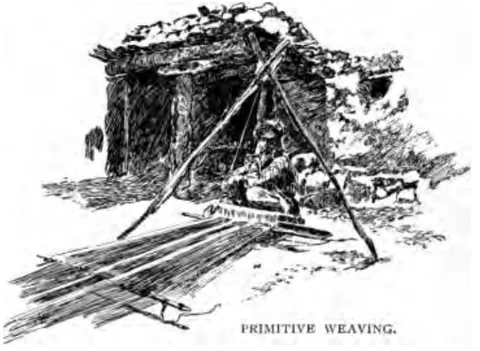 (opens in a new tab)
 PRIMITIVE WEAVING. 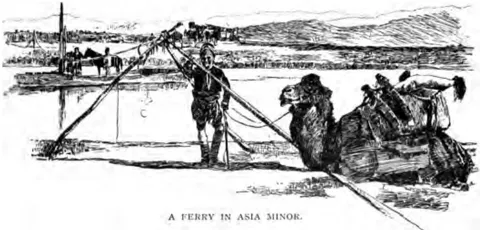 (opens in a new tab)
 A FERRY IN ASIA MINOR. 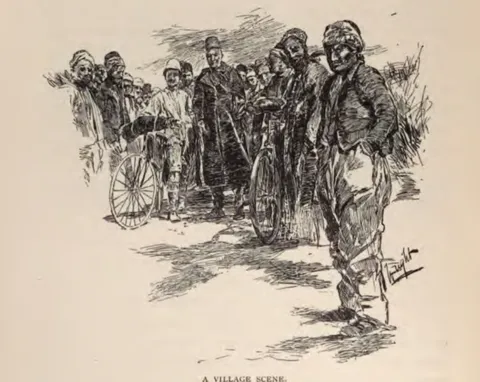 (opens in a new tab)
 A VILLAGE SCENE. 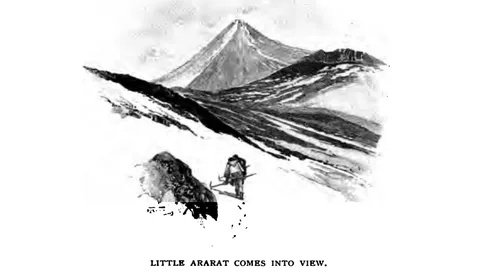 (opens in a new tab)
 LITTLE ARARAT COMES INTO VIEW. 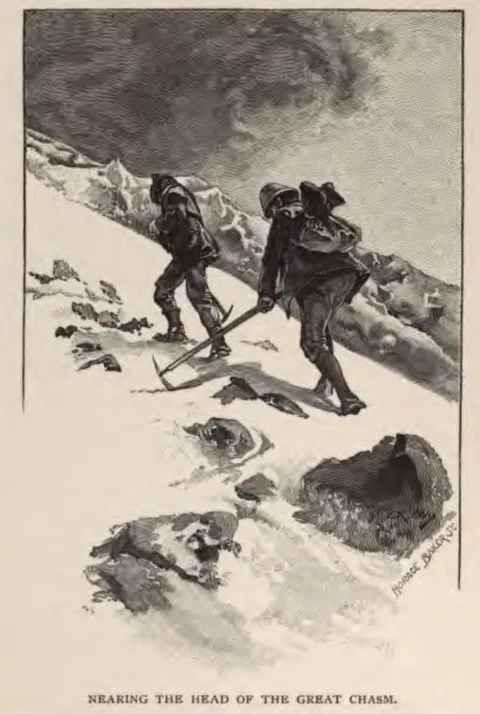 (opens in a new tab)
 NEARING THE HEAD OF THE GREAT CHASM. 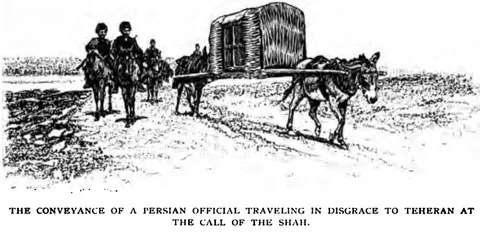 (opens in a new tab)
 THE CONVEYANCE OF A PERSIAN OFFICIAL TRAVELLING IN DISGRACE TO TEHERAN AT THE CALL OF THE SHAH 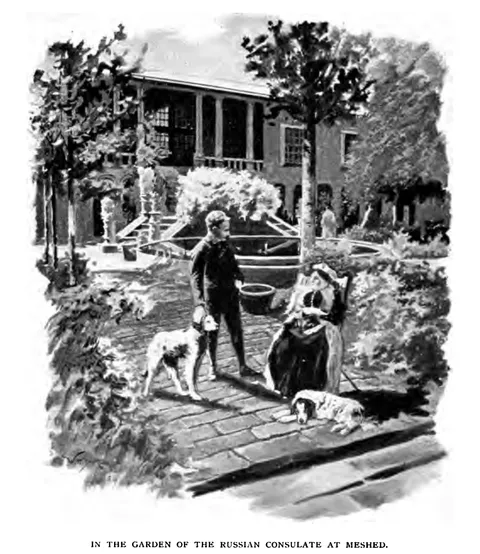 (opens in a new tab)
 IN THE GARDEN OF THE RUSSIAN CONSULATE AT MESHED 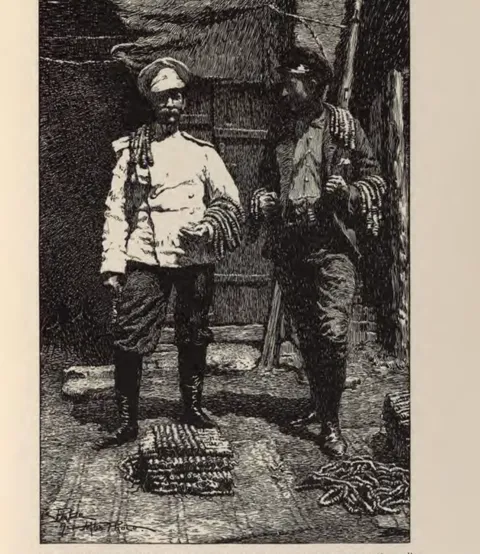 (opens in a new tab)
 OUR RUSSIAN FRIEND AND MR. SACHTLEBEN LOADED WITH ENOUGH CHINESE "CASH" TO PAY FOR A MEAL AT A KULDJA RESTAURANT.
Photographs 89
 (opens in a new tab)
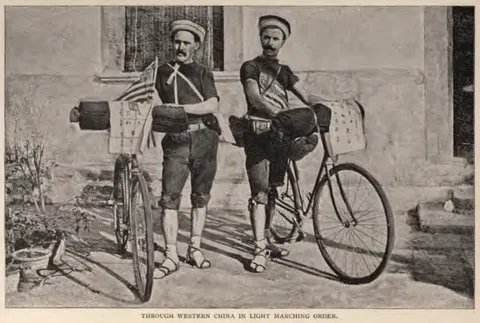
 THROUGH WESTERN CHINA IN LIGHT MARCHING ORDER. 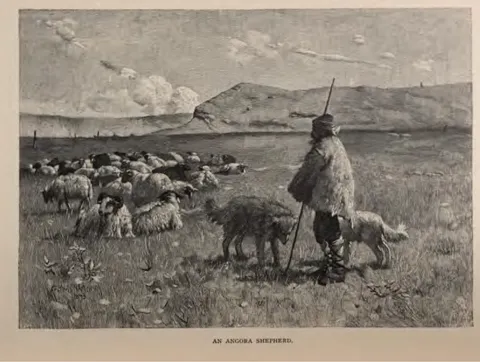 (opens in a new tab)
 AN ANGORA SHEPHERD. 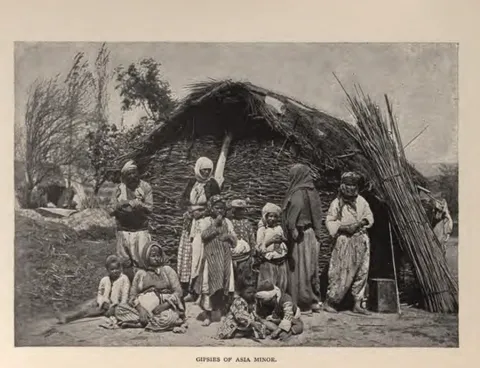 (opens in a new tab)
 GIPSIES OF ASIA MINOR. 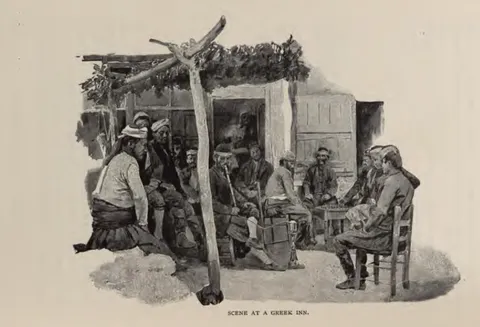 (opens in a new tab)
 SCENE AT A GREEK INN. 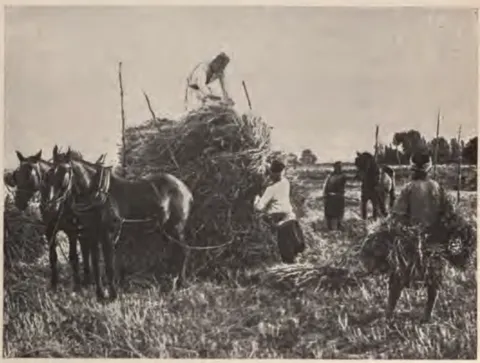 (opens in a new tab)
 Harvest scene with agricultural workers and animals 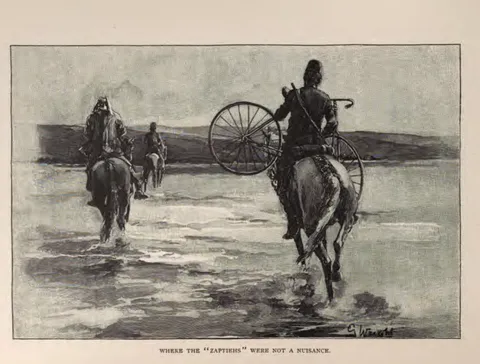 (opens in a new tab)
 WHERE THE "ZAPTIEHS" WERE NOT A NUISANCE. 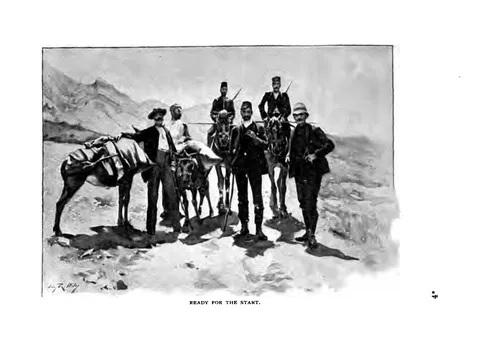 (opens in a new tab)
 READY FOR THE START. 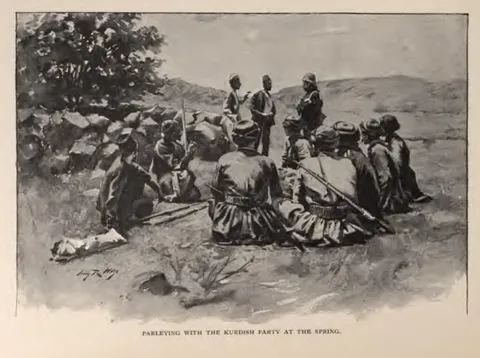 (opens in a new tab)
 Preparation with Kurdish party at springs 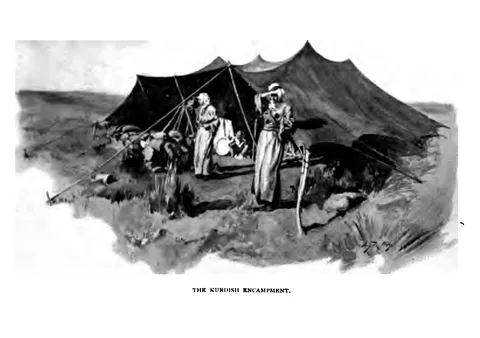 (opens in a new tab)
 THE KURDISH ENCAMPMENT. 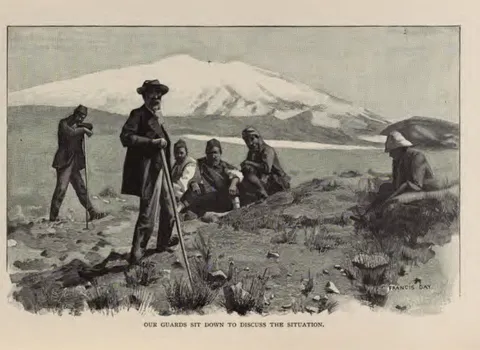 (opens in a new tab)
 OUR GUARDS SIT DOWN TO DISCUSS THE SITUATION. 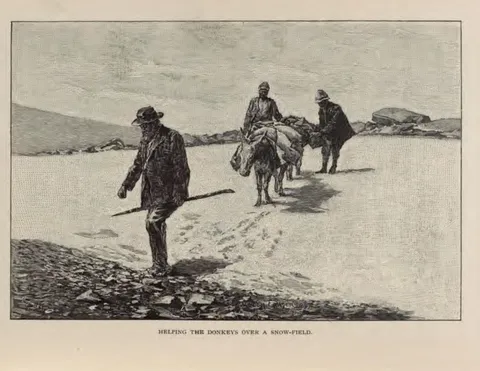 (opens in a new tab)
 HELPING THE DONKEYS OVER A SNOW-FIELD. 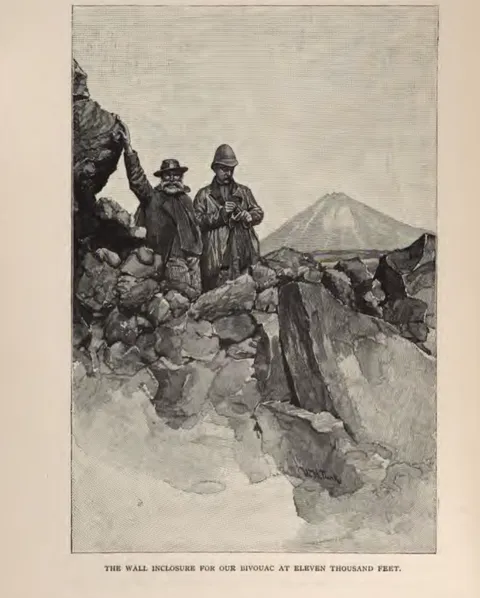 (opens in a new tab)
 THE WALL INCLOSURE FOR OUR BIVOUAC AT ELEVEN THOUSAND FEET. 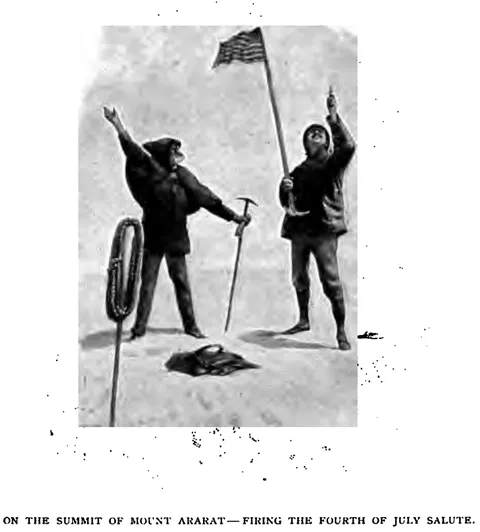 (opens in a new tab)
 ON THE SUMMIT OF MOUNT ARARAT…FIRING THE FOURTH OF JULY SALUTE. 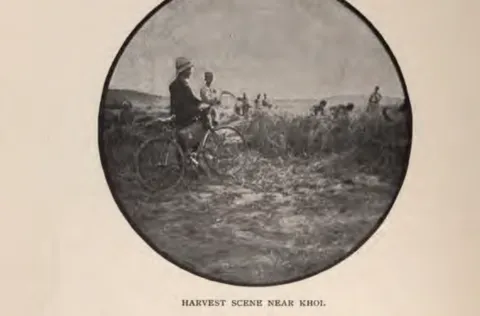 (opens in a new tab)
 HARVEST SCENE NEAR KHOL. 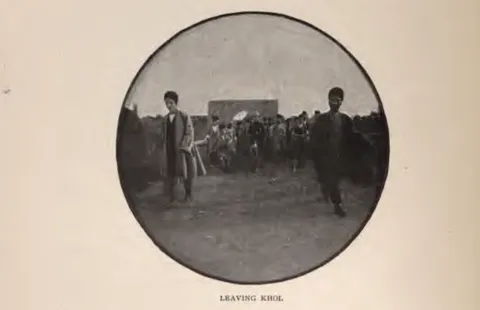 (opens in a new tab)
 LEAVING KHOL 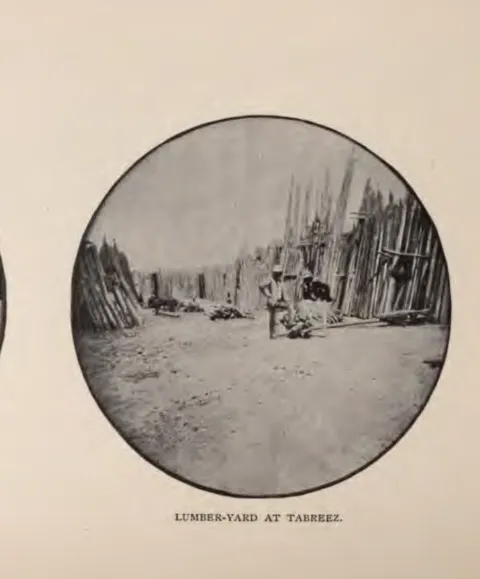 (opens in a new tab)
 LUMBER-YARD AT TABREEZ. 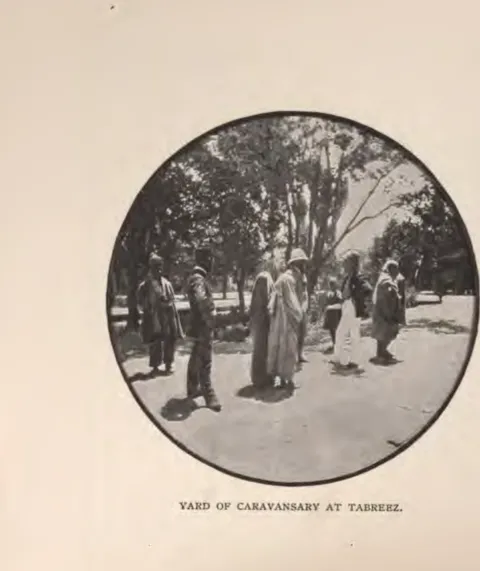 (opens in a new tab)
 YARD OF CARAVANSARY AT TABREEZ. 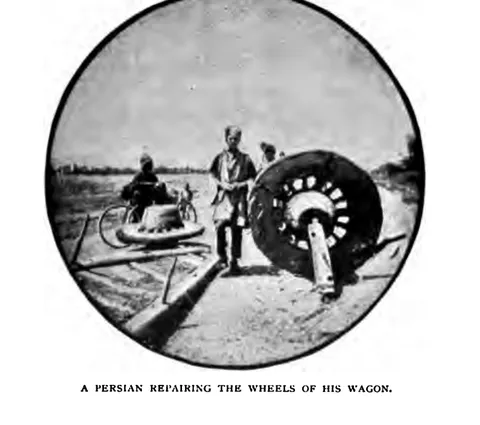 (opens in a new tab)
 A PERSIAN REPAIRING THE WHEELS OF HIS WAGON 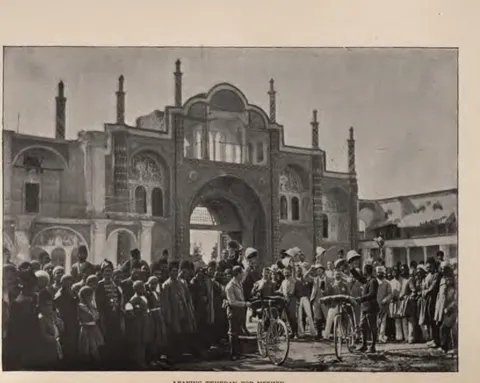 (opens in a new tab)
 LEAVING TEHERAN FOR MESHED 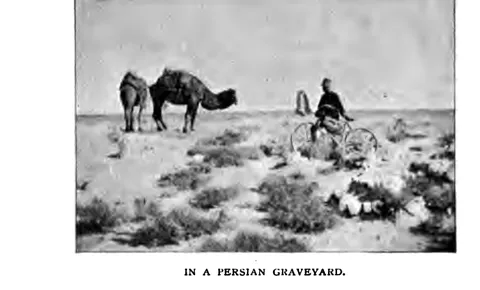 (opens in a new tab)
 IN A PERSIAN GRAVEYARD 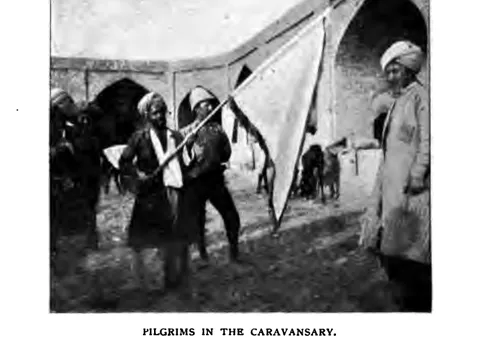 (opens in a new tab)
 PILGRIMS IN THE CARAVANSARY 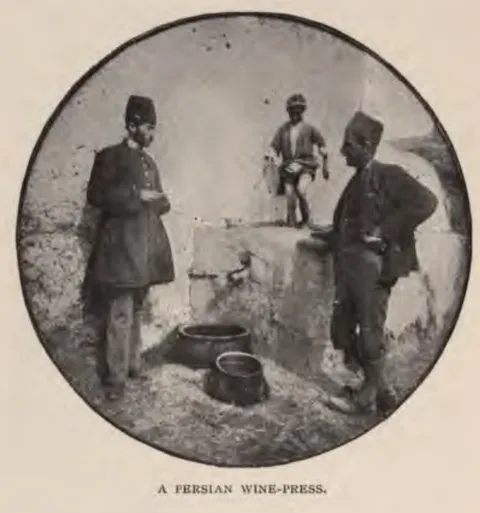 (opens in a new tab)
 A PERSIAN WINE-PRESS 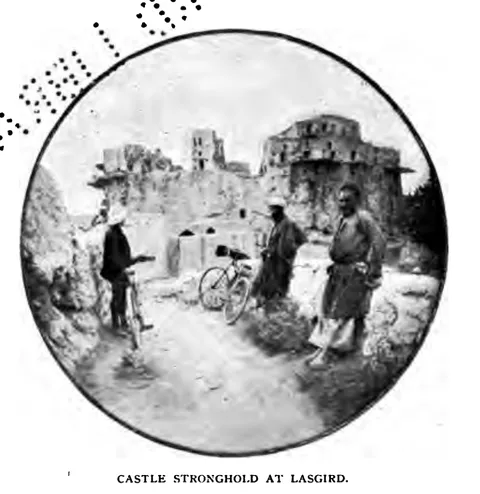 (opens in a new tab)
 CASTLE STRONGHOLD AT LASGIRD 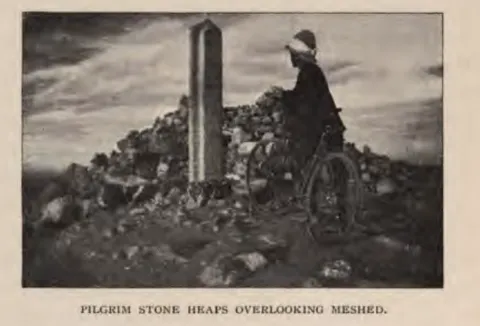 (opens in a new tab)
 PILGRIM STONE HEAPS OVERLOOKING MESHED 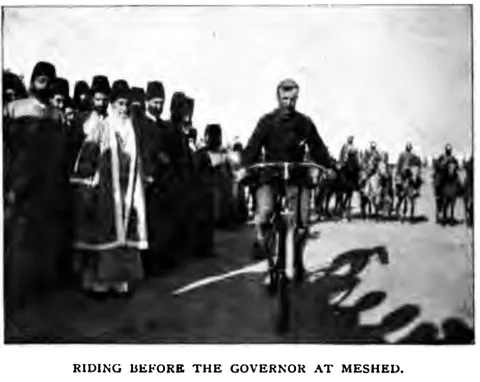 (opens in a new tab)
 RIDING BEFORE THE GOVERNOR AT MESHED 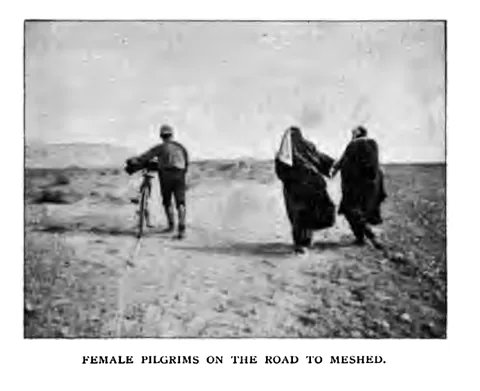 (opens in a new tab)
 FEMALE PILGRIMS ON THE ROAD TO MESHED 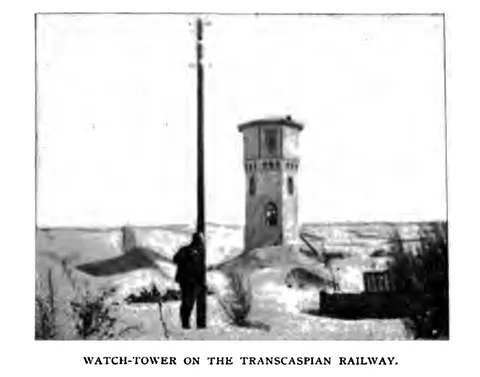 (opens in a new tab)
 WATCH-TOWER ON THE TRANSCASPIAN RAILWAY 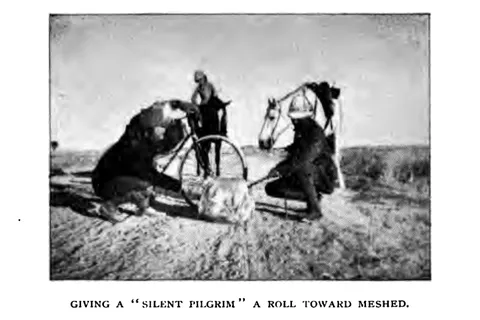 (opens in a new tab)
 GIVING A "SILENT PILGRIM" A ROLL TOWARD MESHED. 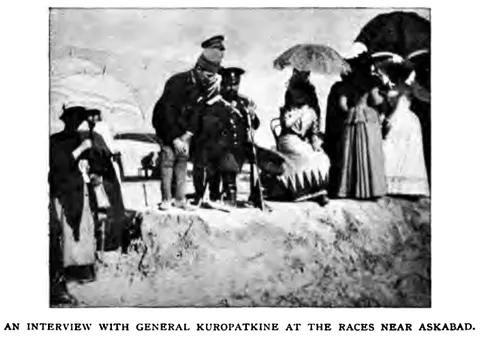 (opens in a new tab)
 AN INTERVIEW WITH GENERAL KUROPATKINE AT THE RACES NEAR ASKABAD 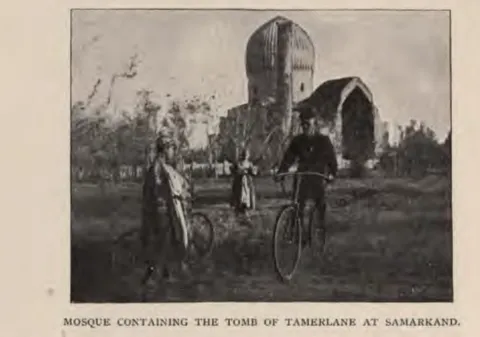 (opens in a new tab)
 MOSQUE CONTAINING THE TOMB OF TAMERLANE AT SAMARKAND 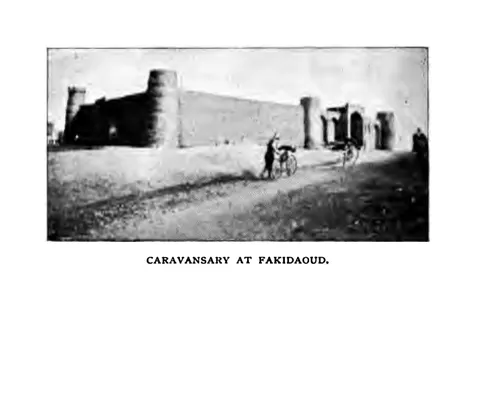 (opens in a new tab)
 CARAVANSARY AT FAKIDAOUD 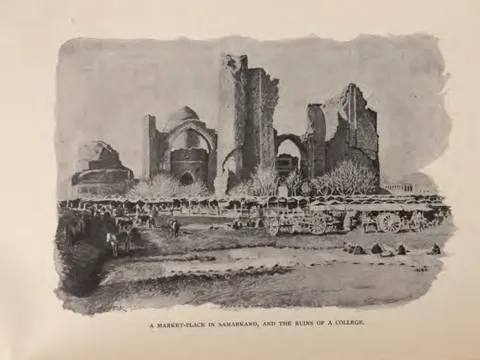 (opens in a new tab)
 A MARKET-PLACE IN SAMARKAND, AND THE RUINS OF A COLLEGE. 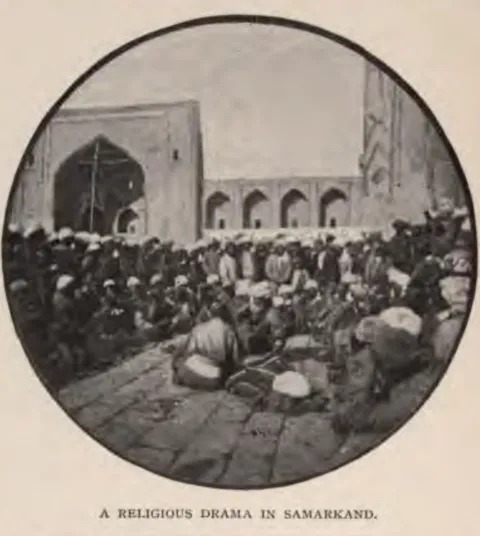 (opens in a new tab)
 A RELIGIOUS DRAMA IN SAMARKAND 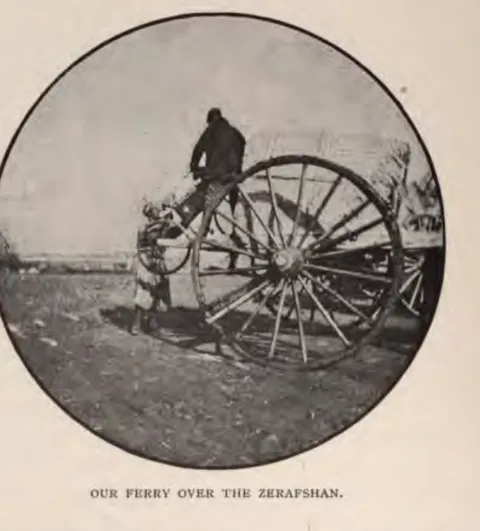 (opens in a new tab)
 OUR FERRY OVER THE ZERAFSHAN 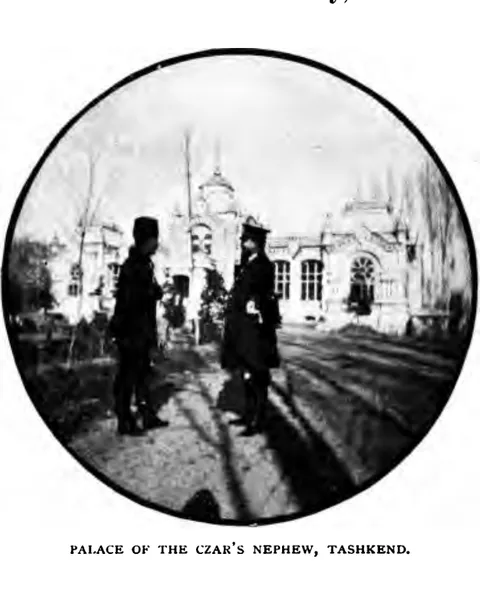 (opens in a new tab)
 PALACE OF THE CZAR'S NEPHEW, TASHKEND 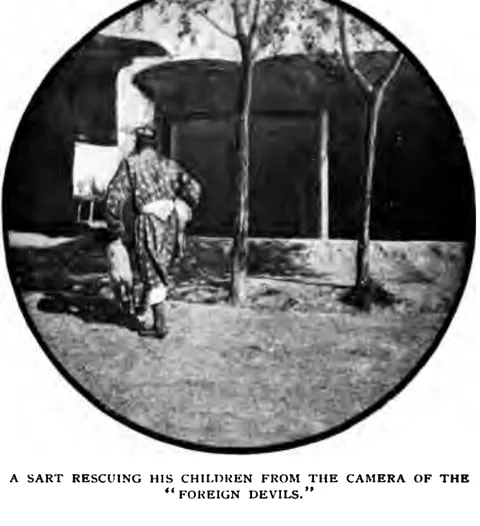 (opens in a new tab)
 A SART RESCUING HIS CHILDREN FROM THE CAMERA OF THE 'FOREIGN DEVILS' 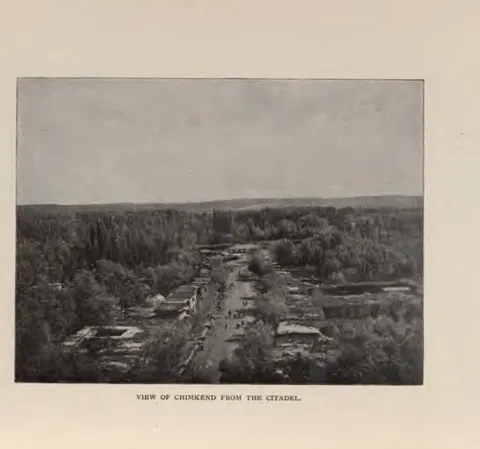 (opens in a new tab)
 VIEW OF CHIMKEND FROM THE CITADEL. 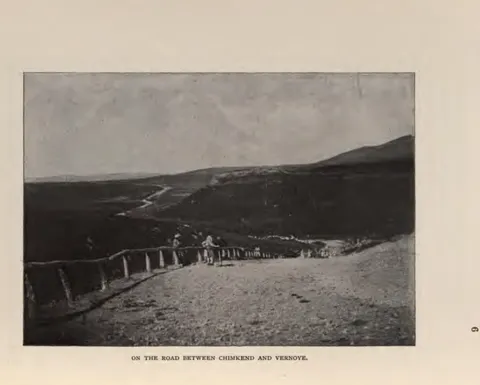 (opens in a new tab)
 ON THE ROAD BETWEEN CHIMKEND AND VERNOVE. 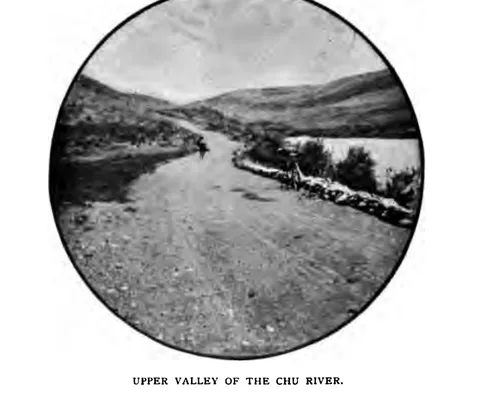 (opens in a new tab)
 UPPER VALLEY OF THE CHU RIVER 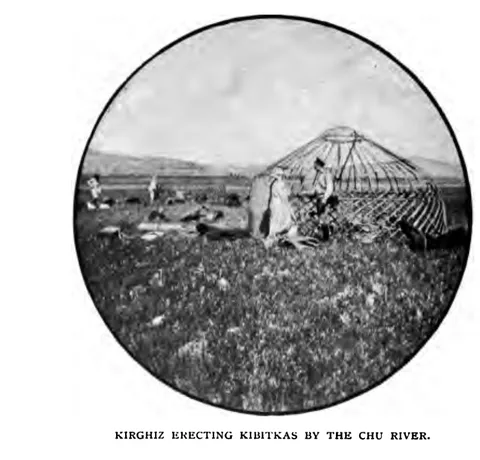 (opens in a new tab)
 KIRGHIZ ERECTING KIBITKAS BY THE CHU RIVER 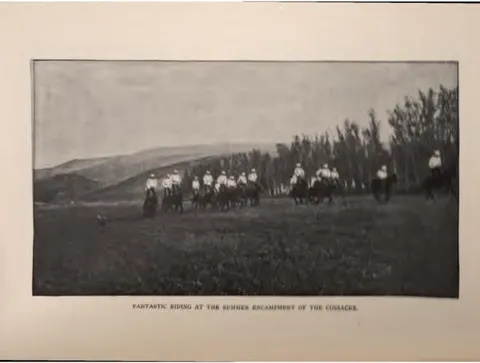 (opens in a new tab)
 FANTASTIC RIDING AT THE SUMMER ENCAMPMENT OF THE COSSACKS. 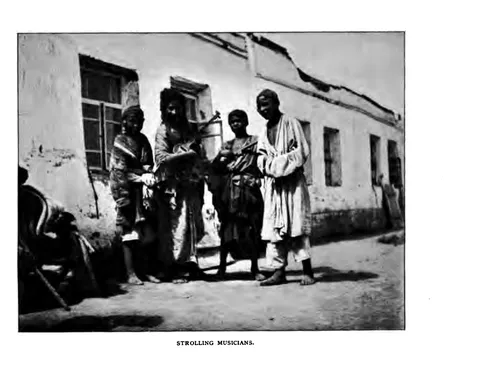 (opens in a new tab)
 STROLLING MUSICIANS. 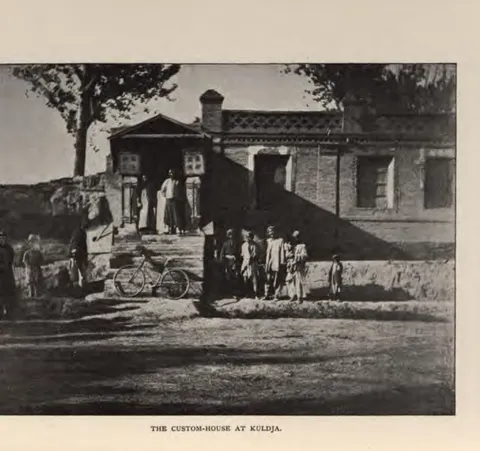 (opens in a new tab)
 THE CUSTOM-HOUSE AT KULDJA. 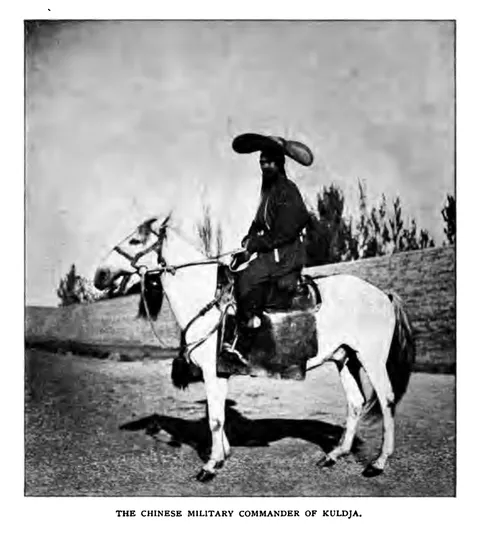 (opens in a new tab)
 THE CHINESE MILITARY COMMANDER OF KULDJA 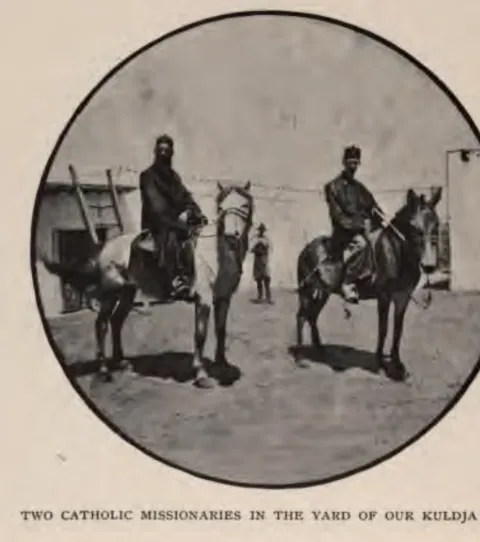 (opens in a new tab)
 TWO CATHOLIC MISSIONARIES IN THE YARD OF OUR KULDJA INN 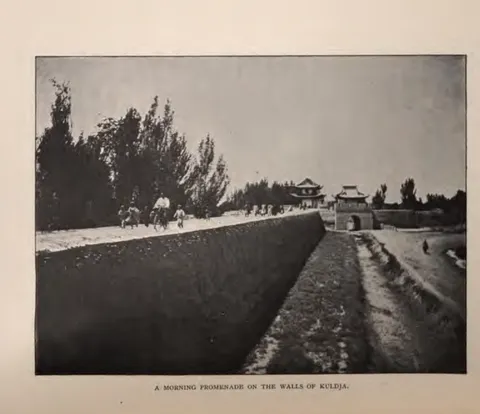 (opens in a new tab)
 A MORNING PROMENADE ON THE WALLS OF KULDJA 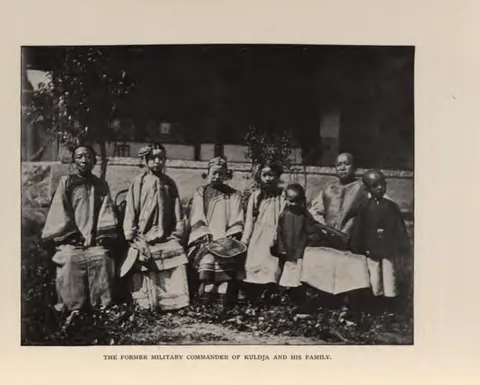 (opens in a new tab)
 THE FORMER MILITARY COMMANDER OF KULDJA AND HIS FAMILY. 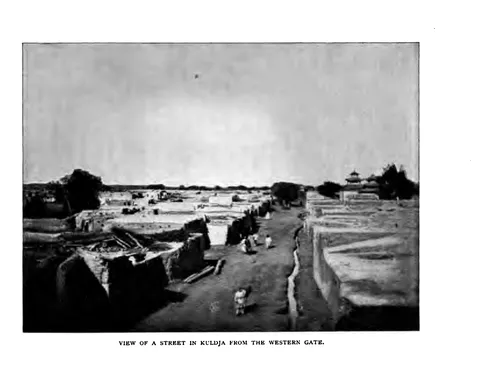 (opens in a new tab)
 VIEW OF A STREET IN KULDJA FROM THE WESTERN GATE. 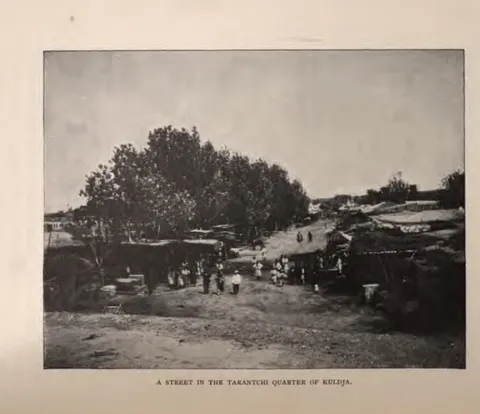 (opens in a new tab)
 A STREET IN THE TARANTCHI QUARTER OF KULDJA. 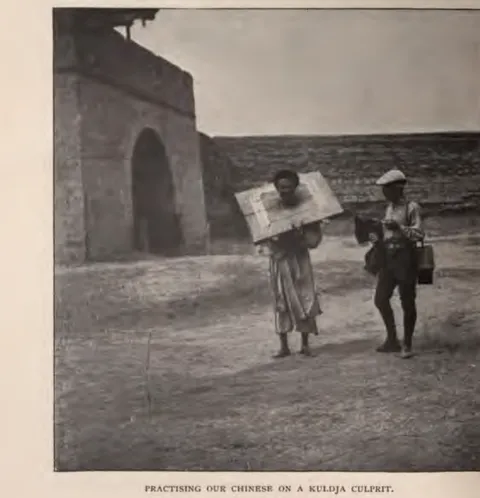 (opens in a new tab)
 PRACTISING OUR CHINESE ON A KULDJA CULPRIT 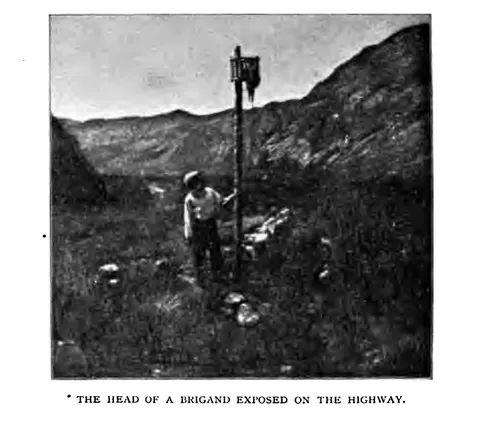 (opens in a new tab)
 * THE HEAD OF A BRIGAND EXPOSED ON THE HIGHWAY 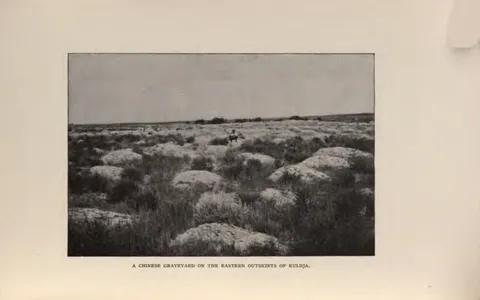 (opens in a new tab)
 A CHINESE GRAVEYARD ON THE EASTERN OUTSKIRTS OF KULDJA. 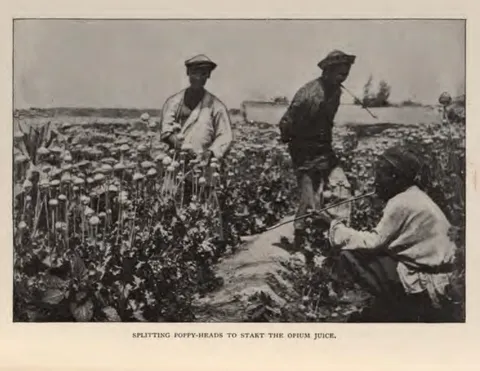 (opens in a new tab)
 SPLITTING POPPY-HEADS TO START THE OPIUM JUICE. 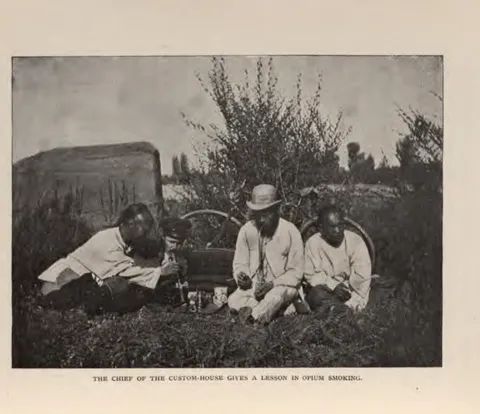 (opens in a new tab)
 THE CHIEF OF THE CUSTOM-HOUSE GIVES A LESSON IN OPIUM SMOKING. 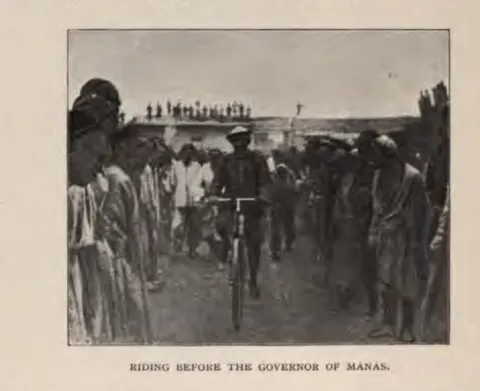 (opens in a new tab)
 RIDING BEFORE THE GOVERNOR OF MANAS 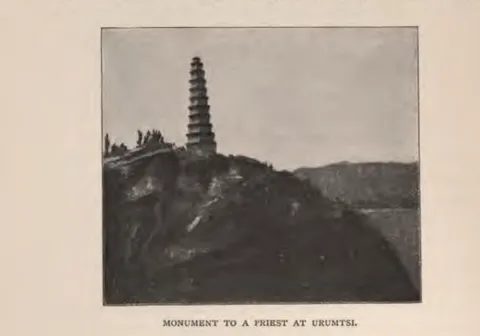 (opens in a new tab)
 MONUMENT TO A PRIEST AT URUMTSI. 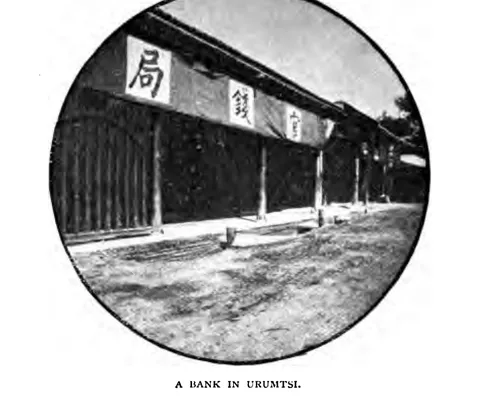 (opens in a new tab)
 A BANK IN URUMTSI 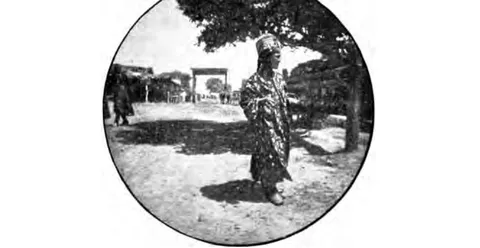 (opens in a new tab)
 A MAID OF WESTERN CHINA 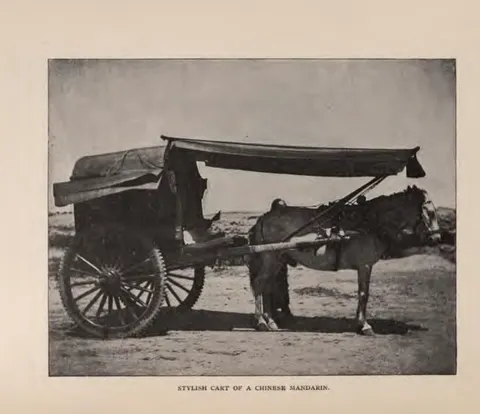 (opens in a new tab)
 STYLISH CART OF A CHINESE MANDARIN. 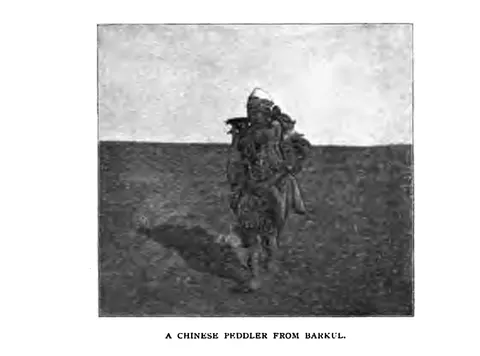 (opens in a new tab)
 A CHINESE PEDDLER FROM BARKUL 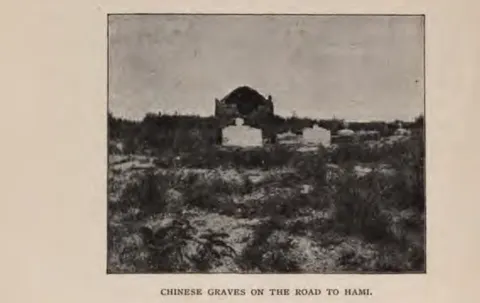 (opens in a new tab)
 CHINESE GRAVES ON THE ROAD TO HAMI 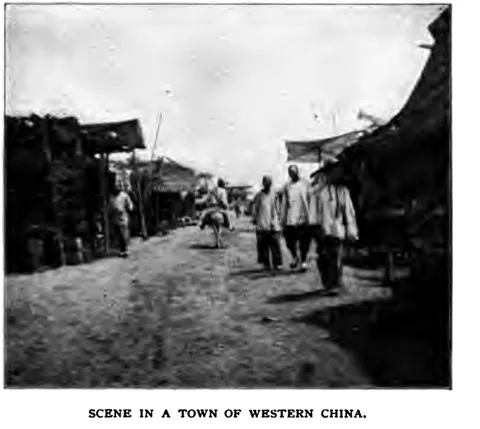 (opens in a new tab)
 SCENE IN A TOWN OF WESTERN CHINA 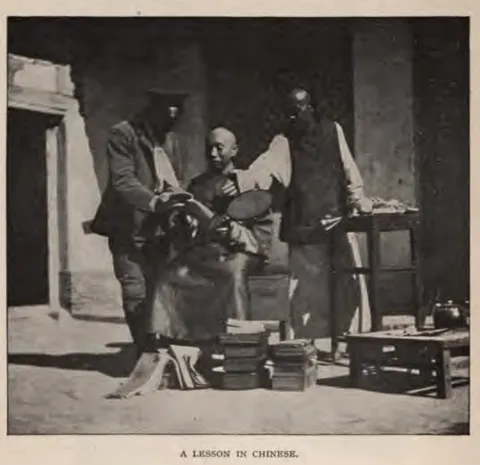 (opens in a new tab)
 A LESSON IN CHINESE 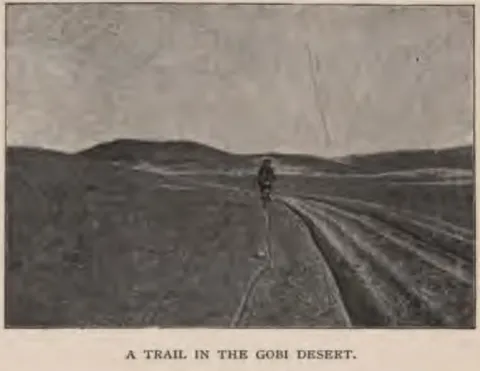 (opens in a new tab)
 A TRAIL IN THE GOBI DESERT 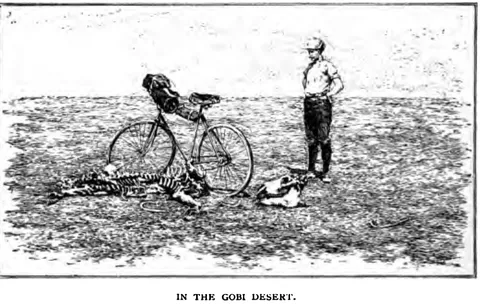 (opens in a new tab)
 IN THE GOBI DESERT 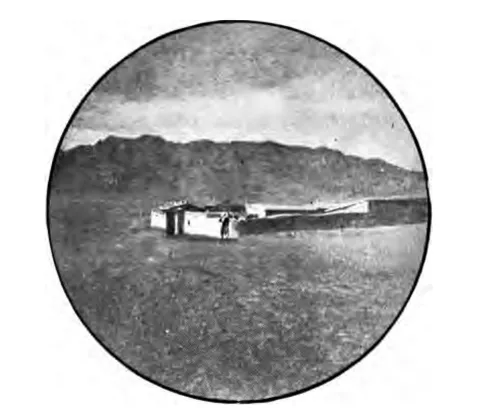 (opens in a new tab)
 STATION OF SER-BOO-TCHAN 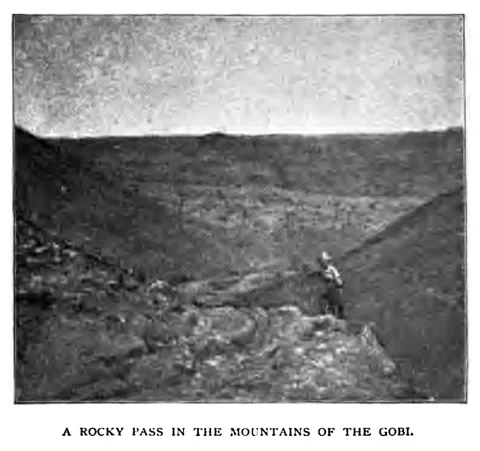 (opens in a new tab)
 A ROCKY PASS IN THE MOUNTAINS OF THE GOBI 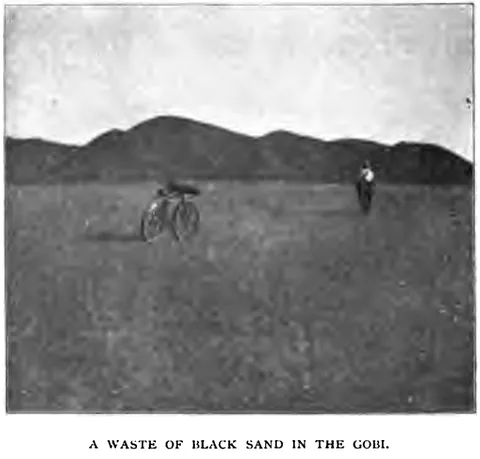 (opens in a new tab)
 A WASTE OF BLACK SAND IN THE GOBI 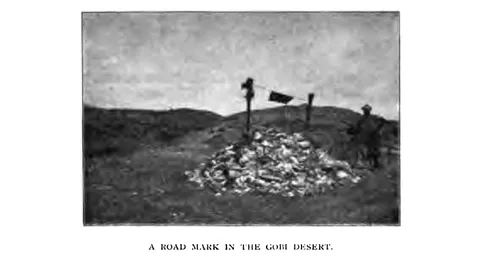 (opens in a new tab)
 A ROAD MARK IN THE GOBI DESERT 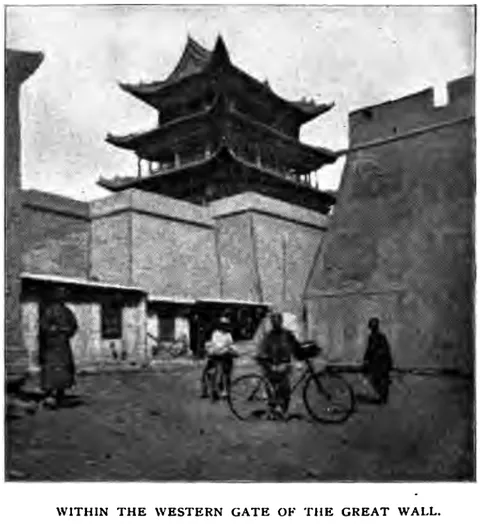 (opens in a new tab)
 WITHIN THE WESTERN GATE OF THE GREAT WALL 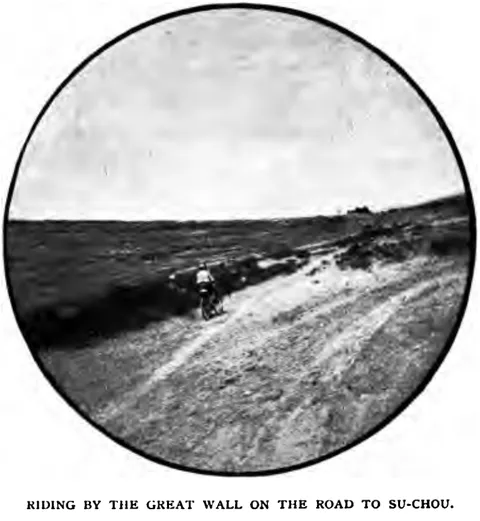 (opens in a new tab)
 RIDING BY THE GREAT WALL ON THE ROAD TO SU-CHOU 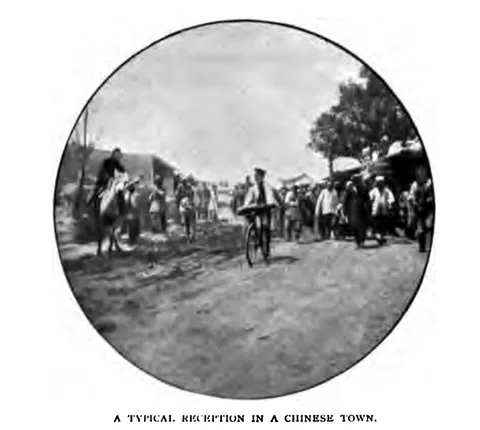 (opens in a new tab)
 A TYPICAL RECEPTION IN A CHINESE TOWN 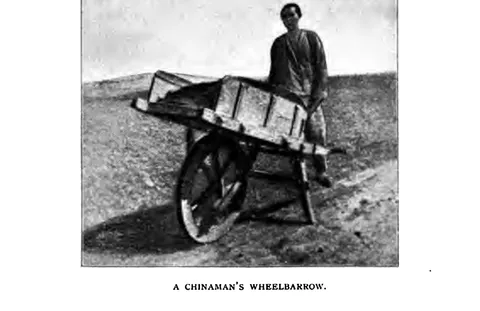 (opens in a new tab)
 A CHINAMAN'S WHEELBARROW 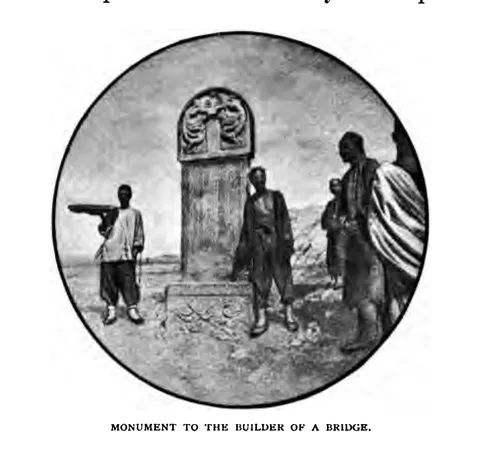 (opens in a new tab)
 MONUMENT TO THE BUILDER OF A BRIDGE 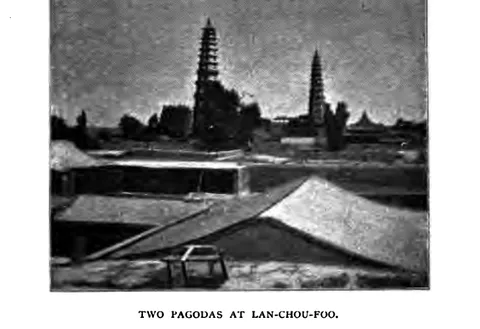 (opens in a new tab)
 TWO PAGODAS AT LAN-CHOU-FOO 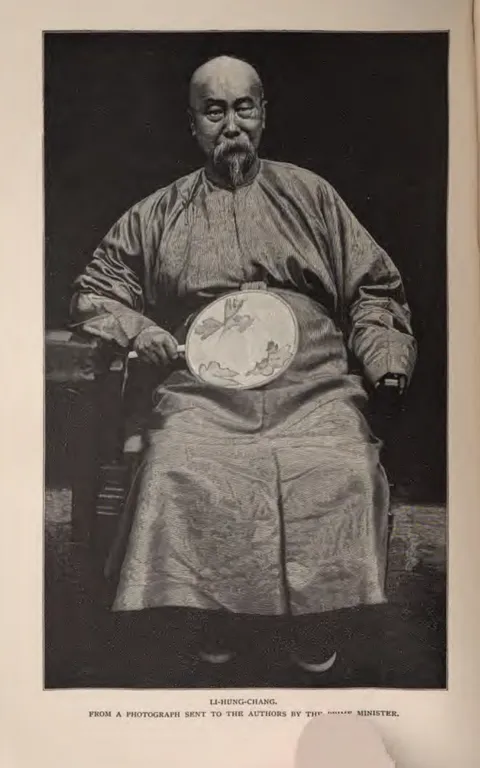 (opens in a new tab)
 LI-HUNG-CHANG. FROM A PHOTOGRAPH SENT TO THE AUTHORS BY THE CHINESE MINISTER. 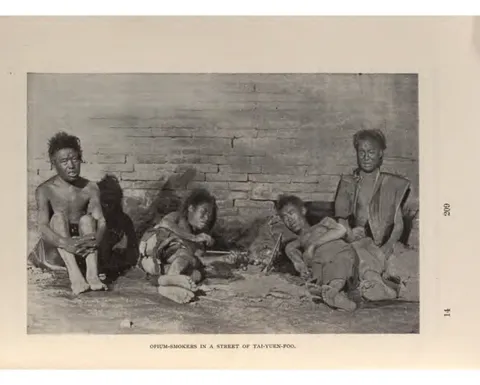 (opens in a new tab)
 OPIUM-SMOKERS IN A STREET OF TAI-YUEN-FOO. 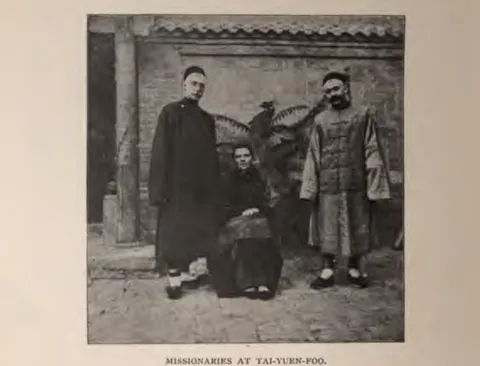 (opens in a new tab)
 MISSIONARIES AT TAI-YUEN-FOO 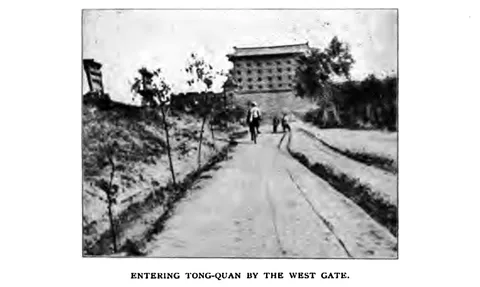 (opens in a new tab)
 ENTERING TONG-QUAN BY THE WEST GATE 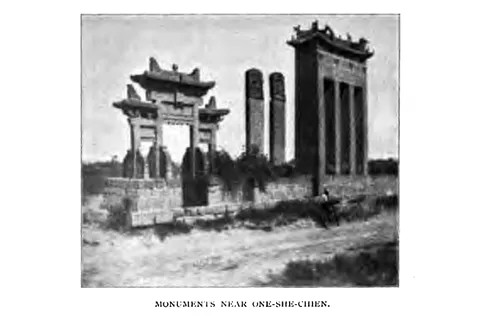 (opens in a new tab)
 MONUMENTS NEAR ONE-SHE-CHIEN 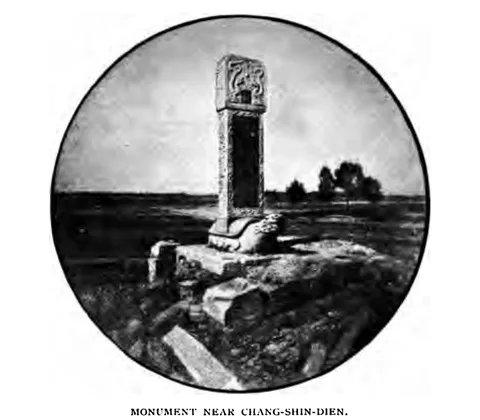 (opens in a new tab)
 MONUMENT NEAR CHANG-SHIN-DIEN 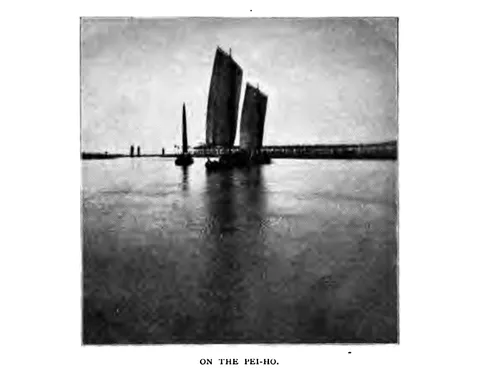 (opens in a new tab)
 ON THE PEI-HO 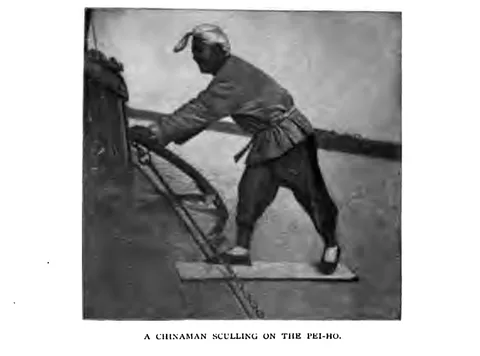 (opens in a new tab)
 A CHINAMAN SCULLING ON THE PEI-HO 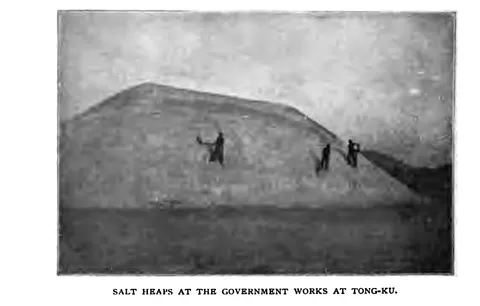 (opens in a new tab)
 SALT HEAPS AT THE GOVERNMENT WORKS AT TONG-KU 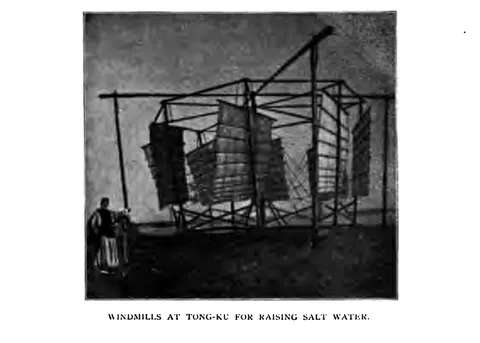 (opens in a new tab)
 WINDMILLS AT TONG-KU FOR RAISING SALT WATER 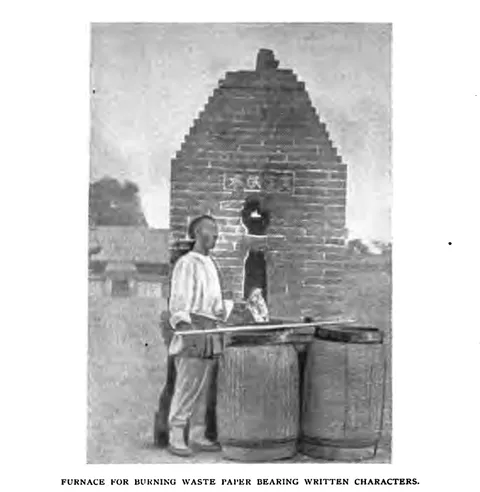 (opens in a new tab)
 FURNACE FOR BURNING WASTE PAPER BEARING WRITTEN CHARACTERS 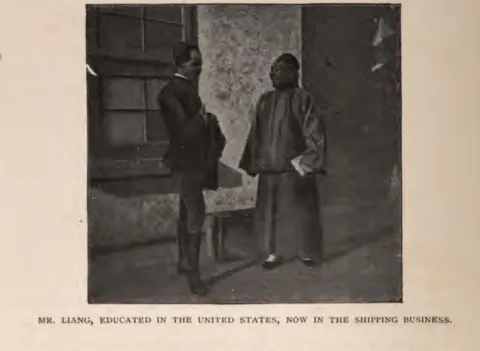 (opens in a new tab)
 MR. LIANG, EDUCATED IN THE UNITED STATES, NOW IN THE SHIPPING BUSINESS 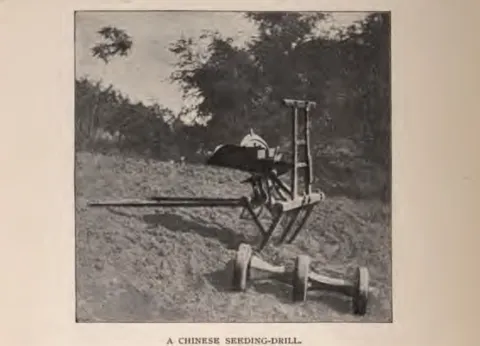 (opens in a new tab)
 A CHINESE SEEDING-DRILL 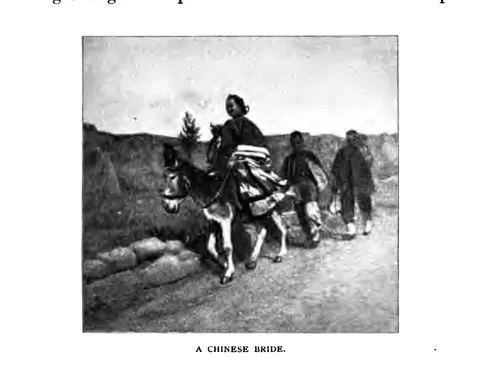 (opens in a new tab)
 A CHINESE BRIDE
Maps 2
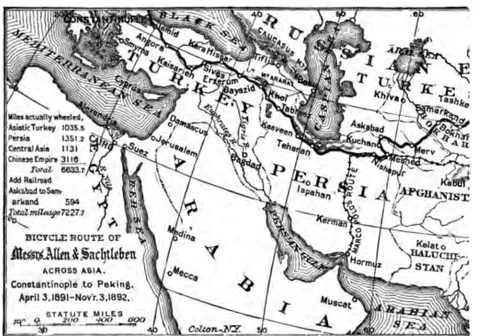 (opens in a new tab)
 BICYCLE ROUTE OF Messrs. Allen & Sachtleben ACROSS ASIA. Constantinople to Peking. April 3, 1891-Nov. 3, 1892. STATUT… 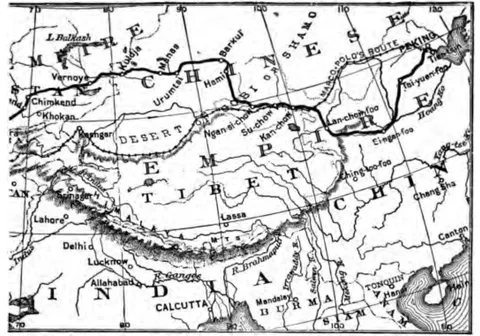 (opens in a new tab)
 Map of region east of the Bosporus
Mastheads 1
 (opens in a new tab)
 Publisher's device (The Century Co.)