De la Physiologie du Membre Inférieur dans la Locomotion à Bicyclette
By Elisée Bouny18997 chapters8 imagesFrench
Cite this book
Citation
Elisée Bouny. De la Physiologie du Membre Inférieur dans la Locomotion à Bicyclette. 1899. cyclearchive.com, https://cyclearchive.com/books/de-la-physiologie-du-membre-inferieur-a-bicyclette-1899/
Page numbers are pages of the PDF, which can differ from the numbers printed on the page.
Contents
- The author, a pupil of the physiologist Étienne-Jules Marey, explains the thesis continues Marey's laboratory research into the muscular physiology of cycling, and thanks his hospital and anatomy teachers even though he does not intend to practice medicine himself.
- Reviews prior instrumented studies of the pedal stroke, from A. Lyman Scott's 1889 dynamometric pedal ("cyclograph") in Philadelphia through Maillard and Bardon's 1893 French patent to Marey's own 1895 air-transmission dynamometric pedals tested at the Parc des Princes and the Vélodrome d'Hiver, plus the amateur theoretical literature such as Perrache's "Homme de la Montagne" articles and Bourlet's treatise.
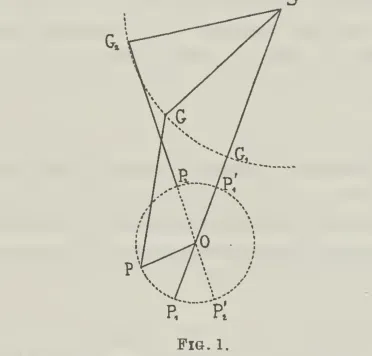
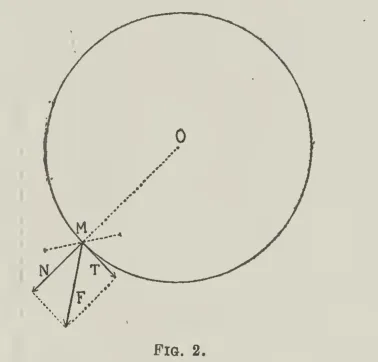
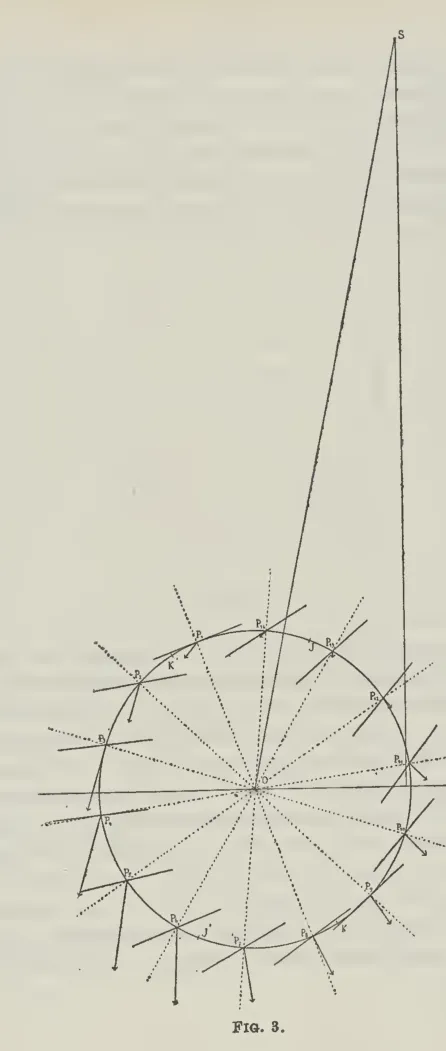
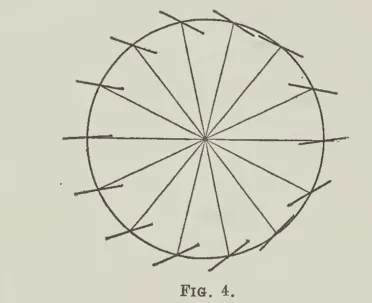
- Describes the experimental technique and presents the dynamometric force diagrams recorded from a cyclist's pedal stroke, measuring both the normal (perpendicular) force on the pedal and the sliding force parallel to it across a full crank revolution.
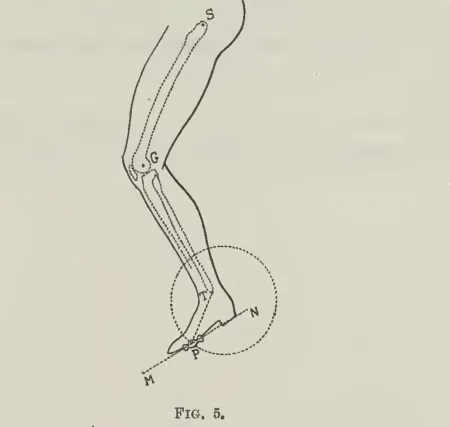
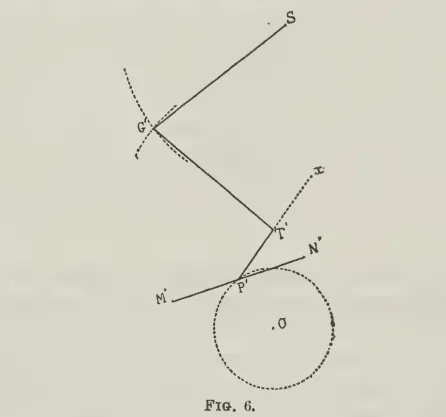
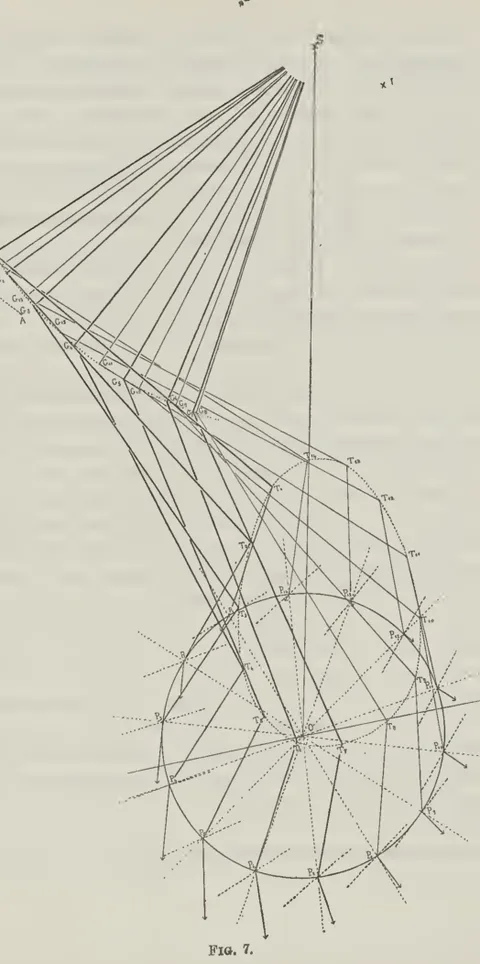
- Reconstructs the successive positions of the hip, knee and ankle joints throughout the pedal stroke from the recorded pedal-plane angles, fixing anatomical landmarks (greater trochanter, femoral condyle, external malleolus) to calculate thigh and leg segment lengths and joint angles.
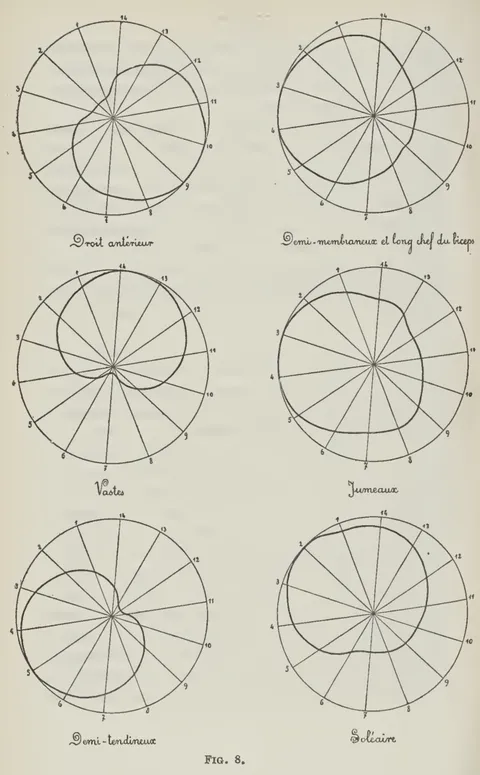
- Applies Marey's "successive measurements" method to the joint diagrams to infer which individual leg muscles are actively shortening, and therefore probably contracting, at each phase of the pedal stroke, comparing this indirect inference to direct myography.
- Argues that the apparently "contradictory" simultaneous action of antagonist leg muscles during pedaling is not a mechanical disadvantage but trades force for speed, and that the conventional forward-leaning riding position (torso about 15 degrees from vertical, seat set back) is physiologically justified because it keeps the hip and knee joints in moderate, mid-range flexion rather than near full extension.
- Lists sources including Scott's and Marey's dynamometric-pedal literature, Bourlet's Traité des Bicycles et Bicyclettes, Baudry de Saunier's cycling manuals, and the extensive Perrache/Chenantais/Vélocio debate on crank length and gearing published in Le Cycliste and the Revue mensuelle du Touring-Club de France.
Images in this book 8 pictures from 71 pages
Diagrams 8
 , Diagram, page 16 (opens in a new tab)
 , Diagram, page 19 (opens in a new tab)
 , Diagram, page 20 (opens in a new tab)
 , Diagram, page 22 (opens in a new tab)
 , Diagram, page 35 (opens in a new tab)
 , Diagram, page 36 (opens in a new tab)
 , Diagram, page 37 (opens in a new tab)
 , Diagram, page 52 (opens in a new tab)