Sovremennyi Velosiped
By A. P. Ivashentsov1895117 chapters139 imagesRussian
Contents
- Opens with a toast by Dr Philippe Tissié, delivered at a cyclists' meeting in Bordeaux, hailing the bicycle as the founder of a 'freemasonry of the open air' and a symbol of human freedom that unites nations.
- Argues the safety bicycle beats walking, the horse and even the railway for journeys under 60-100 versts, and is indispensable to rural doctors, excise officers, magistrates, messengers and army cyclist detachments; notes a good rider holds 18-20 versts an hour for an hour or more, and sets out the three branches of the sport - touring, trick riding and track racing.
- Chapter heading for the riding chapter, whose argument line lists methods of instruction, the effect of riding on health and the organism, preparatory riding (training), racing, touring and figure riding.
- Teaches the beginner to drop the saddle until the balls of the feet reach the ground, borrow an old 'pood-weight veteran' machine, and learn on a large hard-surfaced square or manège; covers mounting from the left with the right pedal just past top dead centre, steering into the fall, the step-and-scoot mount from the rear step, three ways of dismounting (from the step, from the pedal, and the vault backwards over the saddle), riding one-handed and hands-off, ankling (pédalage) to work three-quarters of the pedal circle, and the forward-leaning seat position.
- Instruction for women differs only in mounting and dismounting: the pupil stands ahead of the saddle, puts the right foot on the pedal just past top dead centre, rises on it while a helper steadies the machine, then settles into the saddle and catches the left pedal.
- Warns that riders with heart, respiratory, genito-urinary complaints - and all women beginners - should be examined by a doctor first, and that the exhilaration of cycling makes over-fatigue creep up unnoticed; 40 versts a day at 10-12 versts an hour is safe untrained, but long-distance work and racing demand careful preparation.
- The extensors of thigh, shin and foot do most of the work, the arm flexors pull on the bars, and the loins take over on climbs; a once-a-week rider stands to a long-distance rider as 1:2.5 in strength, rising to 1:4 when well trained. Warns that the iliopsoas lies just behind the ovaries, so riding is forbidden during menstruation and rubber-cushioned road pedals should be preferred to racing pedals for women.
- Explains inhalation by chest expansion and exhalation by the lungs' own elasticity, and argues the cyclist must first learn to breathe: inhale through the nose (the air then enters along the line of travel, under low pressure) and exhale through the wider mouth, lowering the head at speed to cut the blast. Riding should never be pushed to breathlessness, and full benefit comes only after 18 years of age.
- Excessive riding drives blood to lungs, liver and brain and enlarges the overworked heart, so the young and those with valvular disease must have medical sanction; conversely cycling clears venous stasis in the lower body. Stresses that saddle adjustment protecting the perineum from pressure is of the first importance for the kidneys and genito-urinary organs.
- The sebaceous and sweat glands are choked by road dust mixed with sweat, so the rider must wash the whole body with good soap and fresh water once cooled, then rub down with a coarse towel, brush or hair glove; baths, douches, bathing, friction and massage are the prescribed means, and one should not sit in the sun after bathing.
- Abuse of riding causes congestion of the brain, aggravated by rocking the head and body - a habit that also slows the machine; a long stooped posture can curve a young spine, and prolonged riding may irritate the sciatic nerve or numb the hands and feet. Recommends large closed smoked-glass goggles against glare and dust; sound sleep of at least 8 hours on multi-day tours.
- Never ride on a full stomach - eat moderately two hours before setting out, since the compressed stomach cannot digest while blood is drawn to the working muscles. Meat rebuilds muscle, starches maintain warmth, stimulants (alcohol, tea, coffee) slow breakdown; weak tea or coffee is the best drink, while bitter liqueurs, preserves and zakuski are excluded. Lists the ailments cycling helps (anaemia, chlorosis, gout, diabetes, haemorrhoids, obesity, neurasthenia, alcoholism) and the contents of a tourist's medicine kit.
- Divides preparation into a preliminary period (early rising, dumb-bells, cold douche from 22-25 down to 14-15 degrees, friction, swimming or rowing, restricted diet, no smoking) and a working period. Advises a second training machine a few pounds heavier but set up identically to the racing one; gearing of 76 inches and up with dropped bars for the track, 68-76 for long distance and 63-64 inches for very long road events; woollen underwear, English soft hats, thin-soled low shoes; track work of 12-15 versts followed by evening 'emballage' (sprint) practice, and 40-50 versts a day at 25 versts an hour for road training.
- On race tactics: the sprinter needs speed and the finishing burst, the long-distance man strength and endurance, and all need decisiveness, coolness and resource. Never arrive at a strange track on race day; second wheel is the place to sit; do not look round while sprinting; pacers matter most in the second half of a track race but from the start on the road, and should carry food, drink and stimulants (champagne, coffee, kola) for emergencies.
- Touring is riding for its own sake or to see new places, at 15-18 versts an hour on a decent road, walking the steepest climbs; luggage is a change of woollen underwear, a hooded waterproof, a full set of spanners, lubricant, tyre-repair kit, medicine kit and a map. Sugar taken in 5-15 gramme lumps every ten minutes restores an exhausted rider (Mosso and Paoletti in Italy, Harley in England). Prescribes knickerbockers buttoned below the knee, an English Norfolk-style jacket, a shortened Havelock cape with very wide wings, and for women shalvars or a short skirt with the corset replaced by a loose bodice; 100-120 versts is a normal day.
- Trick or 'dexterity' riding runs from volts and slow riding through balancing stationary and steering hands-off, up to equilibristic feats: coasting without bars or pedals, standing on the step or the saddle, riding standing on the pedals with the saddle removed, riding backwards to the bars, and picking objects off the ground without dismounting.
- Chapter heading covering upkeep of the machine, cleaning, dismantling and reassembly, and repairs.
- Have the dealer strip the new machine so you can inspect every part, then dismantle only in extremity. Store it in a fitted box or between two hinged screens, ideally in a cool dry passage so the rubber keeps and it does not sweat when brought in from frost; let a little air out when standing. Keep a small pressure gauge on the rear wheel - 28 to 30 pounds for a rider of five poods, the front tyre 3-4 pounds less - and wipe nickel parts with vaseline before riding in wet weather.
- Dust off with a wing or feather brush rather than a rag (which scratches enamel and nickel), wash tyres with cold water and a tenth part of ammonia to soften the rubber, then flush the hubs and bottom bracket with paraffin or benzine driven in by a syringe with a long bent nozzle while turning the wheel. Soak the chain in paraffin, scrub it with a stiff painter's brush, then steep it an hour or two in oil; without a gearcase it is better wiped dry, since a greasy chain collects dust and drags.
- Introduces the stripping and rebuilding of the three representative bearing systems described in the sections that follow, since almost all 1895 makers build to a single pattern.
- Strips the ordinary machine: split the chain at the square nut and the connecting bolt, undo both outer axle nuts together (so the axle cannot turn), count the balls out (makers use different numbers), keep right-hand nuts apart from left. The rear wheel's outer nuts also hold the chain-adjuster screws; the bottom bracket needs the cotter pin driven out with a proper press or, failing that, a copper drift over a block of wood; the head is dismantled by slackening the clip, drawing out the bars, and lifting the frame off the fork's two rows of balls.
- Wash cups, cones, balls, screws and nuts in paraffin and put them straight into oleonaphtha without touching them with bare hands - the best lubricant, thick and dark, free of acid, cheap and slow to thicken in cold; white vaseline oil for frost, bone or castor oil otherwise. Rebuild head first, then each wheel separately, adjusting the cone until the wheel spins silently with no shake, then the bottom bracket, which must give a pendulum 'kick-back' when spun; err on the loose side, since over-tight cones crack balls and cones.
- The Elswick dust-proof bearing does not bear against the fork ends at all but is adjusted independently from both sides. Its pedals screw into the cranks and are locked by a left-hand-thread nut; the bearing is opened by unscrewing the ring-shaped lock nut E with a pin spanner and lifting the pierced washer beneath it with a knife blade.
- Reassembling Elswick bearings: the axle goes in, the lock nut is tightened and the wheel's running is regulated as the cup is set. Warns that the balls must lie in a single row - the least pinch of the cone against a misplaced ball chips its edge.
- The New Rapid of the St George Engineering Co. of Birmingham carries closed bearings in the bottom bracket and rear hub only. The hub is capped at both ends, one cap screwed and one driven on, which keeps out dirt and holds oil in; the caps need not come off for cleaning, only to change the rear sprocket.
- Reassembly is the reverse, remembering that the New Rapid's chain adjuster sits inside the fork end between the fork and the hub cones, not outside as on most machines, and that the rear wheel must be entered carefully so as not to damage the axle thread.
- Roadside repairs to bent pedals, cranks, forks and rims, broken or torn spokes, cut tyres, twisted bars, broken chains and snapped saddle springs. Recommends carrying, besides the machine's own spanners, an adjustable American or French wrench, a spoke key, hand vice, file, wire, cord and a knife.
- Chapter heading for the descriptive chapter, dealing with the frame, forks, wheels, bottom bracket and transmission, handlebar, saddles and pneumatic tyres.
- Section heading introducing the part-by-part description of the machine.
- Surveys the trade: great specialised factories in England, then America, France, Germany and Belgium. The dominant machine is the chain-driven two-wheeled Safety on pneumatic tyres, with the tricycle and its tandem, duplex and triplet variants; the high Ordinary survives only on tracks and stages for trick riding.
- The Humber 'Diamond' frame is now almost universal, built of tubes of differing diameter and wall thickness - the down tube from the fork crown to the bottom bracket does the most work and must be largest, the top tube least. Ladies' frames lack the top tube, so makers thicken, curve or double the down tube; the author picks out the Rudge, Raleigh, Elswick, Columbia and Wolff frames, and the Bonnick and 'Psycho' patterns as easiest to mount.
- The front fork is a steerer tube with a ball race at its lower end, a crown, and two blades; the lower row of balls sits in a groove above the crown and the upper row in the top of the head tube, clamped by the ring and adjusting nut. Discusses crown types and the effect of fork rake on steering.
- The wheel is made up of tyre, rim, spokes, bearing and axle; tyres are dealt with separately, and the remaining parts are described in the sections that follow.
- Pneumatic tyres made very light rims possible; steel rims prevail in Europe, wooden ones have almost driven steel out of America. A good rim must be strong, springy, unaffected by heat, cold and damp, and hold its nipples firmly; the Fairbanks wooden rim, glued up under heavy pressure with the grain running in different directions, is singled out.
- A plate series of rim sections showing how profile follows tyre: plain and hollow steel rims for cushion tyres, Barwick plain and hollow rims for Dunlop, Westwood rims for Dunlop road, road-racing and racing tyres, Westwood for Clincher and for Palmer, rims for the Grappler double-tube, for Seddon, Scottish and Kite, for Macintosh and Continental, for Beeston and for Michelin.
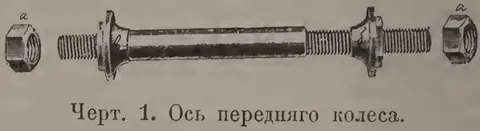
- The bearing - axle, hub barrel, balls and cones - is the part that decides how easily the machine runs. The common type is a tube with hardened steel cups pressed into each end, a fixed cone driven onto one end of the axle and an adjusting cone running on the thread at the other; the section then compares the leading proprietary dust-proof and closed patterns.
- Spokes are either direct (radial, screwed into the hub flange or running through a nipple in the rim) or tangent, set perpendicular to the flange face and bent over. Direct spokes break at the ends, especially at the hub, so they should be chosen butted; tangent spokes pass through drillings parallel to the axle.
- The bottom bracket axle carries the chainwheel and takes the heaviest work; its bearing is usually built like the rear hub but to larger diameters in cups, cones and balls. Illustrated with the Wolff and Elswick bottom brackets, with the same hub/bracket similarity noted in the Centaur and New Rapid.
- Cranks are pushed onto the axle ends, with the chainwheel on the chain side, sometimes forged in one piece with its crank. In the best machines the chainwheel is made in two parts - a boss driven on the axle and a toothed ring - so the ring can be changed to alter the gear. Cranks are round, flat or fluted, and are either cottered or screwed on and drawn up by nuts.
- Pedals bolt or screw into the crank ends and must be very firmly fixed; the bearings resemble ordinary front-hub bearings and the difference lies in the tread. Road pedals are heavier, with rubber cushions; racing pedals substitute light metal combs or vertical plates, which hold the foot better but pass the shocks up the leg and cut the sole.
- Defines gearing: multiply the rear wheel diameter in inches by the number of teeth on the chainwheel and divide by the teeth on the rear sprocket to give the gear in inches, so that a Safety geared to 56, 59.5, 63 or 68 inches covers the ground an Ordinary of that wheel diameter would; multiplying the gear by 3.1416 gives the distance run per pedal revolution.
- Two kinds of chain are used: block chains (including the 'à Pivot' pattern), which are lighter, quieter and pleasanter on the sprockets, and roller chains, which are stronger, wear the teeth less and clean more easily. America favours a self-lubricating block chain whose blocks carry grease-soaked packing that gives up oil as the chain warms.
- Chain adjusters at the rear fork ends: the common pattern is a washer with a screw on the axle, a plate against the fork end and a nut on the screw; the Humber and Referee adjuster drops the plate and uses a nut with a round boss running in slots in the fork end; Columbia sets the screw inside the junction of stay and fork; the Wolff adjuster is eccentric.
- The Crypto front-driving gear and the Bantam machine built on it, shown in section and in elevation; the author notes such front-wheel geared machines have almost left the scene.
- Lever-and-crank drives to the rear wheel, illustrated by the Wall and the Stange machines; the author regards them as too little tried to recommend.
- Introduces the two answers to the ordinary single-sided chain drive's faults - small gear ratio and a frame pulled sideways by the chain - namely the Bouhard and Roussel transmissions, the first already fitted to some Humber, B. & S. Bonnick and Clement models.
- The Bouhard gear puts a large internally-toothed wheel on the left of the crank axle driving a pinion on a second axle just behind it, whose right-hand sprocket carries the chain, so the gear can be raised. The Roussel gear sets the chainwheel centrally in the split seat tube and adds a three-sprocket countershaft between the rear stays, driving both sides of the rear hub by two further chains, which raises the gear and abolishes the sideways pull on the frame.
- Handlebar grips of horn, celluloid, rubber, cork or wool - horn and celluloid last longest but raise blisters, rubber makes the hand sweat, cork and wool are the pleasantest. Brakes act either on the front tyre (the usual spoon brake, sometimes with rubber rollers or paired cones to spare the tyre, and occasionally worked by a foot plate) or as a band brake on the rear wheel, now nearly abandoned as too complicated.
- A saddle must be strong, springy, roomy and free of pressure on the perineum; the best have a spring frame that lets the nose be raised or lowered, and there are hygienic saddles with a divided nose and even pneumatic ones. England uses coiled spiral springs, America laminated plate springs, which the author prefers as smaller and neater; Brooks makes the best English saddles, and the Brooks 90 B road and 95 B light-road patterns are illustrated.
- The pneumatic tyre, more than anything else, made the modern bicycle: solid tyres forced heavy frames and wheels, spring frames and forks helped only in part, and the cushion tyre with its cylindrical air channel barely improved matters. The pneumatic absorbs road shock in a compressible elastic medium, which is why machines could be lightened and why the bicycle gained its hygienic importance.
- Dunlop, an Irishman, invented the first practical pneumatic, at first single-tube and then double; the inner tube has a simple good valve and the cover's edges carry wires so they cannot stretch off the rim. Because the cover edge is smaller in diameter than the rim edge, one side must be pressed into the well of the rim before the other will pass over.
- The Clincher has no wires in the cover - thickened rubber beads engage the rim's curves instead - a valve that lets a measured amount of air out (nearly impossible with the old Dunlop valve), and a different cover shape. It is always made non-slipping, comes off more easily than the Dunlop, and the author prefers it as free of the Dunlop's tremor.
- The Palmer was first a single-tube of four concentric layers, the two inner ones of rubberised fabric whose threads run obliquely so the tyre can only expand across its diameter - which is how it held in its almost flat rim, and why it had the greatest 'speed' and repaired most securely. For 1895 Palmer brought out the double-tube non-slipping cover shown in figure 75, which the author calls the softest and pleasantest tyre made.
- The Grappler double-tube is held in the rim by hooks along its edges that engage under the turned-in rim edge; its rim is smaller and flatter than the Dunlop's, giving more spring, and the cover comes off simply by deflating and pressing the edge down to free the hooks. Also made with a non-slipping cover.
- This American double-tube is known for the quality of its rubber; the cover is ribbed and grooved and rubbered inside and out, so it hardly slips on muddy roads, but its air chamber is smaller and it therefore rides harder. Buyers should check the rim edges are rounded - in 1894 they were thin enough to cut the tyre - and it is harder to mount than the preceding tyres.
- Three very similar covers that seat well and come off more easily than the Gormully & Jeffery; the last two are made and mostly used in Germany. Their longitudinal ribs grip wet stone excellently but the narrow deep grooves between them pack with mud, after which the tyre begins to slide.
- The Beeston is held in the rim by air pressure alone, with wires in its edges to stop them stretching; its cover is wide enough to be wrapped round the inner tube on the rim before inflation. Known for its durability.
- One of the first double-tube tyres to come into wide use, held by wires and a special clamp on each side; its rim is small and nearly flat with the edges turned toward the wheel centre. To remove the cover, unscrew the clamp nut, take out the clamp and lift the wires off the beads.
- Repairing single-tube tyres with rubber solution and prepared rubber plugs or mushroom studs, finding the puncture by wetting and soaping the tyre or immersing it so bubbles show; double-tube repairs, patching the inner tube, mending a torn valve tube, and the advice to send badly cut covers to a specialist shop.
- Introduces the survey of makes on sale in Russia. England leads, headed by Humber's Beeston works and Rudge of Coventry; France and America follow, the Americans being the most original in type and the keenest on light weight; German machines are numerous, brilliantly finished, cheap and sound when heavy, but not a match for English, French or American work when light.
- Takes the Rudge as the standard type, since the great majority of machines are built to it and differ only in detail.
- Rudge amalgamated with Whitworth in 1895 but each works builds to its own patterns. Frames are of cold-drawn Weldless steel tube in Diamond form, in two sizes; the rear stays are integral with the rear fork ends and are bolted at the top by the same bolt that holds the seat pillar.
- Humber differs from the Rudge model in making the rear stays separate from the frame this year and in preferring direct spokes, though tangent spokes are used in rear wheels. Types listed run from a light roadster of 39-41 lb geared to 60 inches on 30 and 28 inch wheels up to racers and tandems; Humber also has works at Coventry and Wolverhampton.
- The Coventry Machinists Co. Ltd builds the 1895 Swift on the Rudge pattern, differing only in cranks drawn up by screws and nuts instead of driven cotters, a straight seat pillar in place of the L-shaped one on roadsters, and a slightly thinner fork crown.
- Raleigh made its name on the track. Its distinguishing features are a tubular fork crown, laminated spokes in the best grades drawn up by a nut midway between hub and rim, and axles grooved to take the balls directly in place of the usual cups; Raleigh prefers both wheels at 28 inches.
- Whitworth differs from Rudge chiefly in smaller-diameter frame tubes, a very straight front fork, cranks screwed onto the axle and then drawn up by a bolt and nut, and the shape of the chainwheel; a very elegant machine with a fine action, faulted only for the straight fork and a thinned front axle.
- The Elswick is distinguished by superb finish inside and out and by the frame and closed, independently adjusted bearings described earlier; the road model weighs about 36.5 lb without saddle or pedals, geared to 56 inches on 30 and 28 inch wheels with hollow rims and direct spokes.
- The Referee is marked by unusual front and rear forks; its crown and head promise particular strength, while the built-up rear fork still needs proving in service. Very elegant machines with a soft, good action.
- Marriott & Cooper, marketed as 'The Humber', use an unusually narrow bottom-bracket shell of not more than three inches and cones with special shields in the hubs, so the bearings are well protected from dust; new to St Petersburg this year but already well proved in Moscow and the provinces.
- The New Rapid runs superbly and has particularly sound bottom-bracket and rear-hub bearings and an unusual spoke fixing: the tangent spokes are perfectly straight and are not bent at the hub but pass through nipples set into the flange. The Diamond frame differs in rear stays bolted to the fork ends.
- Quadrants have come through hard trials in Russia and abroad with credit - very strong, satisfactory in running, though a little behind the first-named firms in appearance and finish. Most models follow the accepted type; only the 1895 model 21 B departs sharply from it.
- New Home machines have done well in foreign racing; the types listed run from a No. 5 roadster of 42 and 44.5 lb to a light roadster of 37-39 lb geared to 60 inches on 30 and 28 inch wheels with tangent spokes, and the works also builds tricycles.
- Singer machines look elegant and run well, with dust shields to the bearings on some models; the top grades are called 'Modèle de luxe' - the men's version weighing about 34.25 lb - and the range includes road, road-racing and ladies' patterns.
- The Premier is distinguished by its spirally-wound tubing, which the firm recommends for exceptional strength; the roadster weighs 37 lb, geared to 60 inches on 30 and 26 inch wheels with round cranks, and the range extends to road-racing, ladies' and tricycle models.
- Bonnick machines earned a name last season as very free-running and held it in the 1895 races; handsome and solid-looking, and cheap for what they are. Dunlop, Clincher or Gormully & Jeffery tyres are fitted to order.
- The Gormully & Jeffery machines: a roadster of 40 lb geared to 60 inches or to order, on 30 and 28 inch wheels with tangent spokes, 1.75 and 2 inch tyres, block chain and detachable brake and mudguards, plus a light roadster and racing patterns.
- Centaur Cycle Co. of Coventry: the machines are marked chiefly by their closed bearings, described in detail earlier. Models include the 'Prince of Scorchers' roadster on 30 and 28 inch or both 28 inch wheels, with direct spokes and rubber pedals.
- The Field roadster weighs 38 lb, geared to 60 inches on 30 and 28 inch or both 28 inch wheels, with tangent spokes, Dunlop or Clincher tyres, rubber pedals, roller or Brighton block chain, straight bars and detachable mudguards.
- Quintons are built to the accepted 1895 type with enlarged-diameter tubes, a tall frame and rear stays separate from the frame, with detachable mudguards and brake; the No. 201 A roadster weighs 40-43 lb, geared to 60 inches or to order on 30 and 28 inch wheels.
- American machines look quite unlike any others - elegant in proportion and giving an impression of lightness - and are notable for low weight and remarkably free running, though so few are in Russia that the author will not vouch for their durability.
- The Pope Manufacturing Co. adopted the usual Diamond frame in 1895, having previously run twin top tubes from the head, bent at the seat pillar and carried down to the rear fork in place of stays. The Columbia hub bearings recall the Wolff pattern and the bottom bracket the Centaur type, without being copies of either; 1895 models use wooden rims, tangent spokes, Columbia single-tube or Dunlop tyres and Columbia pedals.
- Wolff-American High Art Cycles guarantee the quality of their steel and wire and full interchangeability of parts; frames come in three sizes (23, 25, 27 in.) for racing and ladies' machines and five (23-27 in.) for roadsters, with Palmer, New York or Hartford single-tube or Dunlop tyres to choice.
- The Keating is peculiar in its frame, the rear vertical tube being curved rather than straight in its lower part; model D weighs from 26.5 to 30 lb, geared to 56, 60, 63, 66 or 70 inches, on wooden rims with tangent spokes and tyres, saddle and pedals to choice.
- Ames & Frost Co. of Chicago: elegant, light and pleasant-running machines with a very comfortable riding position. Model 15 weighs about 28 lb, geared to 64 inches or to order on two 28 inch wheels, with wooden rims, tangent spokes and Morgan & Wright or Akron tyres.
- French manufacture has reached great extent and high perfection, and the best French firms compete successfully with the English in every respect, differing little from them in type and form.
- Clement holds first place among French factories - very free-running, strong and elegant machines whose particular features are a tubular fork crown, a diagonal-tube frame in one model, and the way the crank is joined to the chainwheel. Models run from a double-triangle frame to Diamond frames geared 65 to 72 inches on Dunlop tyres.
- Roussel & Dubois: the Modèle de luxe weighs from 24.5 to 32 lb, geared 63 to 72 inches, on two 70 cm (about 28 inch) wheels with butted tangent spokes, a tall frame, detachable cranks and a narrow bottom-bracket shell; also road and racing models with seamless drawn rims.
- Rochet machines are distinguished by an unusual closed bearing; very free-running, strong and elegantly plain. The roadster weighs 39 lb on 75 and 70 cm wheels with butted tangent spokes; racing machines weigh 32 lb, and tandems are built.
- The Austrian machines of note are those of G. Puch & Co. of Graz, sold as 'Styria Fahrradwerke' - known for strength and fine external finish, with a tubular fork crown, rear stays sleeved onto the fork ends on the best models, hubs closed by thin dust caps, frames of Mannesmann tube and Continental pneumatic tyres. Seventeen Styria models are made.
- Lists the German firms - Seidel & Naumann, Durkopp, Klas & Flentje, Brennabor, Kayser, Heinrich Kleyer, Kretzschmar & Co., Adam Opel, Schlick & Winkelmann, Paul Reissmann and others - whose machines sell mainly within Germany and, though cheaper than the best English, cannot match them in running or in strength in the lighter models. Closes with a note that Russian manufacture is in its infancy, naming Schaaf & Naletov of St Petersburg, Leutner of Riga and Subbotin of Moscow.
- Divides accessories into those for the upkeep of the machine and those that make riding more comfortable.
- Heading for the maintenance accessories - oil cans, brushes, spanners, spoke grips, stands and cleaning materials - described in the sections that follow.
- Oil cans of metal or celluloid; the usual round flat reservoir with a screwed-in straight or bent nozzle should be roomy and fine-nozzled, and a folding pattern is convenient on the road. For flushing bearings a small syringe with a long thin bent nozzle is better still, since it can be filled by suction and drives a forceful jet; the American 'Perfect' oiler is good but very small.
- Several brushes are needed to clear mud and dust after riding: ordinary toothbrushes of different sizes serve best, with a coarse wide bristle brush kept for the chain, which cleans very quickly with paraffin.
- Every machine comes with its own set of spanners, but since bells, lamps and gearcases are bought separately and have nuts of their own, an adjustable spanner is worth having; of the patterns offered - 'The tiny tout prine', Royal, New cycloe, Demon, Kingslet, Monkey, Hercules, Dem, Yankee, Acme, Excelsior - the first is handiest for its size and the Demon best for strength and its built-in screwdriver.
- Special small grips exist for tightening and slackening spokes and for pressing out the cotters that hold the cranks; pliers and a hammer will do the same jobs but easily damage the parts.
- Stands for storing and cleaning the machine: the 'Columbia' takes little room and holds well but can mark the tyre if used carelessly; others of iron or wood go under the tyres (the worst, if narrow) or under the axles - such as the wooden 'Elephant' - while a third kind hangs the machine by its top tube and, if the hooks are deep, leather- or rubber-covered and adjustable in height, is the most convenient and the dearest.
- Benzine and paraffin are the cleaning agents: benzine dissolves thickened oil best and penetrates the bearings, but is inflammable and attacks enamel and rubber, so is only for badly fouled bearings; paraffin does not touch enamel, removes fresh rust and is everywhere obtainable. For lubrication, unrefined but not over-thick oleonaphtha of a brownish-yellow, transparent kind is best, with white vaseline oil for winter.
- Where the enamel has been chipped off by knocks or rubbing, a special liquid Enamel is brushed on to the bare places, which must first be washed with benzine.
- Heading for the comfort accessories - mudguards, gearcases, lamps, bells and horns, luggage carriers, pumps and distance recorders.
- Mudguards of iron, aluminium or celluloid are heavy and brittle; rubber or oilcloth guards laced to the frame are light, come off in fine weather, do not rattle as fixed metal ones do, and cannot break and spoil the axle ends on which permanent guards are fixed.
- The gearcase is a cover over chain and sprockets, made of metal, leather, oilcloth, celluloid or even mica. It saves the tedious cleaning of the chain and, by keeping dust out, allows the chain to be kept heavily oiled, which reduces friction and preserves the free running otherwise lost as dirt collects; against that, gearcases are not very strong, are dear, rattle constantly and add a little weight.
- Lamps are usually oil, though paraffin ones appeared this year, and candle and electric patterns exist. A lamp must be light, swing well on its gimbals and not blow out; the best oil lamps are 'King of the road' and 'King of diamonds'. Accumulator lamps weigh up to 12 lb and last only 5-6 hours, while dynamo lamps absorb too much work and go out when the machine slows or stops.
- Double bells marked 'King of bells', fitted to the bars by the left hand, are the best; horns work by squeezing a rubber bulb to force air through the reed, and their sharp note is excellent for driving off dogs. Whips, which many inexperienced tourists carry, are useless - they only enrage a yard dog, and a sharp confident shout without slackening pace works far better.
- The roomiest carrier is a flat bag strapped inside the frame, light and capacious but a nuisance in a side wind; a second type is a metal bracket on the bars carrying a small case, which increases wind resistance, reduces steadiness and is a constant irritation in front of the eyes; a third is a bracket and straps on the bars for a plaid or cape, and luggage can also go behind the saddle.
- Every pneumatic-tyred machine comes with a hand pump, but inflation with it is slow, so a long hand pump or a foot pump is better kept at home. Each pump suits only the valve it was made for, so one cannot count on a companion's; a Dunlop pump will however inflate this year's Palmer tyre. Telescopic hand pumps take almost no more room in the bag and inflate far faster.
- Cyclometers are fitted either between the spokes on the hub barrel, working on the pedometer principle, or on the front fork, counting the revolutions of the front wheel, with dials in miles, kilometres or versts. Speed indicators, the French 'entraîneurs automatiques', show the pace being held so the rider can keep to a set speed - very useful to racing men in training.
- Chapter heading for the reference matter: the 1894 records, a comparative table of English, French and Russian measures met with in cycling literature, the St Petersburg riding regulations, the state of the roads near Petersburg, and the literature.
- Tables of world track records for 1894, flying and standing start, from a sixth of a mile upwards, with times to fifths of a second.
- Riviere's intermediate records set during the 1000-kilometre track race, alongside hourly tables in kilometres and in miles and yards for 10, 12 and 24 hours.
- Russian records with the riders' names - Puresev, Kiseli, Kavskiy, Seidel, Kogout - and Dokuchaev's 12-hour record of 327 versts 407 sazhens set on 23 March 1895, with the four rest stops he took noted; Safonov's 100 versts in 3h 9m 5.2s follows.
- Johnson's American flying-start records from a quarter to a full mile, set at Buffalo on 29 October 1894, followed by 1895 English road records on the Safety, tricycle and tandem (Chase, Bidlake, Holbein, Shorland, Cook and March) and the 12- and 24-hour figures.
- Conversion tables between miles, kilometres and versts with sazhens, and a table of gears in inches against the distance covered per pedal revolution, with the rule that the gear must be multiplied by 3.1416.
- The St Petersburg riding regulations: riding is allowed only on low (safety) single-seat two-wheelers by licensed riders, every machine must carry a numbered plate issued by the Governor's chancery, and the rules go on to list the streets, parks and hours where riding is permitted.
- Describes the metalled roads out of Petersburg towards Tsarskoye Selo, Pavlovsk, Peterhof, Oranienbaum and Gatchina, the branchings at Srednyaya Rogatka and beyond Pulkovo Hill, and picks out the road towards the Finnish frontier as the best for training for road races and long rides, being level, with frequent gradients and little traffic.
- The author restates that his aim was purely practical, which is why he passes over hand-lever drives (Valere, Naletov, Marty) and paraffin- and petrol-engined machines as outside useful sport, and directs readers wanting more to the sources listed.
- A classified list of the cycling press and books with prices - Russian: Velosiped, Samokat and Tsiklist; English: Cycling, Bicycling News and Tricycling Gazette, The Cyclist; French: La Bicyclette, Le Cycle, Journal des velocipedistes - followed by American, Austrian and German titles and the books actually used in compiling the work (Baudry de Saunier, Bourlet, Duncan et Superbie, Tissie, Sturmey and the brochure of the Orlovskys).
Images in this book 139 pictures from 288 pages
Illustrations 43
 (opens in a new tab)
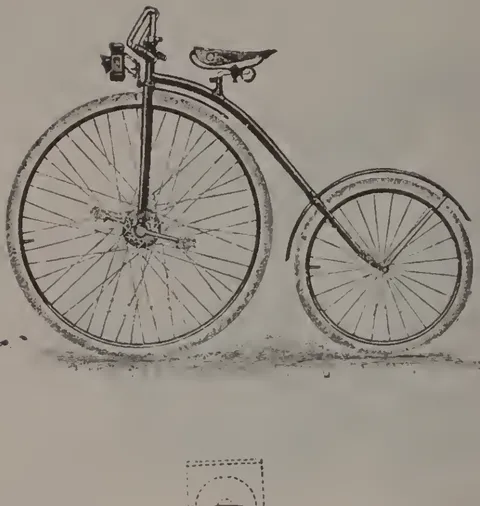
 Penny-farthing bicycle 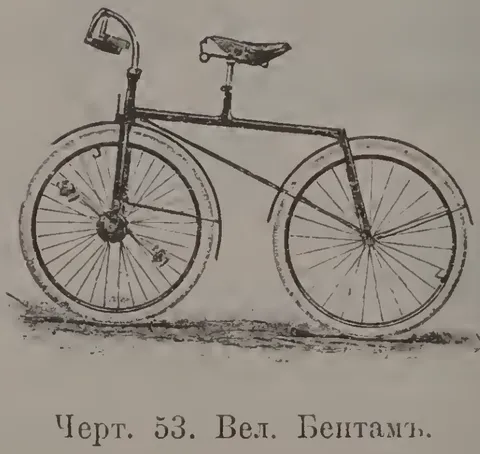 (opens in a new tab)
 Чeрт. 53. Бел. Бентам. 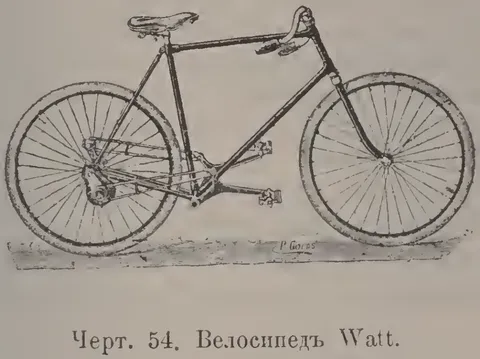 (opens in a new tab)
 Чeрт. 54. Велосипед Watt. 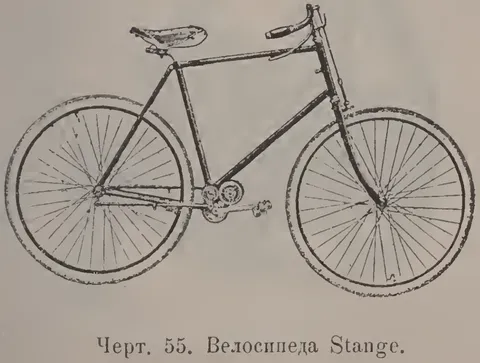 (opens in a new tab)
 Чeрт. 55. Велосипеда Stauge. 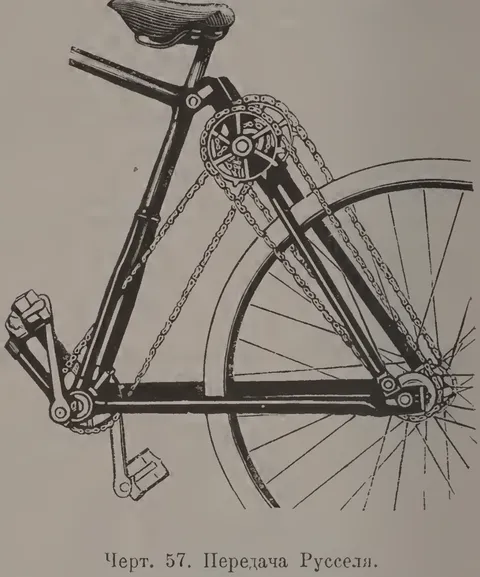 (opens in a new tab)
 Чeрт. 57. Передача Рyccели. 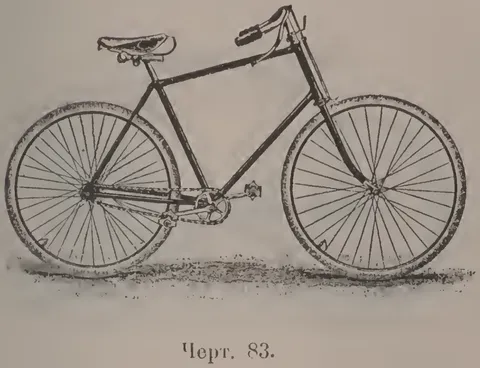 (opens in a new tab)
 Чeрт. 83. № 1. Лeсно-дорожный велосипед 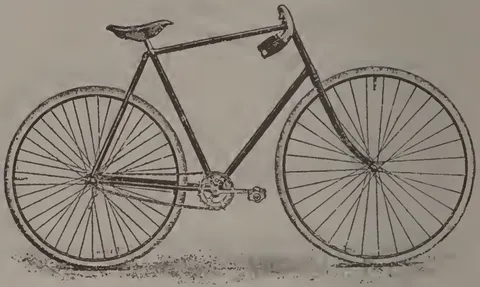 (opens in a new tab)
 Чeрт. 84. № 1. Гоночный велосипед 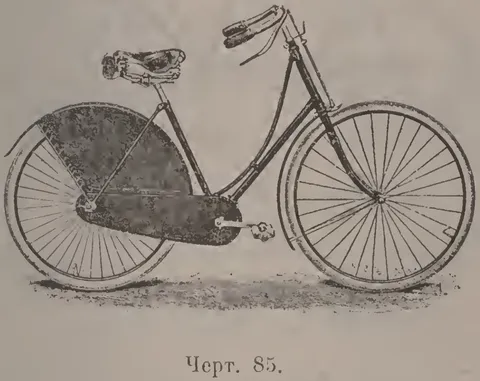 (opens in a new tab)
 Чeрт. 85. Дамский велосипед № 1 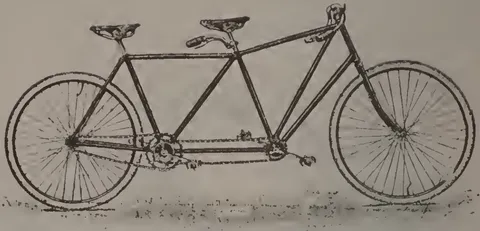 (opens in a new tab)
 Чeрт. 86. Тандэм / Триплетт 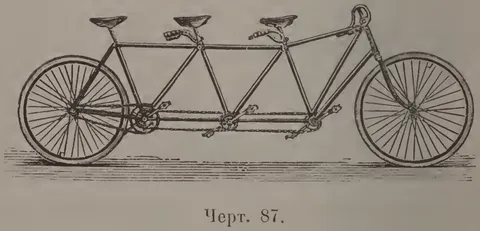 (opens in a new tab)
 Чeрт. 87. Тандэм 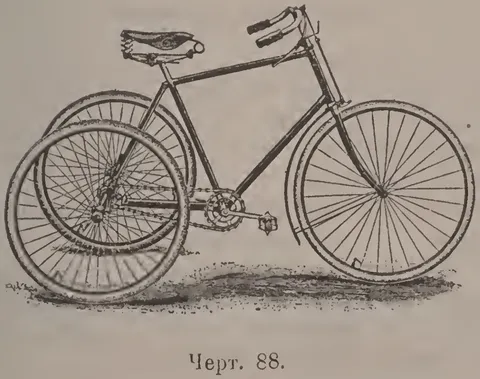 (opens in a new tab)
 Чeрт. 88. Трехколесный велосипед 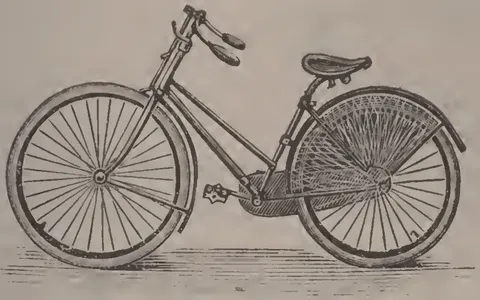 (opens in a new tab)
 Чeрт. 89. Дамский велосипед 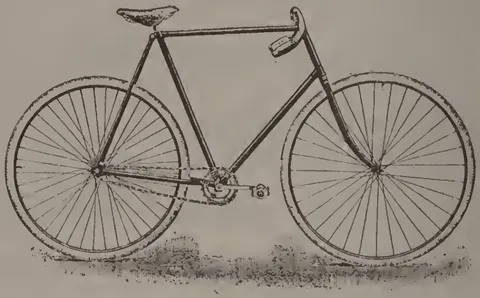 (opens in a new tab)
 Чeрт. 90. Дамский велосипед Coventry Machinists 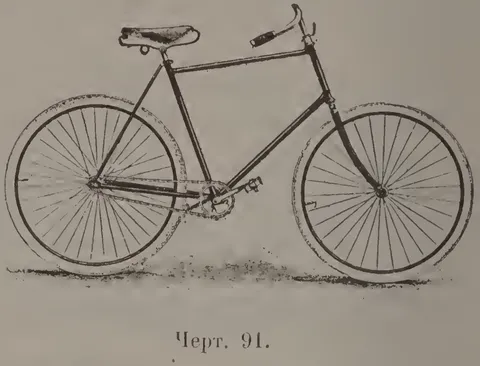 (opens in a new tab)
 Чeрт. 91. Модель G. Легкодорожный велосипед 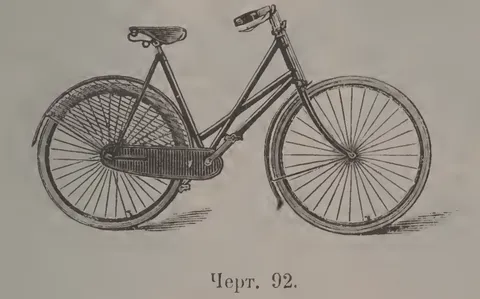 (opens in a new tab)
 Чeрт. 92. Дамский велосипед № 1 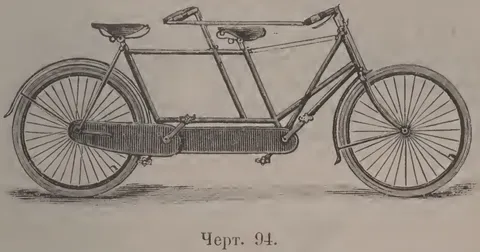 (opens in a new tab)
 Чeрт. 94. Тандэм велосипед 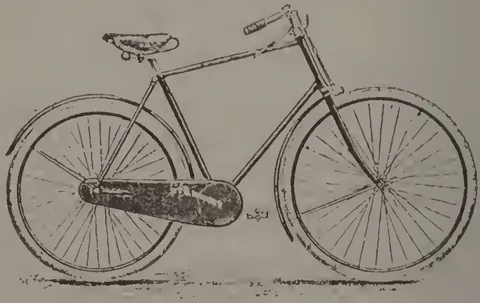 (opens in a new tab)
 Чeрт. 95. Велосипед Витворть 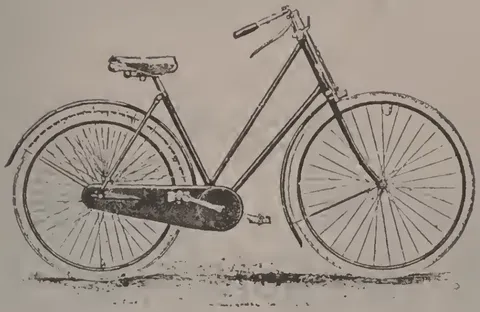 (opens in a new tab)
 Чeрт. 96. Велосипед Элевинц 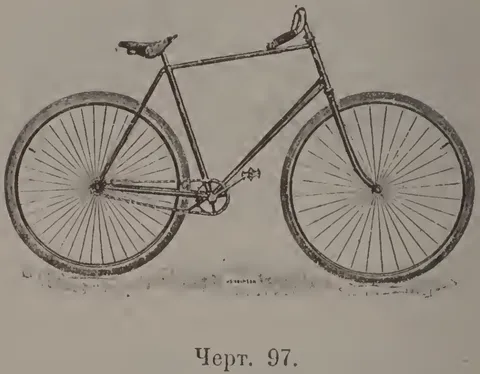 (opens in a new tab)
 Чeрт. 97. Велосипед Элевинц - легкодорожный 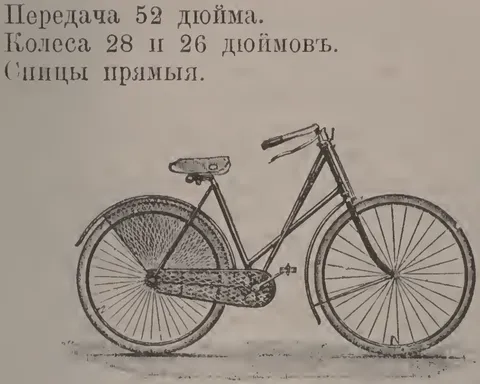 (opens in a new tab)
 Черт. 98. 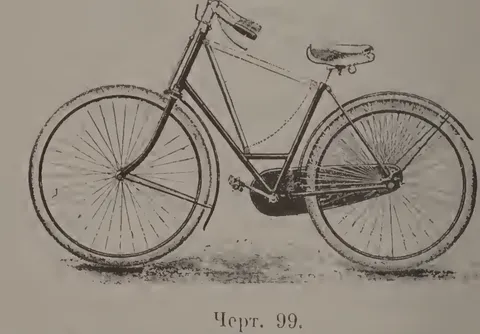 (opens in a new tab)
 Черт. 99. 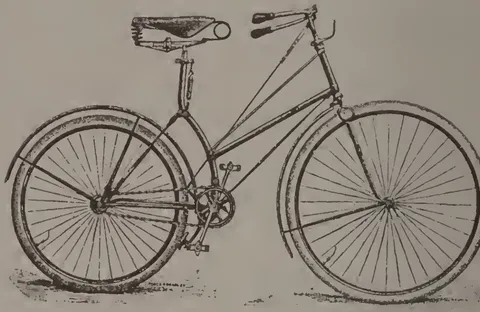 (opens in a new tab)
 Черт. 100. 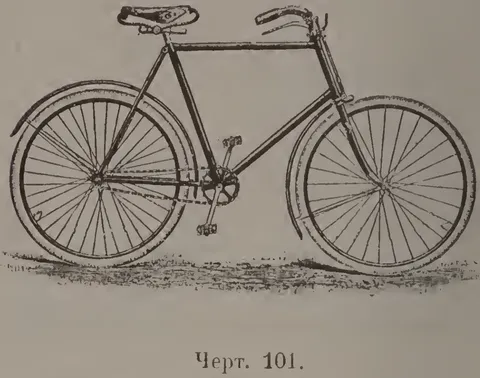 (opens in a new tab)
 Черт. 101. 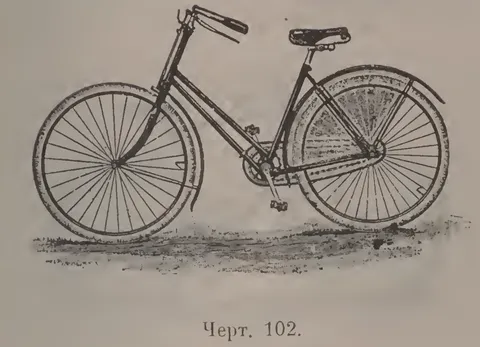 (opens in a new tab)
 Черт. 102. 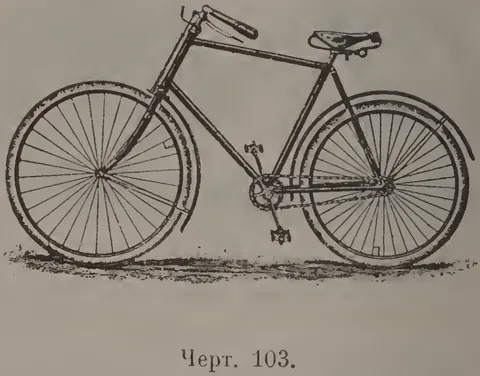 (opens in a new tab)
 Черт. 103. 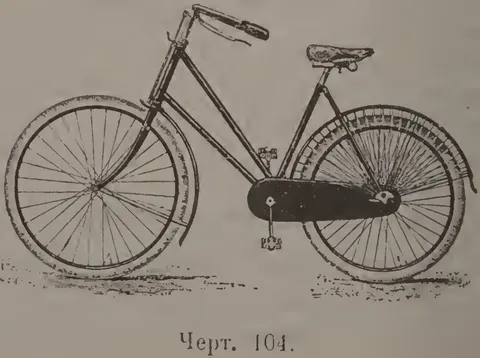 (opens in a new tab)
 Черт. 104. 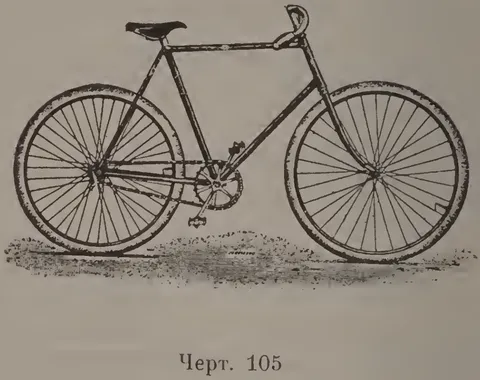 (opens in a new tab)
 Черт. 105. 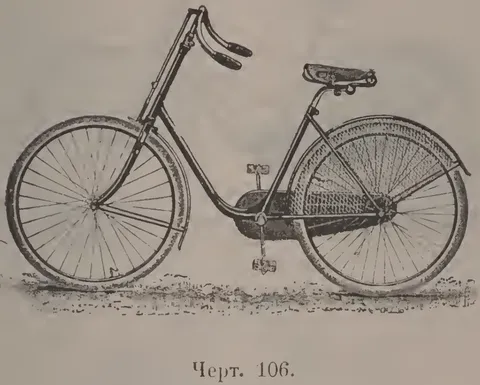 (opens in a new tab)
 Черт. 106. 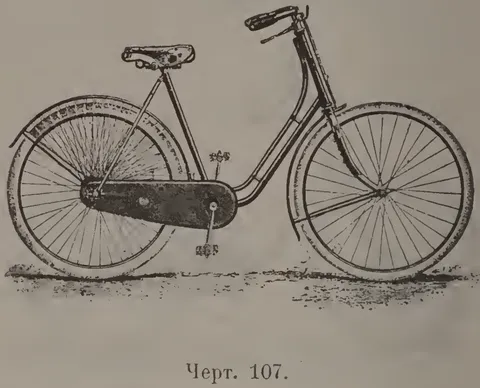 (opens in a new tab)
 Черт. 107. 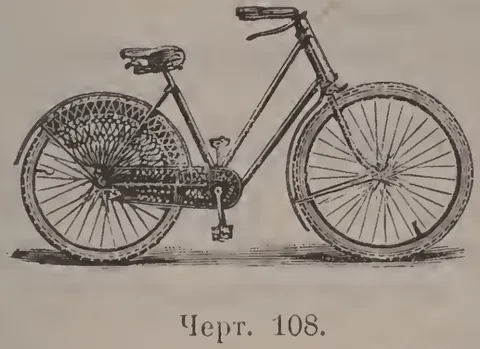 (opens in a new tab)
 Черт. 108. 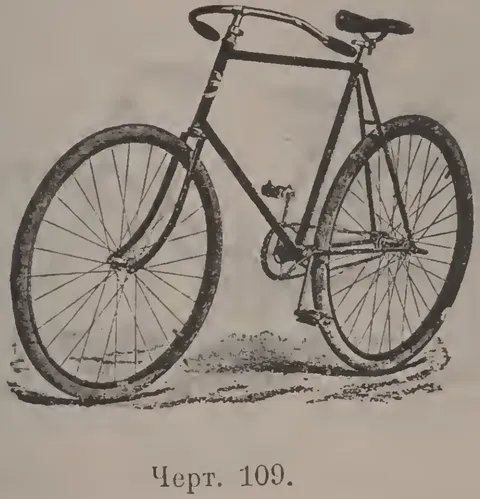 (opens in a new tab)
 Черт. 109. 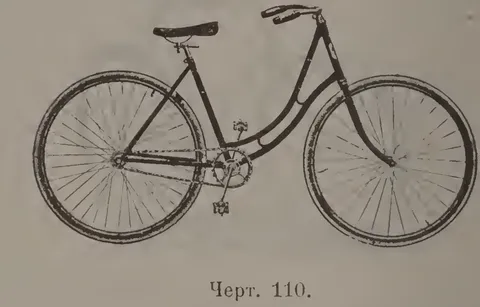 (opens in a new tab)
 Черт. 110. 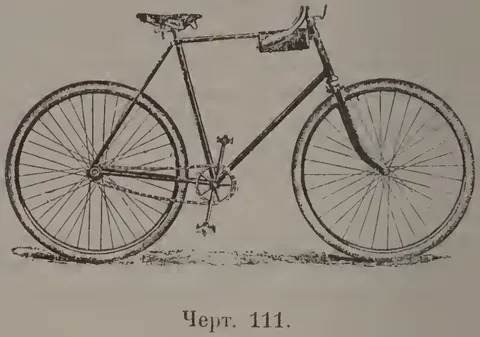 (opens in a new tab)
 Черт. 111. 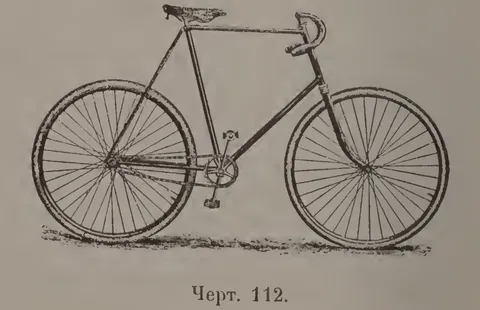 (opens in a new tab)
 Черт. 112.  (opens in a new tab)
 Черт. 113. 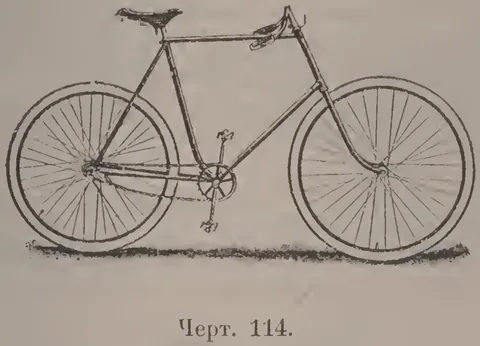 (opens in a new tab)
 Черт. 114. 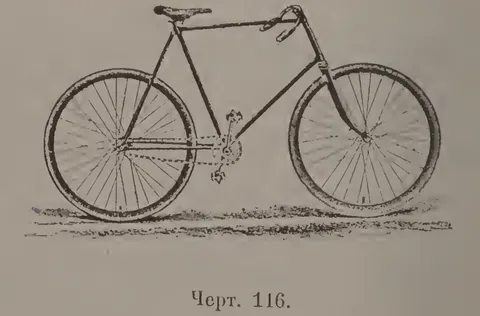 (opens in a new tab)
 Черт. 116. 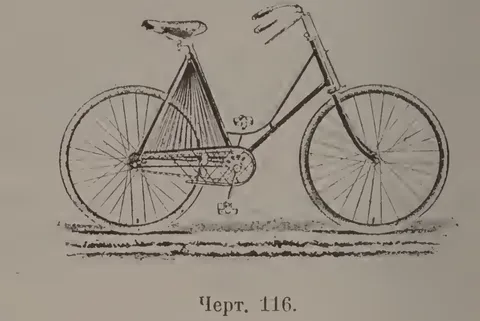 (opens in a new tab)
 Черт. 116.  (opens in a new tab)
 Черт. 117. 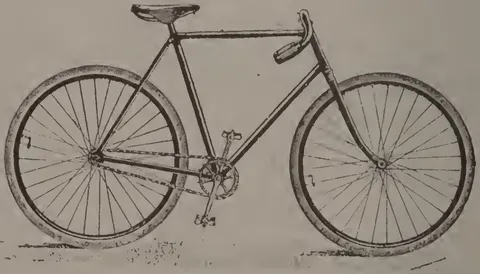 (opens in a new tab)
 Черт. 118. 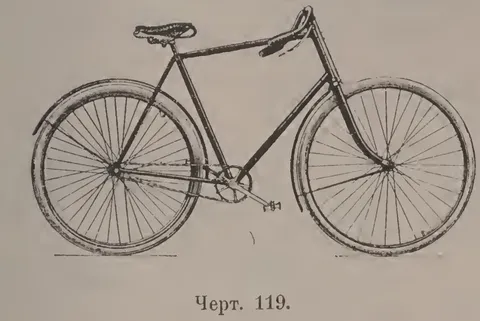 (opens in a new tab)
 Черт. 119. 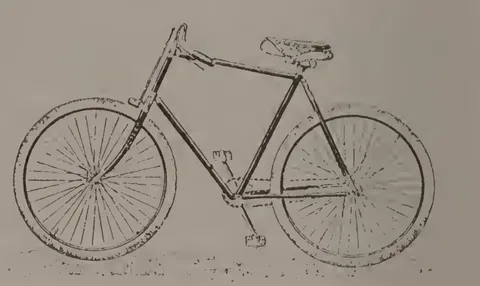 (opens in a new tab)
 Черт. 121.  (opens in a new tab)
 Bicycle catalog advertisement
Photographs 1
 (opens in a new tab)
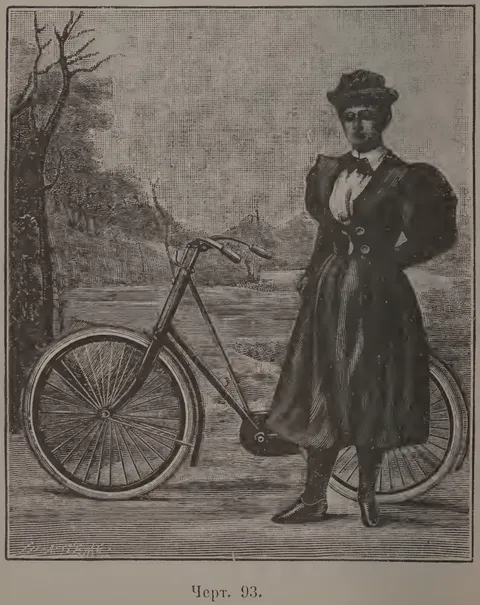
 Чeрт. 93. Дамский велосипед № 2
Diagrams 90
 (opens in a new tab)
 Черт. 1. Ось переднего колеса. 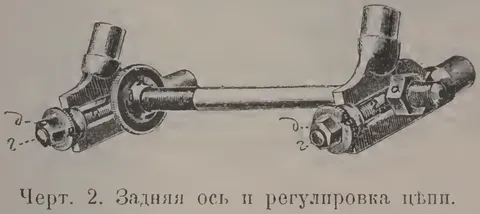 (opens in a new tab)
 Черт. 2. Задняя ось и регулировка щи. 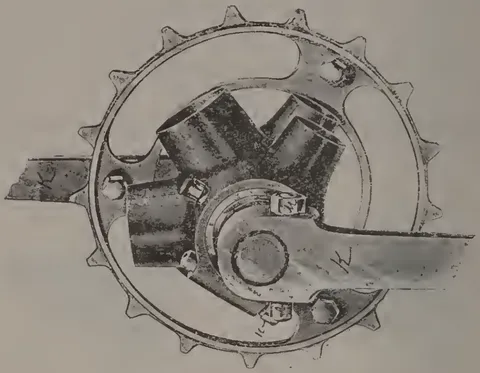 (opens in a new tab)
 Черт. 3. Средняя втулка и закрыление шатунов. 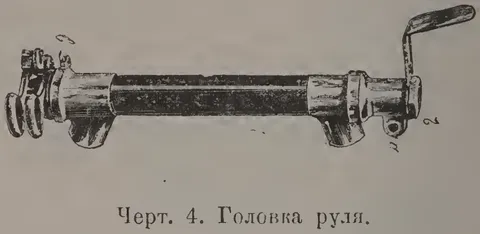 (opens in a new tab)
 Черт. 4. Головка руля. 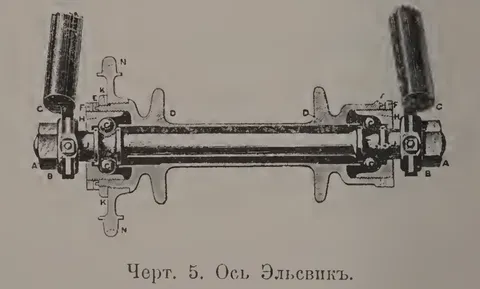 (opens in a new tab)
 Черт. 5. Ось Эльсвинк. 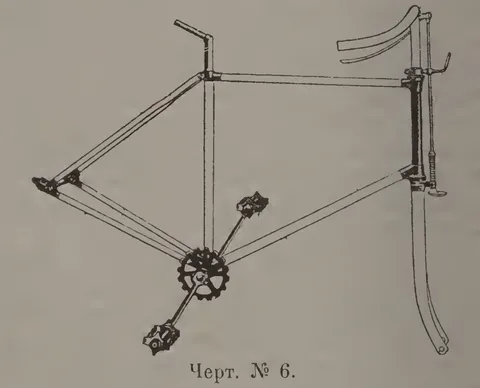 (opens in a new tab)
 Черт. № 6. 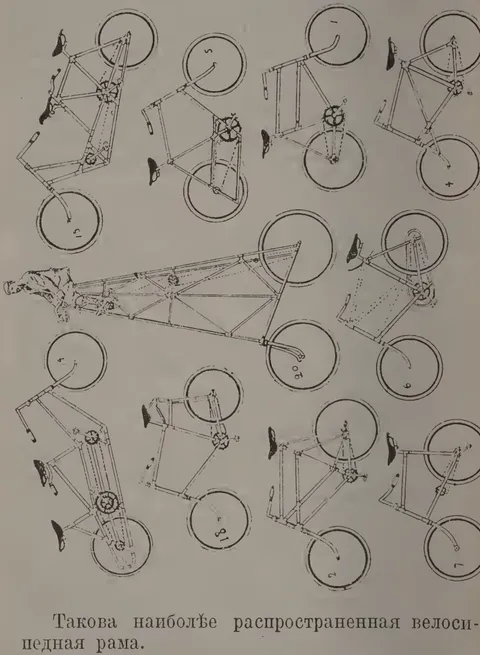 (opens in a new tab)
 Различные вилы велосипедов 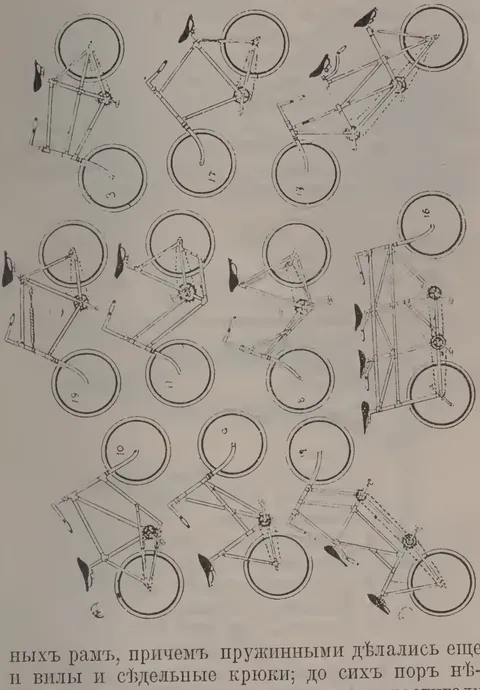 (opens in a new tab)
 Продолжение рам велосипедов 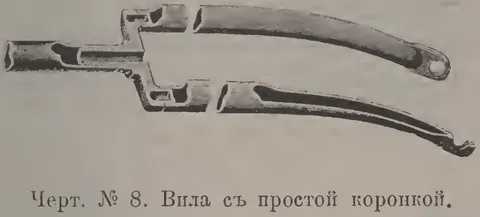 (opens in a new tab)
 Черт. № 8. Вила с простой коронкой. 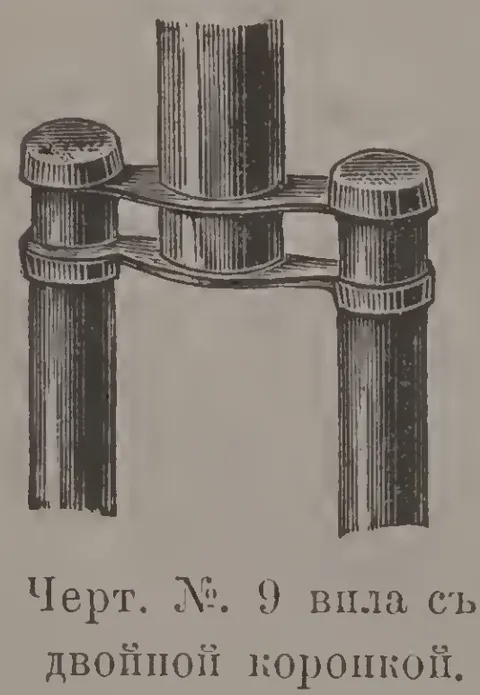 (opens in a new tab)
 Черт. № 9 вила с двойной коронкой. 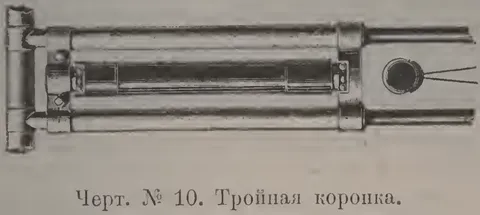 (opens in a new tab)
 Черт. № 10. Тройная коронка. 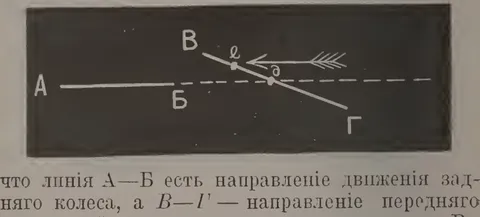 (opens in a new tab)
 Диаграмма направления колеса 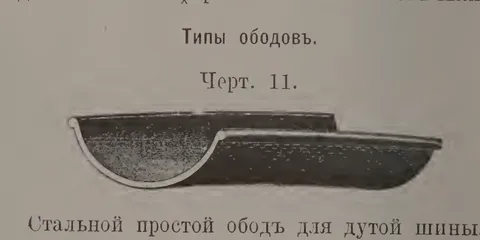 (opens in a new tab)
 Черт. 11.  (opens in a new tab)
 Черт. 12. 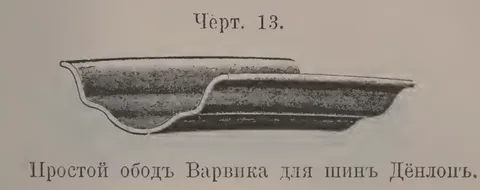 (opens in a new tab)
 Черт. 13. 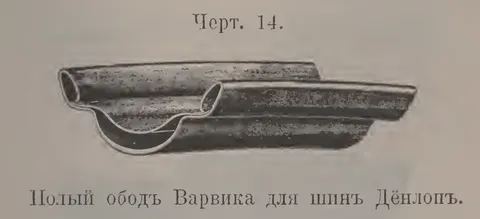 (opens in a new tab)
 Черт. 14. 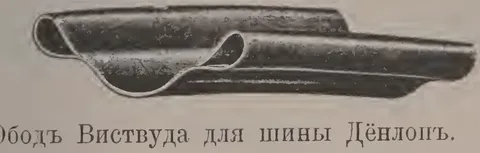 (opens in a new tab)
 Черт. 15. 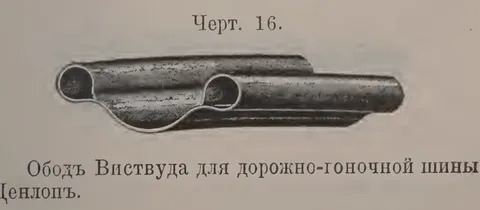 (opens in a new tab)
 Черт. 16. 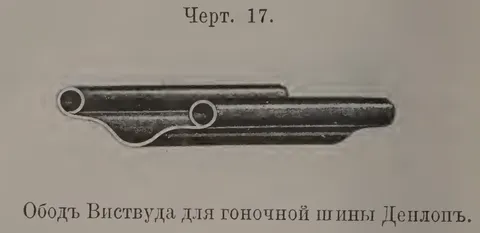 (opens in a new tab)
 Черт. 17. 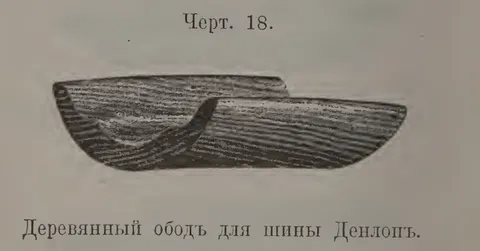 (opens in a new tab)
 Черт. 18. 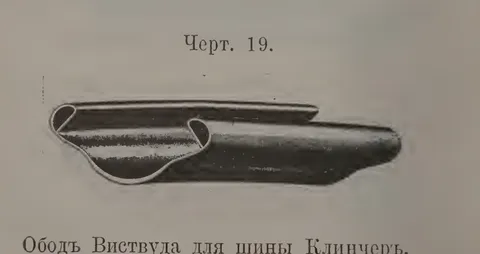 (opens in a new tab)
 Черт. 19. 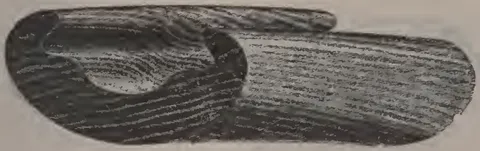 (opens in a new tab)
 Черт. 20. 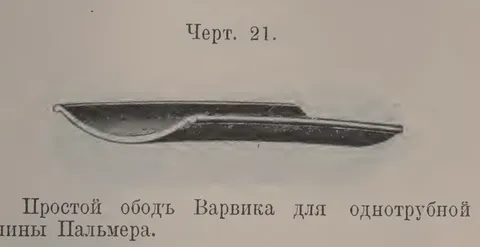 (opens in a new tab)
 Черт. 21. 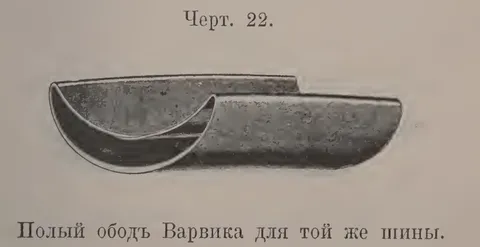 (opens in a new tab)
 Черт. 22. 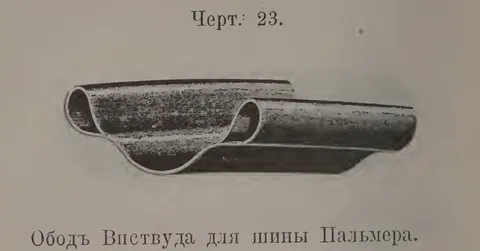 (opens in a new tab)
 Черт. 23. 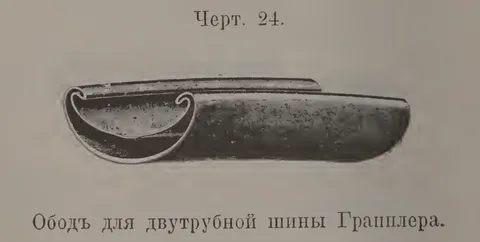 (opens in a new tab)
 Черт. 24. 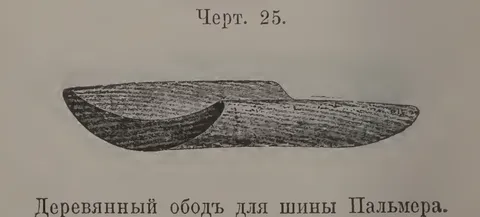 (opens in a new tab)
 Черт. 25. 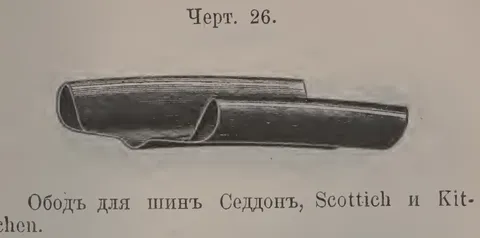 (opens in a new tab)
 Черт. 26. 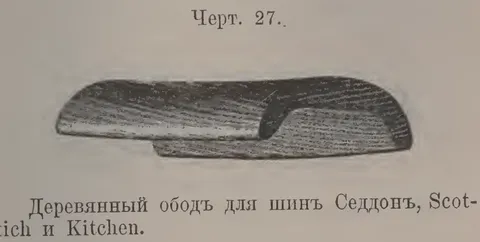 (opens in a new tab)
 Черт. 27. 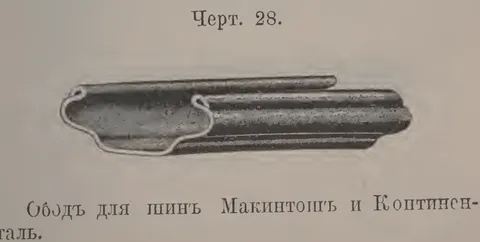 (opens in a new tab)
 Черт. 28. 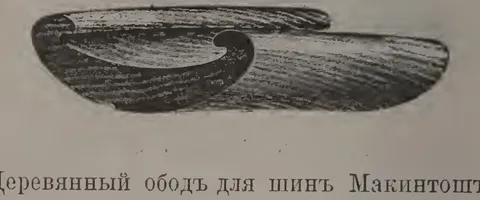 (opens in a new tab)
 Черт. 29. 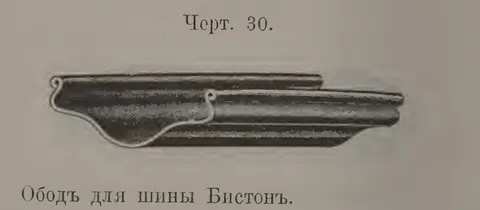 (opens in a new tab)
 Черт. 30. 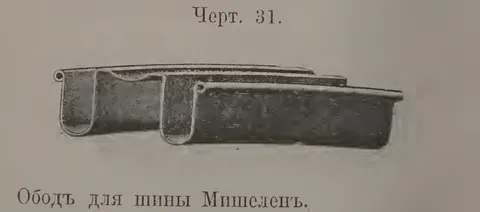 (opens in a new tab)
 Черт. 31. 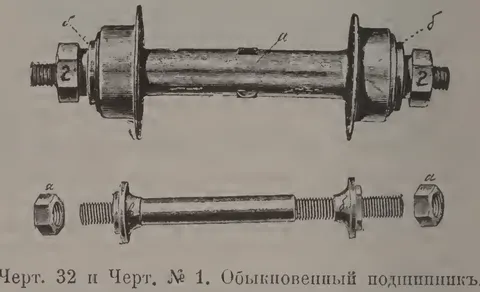 (opens in a new tab)
 Черт. 32 и Черт. № 1. Обыкновенный подшипник. - (opens in a new tab)
Черт. 5. Ось Эльсвинк. 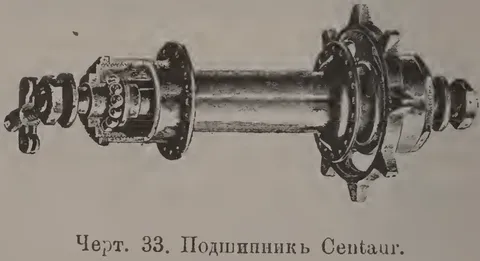 (opens in a new tab)
 Черт. 33. Подшипник Centaur. 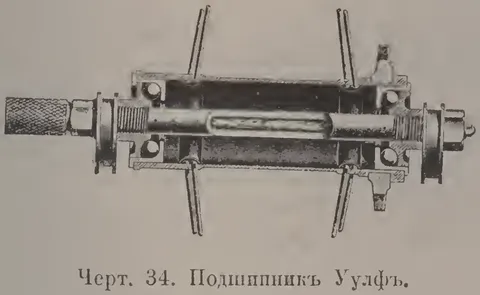 (opens in a new tab)
 Черт. 34. Подшипник Уульф. 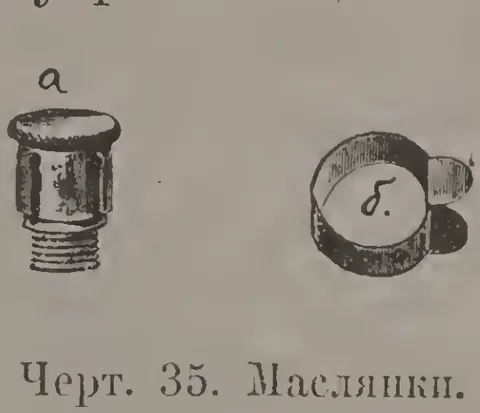 (opens in a new tab)
 Черт. 35. Маслянки. 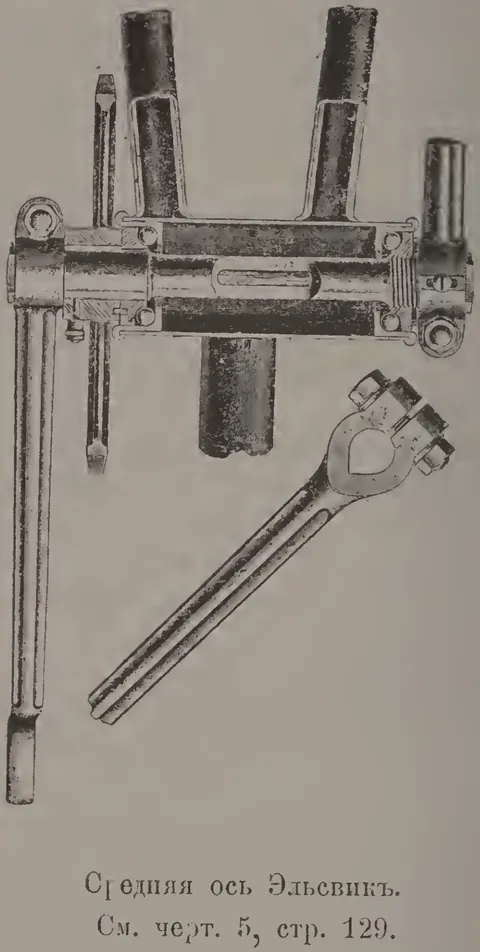 (opens in a new tab)
 Черт. 36. Средняя ось Уульф 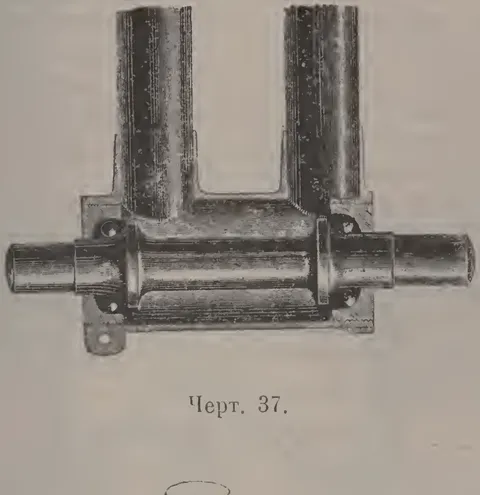 (opens in a new tab)
 Черт. 37. 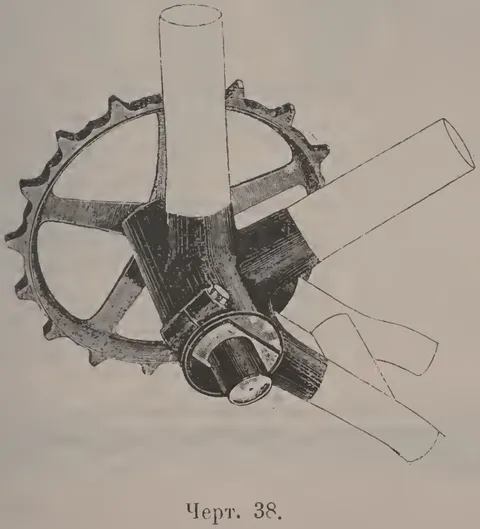 (opens in a new tab)
 Черт. 38. 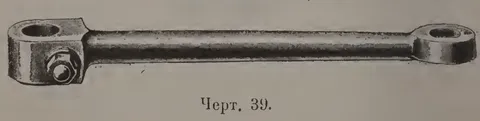 (opens in a new tab)
 Черт. 39. 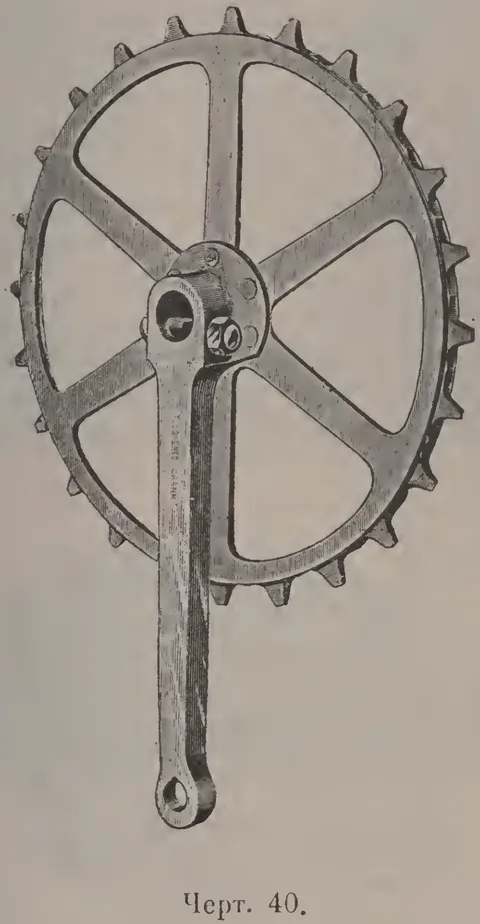 (opens in a new tab)
 Черт. 40. 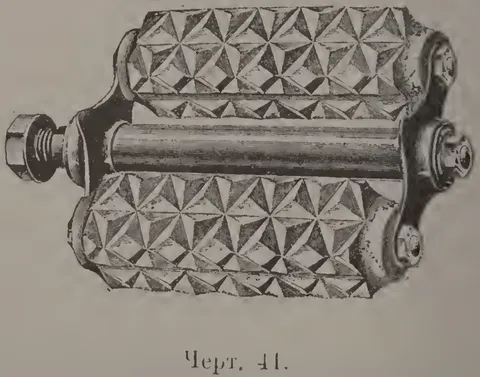 (opens in a new tab)
 Черт. 41. 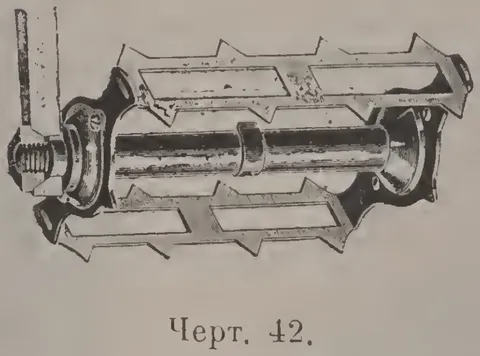 (opens in a new tab)
 Черт. 42. 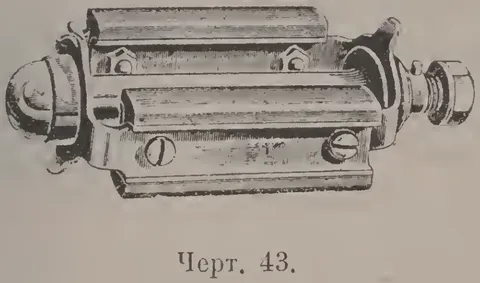 (opens in a new tab)
 Черт. 43. 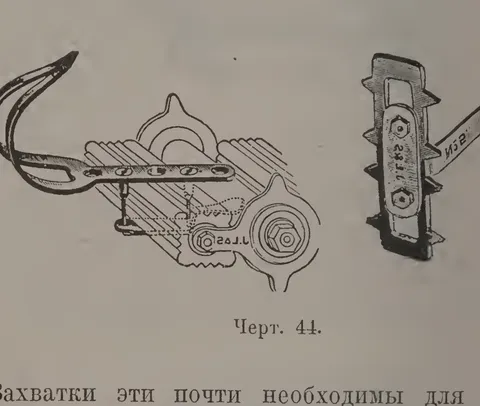 (opens in a new tab)
 Черт. 44. 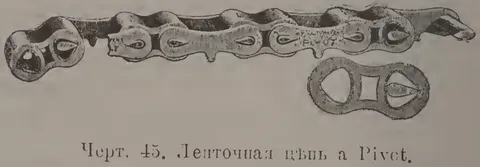 (opens in a new tab)
 Чeрт. 45. Лeнточная цeнь a Pivet. 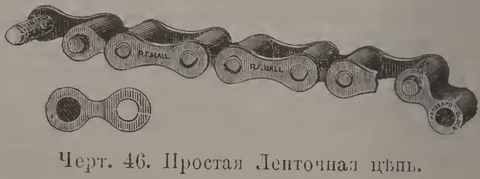 (opens in a new tab)
 Чeрт. 46. Простая Лeнточная цeнь. 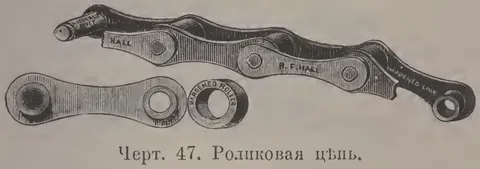 (opens in a new tab)
 Чeрт. 47. Роликовая цьпь. 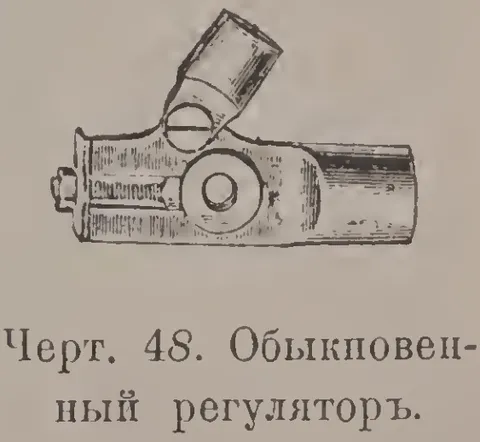 (opens in a new tab)
 Чeрт. 48. Обыкновенный регулятор. 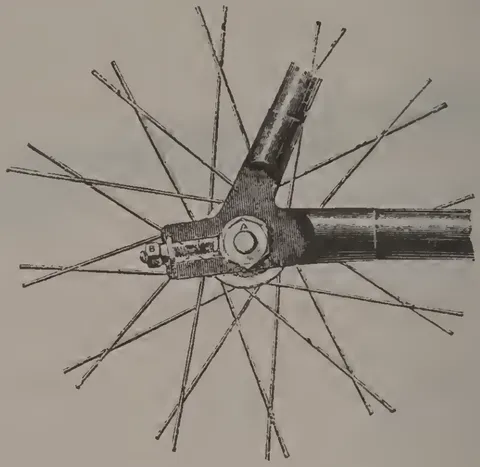 (opens in a new tab)
 Чeрт. 49. Регулятор Гумбeра и Referee. 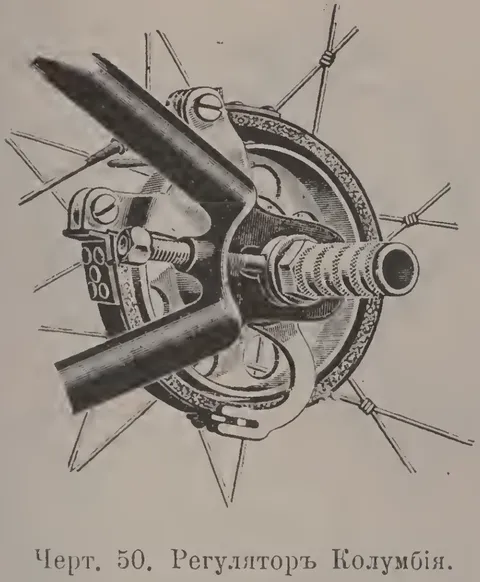 (opens in a new tab)
 Чeрт. 50. Регулятор Колумбия. 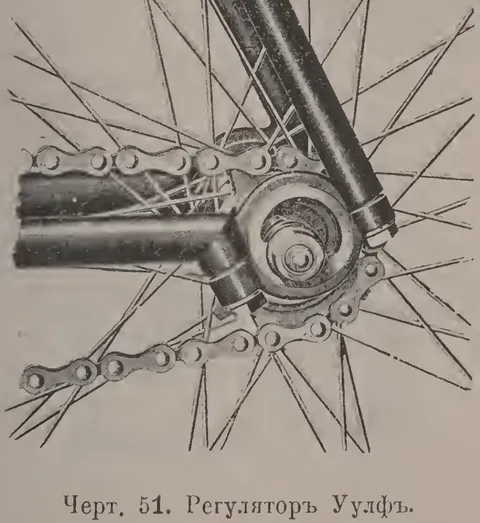 (opens in a new tab)
 Чeрт. 51. Регулятор Уулфь. 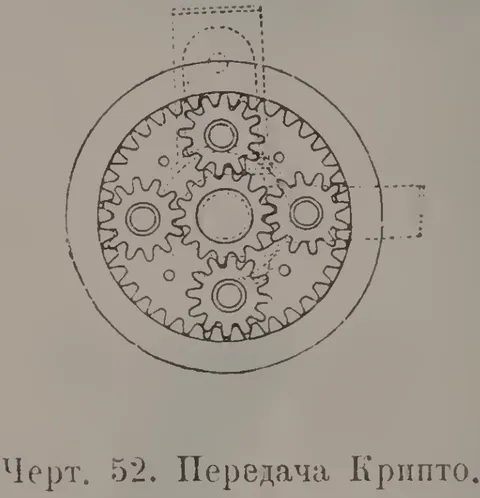 (opens in a new tab)
 Чeрт. 52. Передaча Крипто. 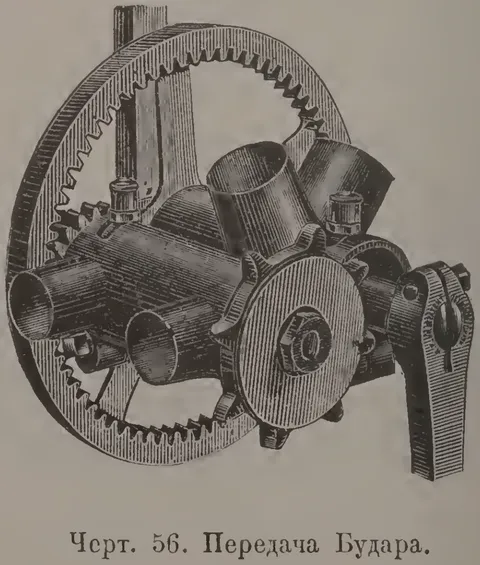 (opens in a new tab)
 Чeрт. 56. Передача Будара.  (opens in a new tab)
 Чeрт. 58. Тормaз Hall. 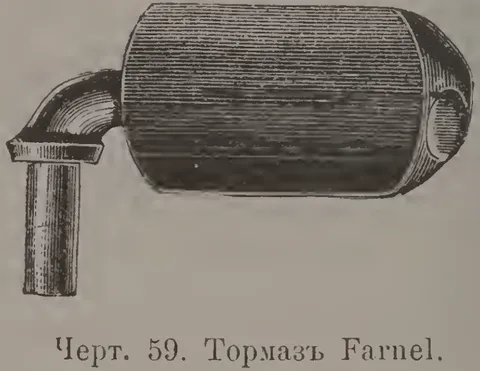 (opens in a new tab)
 Чeрт. 59. Тормaз Farnel. 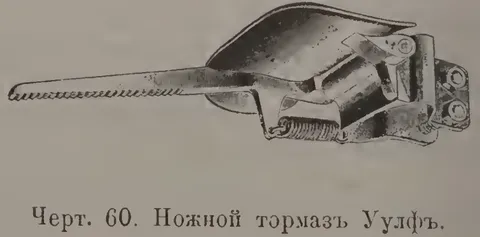 (opens in a new tab)
 Чeрт. 60. Ножной тормaзь Уулфь. 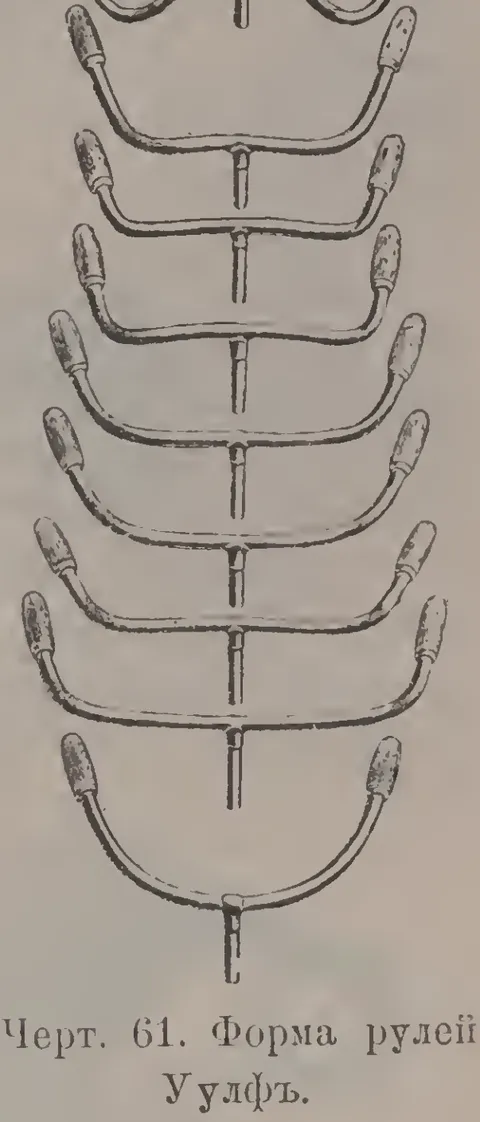 (opens in a new tab)
 Чeрт. 61. Форма рулей Уулфь. 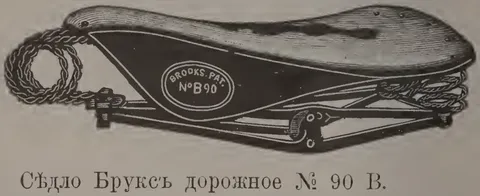 (opens in a new tab)
 Сёдло Бpyкc дорожное № 90 В. Чeрт. 62 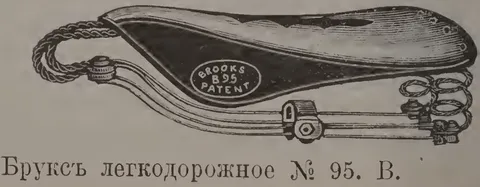 (opens in a new tab)
 Чeрт. 63 Бpyкc легкодорожное № 95. В. 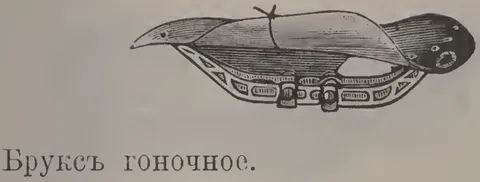 (opens in a new tab)
 Чeрт. 64. Бpyкc гоночное. 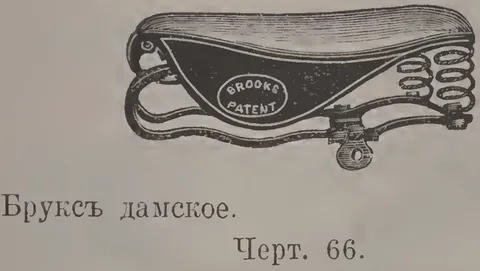 (opens in a new tab)
 Чeрт. 65. Бpyкc дамское. 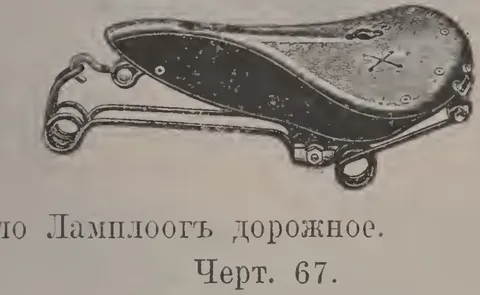 (opens in a new tab)
 Чeрт. 66. Сёдло Ламплооа дорожное. 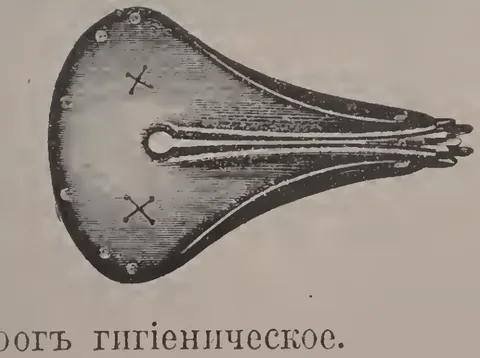 (opens in a new tab)
 Чeрт. 67. Ламплооа гигиеническое. 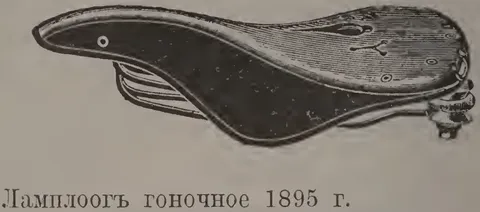 (opens in a new tab)
 Чeрт. 68. Ламплооа гоночное 1895 г. 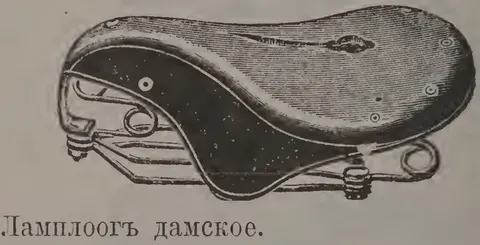 (opens in a new tab)
 Чeрт. 69. Ламплооа дамское. 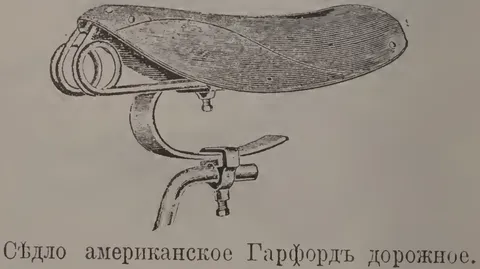 (opens in a new tab)
 Чeрт. 70. Сёдло американское Гарфордь дорожное. 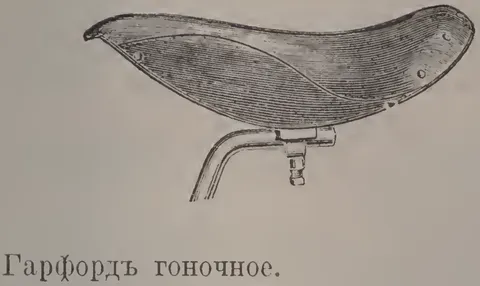 (opens in a new tab)
 Чeрт. 71 Гарфордь тоночное. 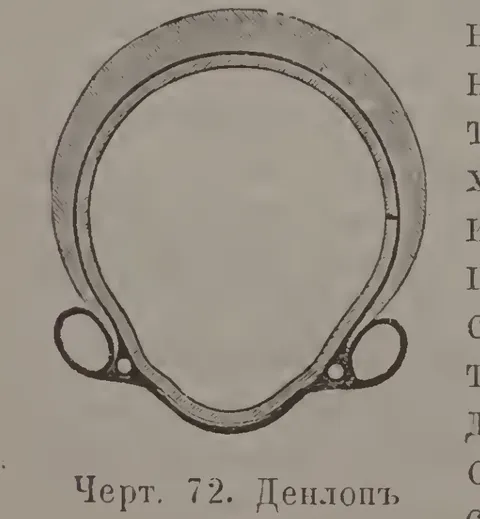 (opens in a new tab)
 Чeрт. 72. Денлоп глалкая. 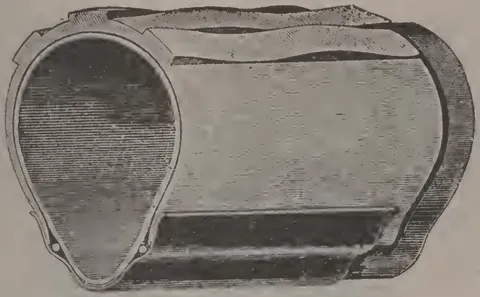 (opens in a new tab)
 Чeрт. 73. Денлоп Тельщь не скользящая. 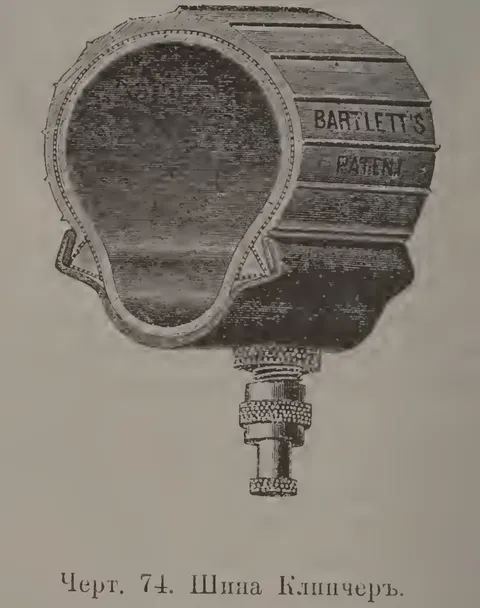 (opens in a new tab)
 Чeрт. 74. Шина Клинчеp. 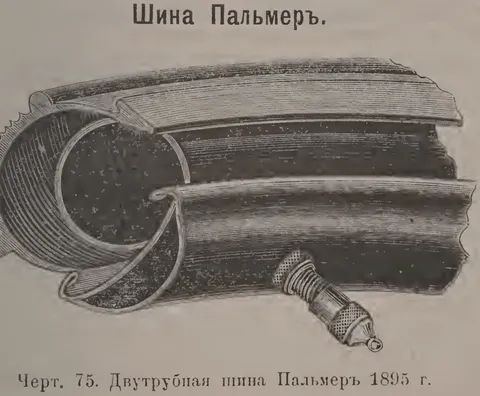 (opens in a new tab)
 Чeрт. 75. Двутрубная шина Палмеp 1895 г. 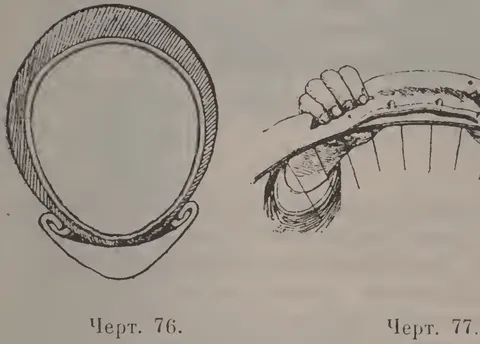 (opens in a new tab)
 Чeрт. 76. Шина Гpаплеp - профиль 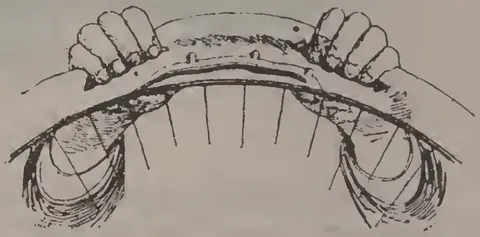 (opens in a new tab)
 Чeрт. 77. Шина Гpаплеp - вид сверху 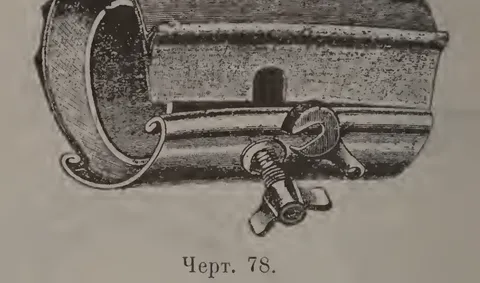 (opens in a new tab)
 Чeрт. 78. Передача Гормули и Джефери 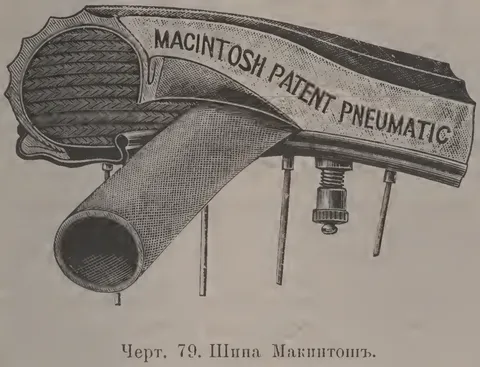 (opens in a new tab)
 Чeрт. 79. Шина Макинтош.  (opens in a new tab)
 Чeрт. 80. Шина Континталь. 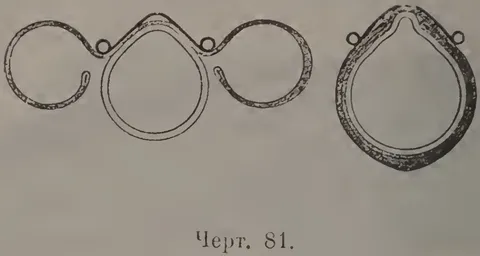 (opens in a new tab)
 Чeрт. 81. Шина Бистонь 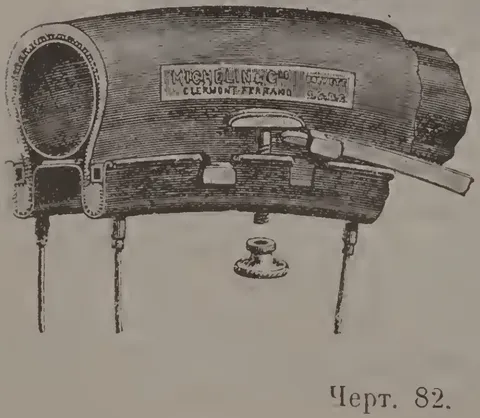 (opens in a new tab)
 Чeрт. 82. Шина Мишлен 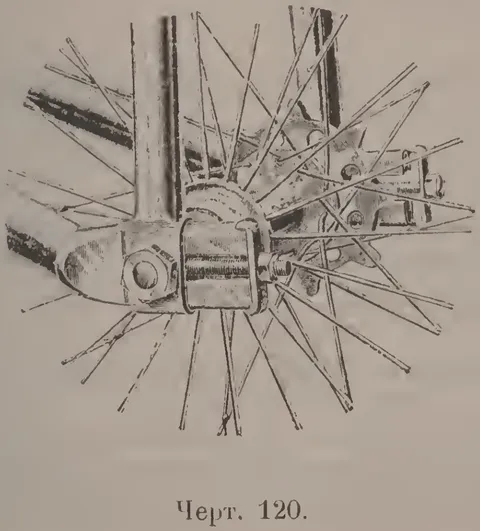 (opens in a new tab)
 Черт. 120.  (opens in a new tab)
 Черт. 122. 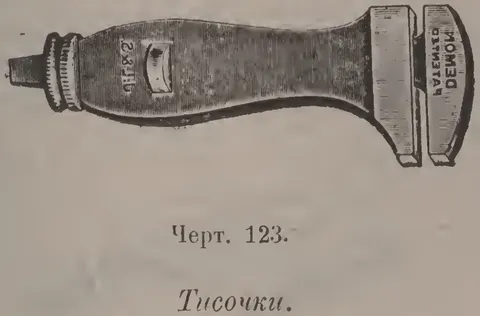 (opens in a new tab)
 Черт. 123. 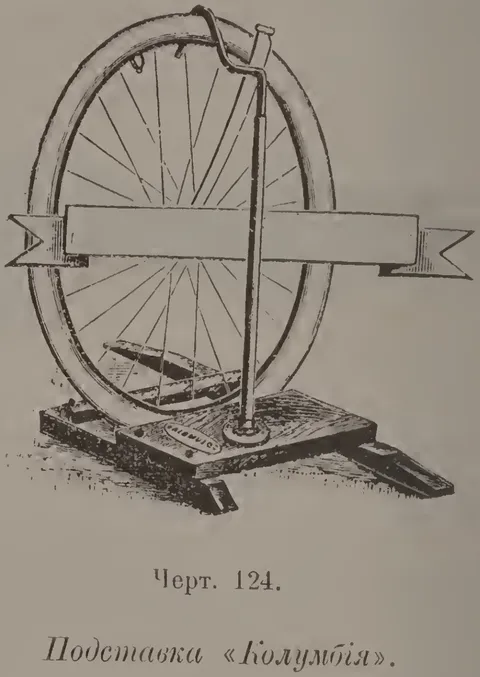 (opens in a new tab)
 Черт. 124. 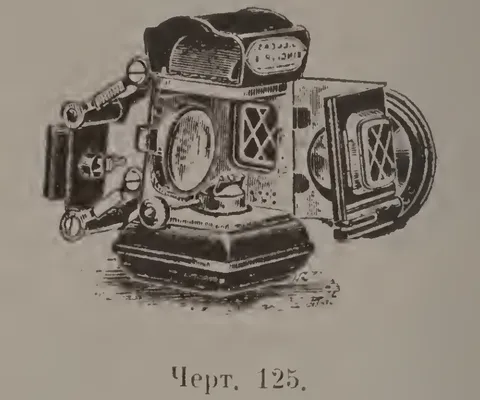 (opens in a new tab)
 Черт. 125. 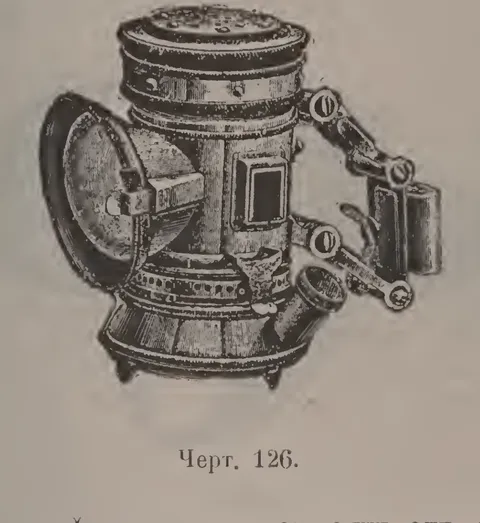 (opens in a new tab)
 Черт. 126. 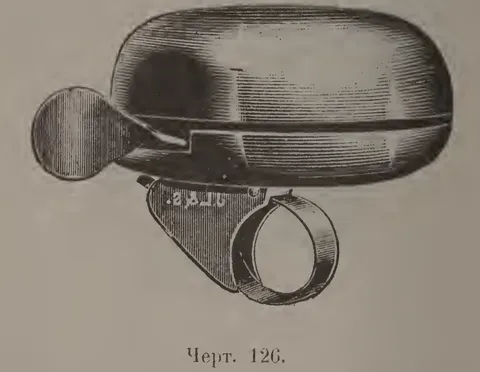 (opens in a new tab)
 Черт. 126. 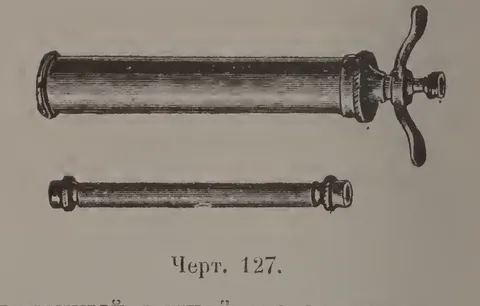 (opens in a new tab)
 Черт. 127. 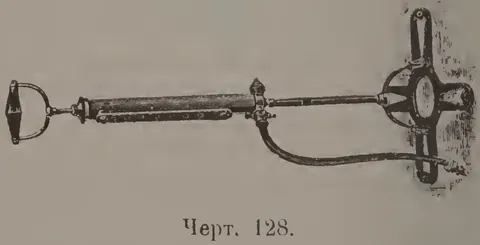 (opens in a new tab)
 Черт. 128.
Mastheads 1
 (opens in a new tab)
 Герб издателя
4 advertisements
 (opens in a new tab)
 ПРЕДСТАВИТЕЛИ  (opens in a new tab)
 Новейший план города С.-Петербурга.  (opens in a new tab)
 Электричество, его источники и применения в промышленности.  (opens in a new tab)
 Book about Horses advertisement