The Environs of London 1897
By R. W. Chetwynd and C. W. Brown and W. S. Holding and J. W. Gilbart-Smith189726 chapters86 images
Cite this book
Citation
R. W. Chetwynd and C. W. Brown and W. S. Holding and J. W. Gilbart-Smith. The Environs of London 1897. 1897. cyclearchive.com, https://cyclearchive.com/books/the-environs-of-london-1897/
Page numbers are pages of the PDF, which can differ from the numbers printed on the page.
Contents
- The unnamed editor thanks the people behind the Handbook, singling out route-writers C. W. Brown and W. S. Holding, the Burbidge family and accountant Mr. Naughton of Harrod's Stores for backing the venture, printers Tillotson & Son for advice on the maps, and aristocratic patrons including the Duchess of Albany and the Archbishop of Canterbury who lent photographs of their estates for illustration.
- A prefatory essay, signed J. W. Gilbart-Smith, in praise of cycling's moral and social benefits, democratising travel for rich and poor, teaching self-reliance, and opening the English countryside to city-dwellers, closing with an original sonnet on spring and hope.
- The Handbook's opening route follows the old pilgrims' road via Deptford, Blackheath, Dartford, Rochester and Chatham to Canterbury, taking in the history of Lambeth Palace, the ruined nunnery at Dartford, Rochester Castle and Cathedral, and Becket's shrine at Canterbury Cathedral.
- Extends the Canterbury route on to the Kent coast via Littlebourne, Wingham, Sandwich, Sholden and Deal, describing Walmer Castle (built by Henry VIII as coastal defence), the room where Pitt and Nelson met, and the room in which Wellington died.
- Describes the direct road to Maidstone via Farningham, Wrotham, Riverhead, Seal and Ightham, starting from London Bridge and the Old Kent Road, with notes on New Cross Gate and Maidstone's Perpendicular-style parish church of All Saints.
- Traces the old road toward Rye via Lewisham, Sevenoaks and Tonbridge, a hilly route with a digression on the dissolution-era pensions paid to Kentish abbots and priors along the way.
- A wry account of the road through Godstone and East Grinstead to Lewes, followed by the town's Norman castle, the ruins of St. Pancras Priory, and the 1264 Battle of Lewes between Simon de Montfort and Henry III.
- Covers one of the old coaching roads toward Brighton as far as Reigate via Sutton, describing it as the prettiest of the routes converging on the Sussex coast.
- Follows the Brighton Road from Westminster Bridge through Kennington, Brixton, Streatham and Croydon toward Crawley, with an aside on Beerbohm Tree's new Her Majesty's Theatre at the Haymarket.
- Runs via Clapham, Tooting, Merton and Epsom (with a digression debunking the supposed origin of Epsom salts) toward Dorking and Horsham, noted for its poultry breeding and fossil-bearing stone quarries.
- Describes the popular Ripley Road via Esher to Kingston and on to Guildford on the River Wey, noting the town's royal and Onslow-family history.
- Takes in Hammersmith and Kew on the way to Hampton Court, dwelling on Cardinal Wolsey's palace and its collection of paintings.
- Gives alternative roads to Bagshot via Weybridge, Addlestone, Ottershaw, Chobham and Windlesham, with notes on Bagshot's former royal residence and the geological Bagshot Beds.
- The Great Western road out of Hyde Park Corner via Slough, Maidenhead, Henley-on-Thames and Dorchester to the university city of Oxford.
- Follows the Wendover road as far as Tattling End before branching via Beaconsfield (Edmund Burke's burial place) and Hughenden (where the Earl of Beaconsfield, Disraeli, is buried) to High Wycombe.
- Starts from Marble Arch through Notting Hill and Shepherd's Bush toward Denham and Chalfont St. Giles, continuing on to Amersham and Wendover in the Chilterns.
- Runs from Piccadilly and the Edgware Road through Watford and Berkhamsted to Tring, passing Great Missenden and Wendover, with a local legend about the founding of Wendover's church.
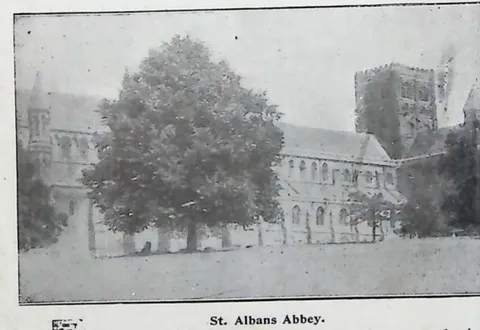
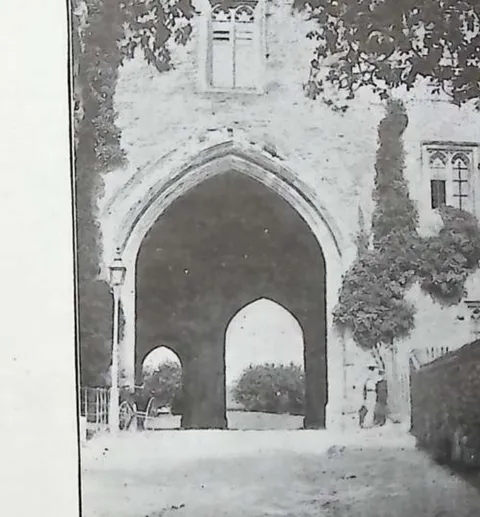
- Describes two roads to St. Albans, via Barnet or via Edgware and Elstree, continuing on to Dunstable, with notes on Edgware's Canons Park estate.
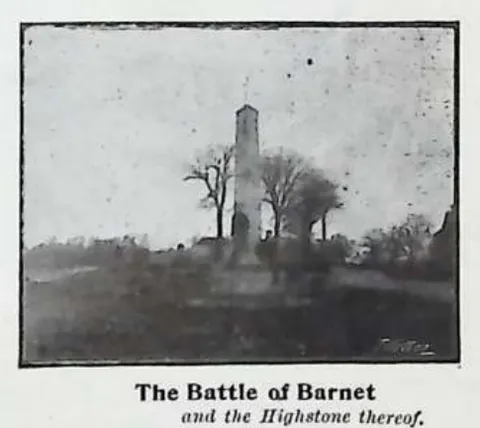
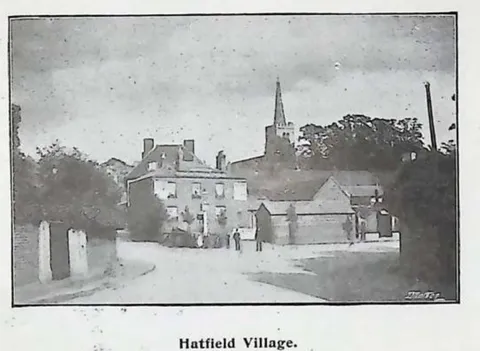
- Covers the old northern high road from Smithfield through Highgate and Barnet toward Hatfield and on to Hitchin, recounting the tradition of the Highgate 'swearing on the horns'.
- Follows the road through Tottenham, Edmonton and Waltham Cross (with a detour to Waltham Abbey and Harold's Bridge) to the county town of Hertford, noting Alfred the Great's castle there.
- A short thirteen-mile suburban route via Whitechapel, Clapton, Leytonstone and Chingford to Waltham Abbey, traditional burial place of King Harold after Hastings.
- The alternative, more scenic route to Chelmsford via Leytonstone, Woodford and Epping Forest, taking in Copt Hall and Greenstead's chestnut-walled church before Chipping Ongar, birthplace of Jane Taylor.
- Continues from Writtle into Essex via Chelmsford, Witham and Kelvedon to Colchester, discussed as England's most ancient recorded town.
- An essay by Rosamunde von Oelrichs, author of 'A Woman on Wheels', on cycling for women, covering suitable dress, corsets and skirts, choice of a reliable machine (recommending Rudge-Whitworth and the Nelson), and a table of gear ratios.
- A buyer's-guide chapter running alphabetically through cycle fittings, bells, brakes, lamps, luggage carriers, mudguards, saddles (praising the Brooks), tyre levers, cyclometers and cycling clothing, naming specific makes and prices.
- A condensed mileage-and-landmark digest recapping the book's routes (Canterbury, Maidstone, Tunbridge Wells, Cambridge, Lewes, Reigate, Horsham, Kingston and Guildford, Hampton Court, Bagshot, Oxford, High Wycombe, Amersham, St. Albans and Dunstable, Hatfield and Hitchin, Hertford, and Chelmsford and Colchester) in tabular form, giving cumulative mileage, inns and points of interest stage by stage.
Images in this book 86 pictures from 199 pages
Illustrations 6
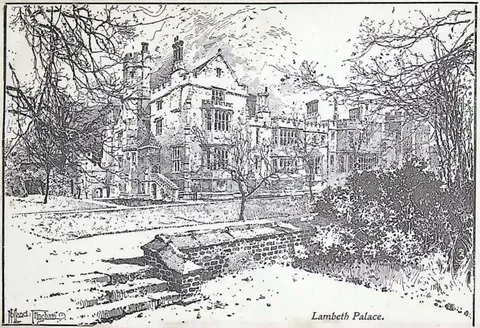 , Illustration, page 23 (opens in a new tab)
 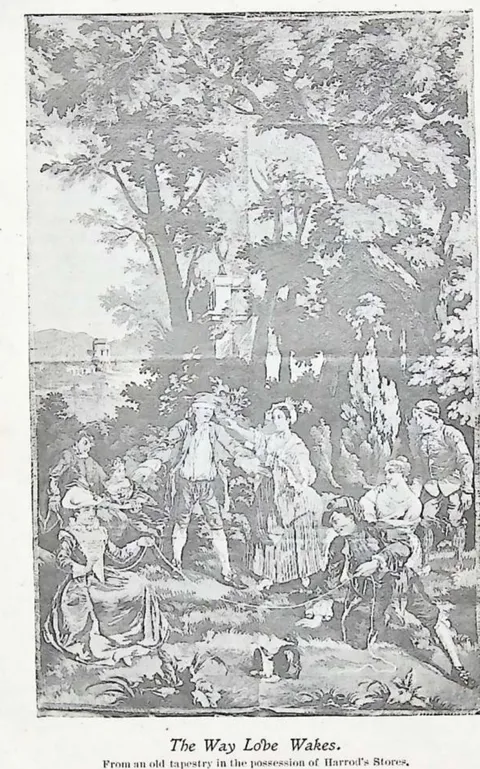 , Illustration, page 71 (opens in a new tab)
  , Illustration, page 72 (opens in a new tab)
 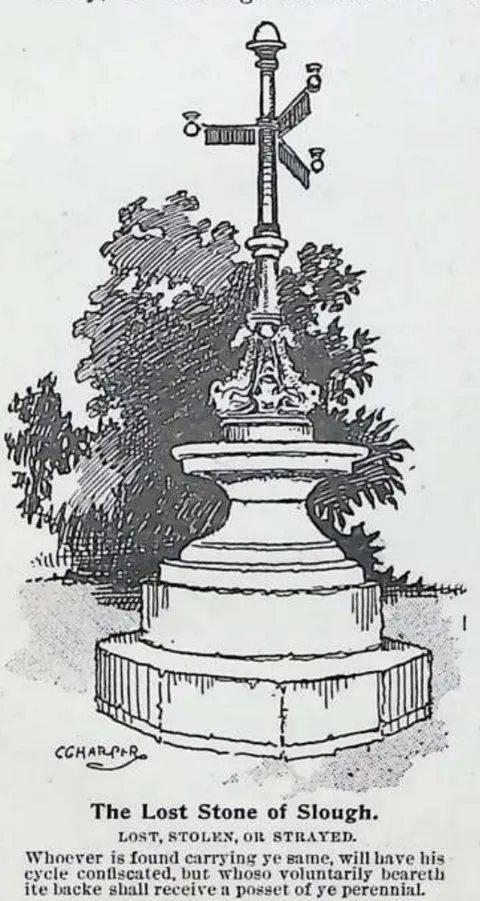 , Illustration, page 90 (opens in a new tab)
 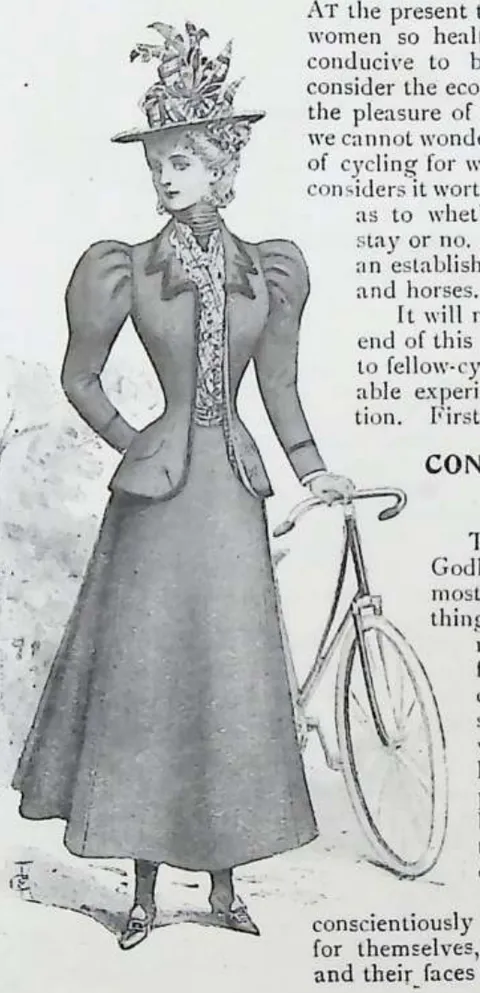 , Illustration, page 146 (opens in a new tab)
  , Illustration, page 152 (opens in a new tab)
Photographs 29
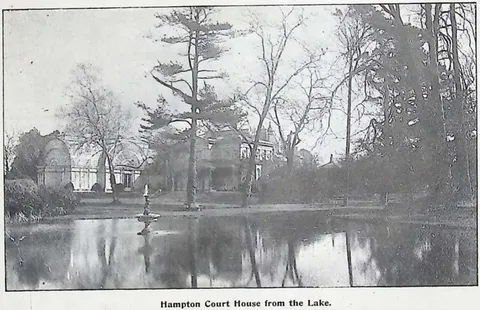 , Photograph, page 6 (opens in a new tab)
 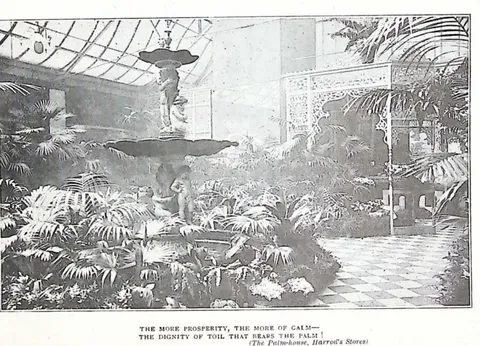 , Photograph, page 28 (opens in a new tab)
 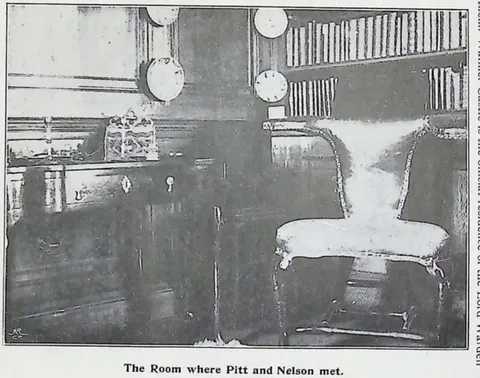 , Photograph, page 33 (opens in a new tab)
 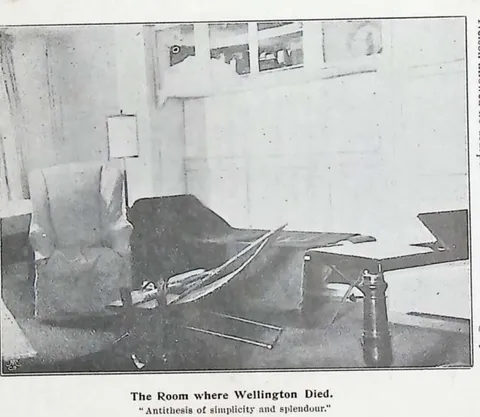 , Photograph, page 34 (opens in a new tab)
 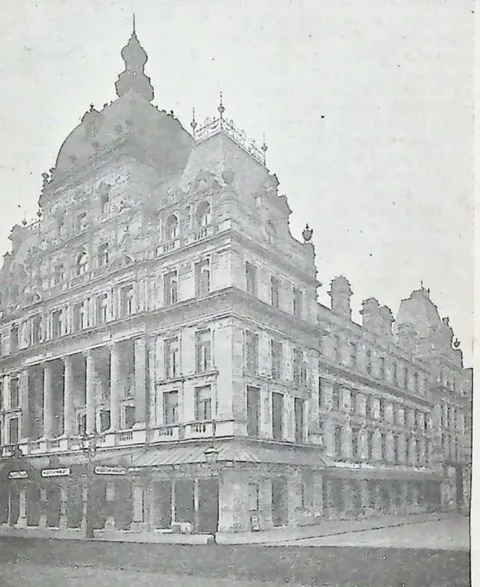 , Photograph, page 58 (opens in a new tab)
 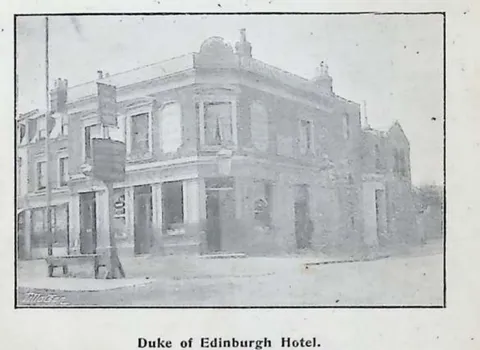 , Photograph, page 63 (opens in a new tab)
 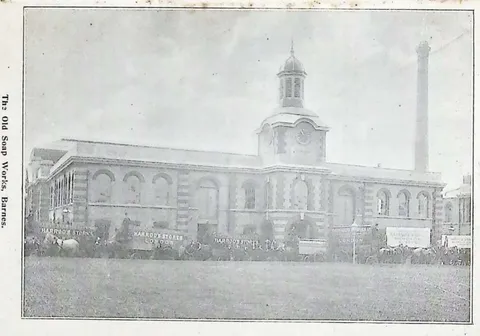 , Photograph, page 68 (opens in a new tab)
 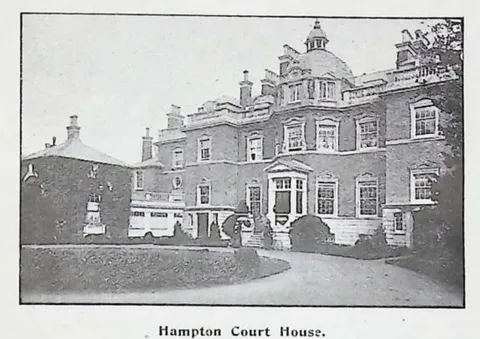 , Photograph, page 80 (opens in a new tab)
 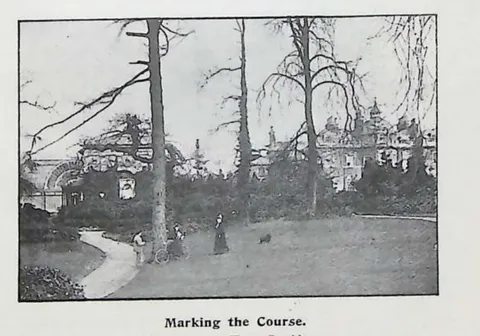 , Photograph, page 81 (opens in a new tab)
 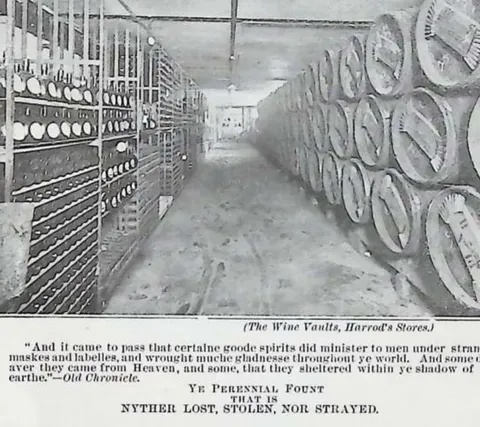 , Photograph, page 91 (opens in a new tab)
 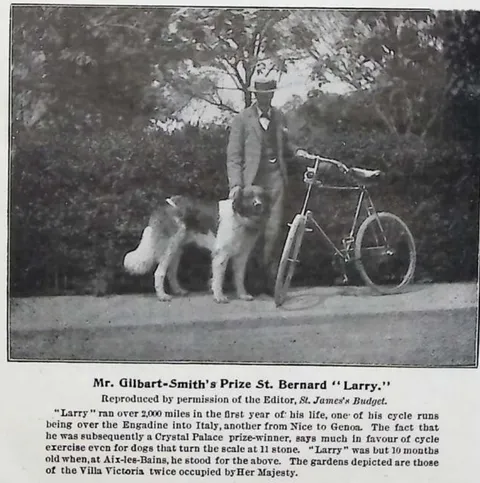 , Photograph, page 95 (opens in a new tab)
 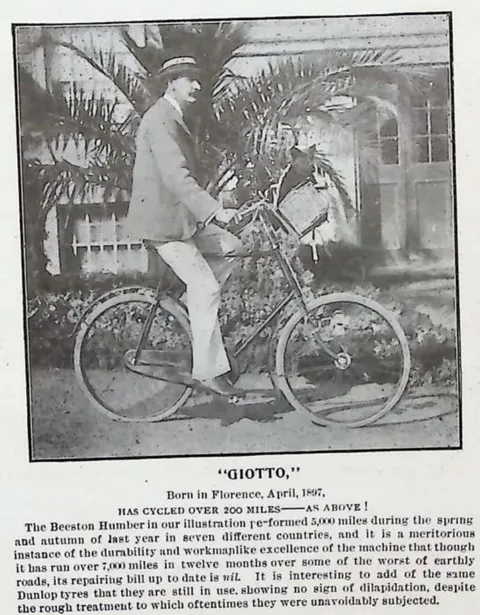 , Photograph, page 96 (opens in a new tab)
 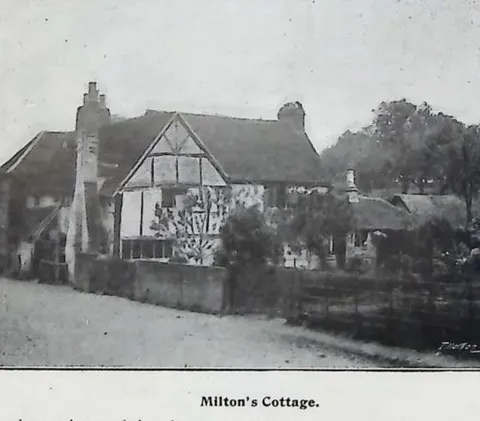 , Photograph, page 102 (opens in a new tab)
 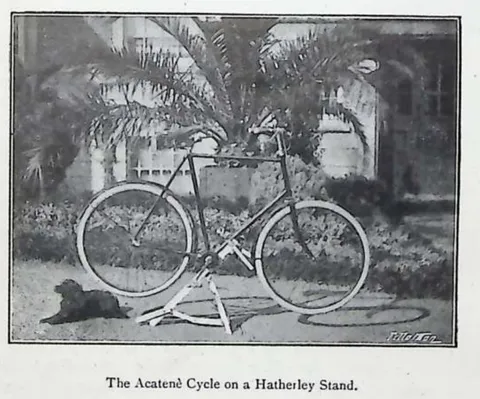 , Photograph, page 104 (opens in a new tab)
 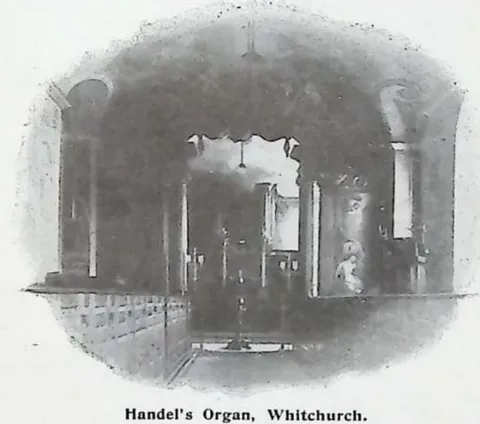 , Photograph, page 107 (opens in a new tab)
  , Photograph, page 109 (opens in a new tab)
 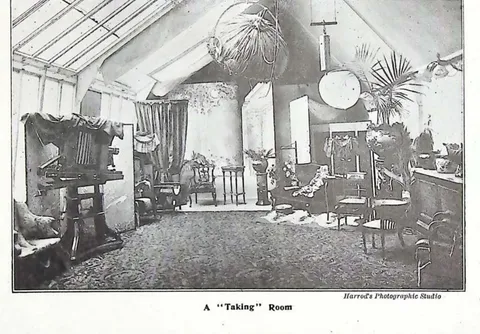 , Photograph, page 112 (opens in a new tab)
 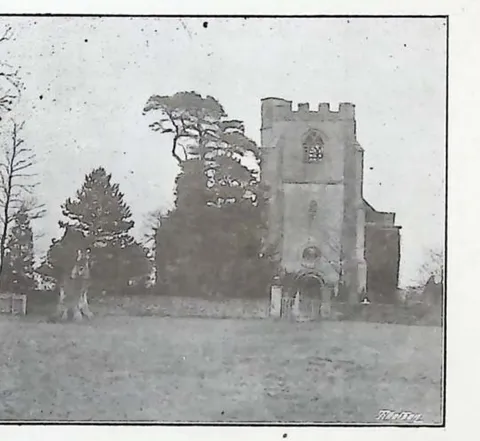 , Photograph, page 114 (opens in a new tab)
 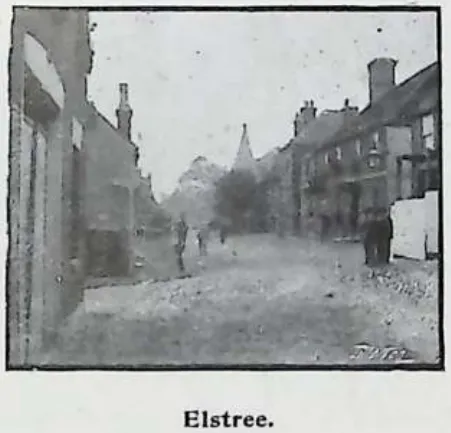 , Photograph, page 115 (opens in a new tab)
 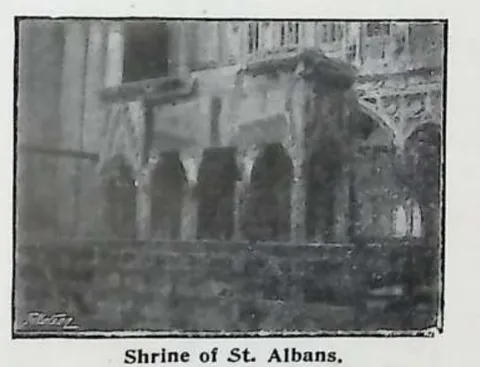 , Photograph, page 116 (opens in a new tab)
 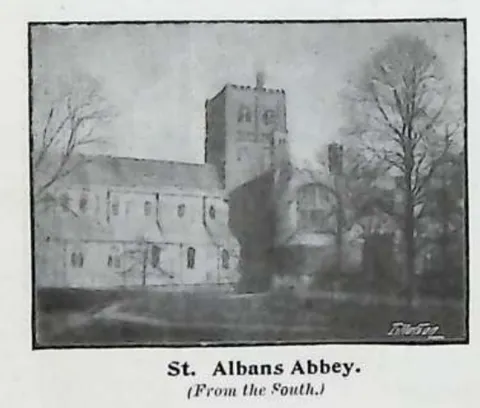 , Photograph, page 117 (opens in a new tab)
  , Photograph, page 119 (opens in a new tab)
  , Photograph, page 122 (opens in a new tab)
  , Photograph, page 125 (opens in a new tab)
  , Photograph, page 126 (opens in a new tab)
 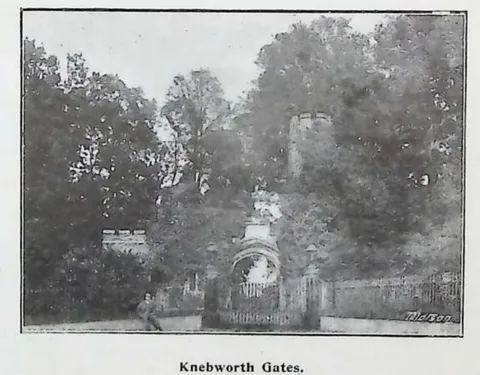 , Photograph, page 129 (opens in a new tab)
 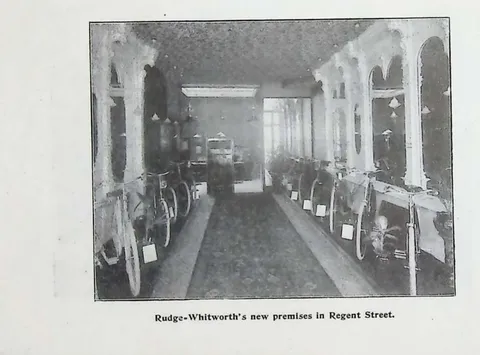 , Photograph, page 144 (opens in a new tab)
 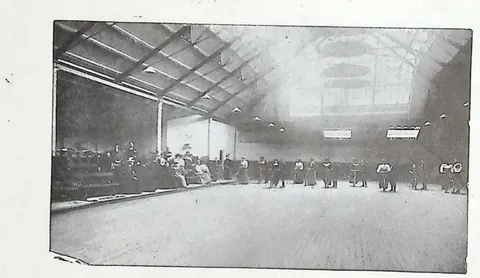 , Photograph, page 145 (opens in a new tab)
 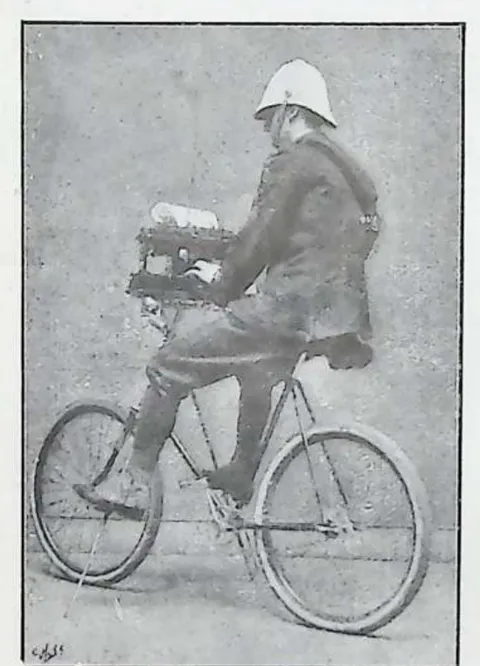 , Photograph, page 157 (opens in a new tab)
Maps 15
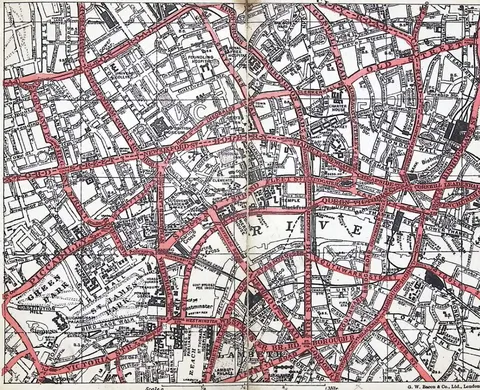 , Map, page 11 (opens in a new tab)
 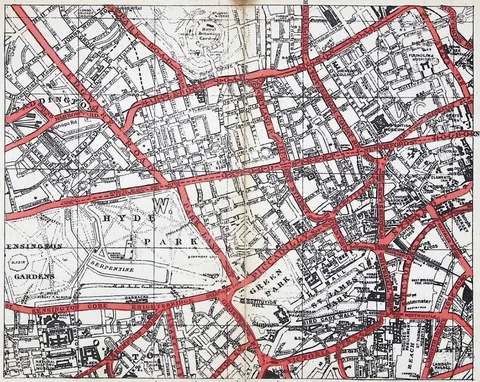 , Map, page 16 (opens in a new tab)
 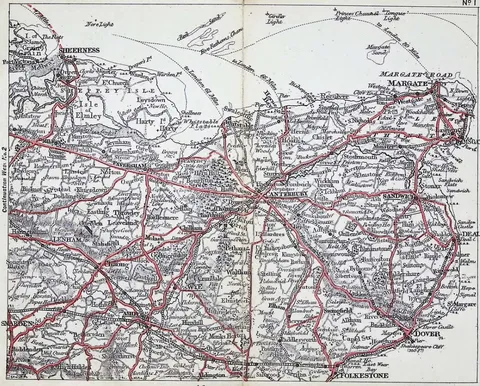 , Map, page 21 (opens in a new tab)
 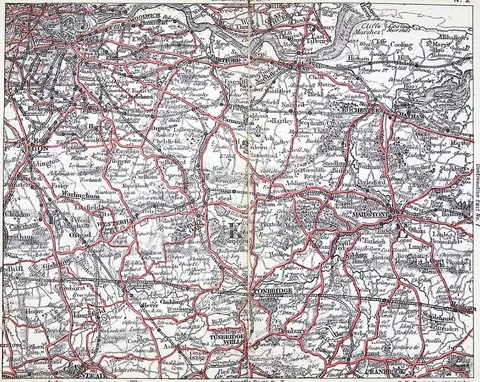 , Map, page 36 (opens in a new tab)
 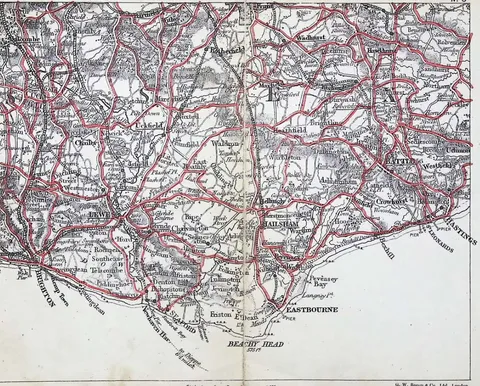 , Map, page 49 (opens in a new tab)
 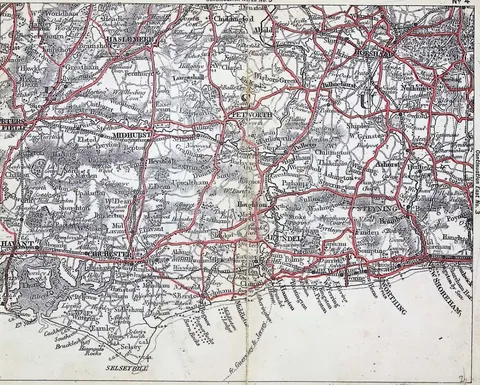 , Map, page 62 (opens in a new tab)
 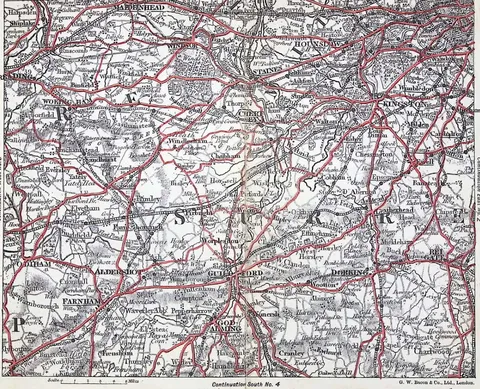 , Map, page 67 (opens in a new tab)
 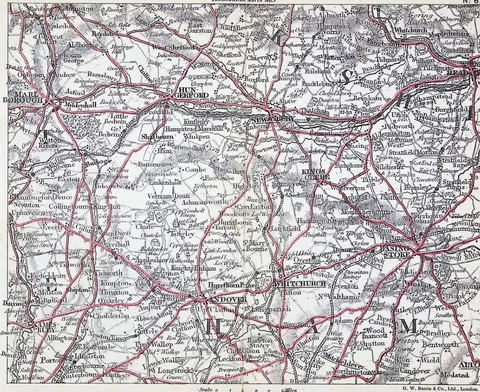 , Map, page 74 (opens in a new tab)
 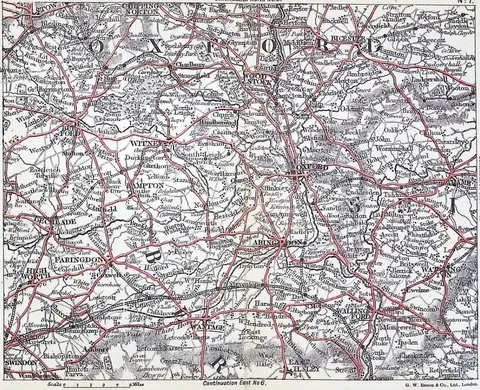 , Map, page 89 (opens in a new tab)
 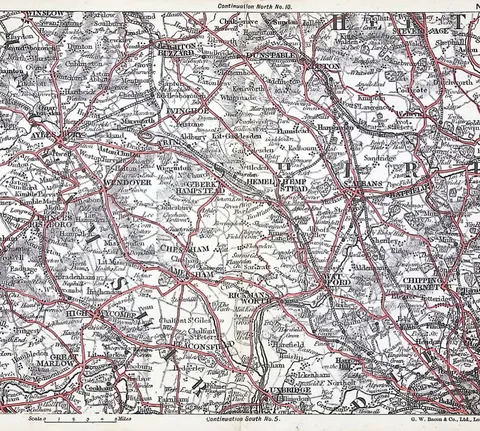 , Map, page 98 (opens in a new tab)
 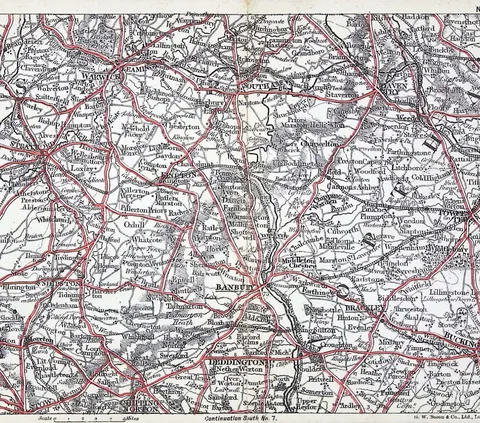 , Map, page 105 (opens in a new tab)
 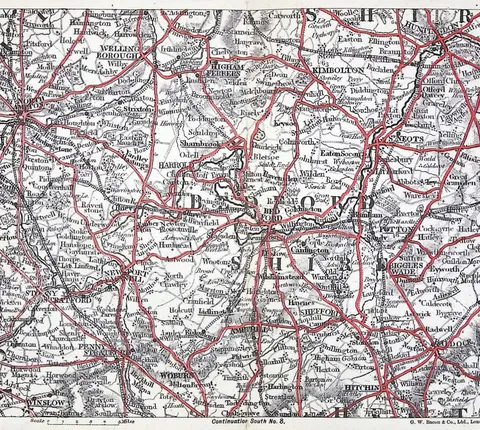 , Map, page 120 (opens in a new tab)
 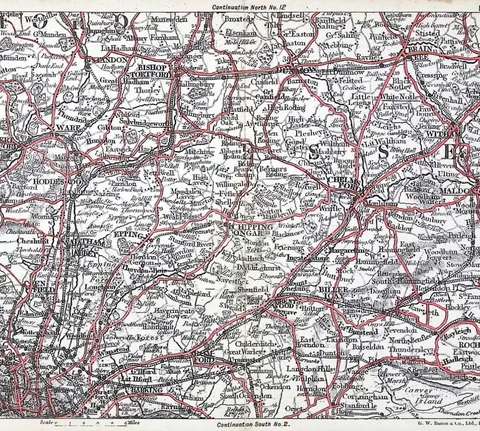 , Map, page 133 (opens in a new tab)
 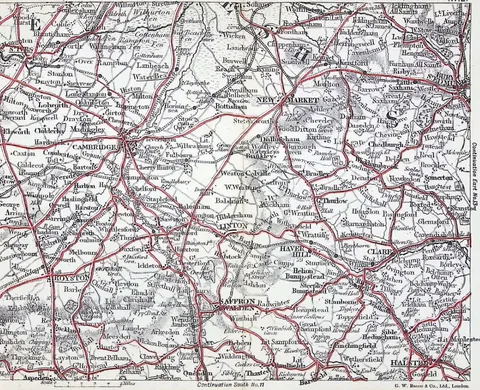 , Map, page 160 (opens in a new tab)
 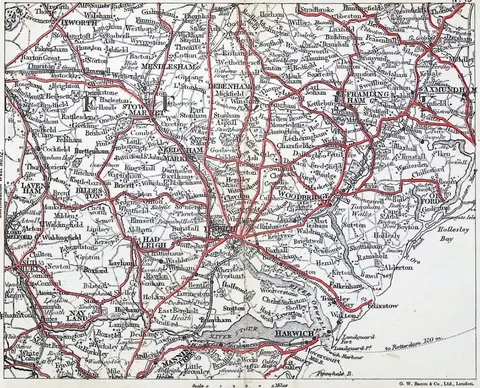 , Map, page 171 (opens in a new tab)
Mastheads 1
35 advertisements
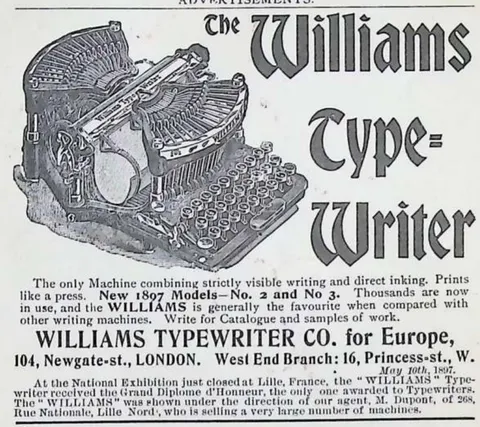 , Advertisement, page 172 (opens in a new tab)
  , Advertisement, page 172 (opens in a new tab)
 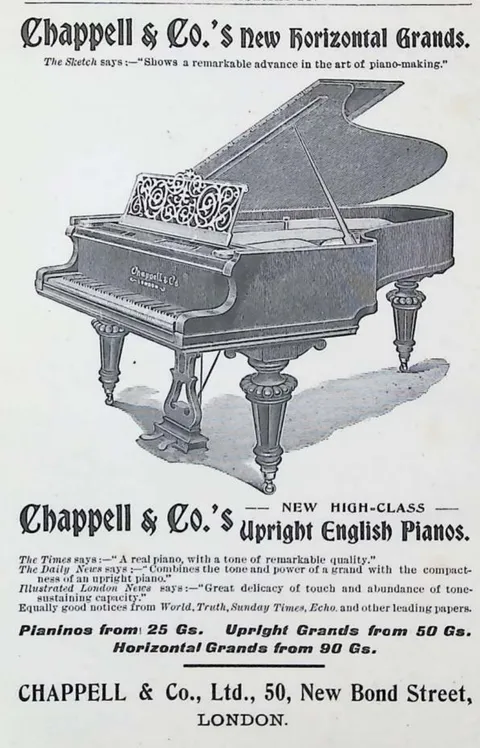 , Advertisement, page 172 (opens in a new tab)
  , Advertisement, page 173 (opens in a new tab)
  , Advertisement, page 174 (opens in a new tab)
  , Advertisement, page 175 (opens in a new tab)
 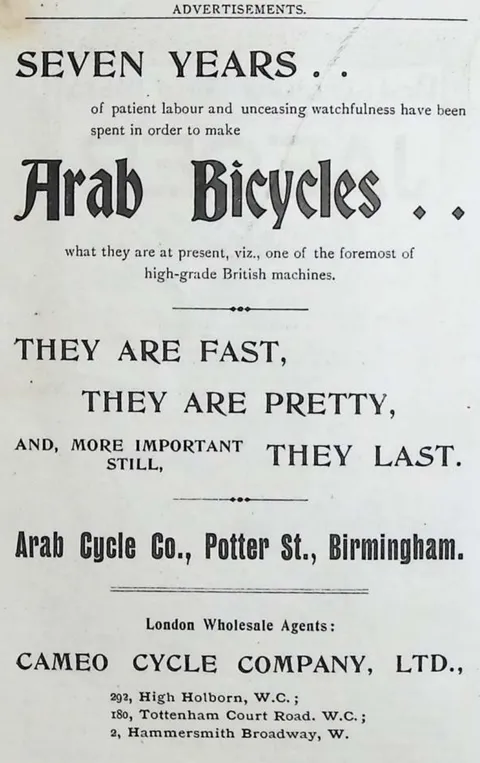 , Advertisement, page 176 (opens in a new tab)
 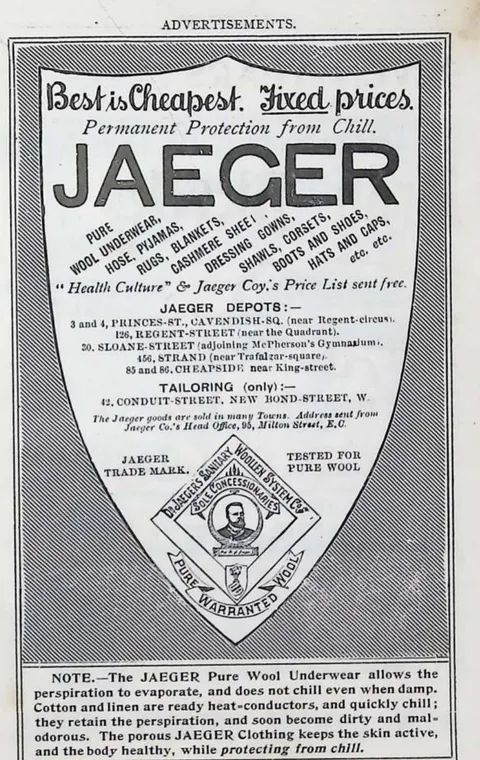 , Advertisement, page 176 (opens in a new tab)
 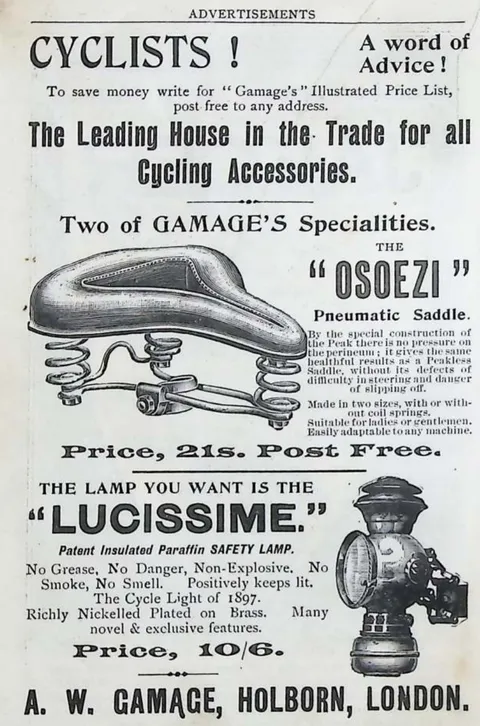 , Advertisement, page 177 (opens in a new tab)
 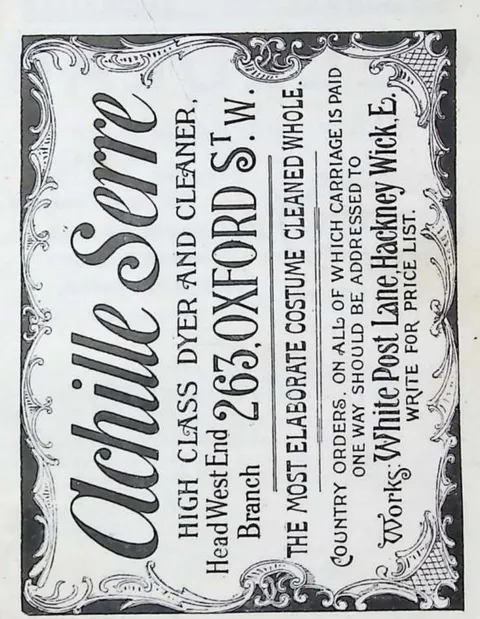 , Advertisement, page 177 (opens in a new tab)
 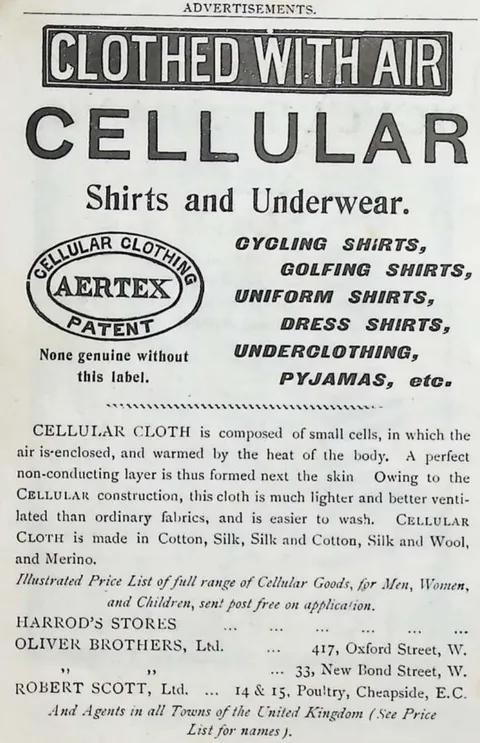 , Advertisement, page 178 (opens in a new tab)
 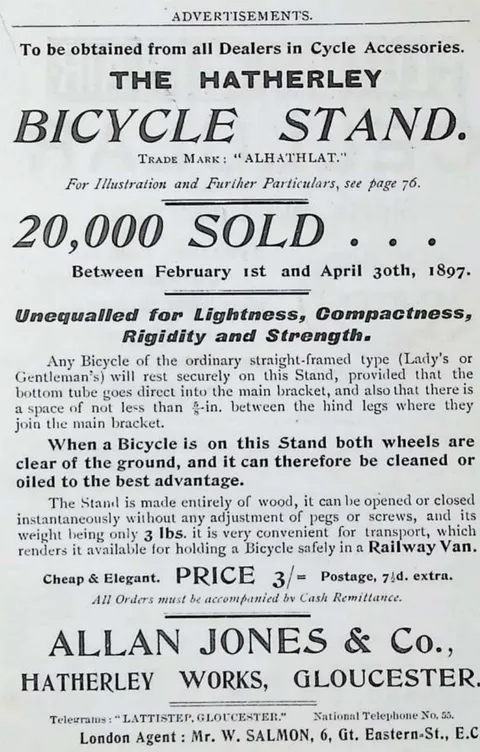 , Advertisement, page 178 (opens in a new tab)
 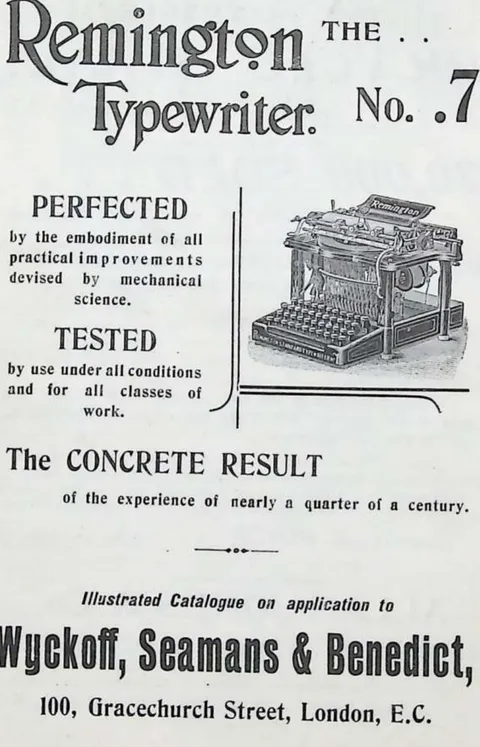 , Advertisement, page 179 (opens in a new tab)
 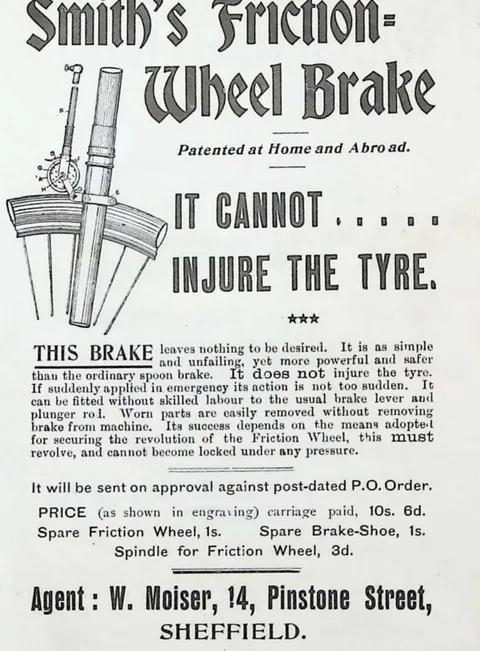 , Advertisement, page 180 (opens in a new tab)
 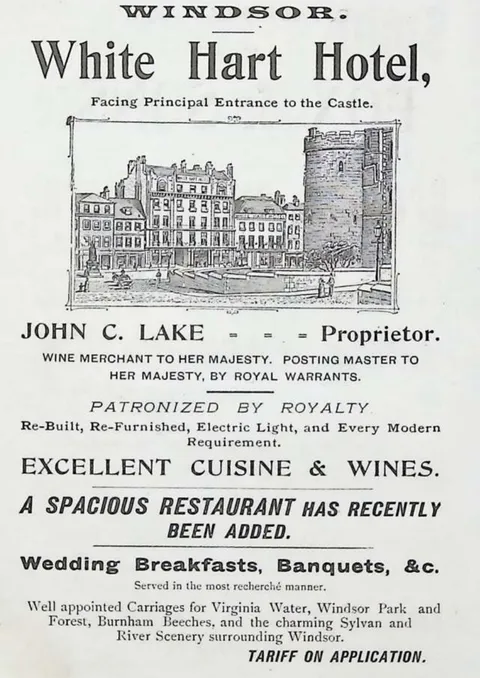 , Advertisement, page 181 (opens in a new tab)
 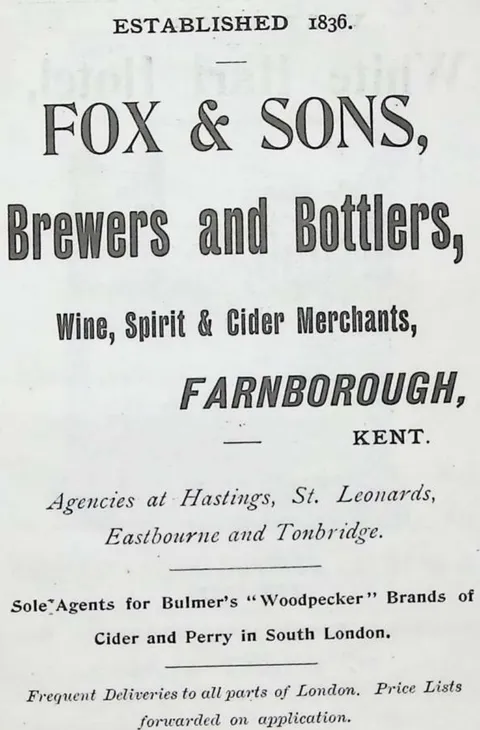 , Advertisement, page 182 (opens in a new tab)
 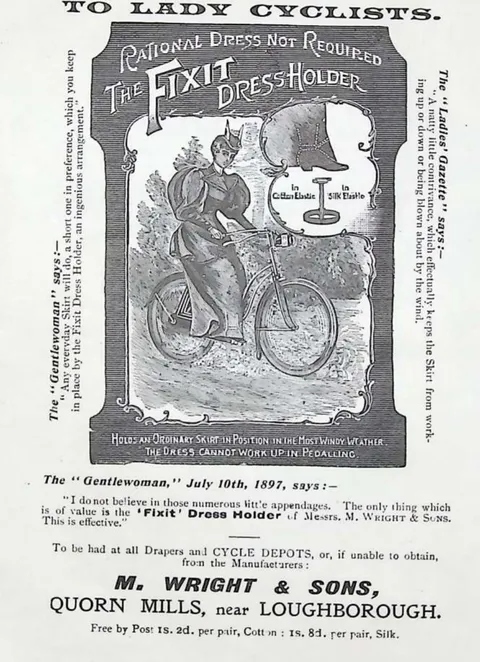 , Advertisement, page 183 (opens in a new tab)
 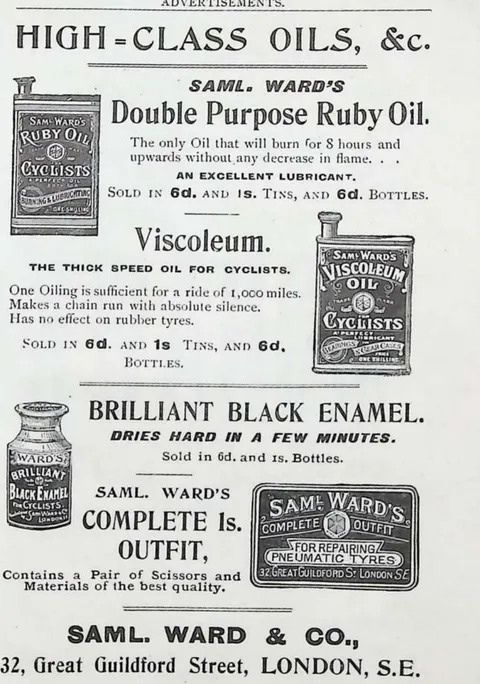 , Advertisement, page 184 (opens in a new tab)
 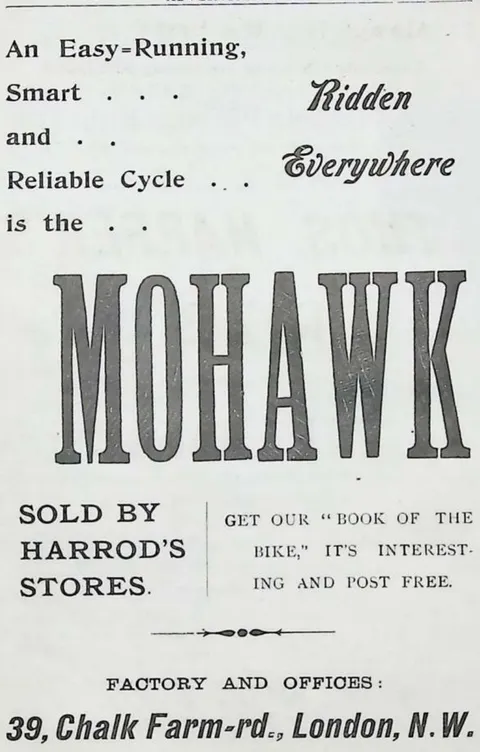 , Advertisement, page 185 (opens in a new tab)
  , Advertisement, page 186 (opens in a new tab)
 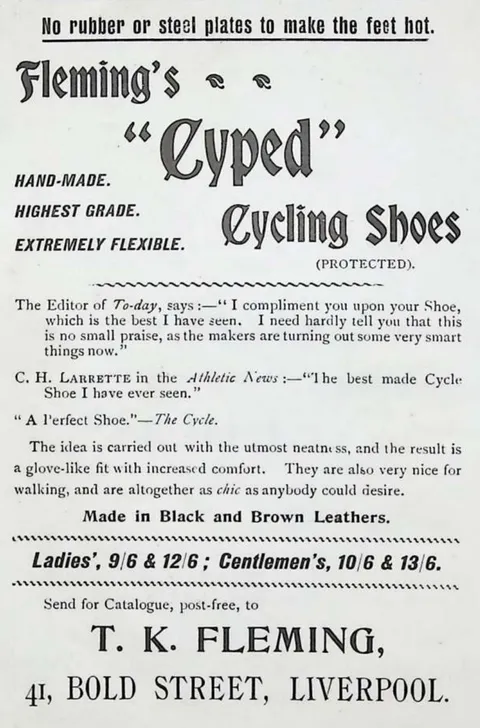 , Advertisement, page 187 (opens in a new tab)
 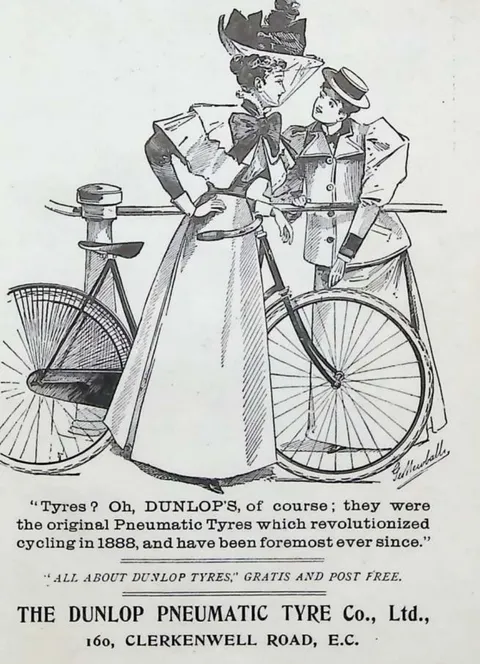 , Advertisement, page 188 (opens in a new tab)
 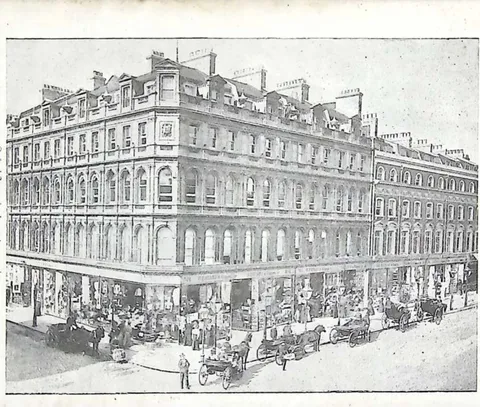 , Advertisement, page 189 (opens in a new tab)
 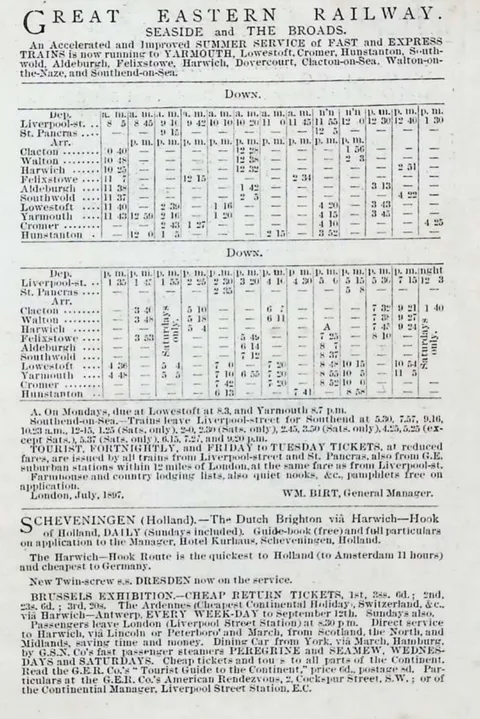 , Advertisement, page 190 (opens in a new tab)
 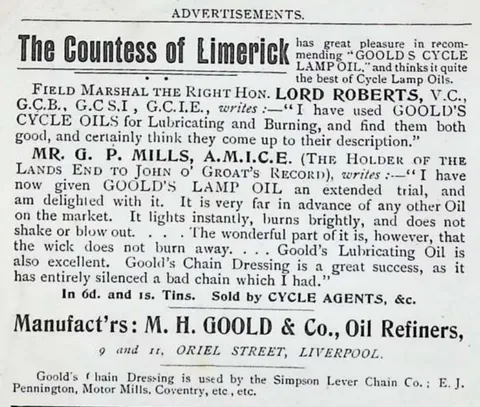 , Advertisement, page 191 (opens in a new tab)
 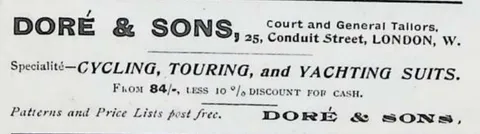 , Advertisement, page 191 (opens in a new tab)
 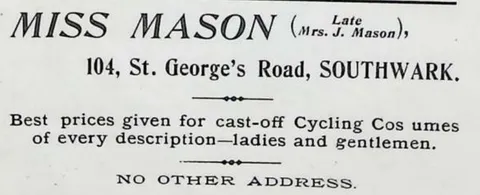 , Advertisement, page 191 (opens in a new tab)
  , Advertisement, page 192 (opens in a new tab)
  , Advertisement, page 193 (opens in a new tab)
  , Advertisement, page 194 (opens in a new tab)
  , Advertisement, page 195 (opens in a new tab)
 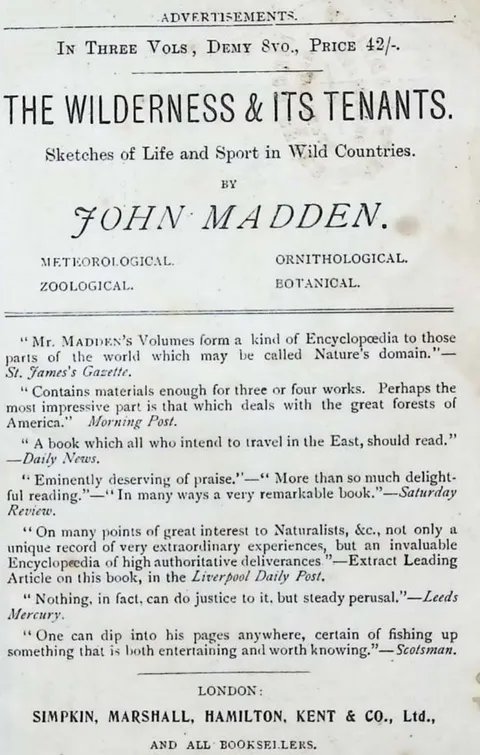 , Advertisement, page 196 (opens in a new tab)
 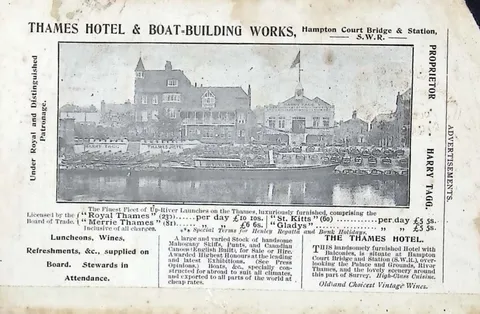 , Advertisement, page 197 (opens in a new tab)
 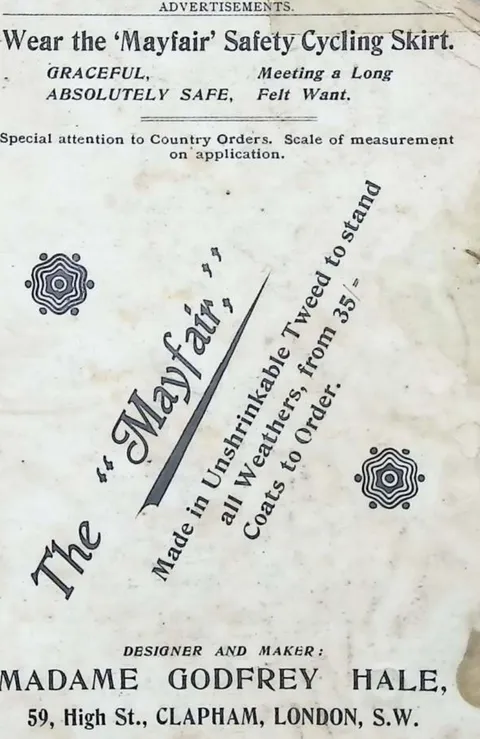 , Advertisement, page 198 (opens in a new tab)
 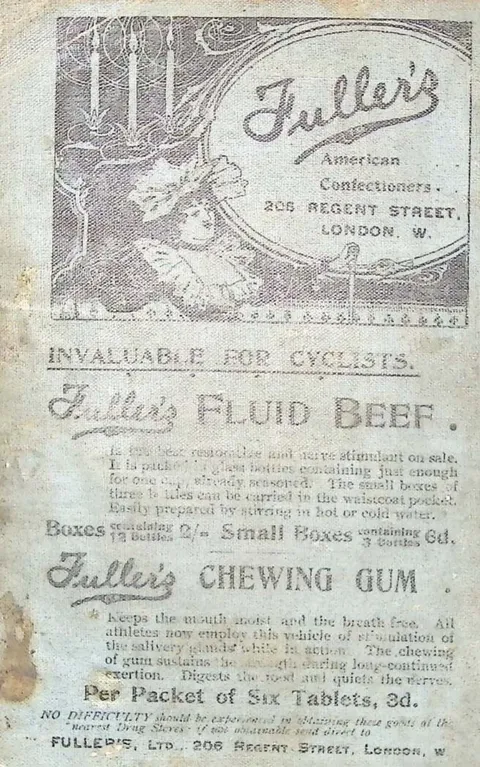 , Advertisement, page 199 (opens in a new tab)