The Fastest Bicycle Rider in the World: The Autobiography of Marshall W. "Major" Taylor
1928105 chapters62 images
Contents
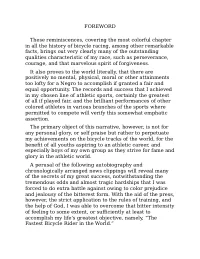
- Major Taylor's foreword frames the memoir as proof "there are positively no mental, physical, moral or other attainments too lofty for a Negro to accomplish if granted a fair and equal opportunity," written to perpetuate his achievements against "color prejudice and jealousy of the bitterest form."
- Born in Indianapolis on November 26, 1878, Taylor becomes the playmate of a wealthy family's son, is barred from the YMCA gymnasium because of his color, and at thirteen wins his first race, a ten-mile road race staged by bicycle dealer Hay & Willits, beating scratch man Walter Marmon for a gold medal.
- Racing at Peoria, Illinois in 1892 among stars like Zimmerman and Windle, Taylor later wins the secretly arranged 75-mile Indianapolis-to-Matthews road race staged by George Catterson to evade the color ban against him, and, smuggled onto the Capital City track by white friends, breaks Walter Sanger's one-mile track record of 2:18 with a 2:11.
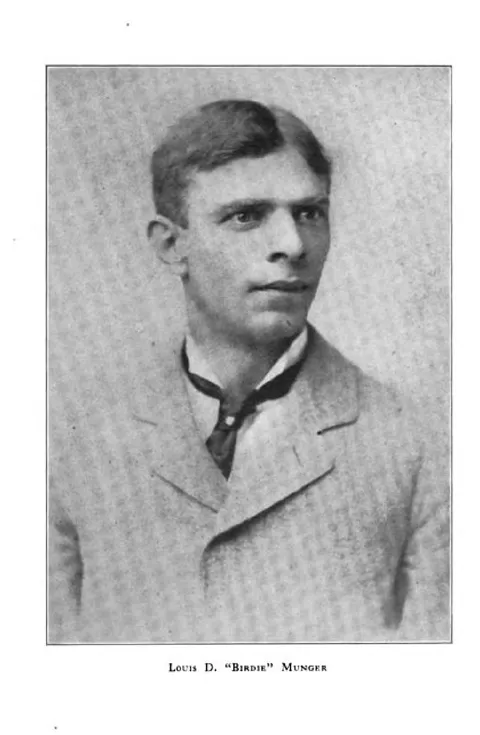
- Working for champion-turned-manufacturer Louis "Birdie" Munger in Indianapolis, Taylor meets champions Arthur Zimmerman and Willie Windle, wins Munger's declaration "I am going to make him the fastest bicycle rider in the world," and follows Munger to Worcester, Massachusetts after Munger's partners object to his mentoring a Black protégé.
- In Worcester, Taylor finds none of Indianapolis's color prejudice, is finally admitted to the YMCA under physical director Edward W. Wilder, and becomes the first cyclist to climb the city's steep George Street hill.
- Riding for the Black Albion Cycle Club, Taylor competes in the Irvington-Milburn, N.J. and Tatum (Jamaica, L.I.) 25-mile road races against combines of rivals, and loses a road race to Monte Scott only after someone throws a pail of ice water in his face near the tape.
- Turning professional at Madison Square Garden in the winter of 1896, Taylor beats Eddie "Cannon" Bald, Tom Cooper, Earl Kiser and Arthur Gardiner in a half-mile handicap, rides eighteen hours in his first six-day race (eighth place, 1,787 miles, won by Teddy Hale), and defeats the Butler brothers at Boston's Charles River track and at Providence.
- Chasing the 1898 title, Taylor is barred from Southern tracks, threatened by an anonymous "White Riders" letter in Savannah, Georgia, and blocked from the decisive St. Louis and Baltimore championship meets when promoters simply reject his entry, a maneuver the Philadelphia Press calls a conspiracy against him.
- When Eddie Bald, Tom Cooper and other stars secede from the L.A.W. to found the American Racing Cyclists' Union and N.C.A. in 1898, Taylor stays loyal to the League, is stranded when promoter Mr. Dunlop breaks a promise of equal lodging in Cape Girardeau, Missouri, and is nearly banned for life before the press rallies to his defense and Fred Johnson of the Iver Johnson Arms & Cycle Co. pays his $500 fine.
- Opening his 1899 "banner year," Taylor wins the quarter-mile national championship at Manhattan Beach over Jaap Eden, Howard Freeman and Arthur Gardiner, then beats Eddie Bald at a Philadelphia Castle Wheelmen meet by pioneering front-of-field sprint tactics, even after officials let a foul against him in the following handicap go unpunished.
- Backed by manager William A. Brady after Eddie Bald and the sprinting "big-four" refused to meet him, Taylor calls his 1898 match race against Welsh pace-following champion Jimmie Michaels at Manhattan Beach his hardest and most spectacular victory, setting a new world's record of 1:41.
- At the 1898 Grand Circuit opener in Asbury Park, N.J., Taylor beats a field led by Tom Cooper, Eddie Bald and Orlando Stevens, crediting advice from his boyhood hero Arthur Zimmerman for the win.
- At the Tioga track in Philadelphia in the summer of 1898, fresh off a win over Bald, Cooper, Gardiner and Stevens, Taylor wins two national championship events on the same program, a feat he says was never equalled on any American track.
- After foul tactics cost Taylor a Philadelphia championship, rival Howard Freeman publicly praises his clean riding, quick jump and sportsmanship in a newspaper article Taylor reprints in full, prompting Taylor to answer with the poem "Black Versus White."
- Prompted by Howard Freeman's tribute, Taylor's own verse confronts American racial prejudice directly: "As white as you are, and black as I be / Speed is quite natural to me... / I may be whiter inside by far."
- At the Green Bay, Wisconsin meet Taylor wins the one-third-mile and one-mile national championships after tipping off officials to a plot by rivals to box him in, prompting them to order double pacemaking to break up the combine.
- After roughly fifty races in 1898, Taylor is pressed to attack the world's motor-paced one-mile record of 1:32 3/5 set by French flier Edward Taylore, itself an improvement on J. Platt Betts' English mark of 1:35 -- finishing his season with 121 championship points to Arthur Gardiner's 113, Floyd MacFarland's 107 and Eddie Bald's 98.
- After a winter of training at the Worcester Y.M.C.A. gymnasium, Taylor opens what he calls his banner season of 1899, the year he wins the world's professional sprint championship.
- On July 2, 1899, Taylor defeats his old rival Tom Butler in straight heats on the Charles River Park track, Boston, for a $1,000 purse.
- Skipping the National Circuit's Janesville program, Taylor detours to Chicago to make another attempt at lowering the world's one-mile motor-paced record.
- Back in Chicago from Ottumwa, Taylor resumes his attack on the world's motor-paced one-mile record of 1:28, set by Eddie McDuffee on the New Bedford, Massachusetts three-lap board track.
- At the international championship meet in Montreal, drawing more than one hundred riders from around the world to the Queen's Park track, Taylor realizes his life's ambition by winning the world's one-mile professional championship, a day after being "jockeyed" out of the half-mile open.
- After winning the world's one-mile professional title at Montreal, Taylor refuses on principle to race amateur champion Thomas Summersgill of London without a cash purse attached, drawing newspaper accusations that he was "yellow" -- and wins the two-mile open instead.
- In the aftermath of the world's championship meet at Montreal, where Taylor added "the most colorful page" yet to his career, his rivals' resentment of his success intensifies.
- Of all the grueling races of the 1899 season, Taylor calls the fiercely contested, photo-finish one-mile championship at Brockton, Massachusetts his first genuinely close decision.
- On September 8, 1899, Taylor is given a rousing ovation at the Lake View Oval track in his home city of Worcester, Massachusetts, making his first hometown track appearance as reigning world's champion.
- After training at Charles River Park and racing at Taunton, Massachusetts on September 20, Taylor sweeps three first-place finishes in one meet at Peoria, Illinois, the track where he had first raced as a teenager.
- Cutting short a planned six months of rest, Taylor is wired to Chicago to make an attempt on the one-mile world's paced record.
- Taylor reprints a newspaper tribute declaring "Major Taylor is Champion," crediting the "Colored Youth" with winning the L.A.W. and International Championships and setting new records, with 22 firsts in 29 races that season.
- As the 1900 American cycle racing season opens in Louisville, the sporting press debates who will take the championship, with experts picking rival Frank Kramer as the likely favorite.
- Training hard for a strong showing before his hometown crowd, Taylor returns to race at Newby Oval, Indianapolis, on July 18, 1900, the city that once barred him from the YMCA and its tracks because of his color.
- Stung by his defeat in the half-mile professional championship at Indianapolis on July 18, 1900, Taylor seeks revenge over the same field of riders at Buffalo.
- A Hartford newspaper reports "Major Taylor Wins Again at the New Velodrome Track" as Taylor takes two first places in two starts before thousands of spectators.
- At the N.C.A. Grand Circuit meet held with the L.A.W.'s midsummer gathering on the Buttonwood track, New Bedford, Taylor wins the one-mile championship semifinal heat in 1:56 2/5, the fastest mile of that year's circuit.
- Three weeks after New Bedford, Taylor scores what he calls his easiest championship victory of the season at the Vailsburg track.
- Immediately after Vailsburg, Taylor returns to the famous Newby Oval in Indianapolis, anxious to win before his native city, only to see prejudice among officials and rivals -- including bitter foes Owen Kimble and Frank Kramer -- cost him a championship he felt he had earned.
- After winning the third-mile championship match from Owen Kimble and the two-mile championship from Kimble and Frank Kramer, Taylor recounts how he came to be nicknamed "Major."
- The final race of the 1900 championship season, held at the Montreal track on September 24 in the third-mile, half-mile and two-mile events, ends in defeat for Taylor at the hands of Owen Kimball.
- Back home in Worcester, Taylor takes part in a novelty Hartford match pitting the reigning professional champion against the country's amateur champion.
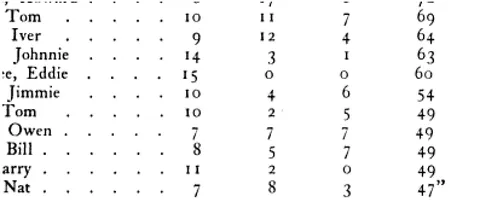
- Under a new 1900 scoring system replacing the League of American Wheelmen's old winner-take-the-title rule, points are tallied across every National Circuit distance, and the Cycle Age of October 4, 1900 officially declares Taylor the National Champion on points.
- As bicycle makers race to sponsor stars for advertising in 1900, Taylor becomes the first rider ever engaged by the conservative Iver Johnson Arms & Cycle Company of Fitchburg, while rivals Tom Cooper and Floyd MacFarland ride for the American Bicycle Company in a rival European ad campaign.
- Newly crowned 1900 sprint champion, Taylor pursues his long-desired match race against Tom Cooper, makes his debut on the vaudeville stage, and receives a proposal from Floyd MacFarland.
- On the opening night of the 1900 six-day race at Madison Square Garden, Taylor -- training beforehand at Ambrose Park, Brooklyn, and insisting on winner-take-all terms -- defeats Tom Cooper of Detroit in a best-two-of-three-heat match race for a $500 purse.
- Having beaten every top sprinter, Taylor draws a challenge from middle-distance star Harry Elkes and scores a great victory over him in Boston.
- In two months Taylor rides fifty-seven races across the Continent -- in Roubaix, Bordeaux, Nantes, Orléans, Paris, Toulouse, Agen and Lyons in France, Verviers and Antwerp in Belgium, Berlin, Hanover and Leipzig in Germany, Turin and Milan in Italy, Copenhagen and Geneva -- while still refusing to ride on Sundays.
- After ten races on the Continent, Taylor defeats Edmond Jacquelin, "the French idol," before a Paris crowd, turning the tables on the rival who had beaten him.
- From Paris, Taylor travels to Copenhagen to defeat Thorwald Elleggarde, the Danish champion, then to Agen, France, for what he calls the hardest fought match race of his career.
- Soon after his Madison Square Garden win over Tom Cooper, Taylor is pitted against nearly the same field in the one-third-mile circuit championship at Providence, where he is again denied a rightful victory.
- Following the National Circuit meet at Springfield, Massachusetts, rivals converge on Taylor's home city of Worcester in the summer of 1901 determined to humiliate him before his own townsmen in the one-mile national championship.
- After Frank Kramer is proclaimed 1901 circuit champion with 80 points to Taylor's 60 (Taylor having missed early-season races while touring Europe) and Iver Lawson's 30, the long-awaited match race between Kramer and Taylor is finally arranged, and Taylor wins sensationally at Madison Square Garden.
- Taylor signs a contract with Paris managers Victor Breyer and Robert Coquelle for a second European tour in 1902.
- Returning from Europe to find Frank Kramer already leading the circuit championship by thirty points, Taylor loses the 1902 title amid what he describes as vicious unfairness from his rivals.
- On his first appearance in Ottawa, Ontario, August 3-4, 1902, greeted at the railroad station by cycling officials and newspapermen, Taylor wins a championship race on a borrowed bicycle.
- For the first time in his career Taylor selects a teammate, Willie Fenn, for the One-Third-Mile National Championship race at Manhattan Beach in the summer of 1902, pairing them against Frank Kramer and Owen Kimble.
- In one of the most intensely felt races ever staged at the famous Manhattan Beach track, Frank Kramer defeats Taylor.
- At the Revere Beach track, Taylor avenges an earlier loss to Frank Kramer at Newark by breaking up a coordinated pocketing scheme in the half-mile championship final involving Floyd MacFarland, Kramer and Iver Lawson.
- Following in the footsteps of his predecessor Arthur Zimmerman, the first American sprint champion to tour there, Taylor invades Australia for the 1903 season and is given a royal welcome in Sydney.
- With the Australian cycling world abuzz over the world's champion's forthcoming January-February visit, Taylor makes his sensational championship debut on Australian soil.
- After their first clash at the opening program, Taylor and Australian champion Don Walker are interviewed together about each other's ability, launching a rivalry Taylor calls worthy of his best.
- Two days after his Australian debut, Taylor returns to the Sydney track against Don Walker and the country's fastest riders for a thrilling victory that sets a world's record.
- At the third meet of the "Major Taylor Carnival" in Sydney, which includes the $500 Summer Wheel Race, Taylor wins again despite being boxed into another pocket.
- With his first two Sydney meets reported to have drawn some 35,000 paying spectators and revived Australian cycling, Taylor scores a double victory despite being pocketed.
- More than 15,000 people attend the continuing Major Taylor Carnival, where Taylor is fairly beaten but refuses to be discouraged.
- In the final meet of the Major Taylor Carnival, Taylor wins the Centennial Mile handicap in 1:57 4/5, a new record for Australia, after fighting clear of a pocket.
- A crowd of 30,000 -- equalling the attendance mark set on Arthur Zimmerman's 1897 Australian tour -- watches Taylor win the International Championship Match and another spectacular victory the same evening.
- Arriving in Melbourne after six weeks in Sydney, Taylor contracts influenza after riding in the rain on the last night of the Sydney Carnival, is confined to bed for two weeks, but recovers his form before racing there.
- No sooner has Taylor left his sick bed than officials of Melbourne's St. Kilda Cricket Grounds press him into match races against Don Walker and George Morgan, both of which he wins.
- Returning to Sydney from Melbourne still wary of a relapse of influenza, Taylor competes in the famous Sydney Thousand one-mile handicap and is defeated.
- With the Sydney Thousand's heats stretching over several weeks, Taylor gains his revenge over Don Walker and George Morgan in a sensational scratch race.
- After the Sydney Thousand meet, Taylor travels on to Adelaide, where he is given a royal welcome, enjoys the delightful climate, and racks up great success on the track.
- Flush with success in Adelaide, Taylor returns to Melbourne for the feature event of the Australian Natives' Association meet, capturing three Australian championships before departing for Europe.
- A shipping mishap delays Taylor's voyage from Australia to France by a week, forcing him to race in Paris the very day after he arrives for his third European tour.
- The memoir reprints, in full, a booklet on Taylor's career by his French managers Paul Hamelle and Robert Coquelle, prefaced by veteran French sports journalist Victor Breyer, who calls Taylor the "Flying Negro" whose fame needs no introduction to European sport lovers.
- Hamelle and Coquelle open by weighing whether Major Taylor is truly "the King of Cyclists" against the sport's other champions, noting the fierce, near-religious partisanship of cycling fans for their own favorites.
- The French biographers trace Taylor's career before his championship years, setting the stage for his rise from an unheralded American boy to a rider feared across two continents.
- Hamelle and Coquelle recount Taylor's earliest professional debuts and his rapid emergence as a serious contender against the established American stars.
- The booklet catalogues the racial persecution Taylor endured in America -- among them his July 1898 defeat of Michaels, Cooper, Gardiner, Bald and Kimble for the Philadelphia 1000-metre championship and the newspapers' epithets for him ("the Colored King," "the Black Cyclone") -- and calls the whole of 1899 "a grey and empty page of the sport romance of the negro."
- The booklet describes an American promoter's threat to fine Taylor for refusing to mount and race under protest, and turns to the opening of his rivalry with Frank Kramer as Taylor decides, in 1901, to leave America and tour Europe.
- Sportsmen put up a $500 purse for a Madison Square Garden match between Taylor and Frank Kramer for the American championship; when Kramer swerves to cut him off, the two collide, Kramer falls, and Taylor -- "blood in his eyes" -- wins by a full lap.
- In a lyrical tribute, the French authors compare Taylor's racing style to a black panther stalking its prey, concluding that -- unlike the tactical genius Jacquelin -- Taylor's own methods defy definition: "we do not know how it is done by Major Taylor."
- Shortly after returning home to Worcester from his third European tour, Taylor accepts another invitation to Australia, sailing from San Francisco for Sydney by way of New Zealand, where he suffers a defeat.
- Arriving in Sydney from New Zealand, Taylor competes in a four-week series of International Test Races over several distances against Iver Lawson, winning the series.
- Taylor's first appearance of his second Australian tour comes on January 1, 1904, in the State Cycling Carnival at Sydney, followed by programs at Melbourne and Sydney in which he is repeatedly boxed by rough riding -- including a terrific five-mile finish in which Iver Lawson beats him for the fastest five miles ever ridden, and a Melbourne Handicap loss to Floyd MacFarland after Taylor does the pacing work for the field.
- As his second Australian tour continues, Taylor finds Australian riders combining with American rivals Iver Lawson and Floyd MacFarland in a deliberate campaign to dethrone him.
- At the National Fete marking the sixteenth anniversary of Australian colonization, Taylor defeats both Iver Lawson and Floyd MacFarland in Melbourne.
- Following the National Fete, a three-race series to decide the world's championship is arranged between Taylor and Iver Lawson (with Floyd MacFarland also involved), and Taylor wins a tough match.
- Fresh off his world's championship win over Iver Lawson, Taylor's follow-up championship match against Floyd MacFarland ends in controversy, its result left in dispute.
- In a February 13, 1904 return world's championship match at Melbourne, Iver Lawson pushes Taylor off the pole in a crash that leaves him with the skin torn from his thigh, an incident a Melbourne interviewer says would have cost any other rider a year's suspension.
- Two weeks after being deliberately thrown by Iver Lawson, Taylor calls upon himself to compete in a major International One-Mile Championship match in what he considers the most thrilling episode of his career.
- Advertised as carrying the largest purse ever offered, $5,000, the March 1904 Sydney Thousand one-mile handicap is rocked by a scandal after a combination of riders allegedly conspires against a fair result.
- During the qualifying heats of the Sydney Thousand, Taylor is fairly defeated by Floyd MacFarland, who then refuses Taylor's offer of a return match race.
- Four weeks after being badly injured on the Melbourne Exhibition Oval, Taylor returns to that track and comes away with two victories on the same program.
- After American riders Iver Lawson and Floyd MacFarland are disqualified for long periods over unfair riding, Australian riders, resentful of the suspensions, seek their own revenge against Taylor on the track.
- Taylor reprints an angry letter from an Adelaide newspaper protesting the Appeal Board's reinstatement of riders Scheps and Pye after their disqualification for foul riding.
- Days after the Adelaide Carnival, the sporting editor of the Adelaide Register publishes a scathing article censuring both the riders and the league officials for their handling of the fouls against Taylor.
- In his last engagement on Australian soil, at the Eight Hours' Anniversary meet on Melbourne's Exhibition Oval, Taylor rides into a pocket in the Autumn Handicap one-mile event but still comes away with a championship victory.
- As his grueling and eventful 1904 Australian tour closes in Melbourne, Mrs. Taylor is awaiting the birth of their daughter -- "the greatest prize of all," Taylor writes, greater even than the $5,000 Sydney Thousand.
- Leaving Australia for home in Worcester, Massachusetts, Taylor is accompanied by Australian champion Don Walker, who has decided to compete in America -- a strange contrast to the reception Taylor himself once faced.
- After a three-year layoff, Taylor resumes racing on the European tracks in 1908 under a contract with Robert Coquelle that forces him, for the first time, to break his lifelong rule against Sunday racing -- rather than risk a lawsuit and a large sum of his savings -- and he stages a great comeback, setting two world's records that still stand.
- Back in Worcester for the winter of 1908-09, Taylor defeats Australian champion Jackie Clark in a match race at the old Park Square Garden track in Boston, only to have a rival clique pressure Clark into protesting the result, forcing a re-ride Taylor refuses and costing him a fairly won $500 purse.
- After the 1910 season, still riding as fast as ever, Taylor hangs up his racing equipment for good, recalling Arthur Zimmerman's old advice to quit before racing against "second and third raters."
- A closing poem retires Taylor's racing bicycle from the road, promising it a place of honor "in my den on a pedestal tall" rather than the attic, in tribute to the machine that carried him around the world.
- In his closing reflections, Taylor writes that while a bitter minority of white riders persecuted him over his color, a considerate majority of white friends sustained him, and he urges Black youth toward clean living and perseverance, recalling how he once coached a young French rider named Poulain who later grew up to defeat him.
- A concise list of sportsmanship maxims for young athletes, including "Don't try to 'gyp,'" "Don't use intoxicants," "Don't get a swelled head," and "Don't forget the practice of good sportsmanship."
- The book's closing poem allegorizes a champion cyclist who beats every rival in America, Europe and Australia only to be run down at last by "Father Time... the only one who could beat him fair," echoing the Foreword's meditation on age and mortality.
Images in this book 62 pictures from 634 pages
Illustrations 2
 (opens in a new tab)
 National Circuit season standings table 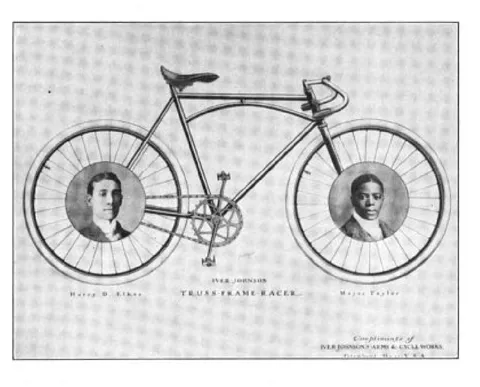 (opens in a new tab)
 Iver Johnson Truss Frame Racer, with Harry D. Elkes and Major Taylor
Photographs 60
 (opens in a new tab)
 Louis D. "Birdie" Munger 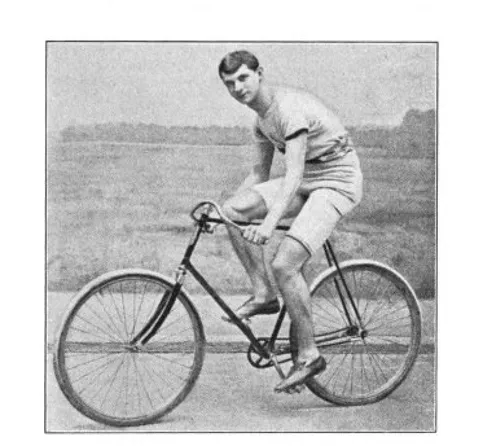 (opens in a new tab)
 Young cyclist on a road bicycle 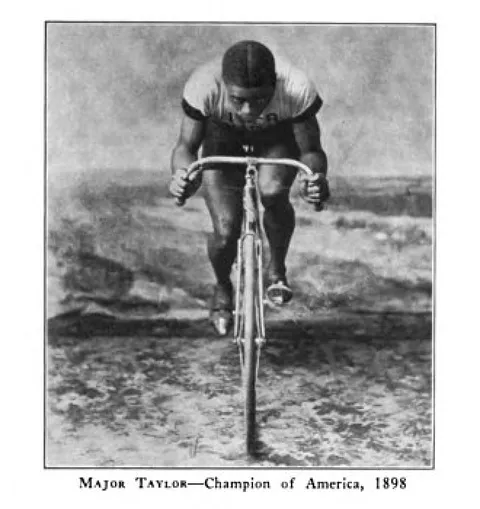 (opens in a new tab)
 Major Taylor…Champion of America, 1898 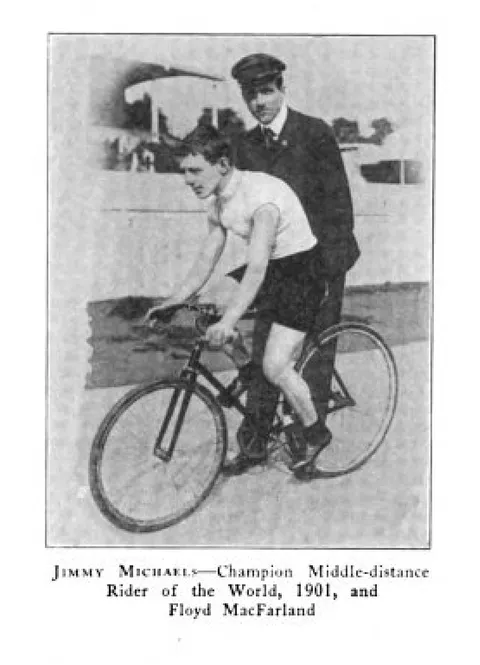 (opens in a new tab)
 Jimmy Michaels…Champion Middle-distance Rider of the World, 1901, and Floyd MacFarland 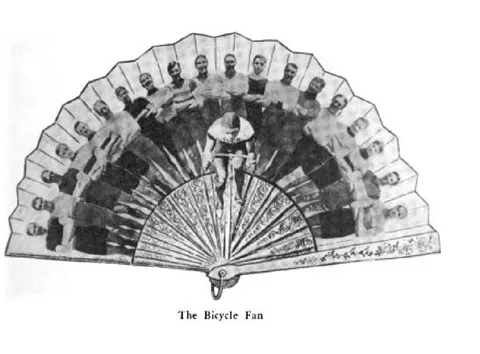 (opens in a new tab)
 The Bicycle Fan 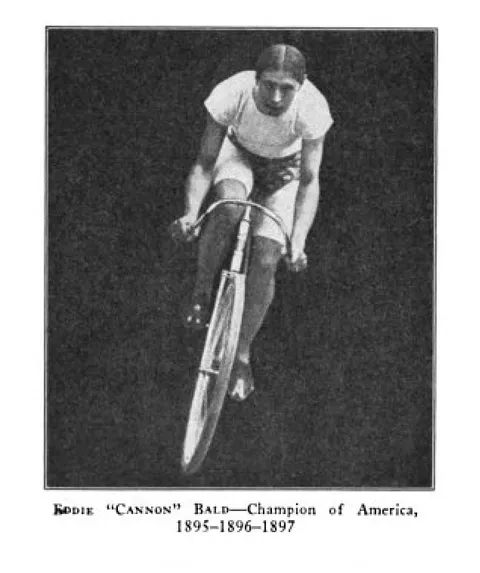 (opens in a new tab)
 Eddie "Cannon" Bald…Champion of America, 1895-1896-1897 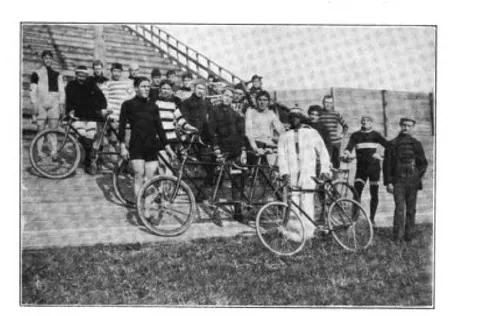 (opens in a new tab)
 Quintet Pacing Teams. Before the Days of Motor Pacing 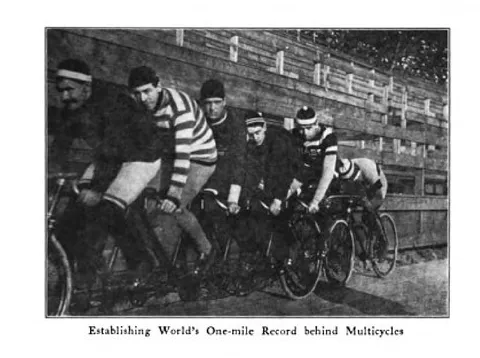 (opens in a new tab)
 Establishing World's One-mile Record behind Multicycles 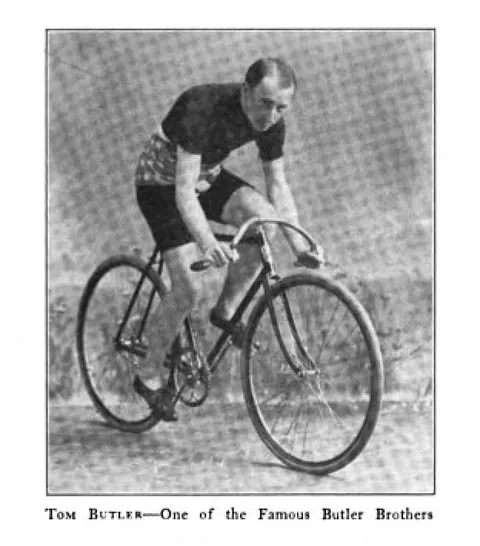 (opens in a new tab)
 Tom Butler…One of the Famous Butler Brothers 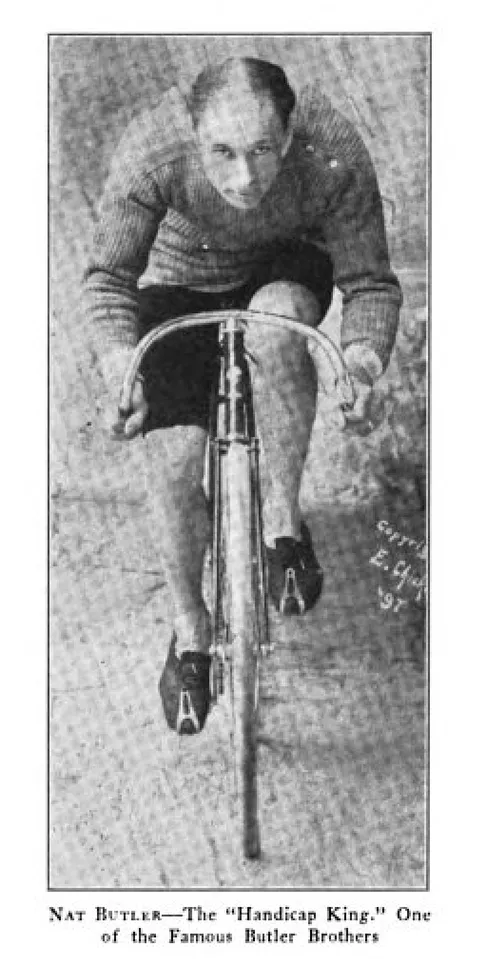 (opens in a new tab)
 Nat Butler…The "Handicap King." One of the Famous Butler Brothers 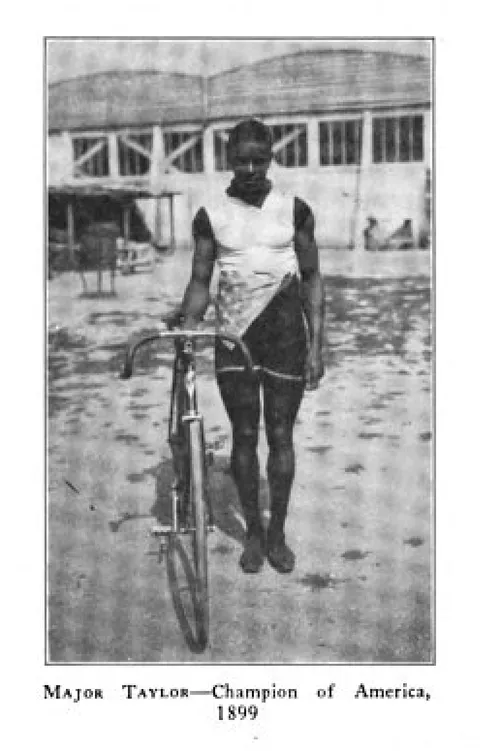 (opens in a new tab)
 Major Taylor…Champion of America, 1899 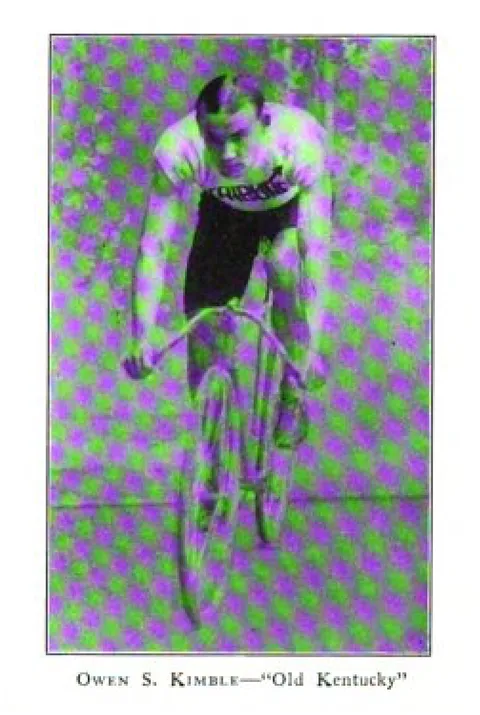 (opens in a new tab)
 Owen S. Kimble…"Old Kentucky" 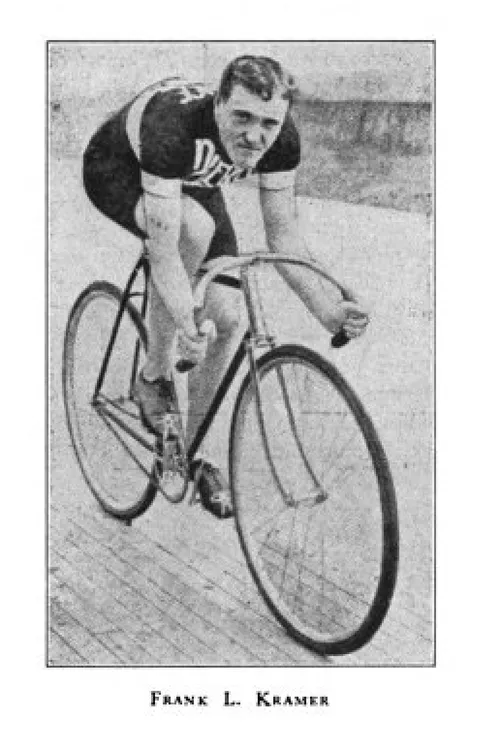 (opens in a new tab)
 Frank L. Kramer 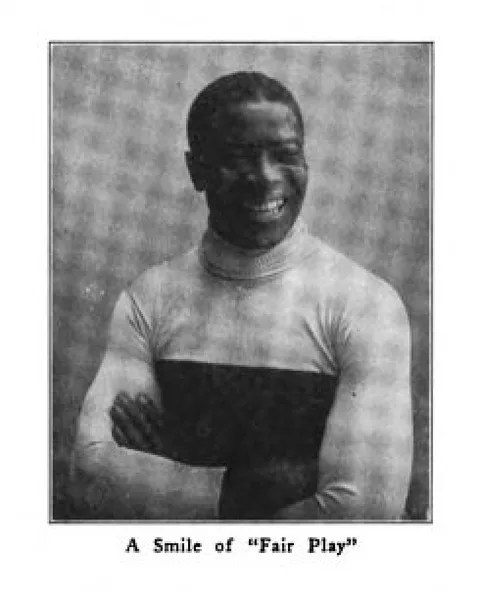 (opens in a new tab)
 A Smile of "Fair Play" 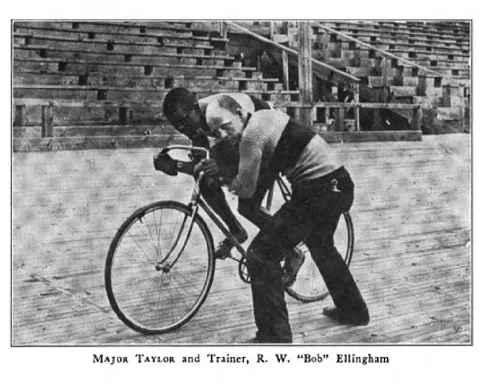 (opens in a new tab)
 Major Taylor and Trainer, R. W. "Bob" Ellingham 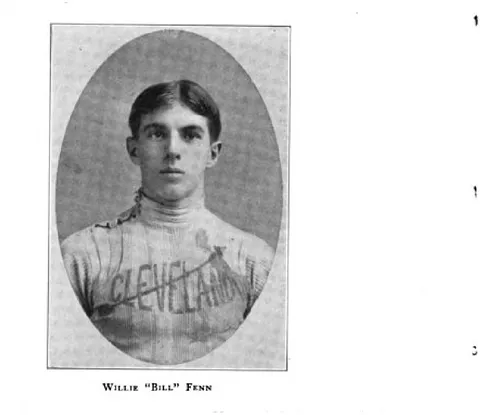 (opens in a new tab)
 Willie "Bill" Fenn 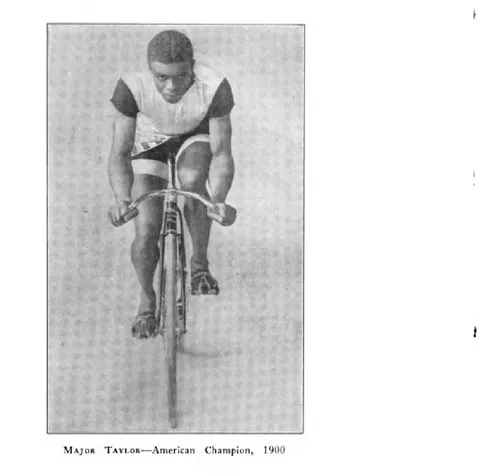 (opens in a new tab)
 Major Taylor…American Champion, 1900 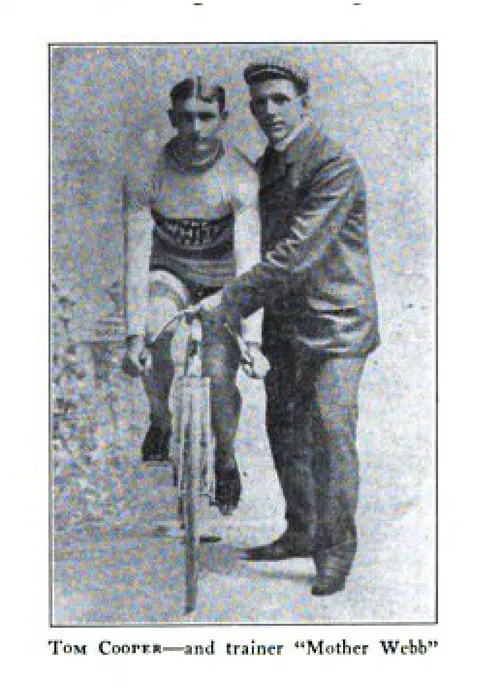 (opens in a new tab)
 Tom Cooper…and trainer "Mother Webb" 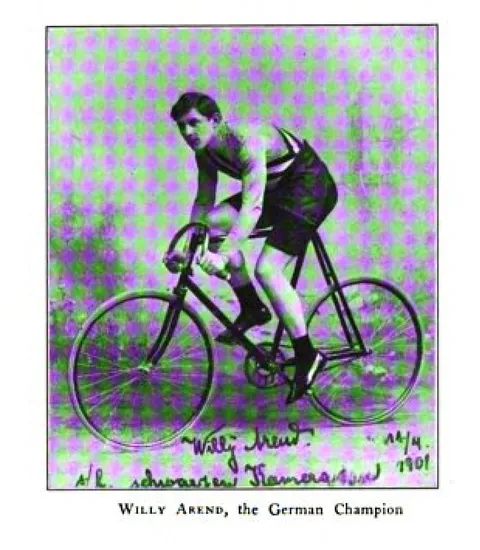 (opens in a new tab)
 Willy Arend, the German Champion 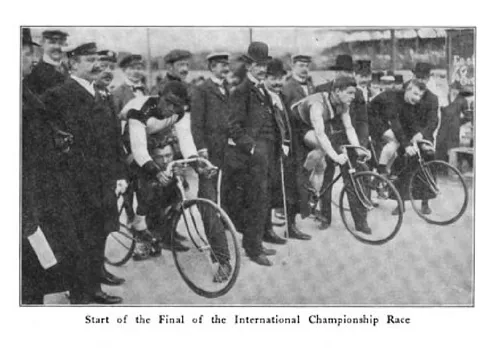 (opens in a new tab)
 Start of the Final of the International Championship Race 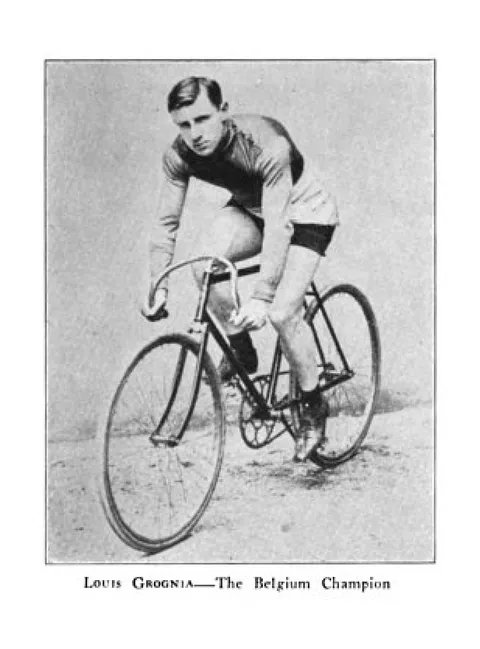 (opens in a new tab)
 Louis Grognia…The Belgium Champion 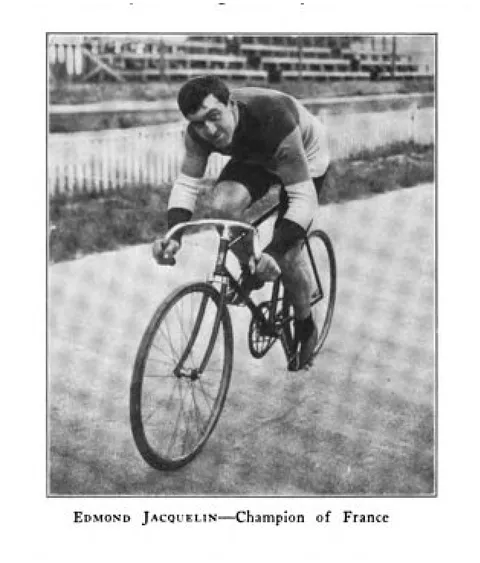 (opens in a new tab)
 Edmond Jacquelin…Champion of France 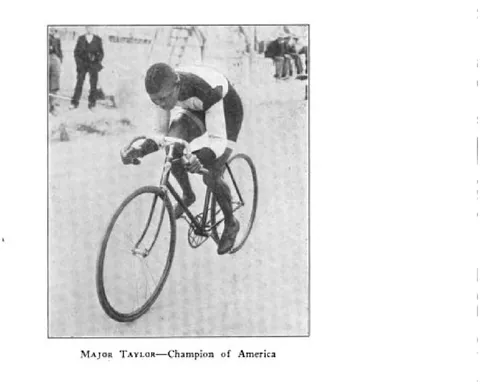 (opens in a new tab)
 Major Taylor…Champion of America 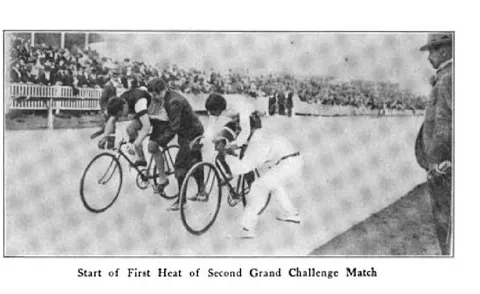 (opens in a new tab)
 Start of First Heat of Second Grand Challenge Match 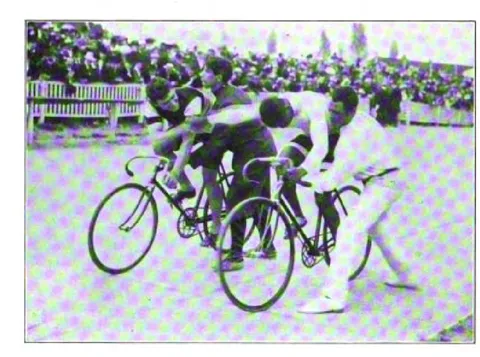 (opens in a new tab)
 That Bewildering Hand Shake…Start of Second and Last Match 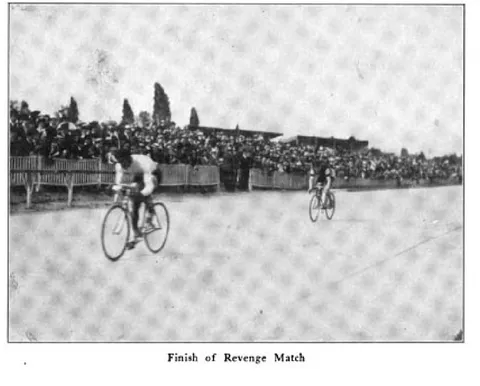 (opens in a new tab)
 Finish of Revenge Match 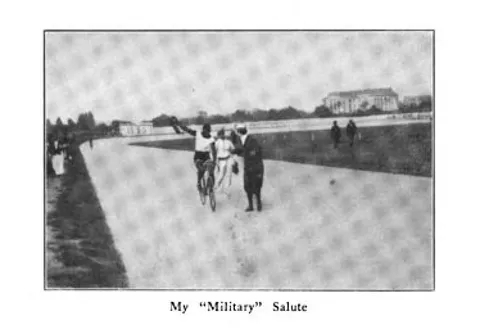 (opens in a new tab)
 My "Military" Salute 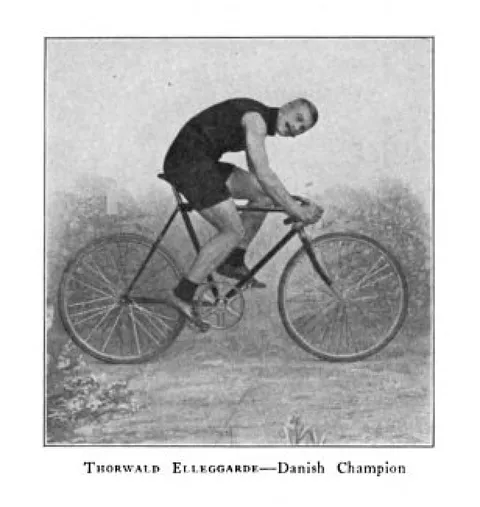 (opens in a new tab)
 Thorwald Elleggarde…Danish Champion 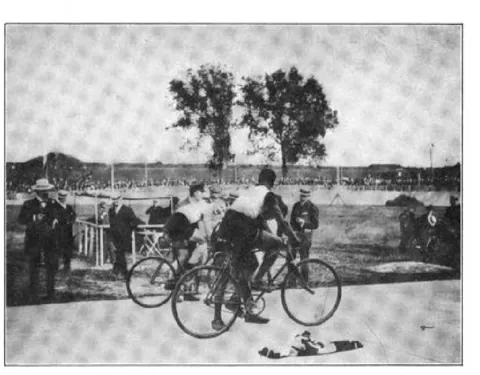 (opens in a new tab)
 Start of the Deciding Heat of the most bitterly fought Match Race I ever contested 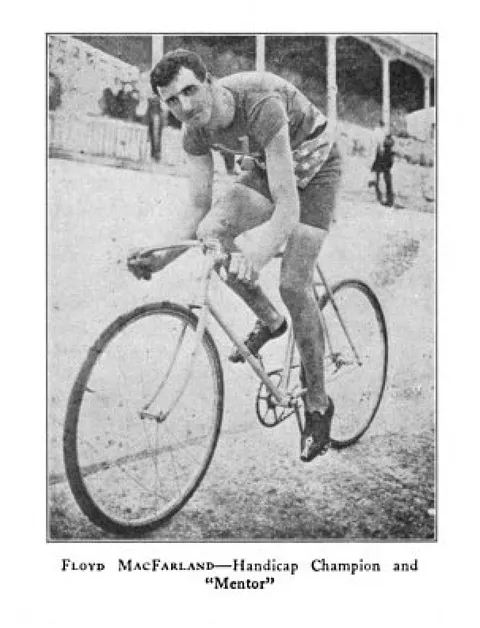 (opens in a new tab)
 Floyd MacFarland…Handicap Champion and "Mentor" 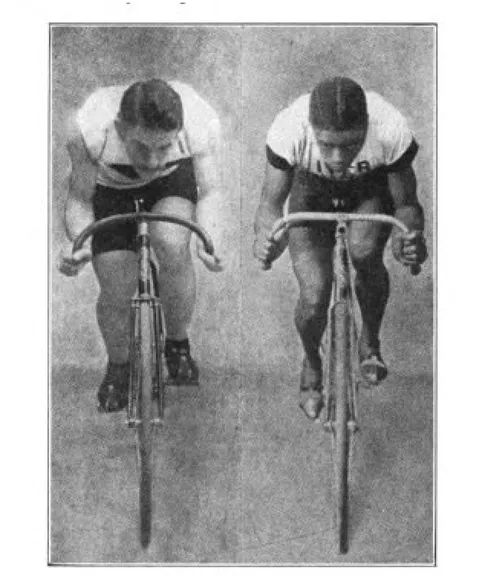 (opens in a new tab)
 Harri Meyers…Champion of Holland, and Major Taylor…Champion of America 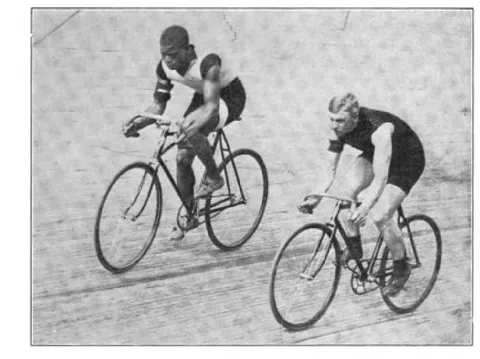 (opens in a new tab)
 Taylor and Elleggarde in a "Friendly" Warming Up Spin on the Buffalo Track, Paris 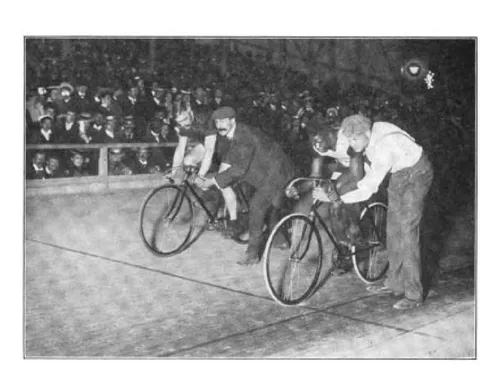 (opens in a new tab)
 Start of the Second and Final Heat of the International Championship Match, Taylor Won by Two Lengths 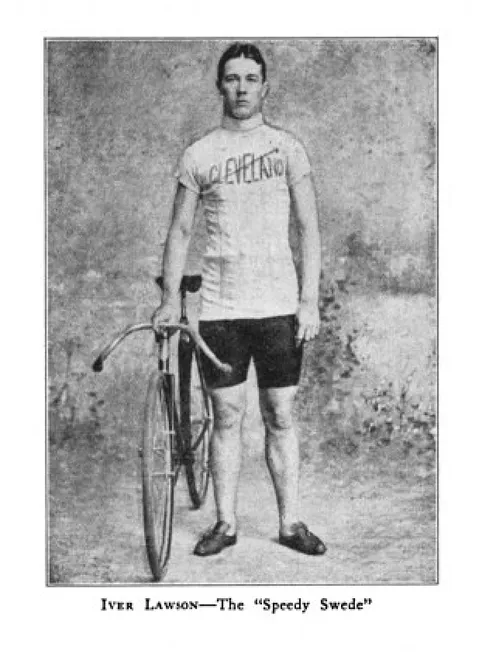 (opens in a new tab)
 Iver Lawson…The "Speedy Swede" 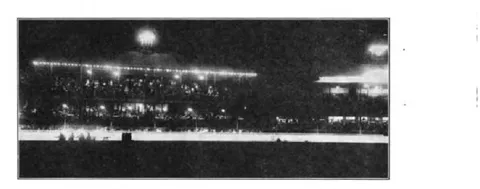 (opens in a new tab)
 The Famous Sydney Cricket Ground and Track at Night. At the Start of each Race 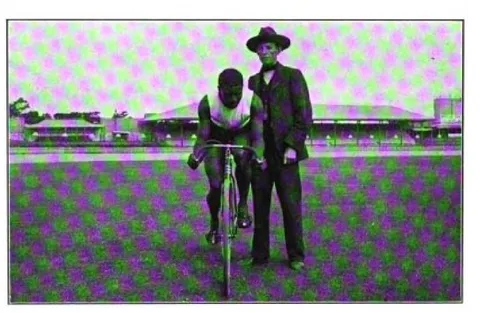 (opens in a new tab)
 Major Taylor and Trainer Sid Melville at the Sydney Cricket Grounds and Bicycle Track 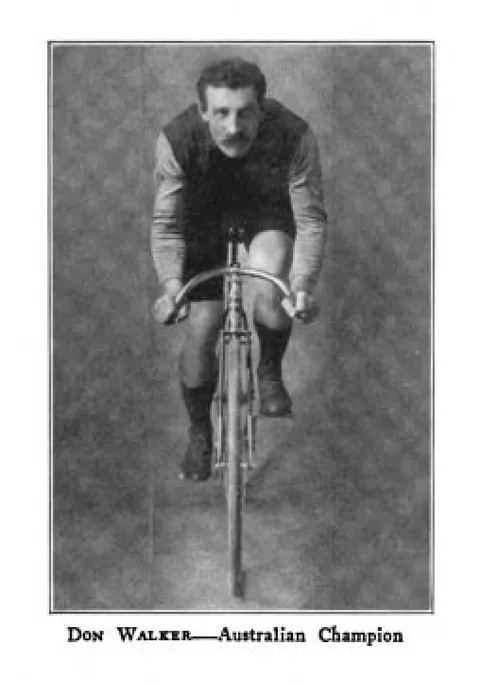 (opens in a new tab)
 Don Walker…Australian Champion 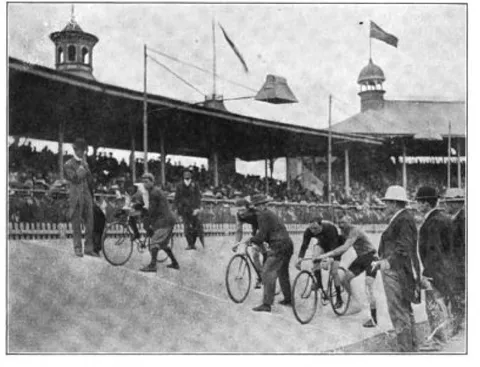 (opens in a new tab)
 Start of Final Heat of Quarter-mile International Championship Race 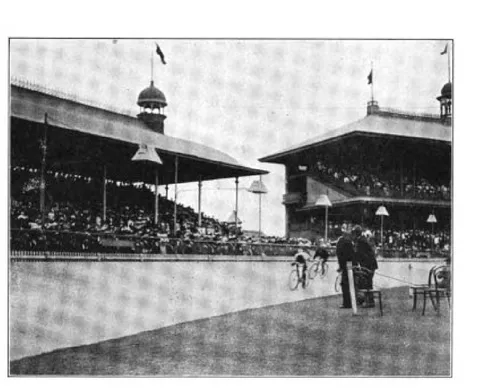 (opens in a new tab)
 Taylor Winning Final Heat of Quarter-mile International Championship, Sydney, Australia 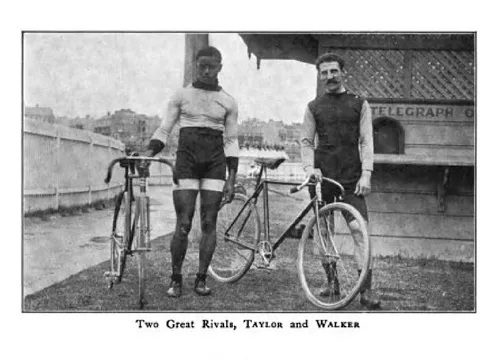 (opens in a new tab)
 Two Great Rivals, Taylor and Walker 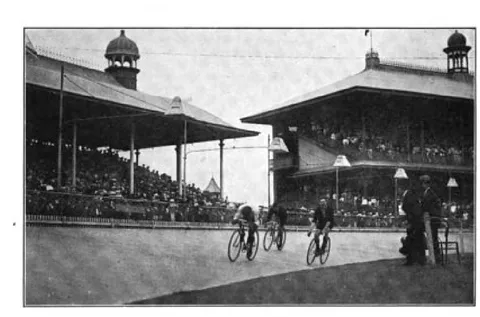 (opens in a new tab)
 Winning Half-mile Handicap from 5 Yards behind Scratch and establishing World's Record 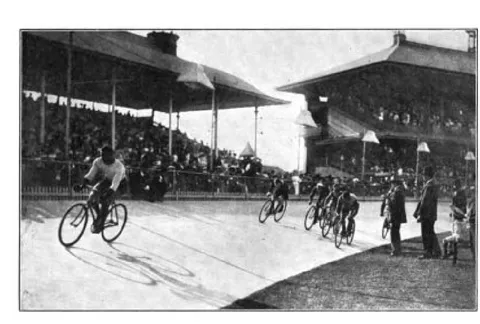 (opens in a new tab)
 Winning the Centennial One-mile Handicap, establishing Australian Record 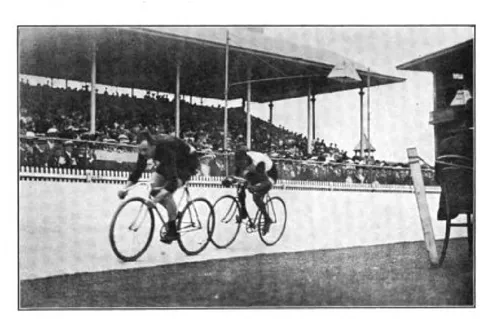 (opens in a new tab)
 Final of One-mile International Match, with Gudgeon leading on the Bell-lap 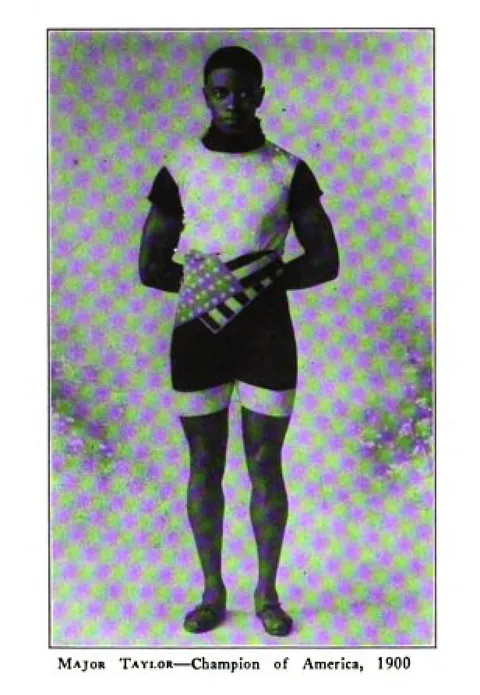 (opens in a new tab)
 Major Taylor…Champion of America, 1900 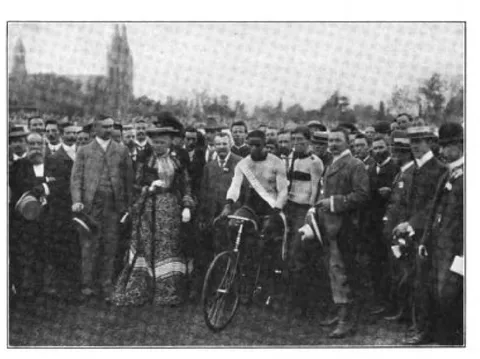 (opens in a new tab)
 Major Taylor, winner of the Sir Edwin Smith Stakes and Blue Ribbon 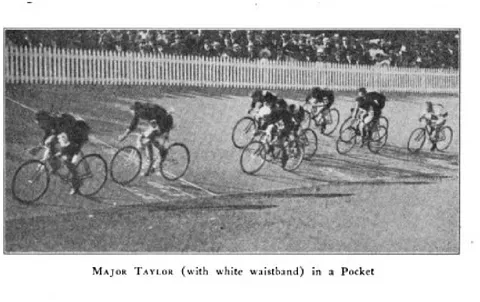 (opens in a new tab)
 Major Taylor (with white waistband) in a Pocket 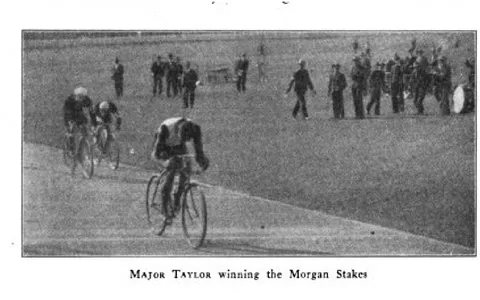 (opens in a new tab)
 Major Taylor winning the Morgan Stakes 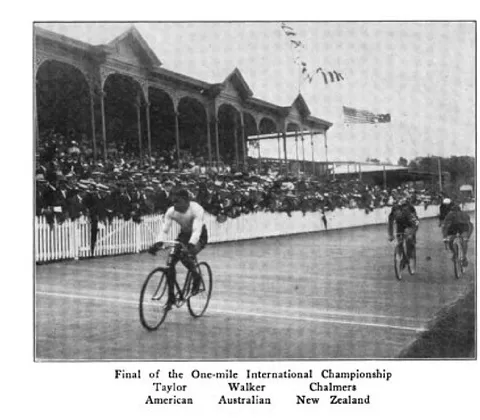 (opens in a new tab)
 Final of the One-mile International Championship: Taylor, Walker, Chalmers 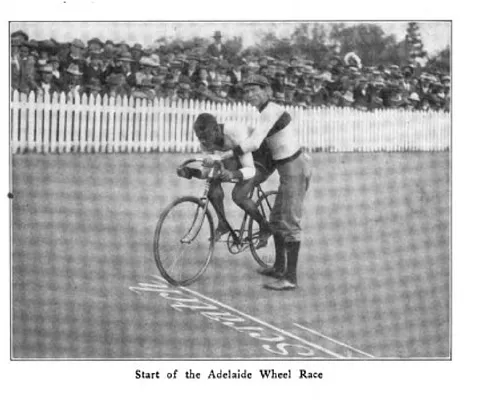 (opens in a new tab)
 Start of the Adelaide Wheel Race 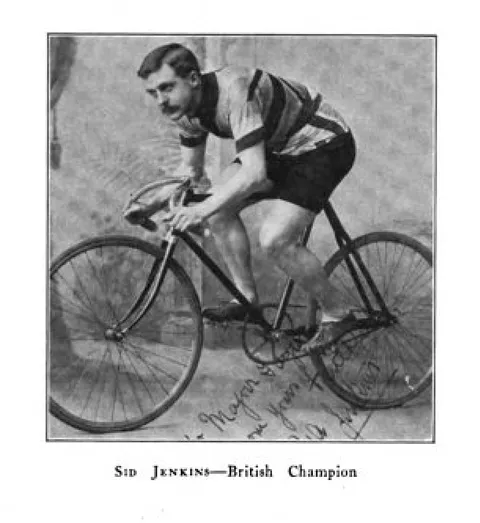 (opens in a new tab)
 Sid Jenkins…British Champion 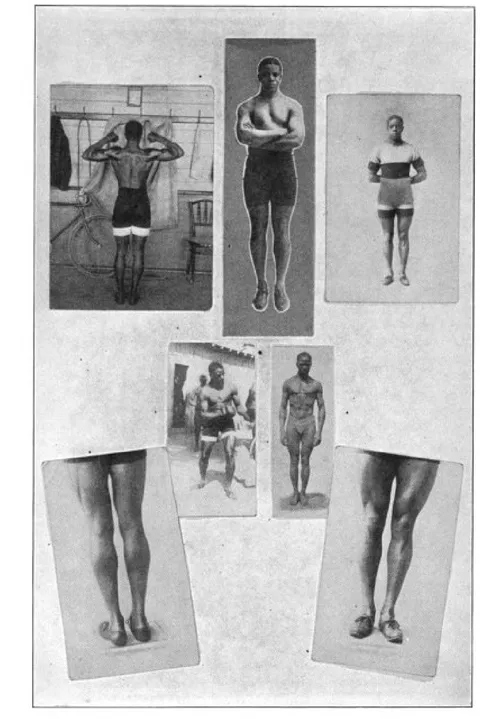 (opens in a new tab)
 Clean Living and Serious Training are necessary for the Perfect Condition shown Above 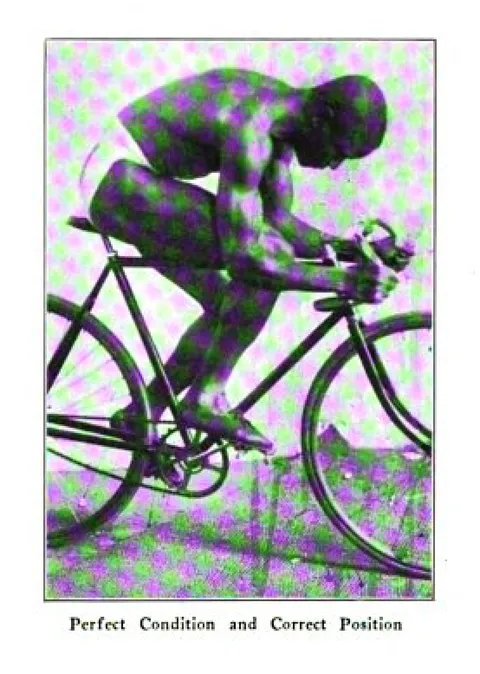 (opens in a new tab)
 Perfect Condition and Correct Position 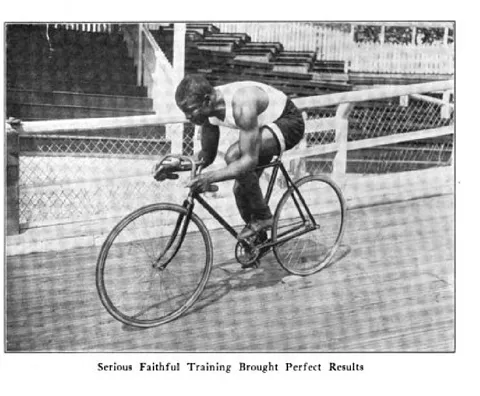 (opens in a new tab)
 Serious Faithful Training Brought Perfect Results 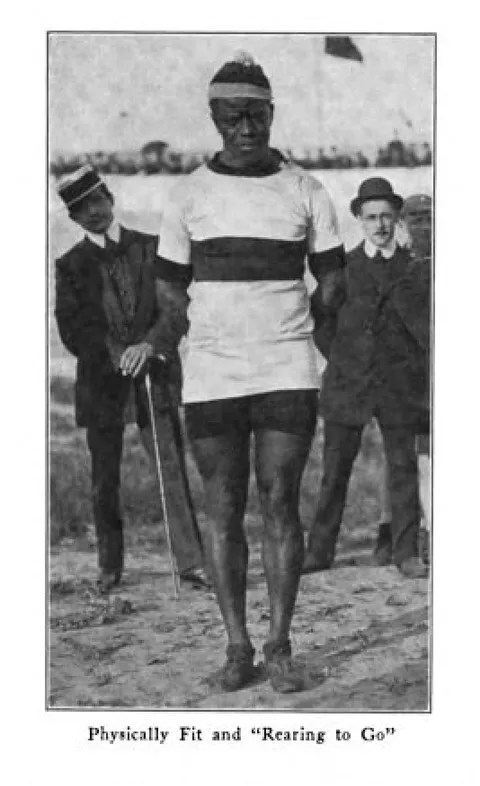 (opens in a new tab)
 Physically Fit and "Rearing to Go" 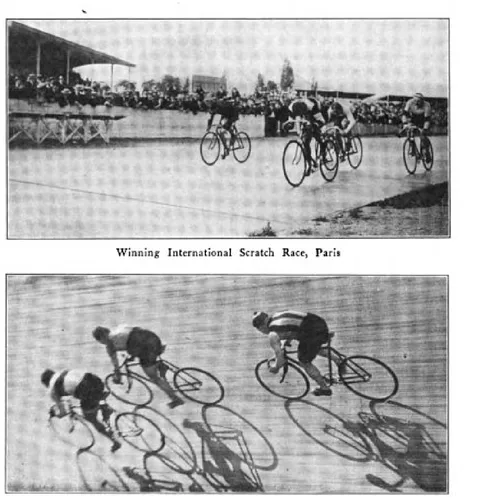 (opens in a new tab)
 Winning International Scratch Race, Paris 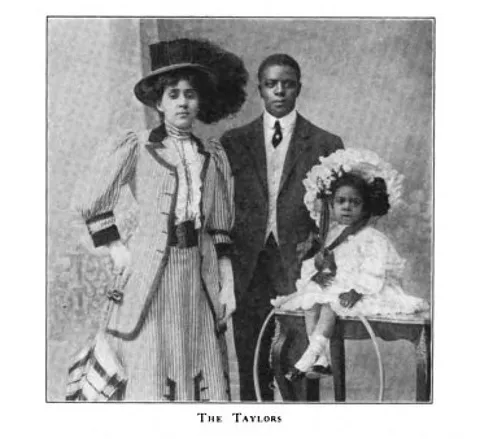 (opens in a new tab)
 The Taylors 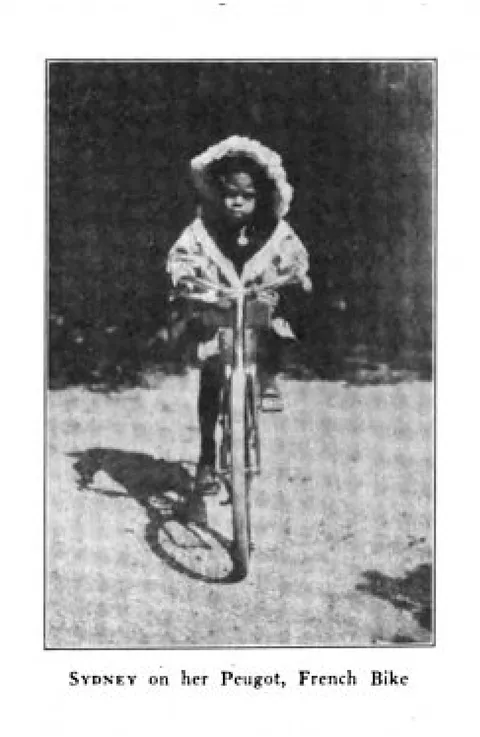 (opens in a new tab)
 Sydney on her Peugot, French Bike 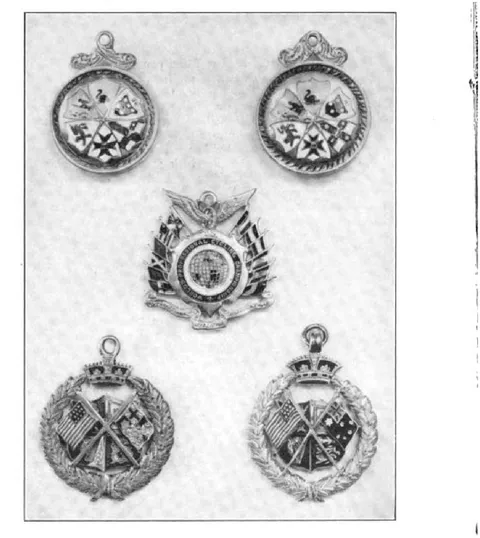 (opens in a new tab)
 Major Taylor's championship medals 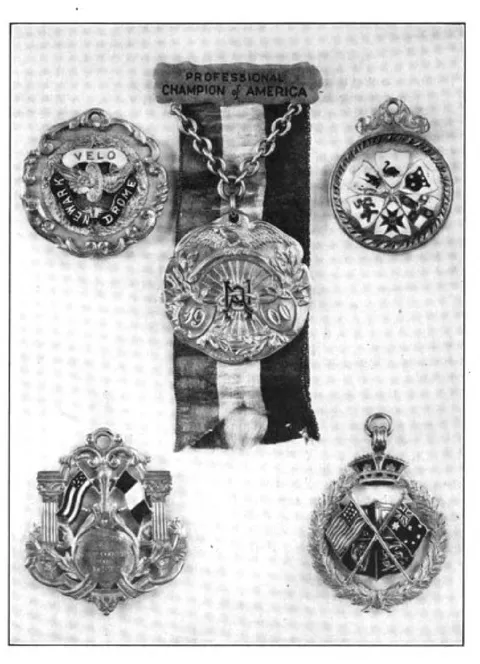 (opens in a new tab)
 Major Taylor's championship medals and "Professional Champion of America" ribbon 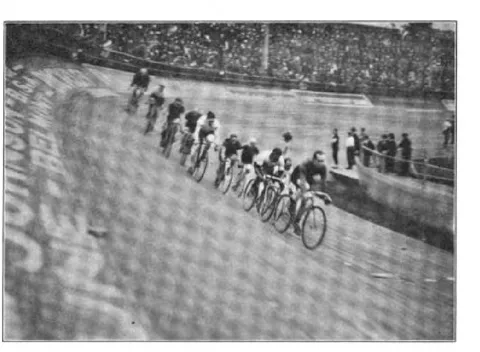 (opens in a new tab)
 Bell Lap, Old Timers' Race…Won by Major Taylor, Vailesburg, 1917