The Romance of the Cyclists Touring Club 1928
By James T. Lightwood192826 chapters33 images

Cite this book
Citation
James T. Lightwood. The Romance of the Cyclists Touring Club 1928. 1928. cyclearchive.com, https://cyclearchive.com/books/the-romance-of-the-cyclists-touring-club-1928/
Page numbers are pages of the PDF, which can differ from the numbers printed on the page.
Contents
- James T. Lightwood explains that the History was commissioned by the C.T.C. Council at Leeds in February 1926, drawn from the Club's own records and contemporary journals, and thanks S. J. A. Cotterell, a Founder and the Club's first Secretary.
- Traces the uncertain origins of the bicycle from the earliest velocipedes, ranging from antiquity to the machine's first appearance in Britain.
- The improvement of the early two-wheeler by inventors such as James Starley of the Coventry Company, who realised the possibilities of the new machine.
- How touring cyclists, longing to escape the towns but frustrated by bad roads, poor maps and misleading sign-posts, came together to found the Bicycle Touring Club in 1878.
- The B.T.C.'s rapid growth after 1879 (proclaimed 'the largest Bicycle Club in the world'), the proposed 'Roll of Honour', and the change of name to the Cyclists' Touring Club, covering 1879–1900.
- The lean years of 1900–1909: the end of the cycling boom, the slump in machine sales and falling membership, set against wins for cyclists such as relief from bridge tolls.
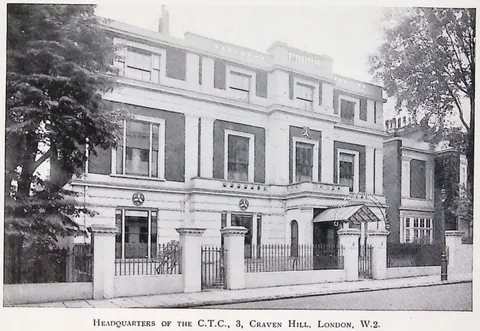
- The Club's recovery from 1910, when the Council left Victoria Street and fixed on new headquarters at 280 Euston Road.
- The constitution of the Club's governing body, a President, Vice-Presidents, Honorary Secretary and Treasurer and sixteen Chief Consuls, and its revision from 1878 onward.
- Cotterell's founding 1st Monthly Circular of October 1878, reproduced as effectively No. 1 of the present Club magazine, and the growth of the C.T.C. Gazette.
- The Club's original 'Object' pledging legal help and protection to members wronged on the road, and the important system of legal defence it grew into.
- The formation and work of the C.T.C.'s District Associations across the country as local arms of the Club.
- The appointment of official B.T.C./C.T.C. headquarters hotels, from Cotterell's negotiations with proprietors, and the Club's erection of danger boards warning riders of dangerous hills.
- Women in the Club: after an all-male first year of 'Seven Hundred and Eighteen Men', the first lady candidate was Mrs Welford, wife of the Secretary.
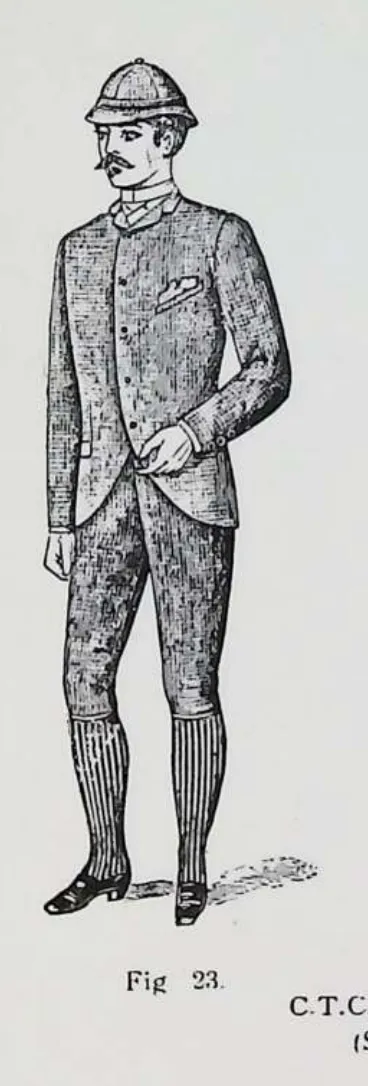
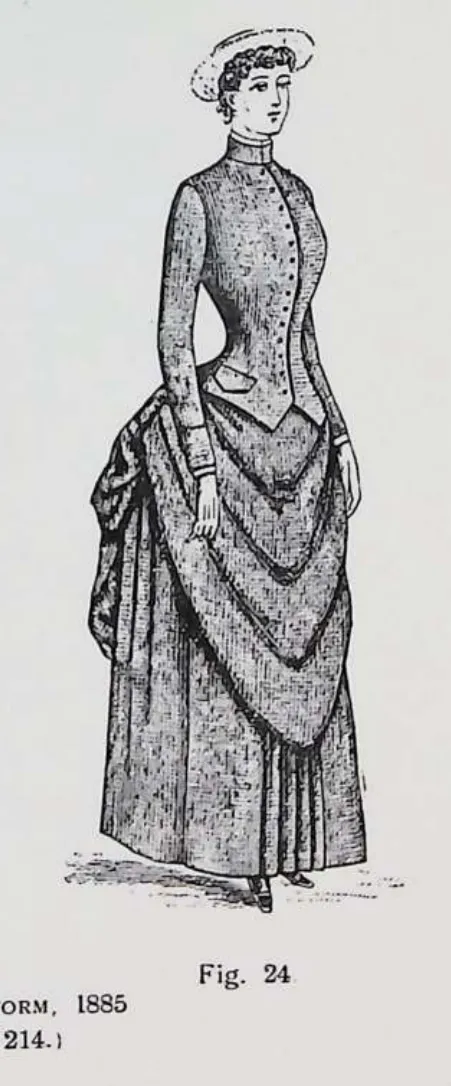
- The Club's badges, from the early red cardboard members' ticket signed by Cotterell, and the official cycling uniform of the B.T.C. and C.T.C.
- The Club's long dealings with the railway companies over the carriage of cycles, from Rowley Turner landing his velocipede at Dover onward.
- The C.T.C.'s alliances with kindred bodies, notably the Roads Improvement Association formed with the N.C.U. in 1886 and the first British Roads Conference at Gloucester.
- The Club's activities in Europe, America and further afield, opening with the 1877 foreign tour of Louis Meldon of Dublin and C. W. Fagan of London.
- Military cycling, ambulance classes and camping, including the 1882 Volunteer Cyclist Battalion and a Cyclists' Branch of the Intelligence Corps and Signallers.
- A bibliography of books on cycling compiled for the History.
- A bibliography of cycling periodicals and journals.
- A note on the Sir Alfred Bird Prize.
- A list of the Club's Presidents and Chairmen of the Council.
- The membership of the C.T.C. Council in 1928.
- A year-by-year table of the Club's membership numbers.
- A year-by-year statement of the Club's profit and loss.
- A list of the Club's own publications.
Images in this book 33 pictures from 334 pages
Illustrations 12
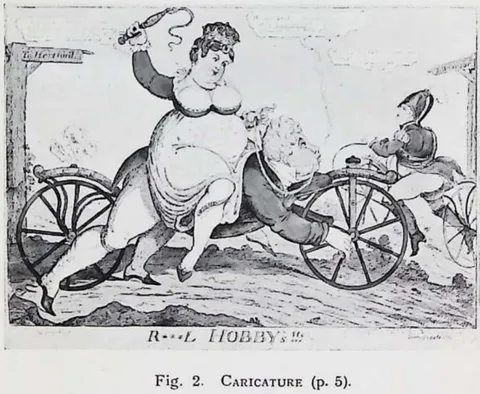 , Illustration, page 32 (opens in a new tab)
 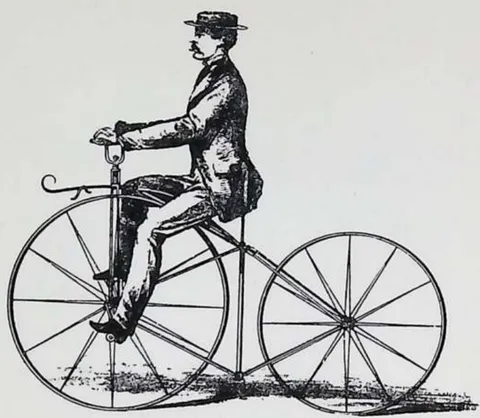 , Illustration, page 68 (opens in a new tab)
 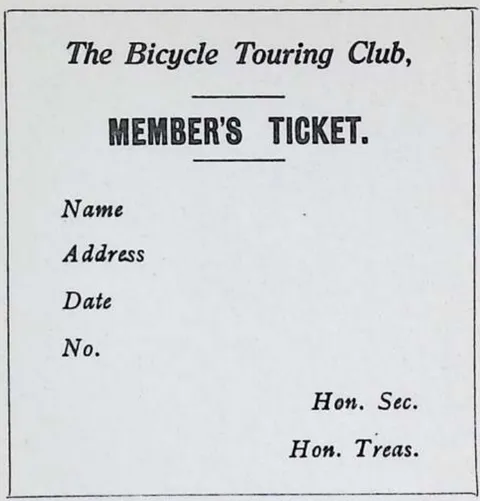 , Illustration, page 78 (opens in a new tab)
 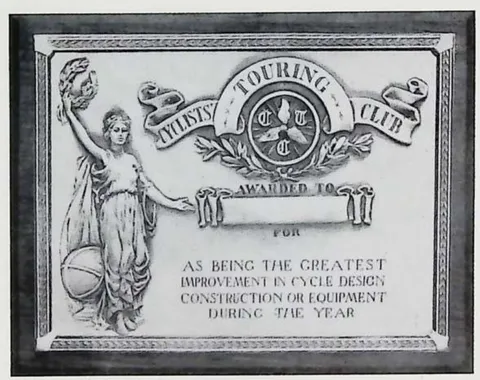 , Illustration, page 194 (opens in a new tab)
 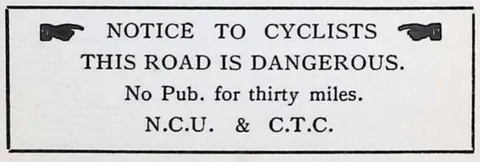 , Illustration, page 229 (opens in a new tab)
 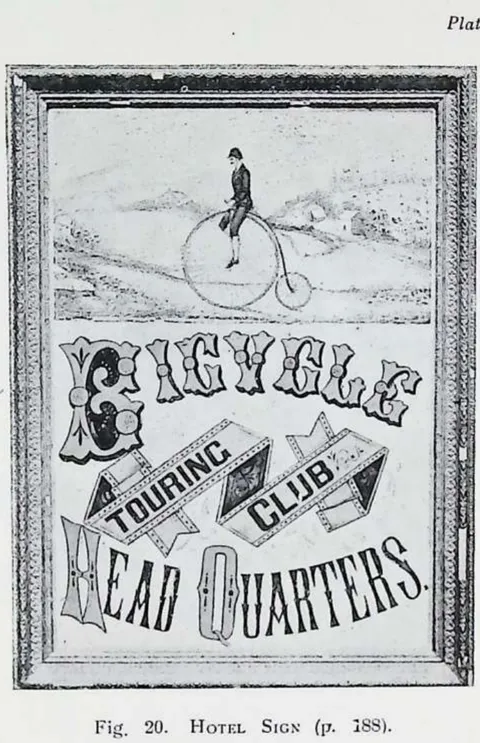 , Illustration, page 230 (opens in a new tab)
 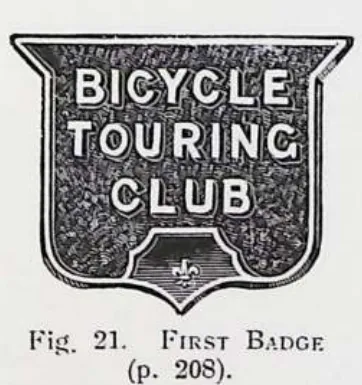 , Illustration, page 230 (opens in a new tab)
  , Illustration, page 230 (opens in a new tab)
 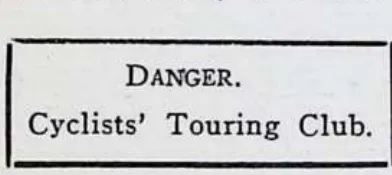 , Illustration, page 234 (opens in a new tab)
  , Illustration, page 234 (opens in a new tab)
  , Illustration, page 266 (opens in a new tab)
  , Illustration, page 266 (opens in a new tab)
Photographs 3
 , Photograph, page 5 (opens in a new tab)
 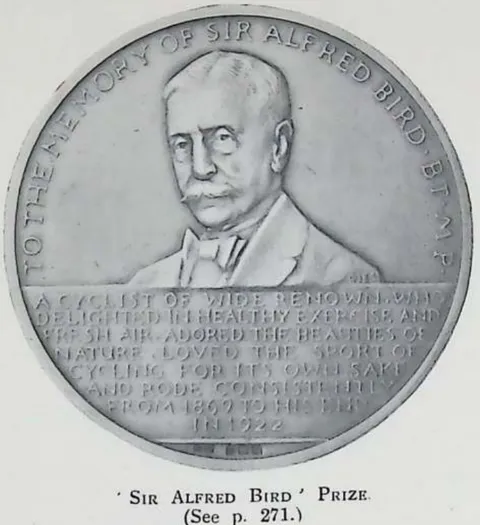 , Photograph, page 284 (opens in a new tab)
 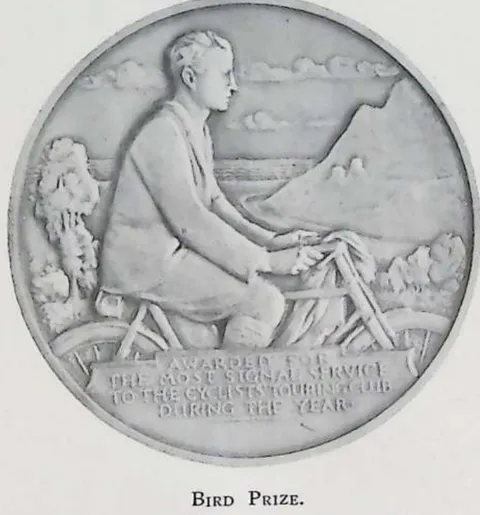 , Photograph, page 284 (opens in a new tab)
Cartoons 3
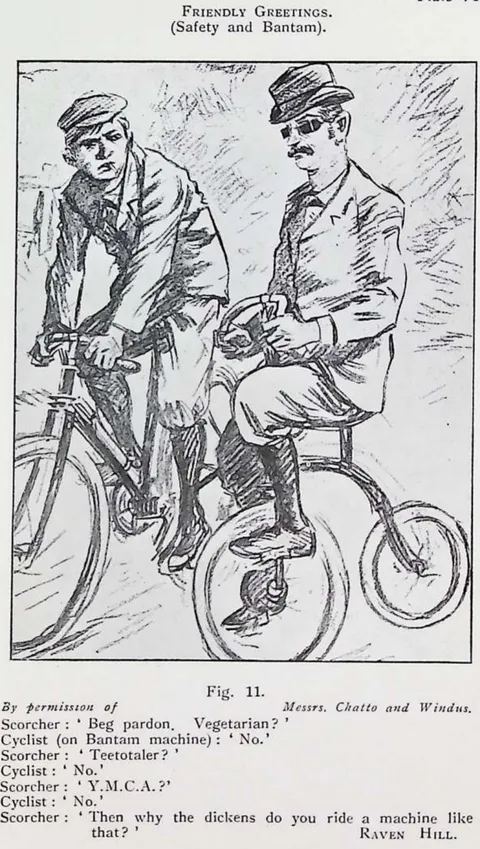 , Cartoon, page 122 (opens in a new tab)
 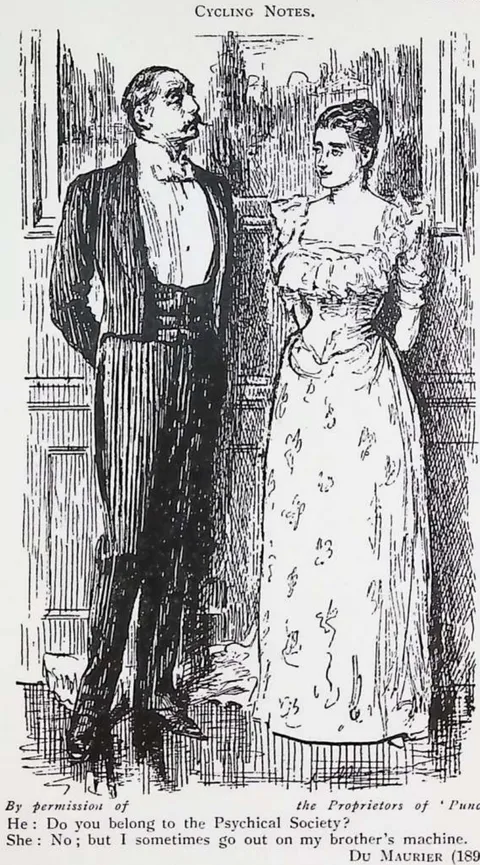 , Cartoon, page 212 (opens in a new tab)
 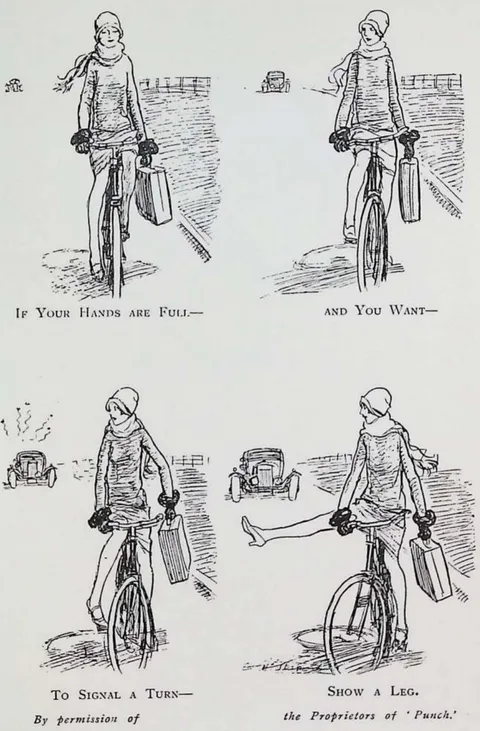 , Cartoon, page 248 (opens in a new tab)
Diagrams 15
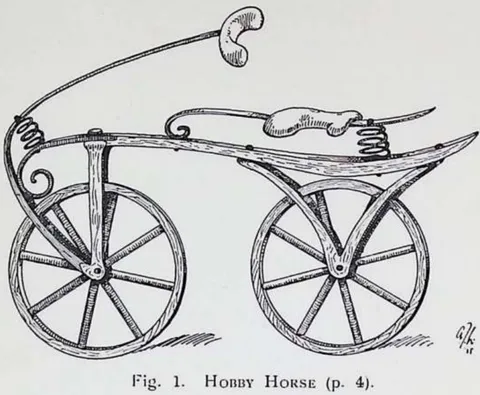 , Diagram, page 32 (opens in a new tab)
 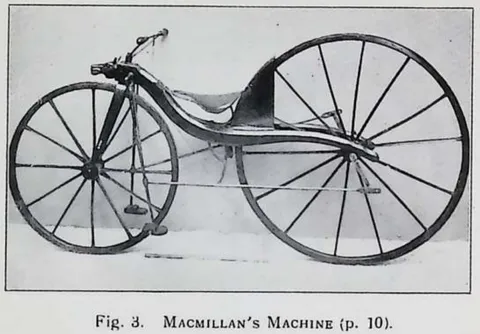 , Diagram, page 50 (opens in a new tab)
 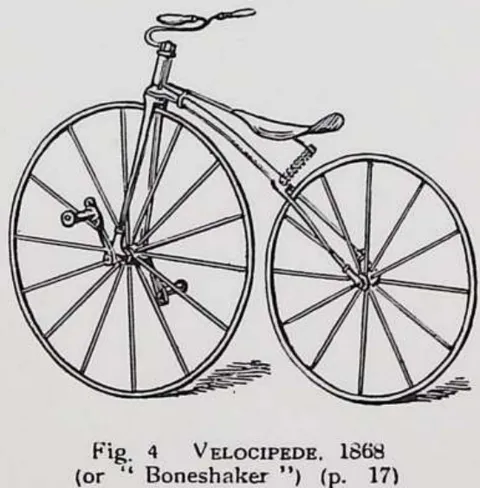 , Diagram, page 50 (opens in a new tab)
 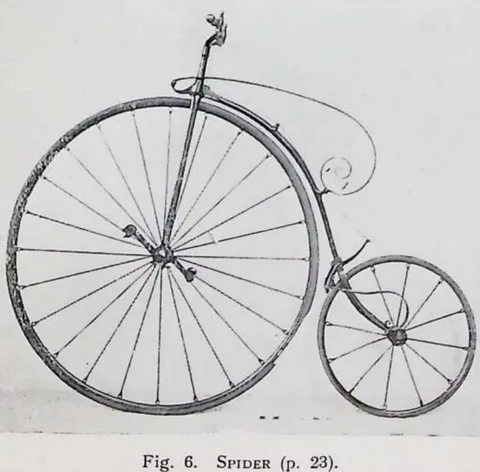 , Diagram, page 68 (opens in a new tab)
 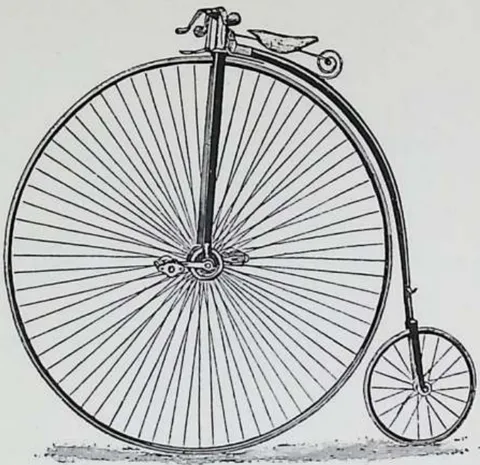 , Diagram, page 86 (opens in a new tab)
 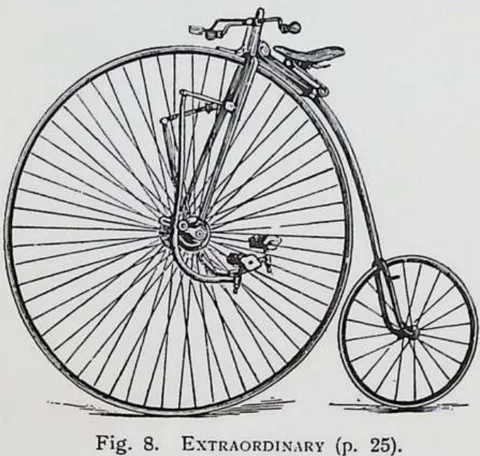 , Diagram, page 86 (opens in a new tab)
 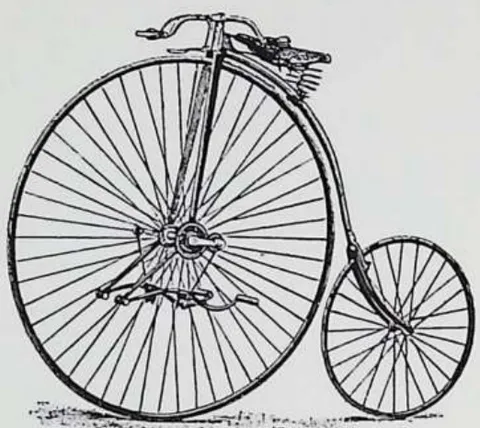 , Diagram, page 104 (opens in a new tab)
 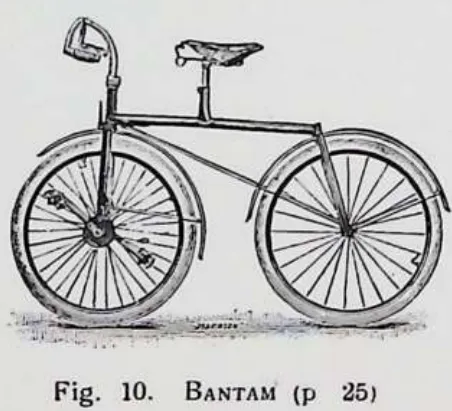 , Diagram, page 104 (opens in a new tab)
 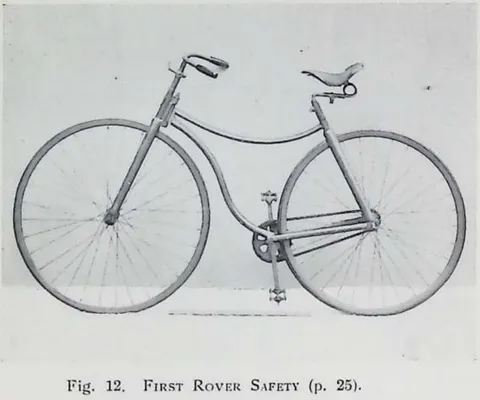 , Diagram, page 140 (opens in a new tab)
 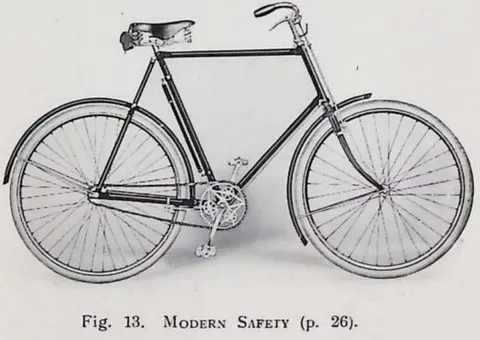 , Diagram, page 140 (opens in a new tab)
 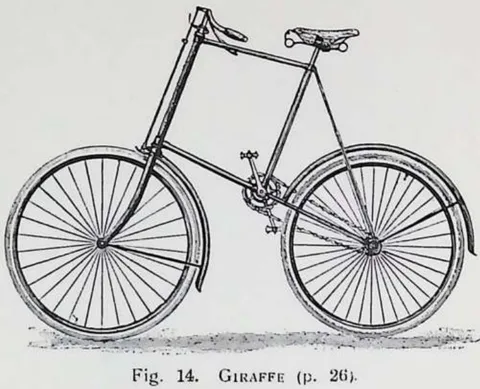 , Diagram, page 158 (opens in a new tab)
  , Diagram, page 158 (opens in a new tab)
  , Diagram, page 176 (opens in a new tab)
  , Diagram, page 176 (opens in a new tab)
  , Diagram, page 194 (opens in a new tab)