Vol 30, No 1
189940 articles96 images
Articles in this issue
- Harrison K. Parker's illustrated tour of historic Boston and its suburbs, taking in the Old South Meeting-house, Christ Church ("Old North") and Paul Revere's signal lanterns, the Bunker Hill Monument, Harvard College and the Wadsworth House that served as Washington's headquarters, and the Concord homes of Hawthorne, the Alcotts, Emerson and Thoreau.
- F. S. Hesseltine's account of wheeling through southern England, comparing the tied brewery "publics" and chicory coffee of English wayside inns unfavourably with French and German village houses, and riding from Southampton to Winchester, Exeter, Dawlish, Torquay, Dartmouth, Totnes, Plymouth, Truro, Penzance and St. Michael's Mount, New Quay, Bedruthan Steps and Tintagel, where Sylvanus Trevail's King Arthur's Castle hotel opened in June 1899.
- A sentimental story of two orphaned sisters in a rear city flat: paralysed, bedridden Alice lives for the patch of blue seen through her one high window, and Margaret puts aside the suitor she loves rather than leave her, until Alice dies as the June sun at last reaches the little window.
- Frederic W. Taylor describes the rail journey from Moscow to Tula and the fifteen-verst droshky drive to Yasnaya Polyana, where Tolstoy's English-speaking daughter received the party and the ailing count questioned them about conditions in America and the new West, the censor, and the wastefulness of American forestry compared with Russia's crown forests.
- A two-stanza poem by Nixon Waterman giving thanks to "The Source" for "a woman's love, a sheaf of grain, a lily and a song."
- L. S. Hale's humorous account of the clerk's two-week vacation begun on a hot August Saturday, from the scramble for a shady window seat and the invading party with bags, crayon portrait and tin pail, through the magazine and candy butcher, the brakeman's ice-water teakettle and the station lunch-room rush that Mark Twain compared unfavourably with France's thirty minutes for dinner.
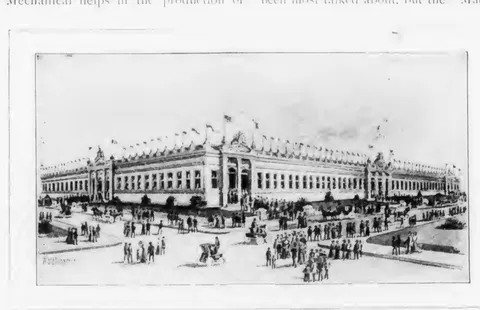
- Hal P. Denton previews the National Export Exposition to be held in Philadelphia from September to November 1899 under the Franklin Institute and the Philadelphia Commercial Museum, on fifty-six acres on the west bank of the Schuylkill near Fairmount Park, and sketches the city's $300,000,000 of manufacturing capital, Independence Hall and the Liberty Bell.
- The magazine's "War Editor" prints a symposium of readers' answers to "What is the United States fighting for in the Philippines?", leading with Edward Atkinson's four anti-imperialist counts and following with scores of anonymous one-line replies ranging from "To extend Christian civilization" to "To enable American capital to operate in the islands with cheap labor."
- The building of the Boston subway under the Common, from the Rapid Transit Commission of 1891 and the Board of Subway Commissioners of January 1894 to the first digging on March 28, 1895: nearly two miles long with five miles of track, forty-eight feet wide on the Tremont street section, carrying seventy-six electric-car lines and leased to the Boston Elevated R. R. Co. for just over $200,000 a year.
- Elliott's Magazine's opening statement of policy, asking to be judged on its current worth alone, promising refunds to dissatisfied subscribers, and pledging preference to literature and art so far as the advertiser's money allows.
- A note on the illogic of geographical speech, asking why a New Yorker comes "up to Boston" while a Bostonian goes "down to New York" when both cities are at sea level, and why a southerner goes "up" to Ohio or Michigan.
- Statistics for the year ending June 30, 1898: 47,741 railway casualties in all, 6,859 persons killed and 40,882 injured, including 1,958 railway employees killed and 31,761 injured, with separate figures for trainmen, switchmen and other employees killed in coupling and uncoupling cars, falls from trains, collisions and derailments.
- On the proposal to establish a "Dewey Day" in the public schools and, by contrast, Iowa's "Bird Day", which Professor C. H. Morrill, superintendent of schools at Fort Madison, reports stopped the boys killing songsters and filled the rooms with bird music and visitors.
- Pope's quatrain on vice applied to the bicycle: the ministers who once declared that no lady or gentleman would ever ride now go cycling with their wives and families.
- The entertainment committee's arrangements for the League of American Wheelmen's national meet at Boston, August 14 to 19, with committee offices and general headquarters at the Hotel Brunswick, a press room for newspaper men, daily steamboat excursions in Boston harbor, a ten per cent hotel reduction for members, Henry C. Nickerson chairing transportation and Aaron Wolfson handling hotel accommodations.
- Meet travel terms: a fare-and-a-third certificate rate from all points west of Chicago, a single fare for the round trip from Chicago and points east except within 200 miles of Boston, and free carriage of bicycles by all New England railroads for League members during meet week.
- The official day-by-day program for August 14 to 19, from the opening of headquarters at the Hotel Brunswick and a moonlight run through the Boston park system to runs to Nantasket Beach, the Blue Hills of Milton, Middlesex Fells, Longfellow's Wayside Inn and the route of Paul Revere's ride, Mayor Josiah Quincy's reception, band concerts and races at Charles River Park, and a fireworks display on the Common.
- Practical notes for meet visitors: personally-conducted tours to the White Mountains, Berkshire Hills and North Shore through Paul I. Aldrich of the National Touring Committee, century runs under H. W. Knights of the Century Road Club of America, race programs from G. W. Tarbell of the Boston Globe, the Park Commissioners' deferral of the sunset lamp rule to August 21, and Merchants and Miners steamer rates of $18 from Baltimore and $16 from Norfolk.
- An appreciation of bicycle racing as the king of athletic sports, arguing that the silent admiration given to sprinters, hurdlers, pole-vaulters and hammer-throwers turns to a roar of insuppressible enthusiasm when the riders, a moving prism of colours, come into the stretch for the tape.
- Newt. Newkirk's parody of Edwin Markham's "The Man with the Hoe", attacking the scorcher's spread-eagle crouch over dropped handle-bars and asking whether man must assume the posture of four-footed beasts in order to ride a wheel.
- The League's first action against a member abusing the free-entry privilege: D. A. McDonald of Boston toured Canada in 1898 on his L. A. W. card but never reclaimed his membership card or proved he brought the wheel back, and after he refused to make an affidavit over fifty cents of notary fees Secretary Abbot Bassett paid the customs officials himself and McDonald was cut off from further L. A. W. benefits.
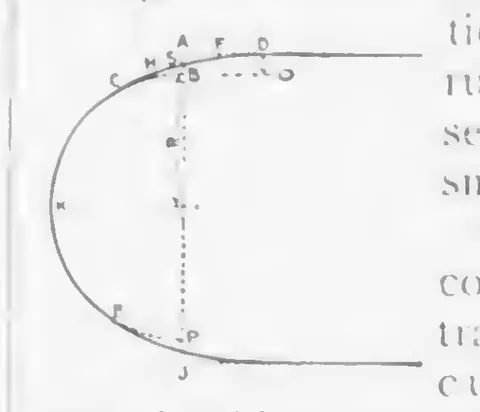
- On the objection to race tracks whose circular ends meet the straight stretches without modification, citing Wm. S. Raymond's article in Engineering News recommending the "railroad spiral" as an easement between curve and straight.
- A court decision of importance in every state, secured by the League through A. B. Choate of Minneapolis of the L. A. W. Highway Committee, upholding the law forbidding teams to drive on the cycle path built between Minneapolis and Lake Minnetonka; the teamsters' three-day challenge to its constitutionality failed and the defendant was fined $25.
- Several L. A. W. members report savings of $3.75 to $29.10 on hotel bills through their League membership, which costs only $1 a year.
- Gilbert J. Loomis of Westfield, Mass., offers a problem no scientific paper could answer: leaving road-bed, wind resistance and friction out of account, find the law determining a rider's speed at any distance from the top of a hill of given grade, and the ratio of increase in speed.
- The racing attraction of the national meet, with a table of L. A. W. champions at the quarter, third, half, one, two and five miles since the safety came into popularity in 1892, and an explanation of the 1898 points system under which Tom Butler of Cambridge was declared professional champion and Frank Kramer of Newark, N. J., amateur champion.
- Joe Lincoln's comic "patent poem" on the great Skiyudle race, illustrated with reusable cuts of the start, first lap and finish and instructing the reader to repeat the second-lap stanza and picture as often as needed to stretch the race from a half mile to fifty.
- Short trade notices: Bi-cy-ka rust preventer and cleaner in collapsible tubes from the Raven Gloss Mfg. Co. of Barclay street, New York; the American House, Boston, on the European plan at $1 a day; and a reminder that traveling wheelmen who favour good roads will appreciate the Boston & Albany.
- Maurice O. Eldridge, assistant director of the Office of Road Inquiry, argues that bad roads are the greatest drawback to rural life, that good roads raise the value of farm lands, cut wear on horses and vehicles and make rural free delivery possible, and quotes Charles Sumner that the road and the schoolmaster are the two most important agents in advancing civilization.
- Two hundred good roads advocates of the Connecticut Valley Highway Association gathered at the annual clam-bake at Monson, Mass., "the home of trap rock", where President W. L. Dickinson called for a systematic plan of road construction and maintenance in every state, city and town.
- The League of American Wheelmen's official pages, edited by Abbot Bassett, listing the officers for 1899 and 1900 under President Thomas J. Keenan, Jr., of Pittsburg, the national committees on Membership, Rights and Privileges, Highway Improvement, Touring, Transportation, Racing, Local Organization and Press, and the chief consuls and secretary-treasurers of every state division.
- Chief Consul Edward N. Hines of Detroit reports that H. S. Earle's Highway Improvement Committee is furnishing speakers free of charge to farmers' institutes, granges and good roads leagues, and appeals for help in reaching the 662 Michigan members who have not renewed since December.
- Chairman Henry C. Nickerson announces one first-class fare for the round trip to Boston from all Central Passenger Association points, tickets on sale August 11 and 12 with return extendable to August 30, and a fare-and-one-third certificate plan from Western Passenger Association territory west of Chicago, Peoria and St. Louis.
- An appeal to the Kansas division's dwindling membership, now down to 170, urging members to stop sitting by the fire talking about winter and to work for sidepaths and a "Good Roads" increase in the state.
- The division's financial report for the quarter ending May 31, 1899, itemising receipts from Abbot Bassett, road books and renewals against payments for guide boards, prizes for applications, printing and postage, and balancing at $867.17; signed by Sec.-Treas. Wm. A. Wells and approved by W. A. Howell, O. H. Hammond and E. H. Wilkins.
- The committees appointed to nominate a chief consul, vice-consul and secretary-treasurer and district representatives for the autumn division election, listing chairmen and members for the nine districts from Philadelphia to Allegheny; P. S. Collins, Sec.-Treas.
- Pennsylvania members' two routes to the Boston meet: rail at $7.50 all-rail, or the more popular Sound steamer route leaving the Reading Terminal, Philadelphia, on Saturday, August 12 for the Fall River boat from New York, with state rooms reserved by C. J. Wickersham and bicycles carried free.
- Chief Consul Conway W. Sams warns League members going to Ocean City, Md., that the hotels there decline to give League discounts, and asks members always to notify their chief consul when a League hotel fails to honour its listing.
- Replies to correspondents: chainless bicycles are used by some racing men and several records have been lowered on them this season; an article on photographing animals will appear in the September number; and an L. A. W. application cannot be rushed, with no distinction made regarding sex.
- A closing column of aphorisms and light verse on advertising, conscience and kindness, opening with Pope's couplet on letters and adding that a clear conscience is to be chosen rather than a brick block.
Images in this issue 96 pictures from 39 pages
Illustrations 6
 (opens in a new tab)
 Agricultural Machinery and Implement, Vehicle and Furniture Department 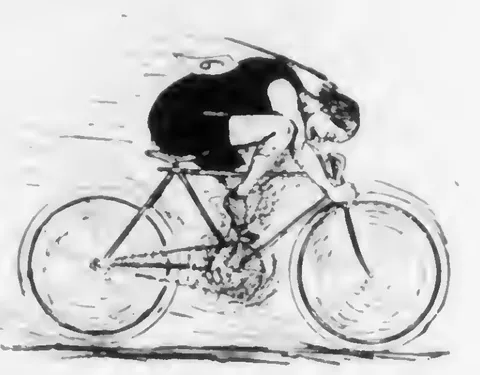 (opens in a new tab)
 'The Second Lap', Veteran's Tale of the Race 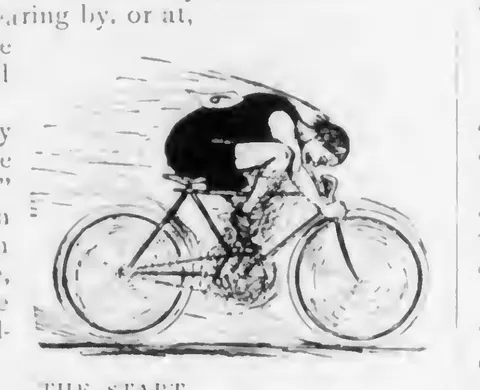 (opens in a new tab)
 'The Start', Veteran's Tale of the Race 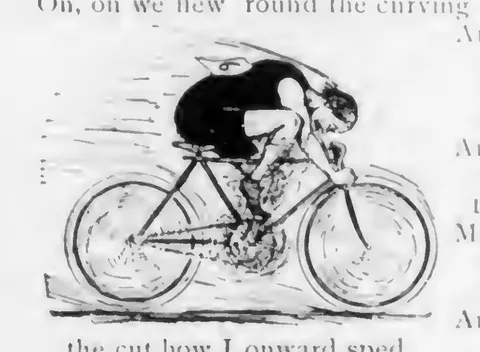 (opens in a new tab)
 'The First Lap', Veteran's Tale of the Race 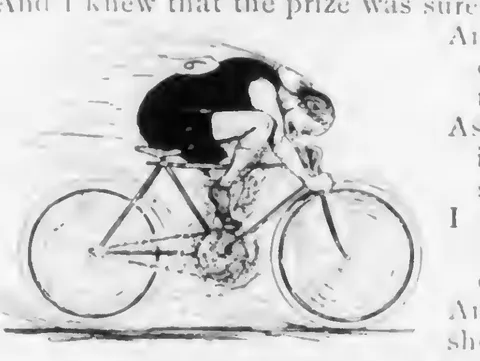 (opens in a new tab)
 'The Race Was Won', Veteran's Tale of the Race  (opens in a new tab)
 Veteran Bar emblem
Photographs 41
 (opens in a new tab)
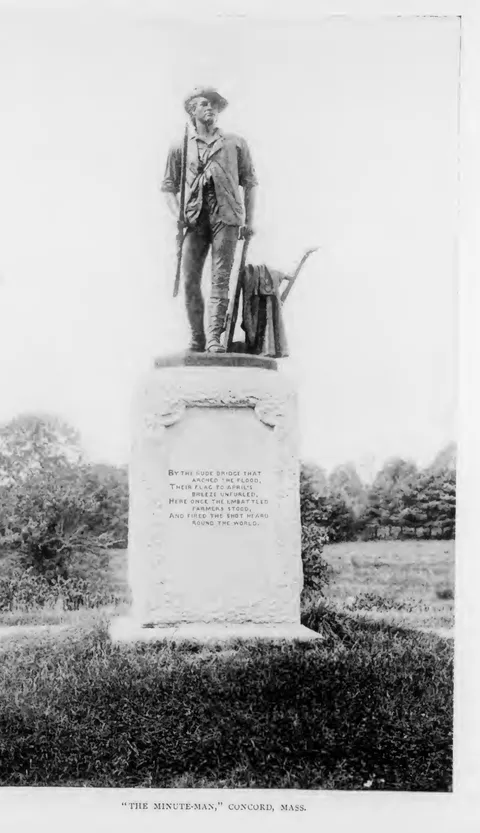
 'The Minute-Man,' Concord, Mass. 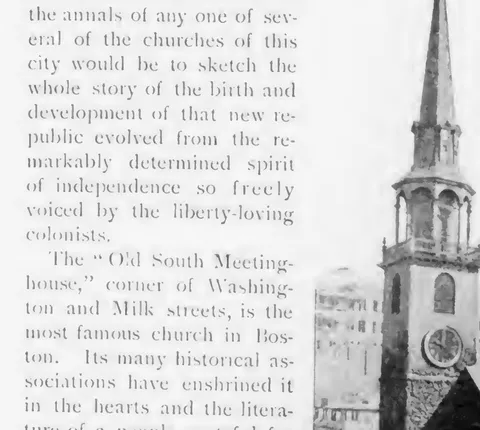 (opens in a new tab)
 'Old South' 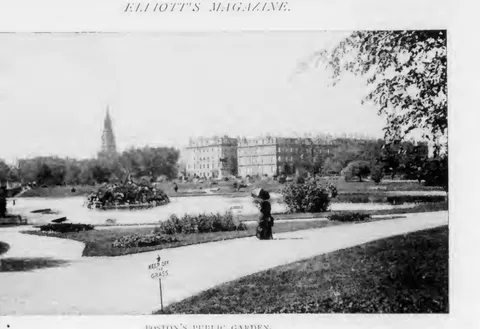 (opens in a new tab)
 Boston's Public Garden 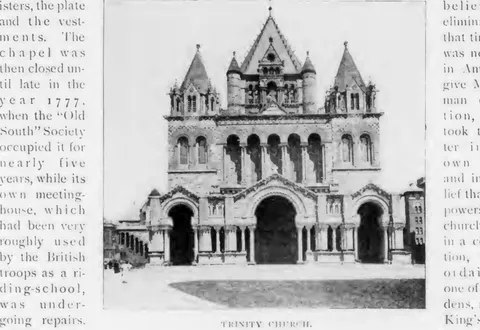 (opens in a new tab)
 Trinity Church 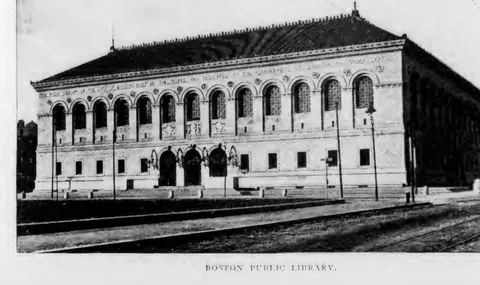 (opens in a new tab)
 Boston Public Library 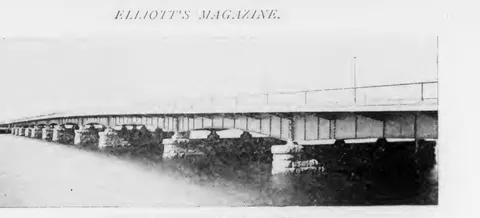 (opens in a new tab)
 Harvard Bridge, over the Charles 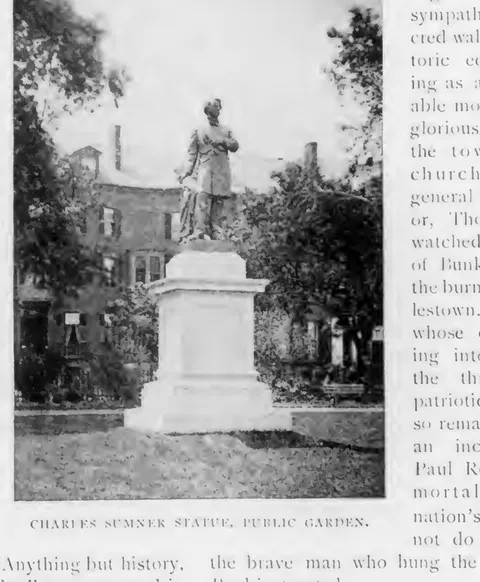 (opens in a new tab)
 Charles Sumner Statue, Public Garden 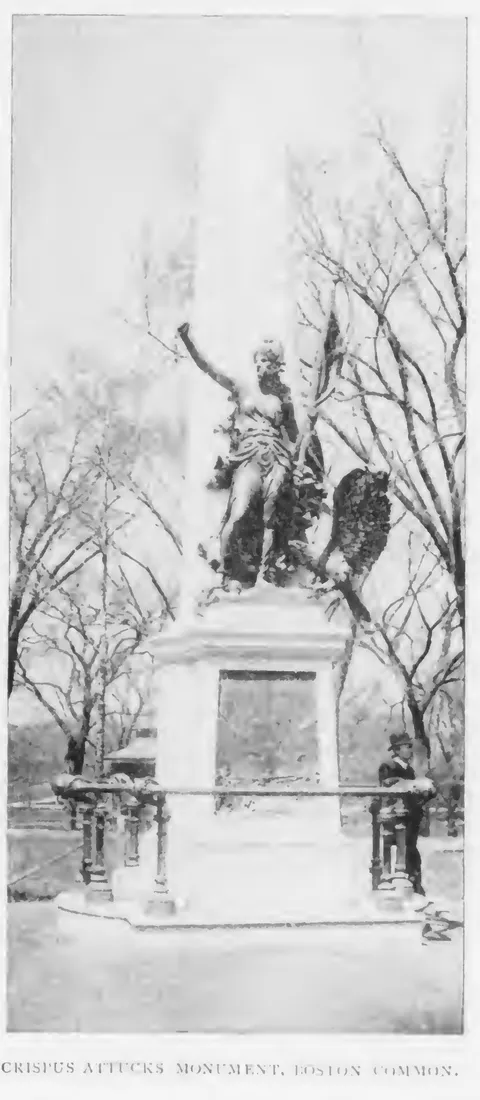 (opens in a new tab)
 Crispus Attucks Monument, Boston Common 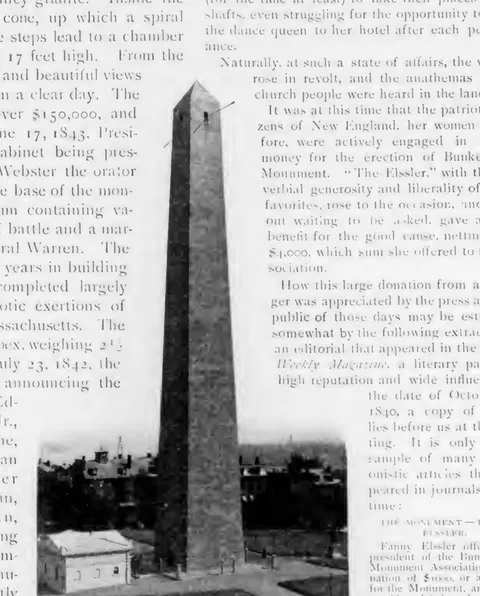 (opens in a new tab)
 Bunker Hill Monument 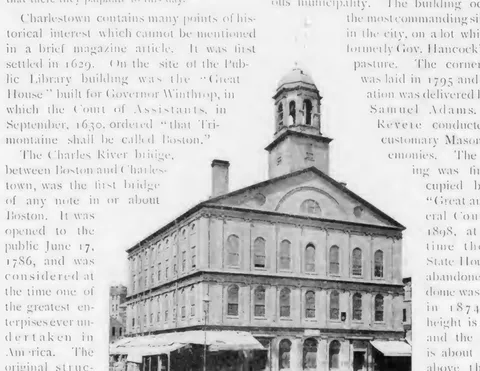 (opens in a new tab)
 Faneuil Hall 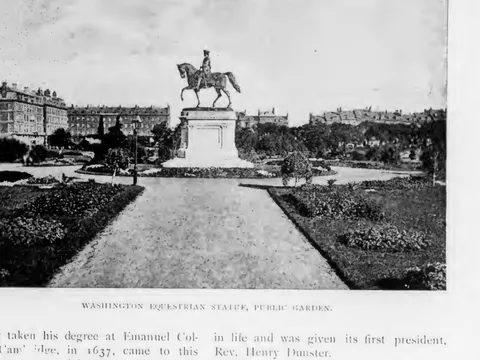 (opens in a new tab)
 Washington Equestrian Statue, Public Garden 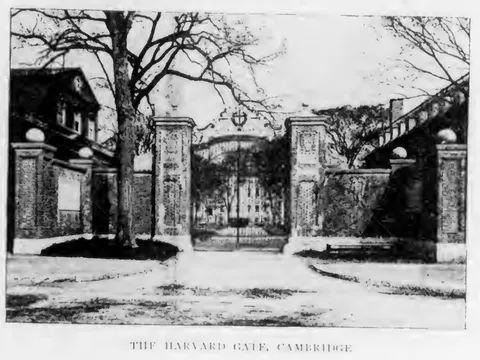 (opens in a new tab)
 The Harvard Gate, Cambridge 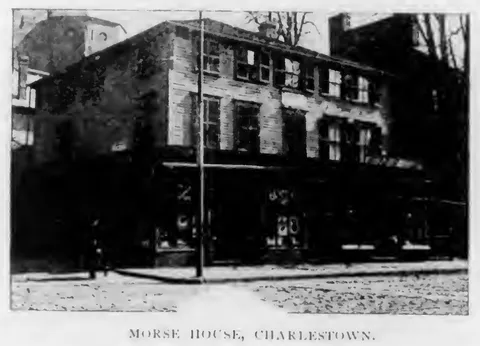 (opens in a new tab)
 Morse House, Charlestown 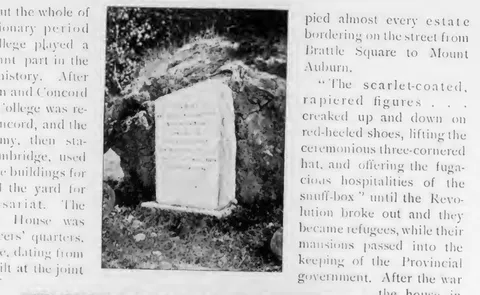 (opens in a new tab)
 Inscribed boulder marker, Cambridge 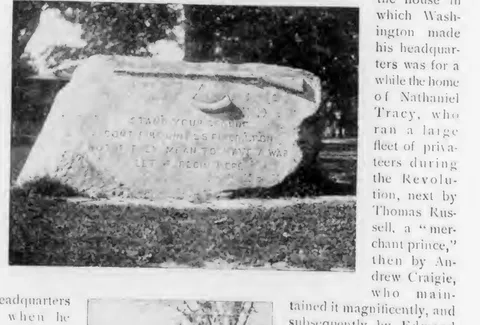 (opens in a new tab)
 Boulder marker, 'Stand Your Ground' 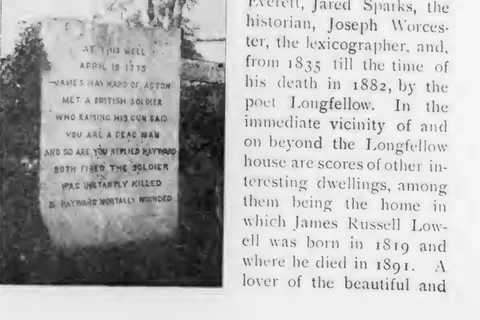 (opens in a new tab)
 Inscribed gravestone, Lexington 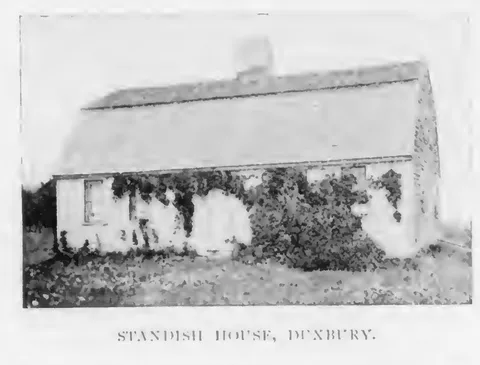 (opens in a new tab)
 Standish House, Duxbury 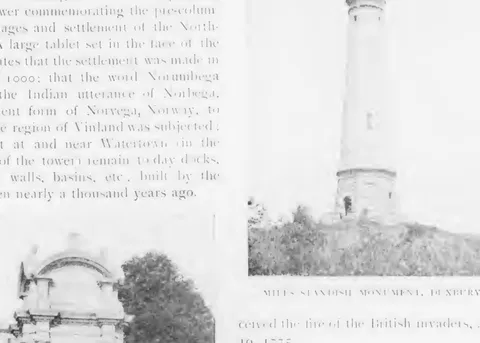 (opens in a new tab)
 Miles Standish Monument, Duxbury 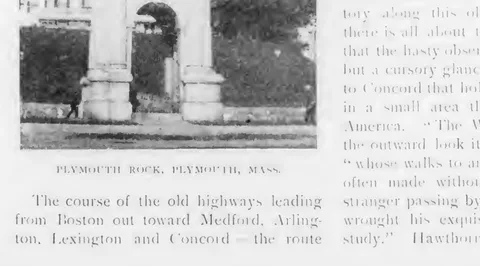 (opens in a new tab)
 Plymouth Rock, Plymouth, Mass. 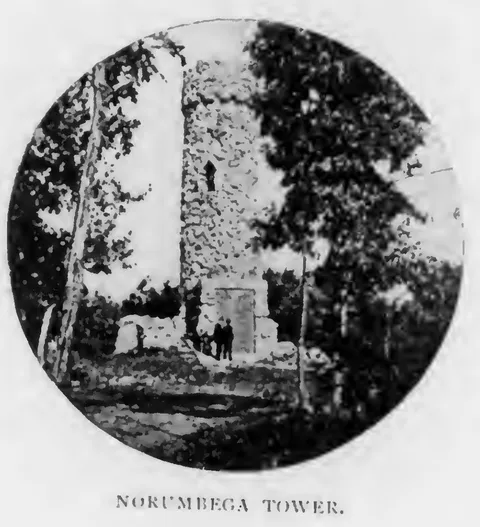 (opens in a new tab)
 Norumbega Tower 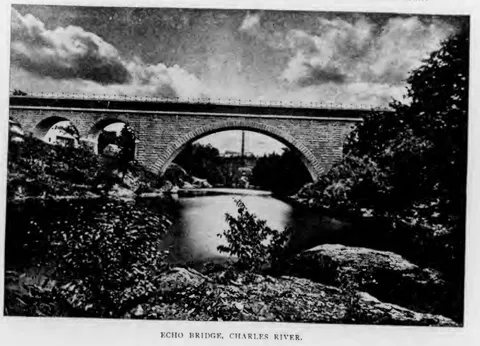 (opens in a new tab)
 Echo Bridge, Charles River 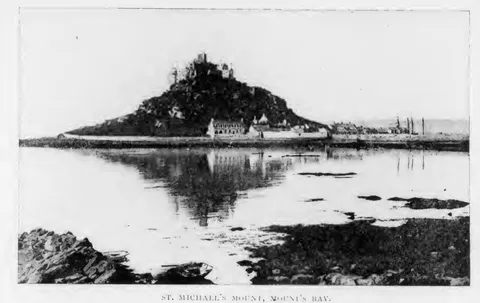 (opens in a new tab)
 St. Michael's Mount, Mount's Bay 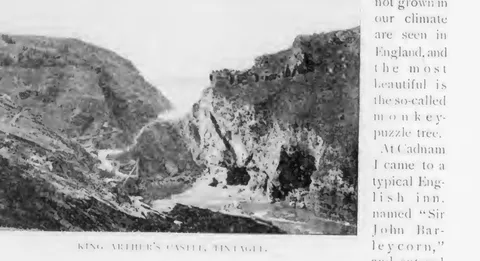 (opens in a new tab)
 King Arthur's Castle, Tintagel 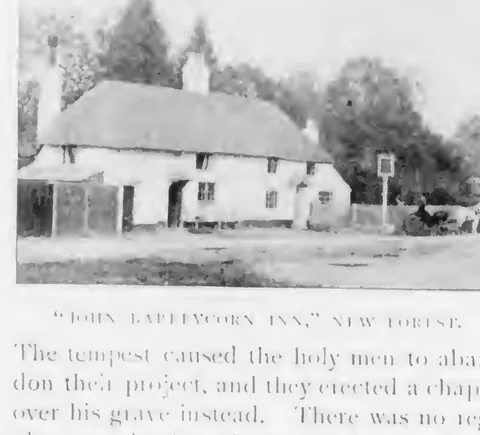 (opens in a new tab)
 'Sir John Barleycorn' Inn, New Forest  (opens in a new tab)
 English Thatched-Roof Cottage 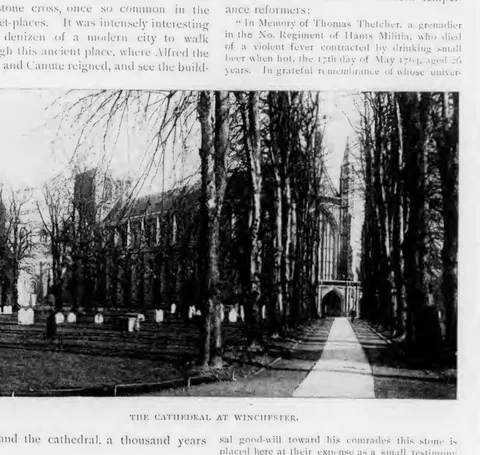 (opens in a new tab)
 The Cathedral at Winchester 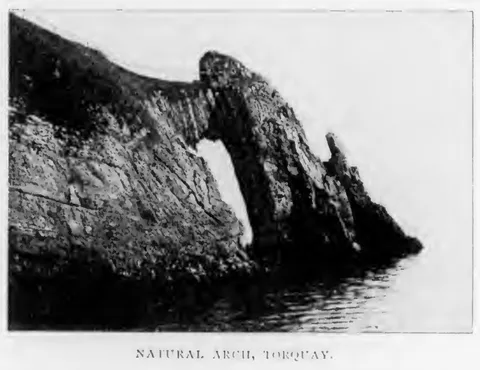 (opens in a new tab)
 Natural Arch, Torquay 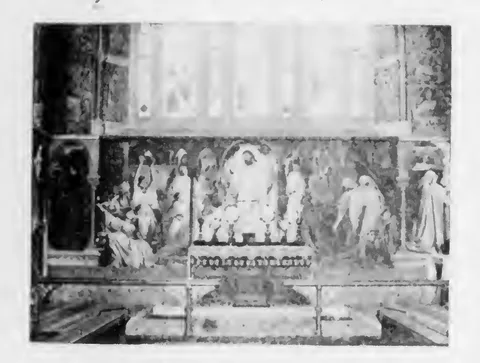 (opens in a new tab)
 The Ten Virgins' Altar 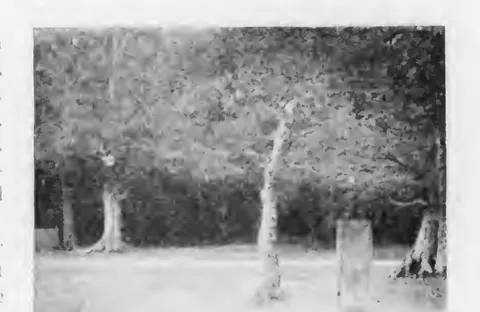 (opens in a new tab)
 The Rufus Stone 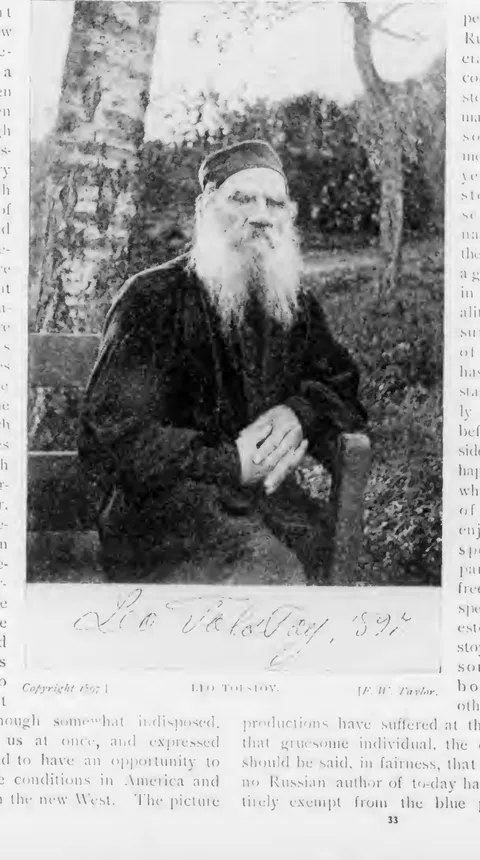 (opens in a new tab)
 Leo Tolstoy 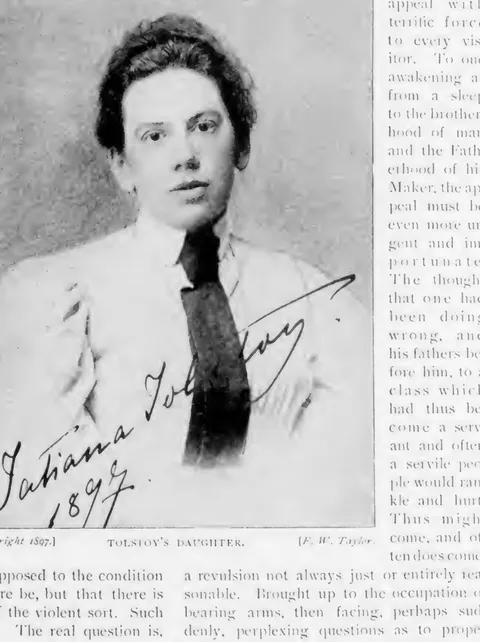 (opens in a new tab)
 Tolstoy's Daughter 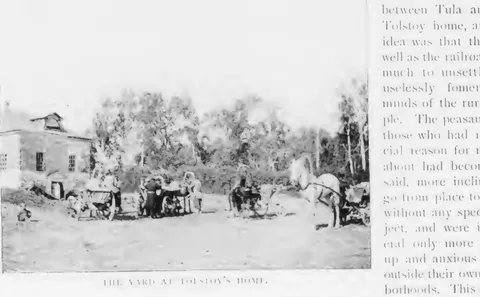 (opens in a new tab)
 The Yard at Tolstoy's Home 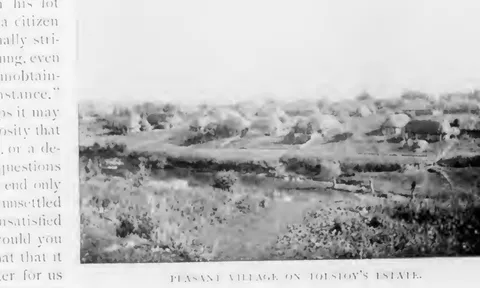 (opens in a new tab)
 Peasant Village on Tolstoy's Estate 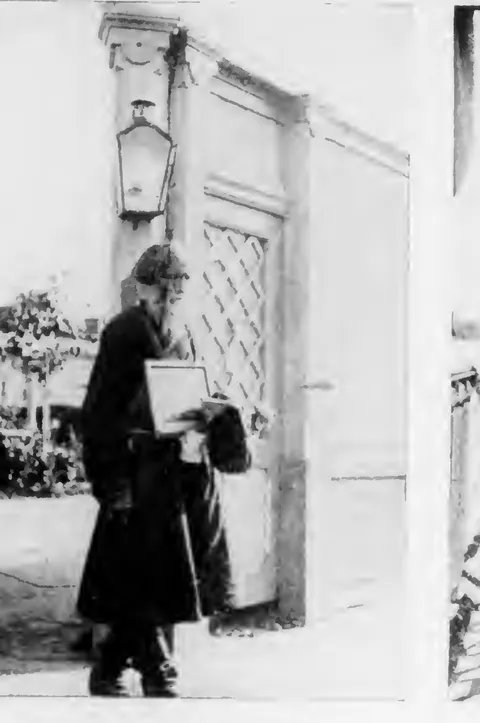 (opens in a new tab)
 Russian Church Beggar 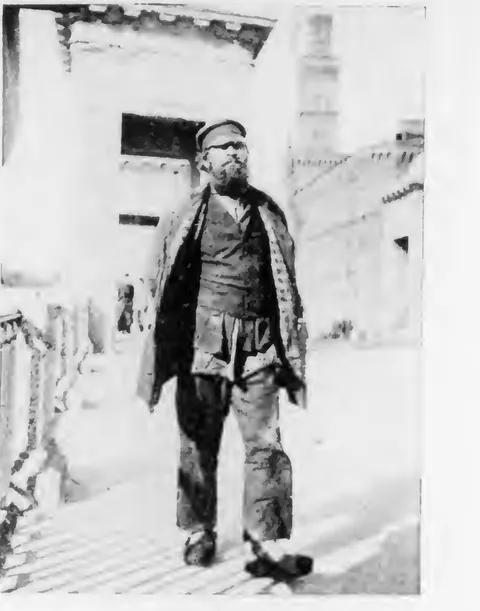 (opens in a new tab)
 Typical Russian 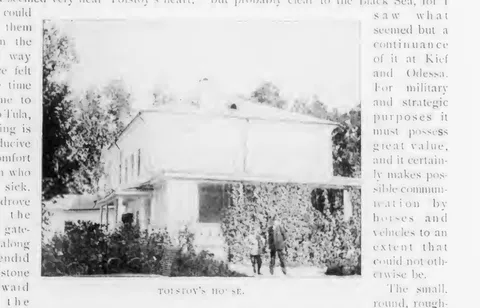 (opens in a new tab)
 Tolstoy's House 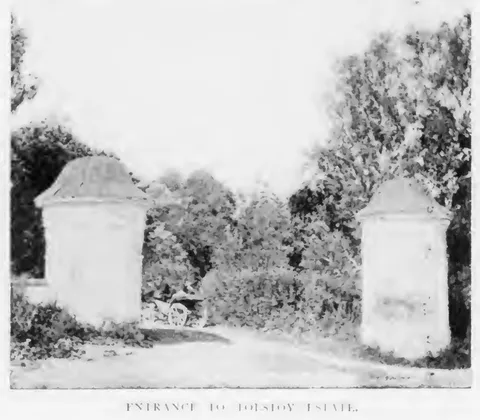 (opens in a new tab)
 Entrance to Tolstoy's Estate 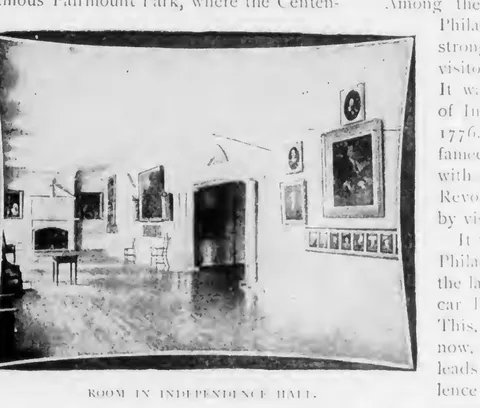 (opens in a new tab)
 Room in Independence Hall 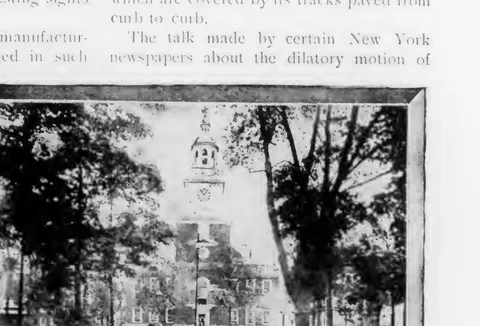 (opens in a new tab)
 Independence Hall 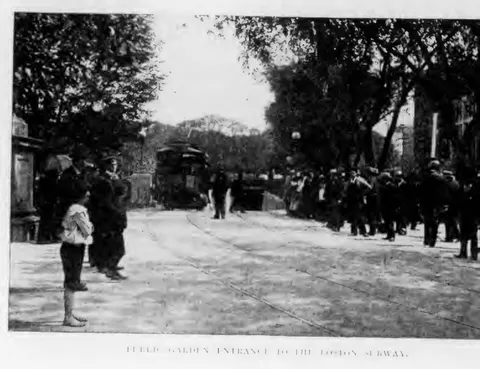 (opens in a new tab)
 Public Garden Entrance to the Boston Subway 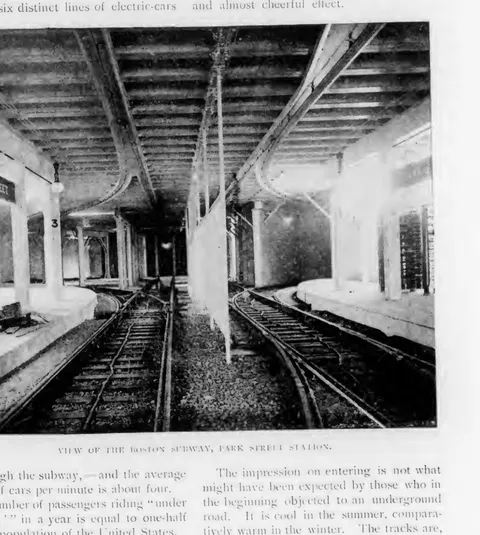 (opens in a new tab)
 View of the Boston Subway, Park Street Station
Diagrams 1
 (opens in a new tab)
 Diagram of a railroad spiral track curve
Mastheads 1
 (opens in a new tab)
 L.A.W. Bulletin and Good Roads masthead
47 advertisements
 (opens in a new tab)
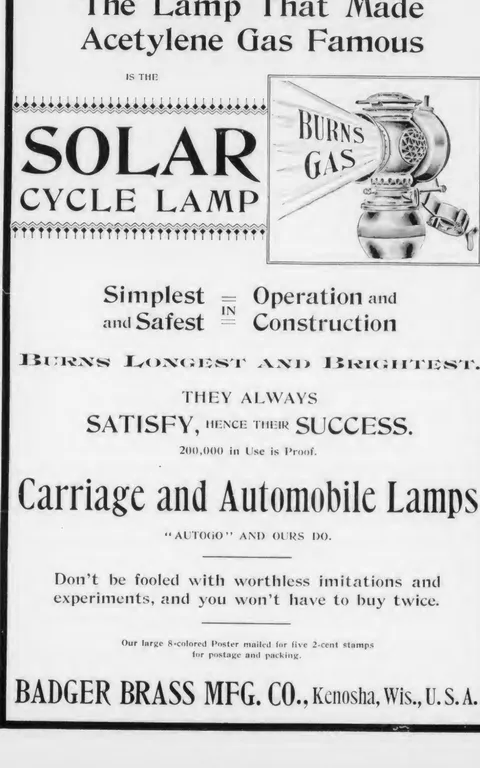
 Solar Cycle Lamp, Badger Brass Mfg. Co., Kenosha, Wis. - (opens in a new tab)
Solar Cycle Lamp, Badger Brass Mfg. Co., Kenosha, Wis. 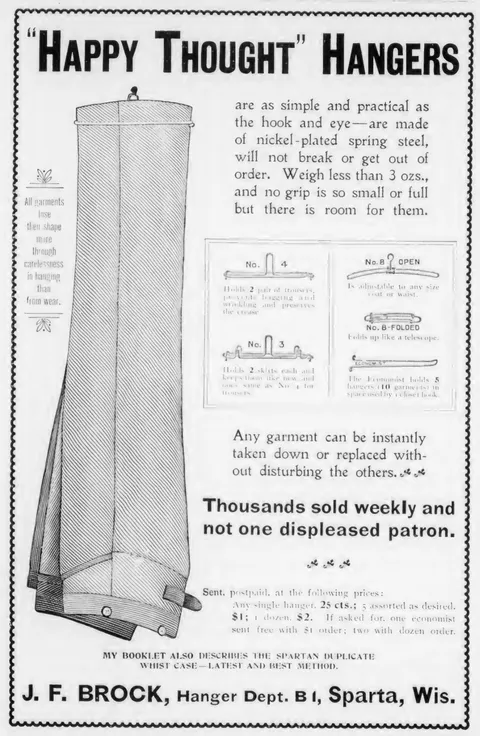 (opens in a new tab)
 'Happy Thought' Hangers, J. F. Brock, Sparta, Wis. 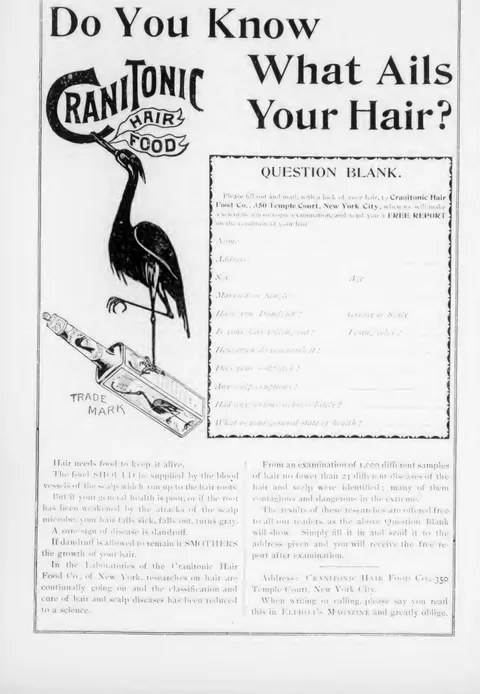 (opens in a new tab)
 Cranitonic Hair Food, Cranitonic Hair Food Co., New York 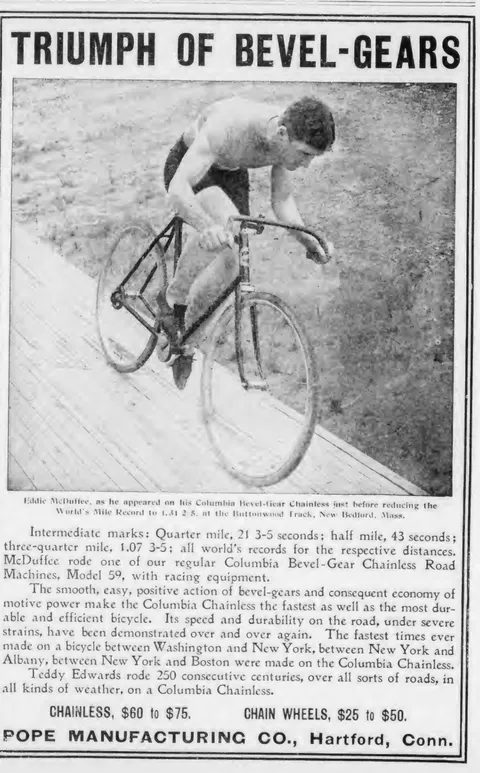 (opens in a new tab)
 Triumph of Bevel-Gears, Columbia Chainless, Pope Mfg. Co., Hartford 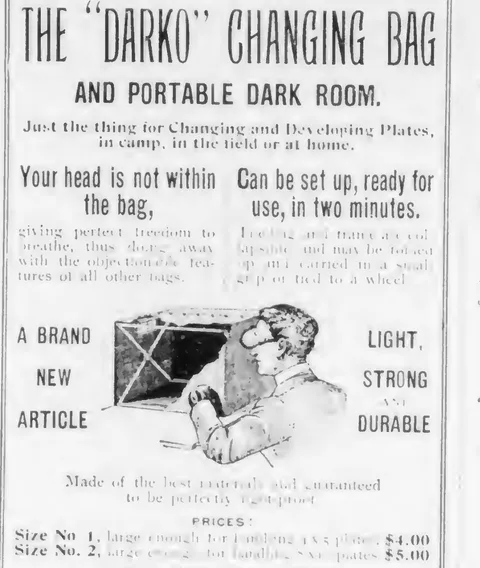 (opens in a new tab)
 The 'Darko' Changing Bag and Portable Dark Room 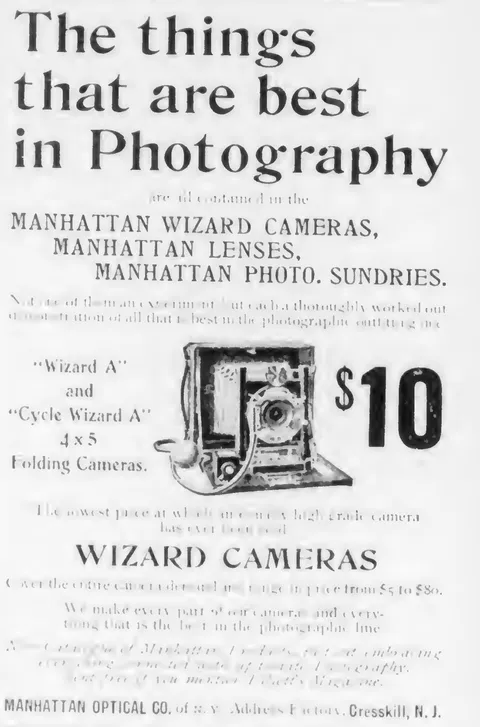 (opens in a new tab)
 Manhattan Wizard Cameras, Manhattan Optical Co. 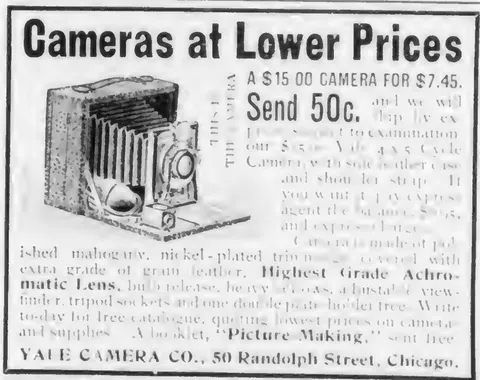 (opens in a new tab)
 Cameras at Lower Prices, Yale Camera Co. 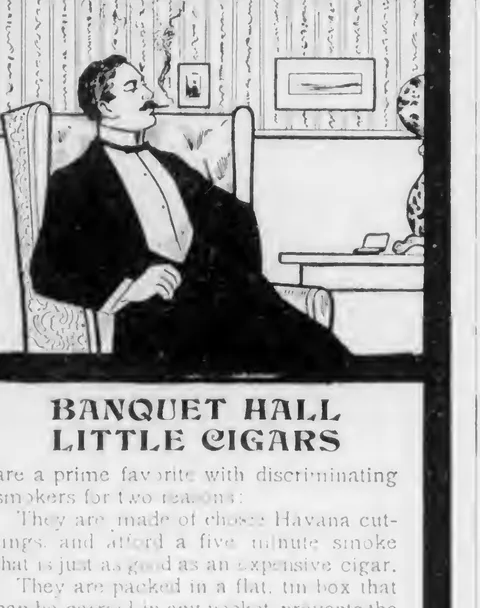 (opens in a new tab)
 Banquet Hall Little Cigars, M. Foster & Co., New York 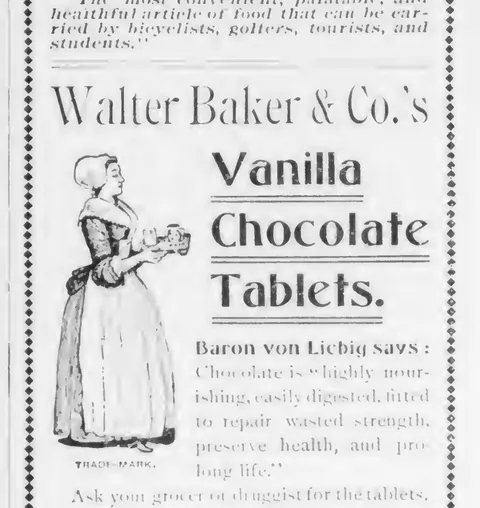 (opens in a new tab)
 Walter Baker & Co.'s Vanilla Chocolate Tablets 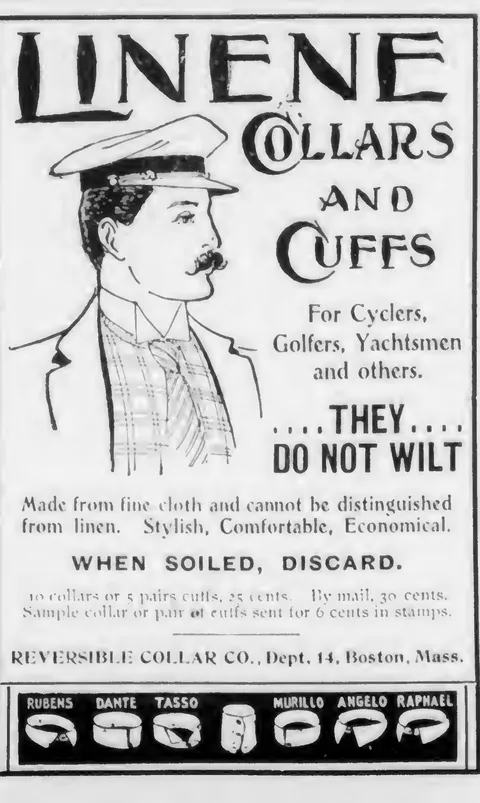 (opens in a new tab)
 Linene Collars and Cuffs, Reversible Collar Co., Boston 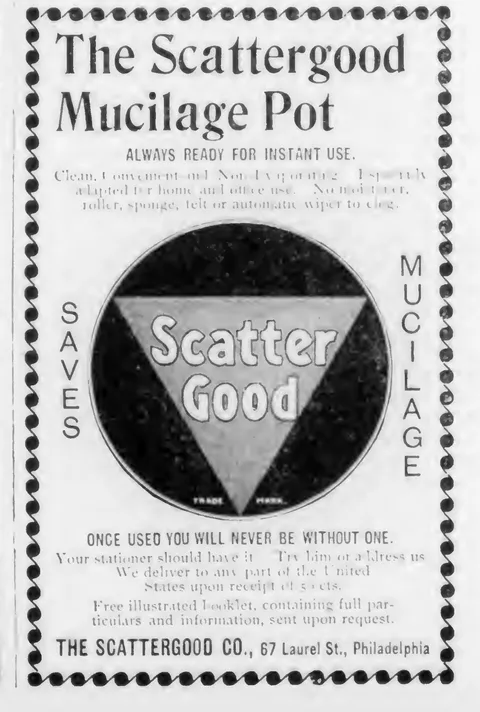 (opens in a new tab)
 The Scattergood Mucilage Pot 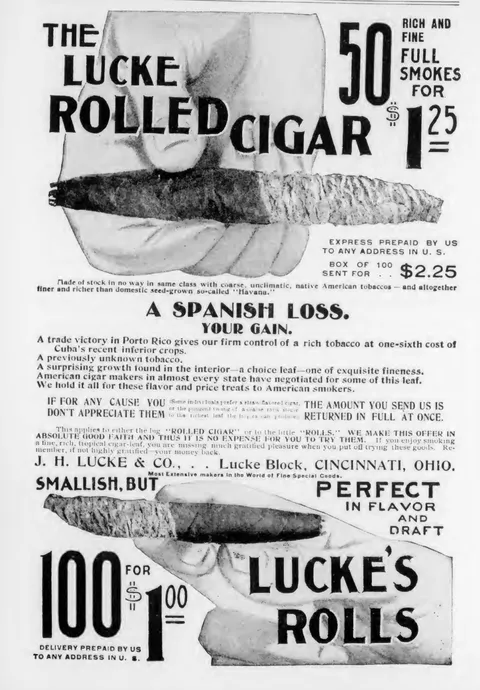 (opens in a new tab)
 The Lucke Rolled Cigar / Lucke's Rolls, J. H. Lucke & Co., Cincinnati 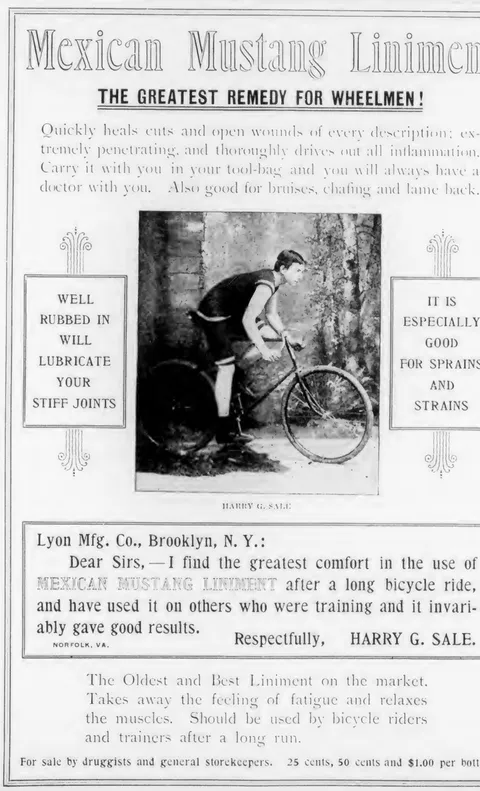 (opens in a new tab)
 Mexican Mustang Liniment, Lyon Mfg. Co., Brooklyn 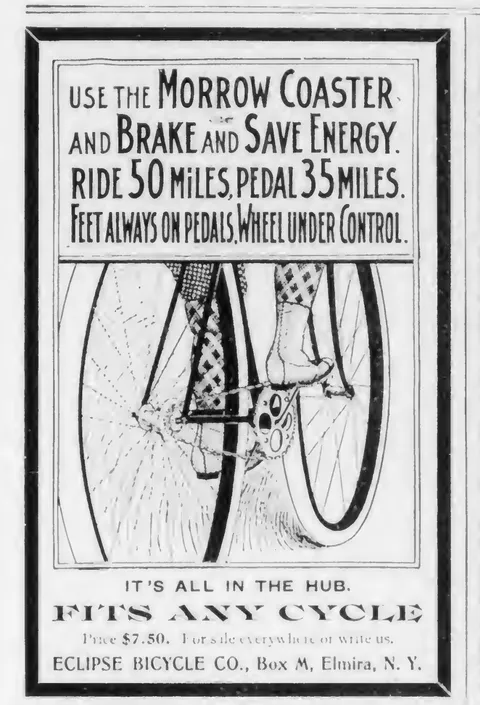 (opens in a new tab)
 Morrow Coaster Brake, Eclipse Bicycle Co., Elmira, N.Y. 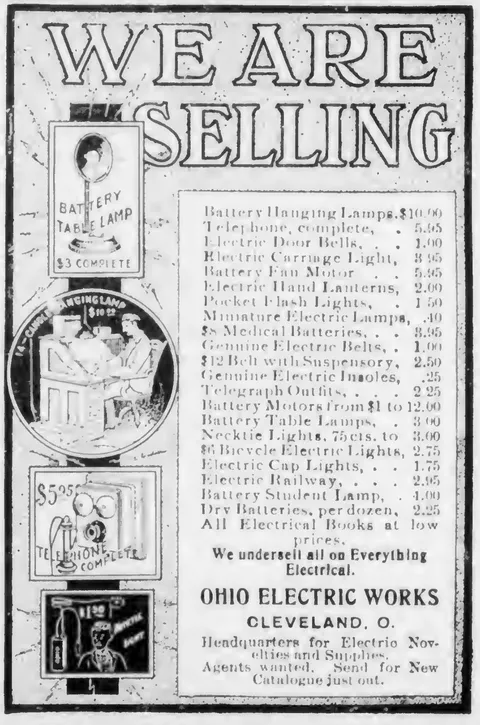 (opens in a new tab)
 We Are Selling, Ohio Electric Works, Cleveland 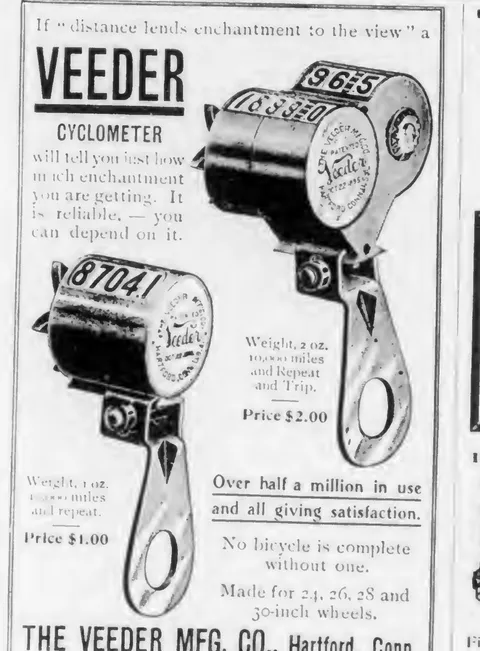 (opens in a new tab)
 Veeder Cyclometer, The Veeder Mfg. Co., Hartford 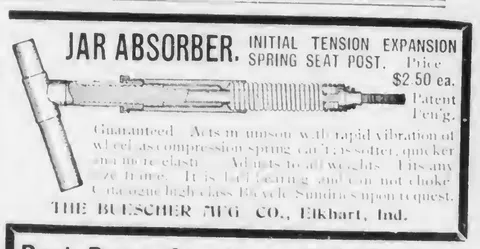 (opens in a new tab)
 Jar Absorber spring seat post, The Buescher Mfg. Co., Elkhart 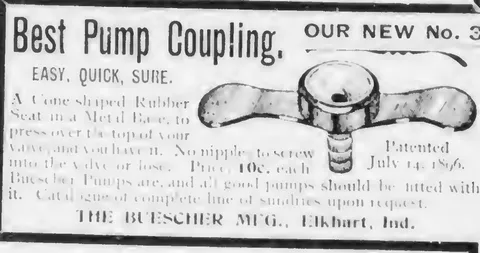 (opens in a new tab)
 Best Pump Coupling, The Buescher Mfg. Co., Elkhart 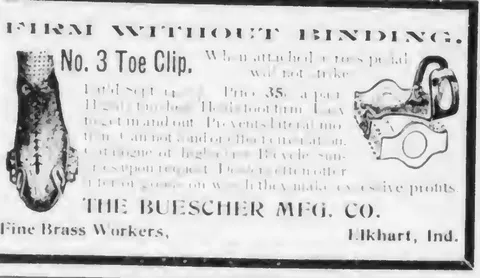 (opens in a new tab)
 No. 3 Toe Clip, The Buescher Mfg. Co., Elkhart 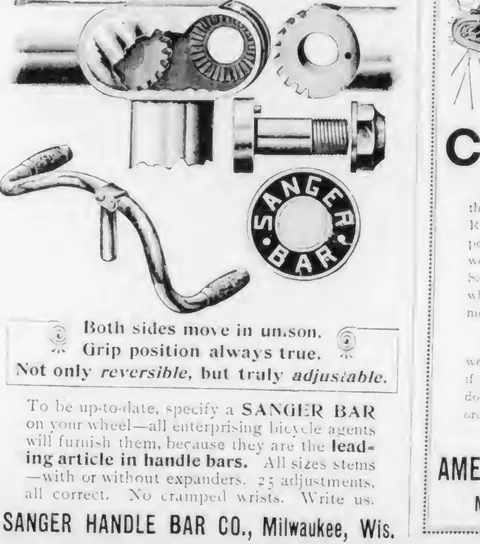 (opens in a new tab)
 Sanger Bars, Sanger Handle Bar Co., Milwaukee 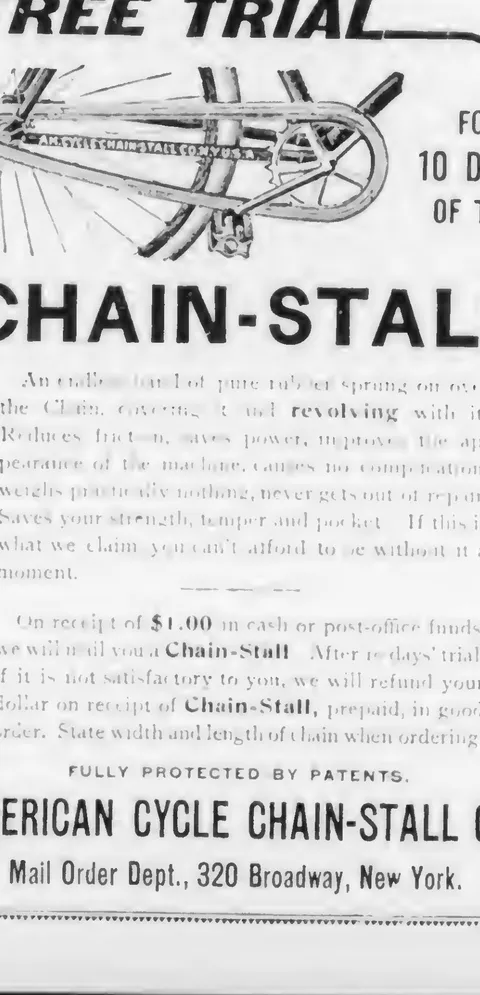 (opens in a new tab)
 Chain-Stall, American Cycle Chain-Stall Co., New York 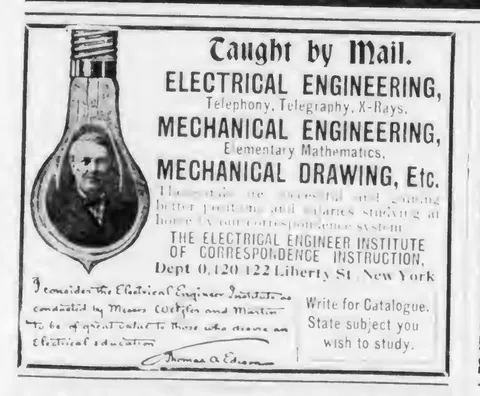 (opens in a new tab)
 Electrical Engineering taught by mail, The Electrical Engineer Institute 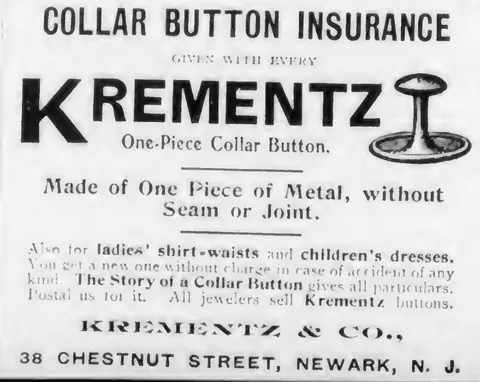 (opens in a new tab)
 Collar Button Insurance, Krementz & Co., Newark 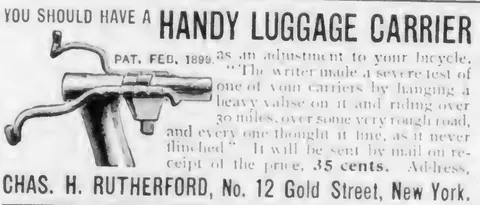 (opens in a new tab)
 Handy Luggage Carrier, Chas. H. Rutherford, New York 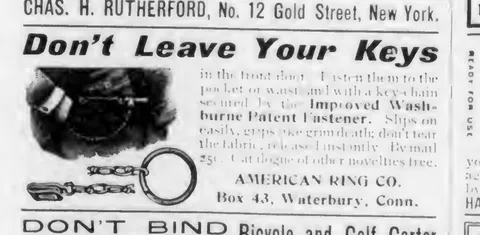 (opens in a new tab)
 Don't Leave Your Keys, American Ring Co., Waterbury 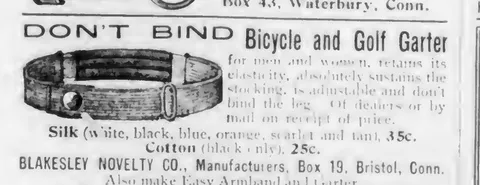 (opens in a new tab)
 Bicycle and Golf Garter, Blakesley Novelty Co., Bristol 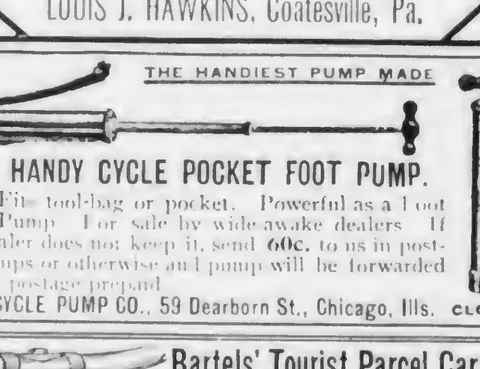 (opens in a new tab)
 Handy Cycle Pocket Foot Pump 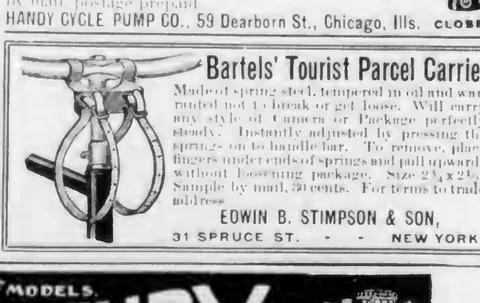 (opens in a new tab)
 Bartels' Tourist Parcel Carrier, Edwin B. Stimpson & Son, New York  (opens in a new tab)
 20th Century Gas Headlights 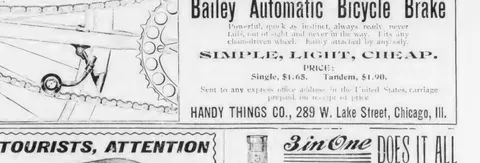 (opens in a new tab)
 Bailey Automatic Bicycle Brake, Handy Things Co., Chicago 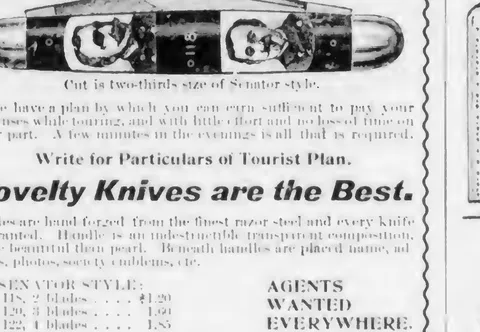 (opens in a new tab)
 Tourists, Attention, Novelty Cutlery Co., Canton, Ohio 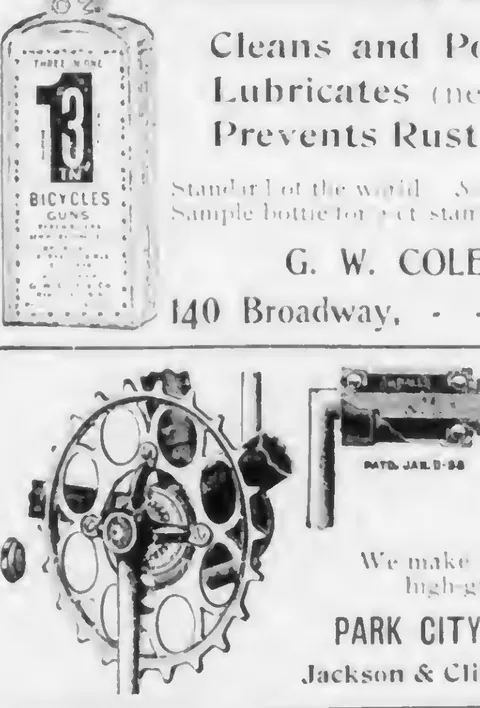 (opens in a new tab)
 3-in-One Oil, G. W. Cole & Co., New York 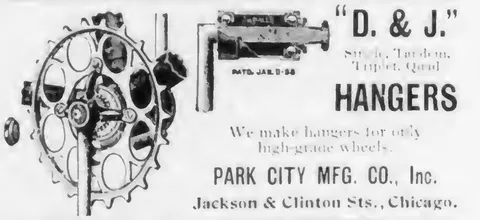 (opens in a new tab)
 'D. & J.' Hangers, Park City Mfg. Co., Chicago 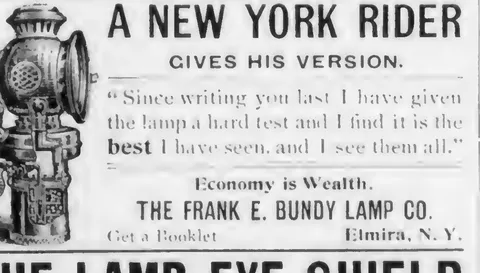 (opens in a new tab)
 A New York Rider gives his version, Frank E. Bundy Lamp Co. 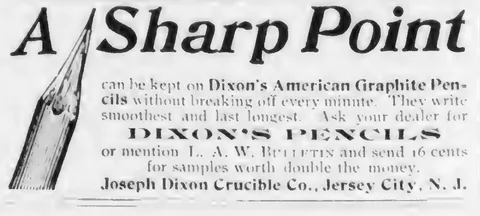 (opens in a new tab)
 A Sharp Point, Dixon's American Graphite Pencils 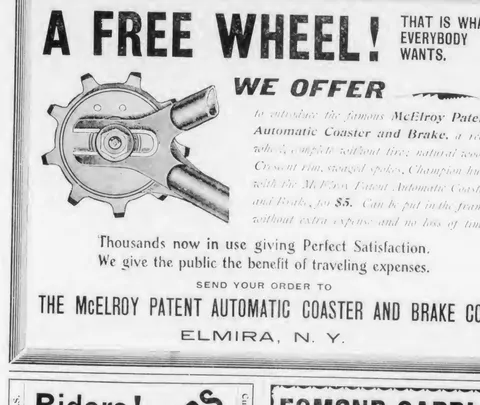 (opens in a new tab)
 A Free Wheel! McElroy Patent Automatic Coaster and Brake  (opens in a new tab)
 Magic Pain Release, Plumb Chemical Co., St. Albans 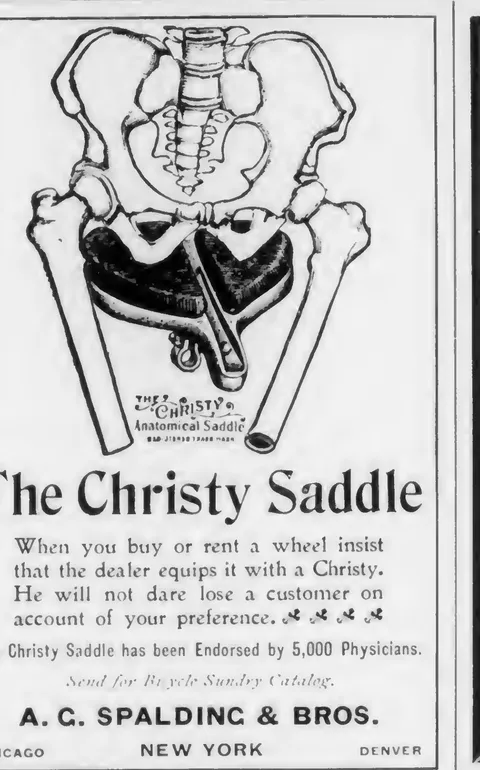 (opens in a new tab)
 The Christy Saddle, A. C. Spalding & Bros.  (opens in a new tab)
 Dusty Roads, Noisy Chains, Morse Twin Roller Chains 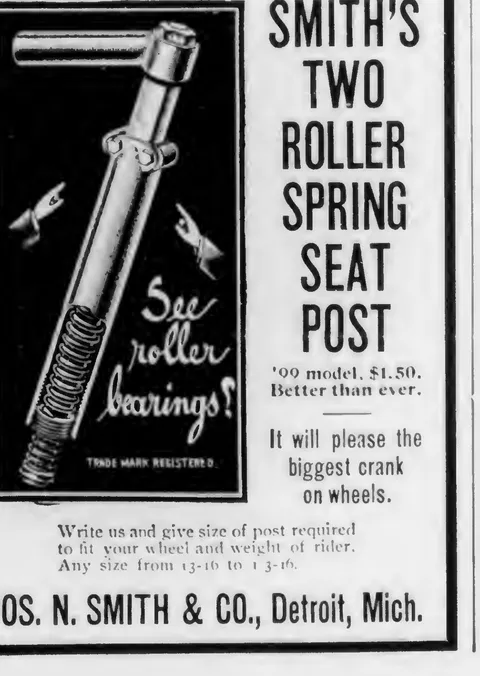 (opens in a new tab)
 Smith's Two Roller Spring Seat Post, Jos. N. Smith & Co., Detroit 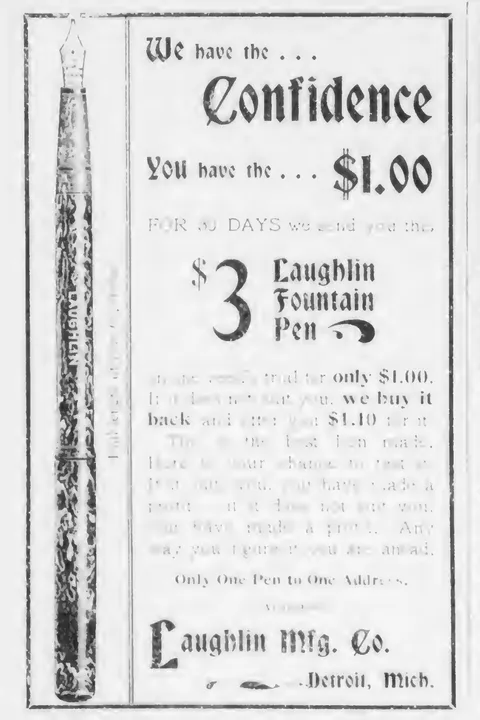 (opens in a new tab)
 Laughlin Fountain Pen, Laughlin Mfg. Co., Detroit 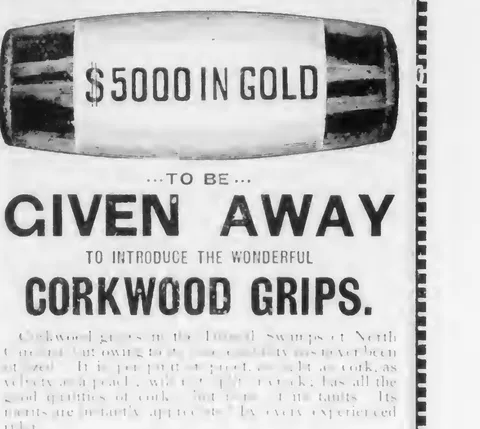 (opens in a new tab)
 $5000 in Gold, Corkwood Grips, Corkwood Mfg. Co., New Berne 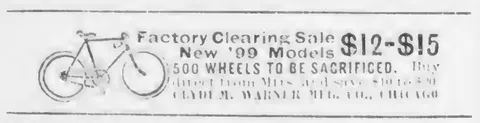 (opens in a new tab)
 Factory Clearing Sale, Claude M. Warner Mfg. Co., Chicago 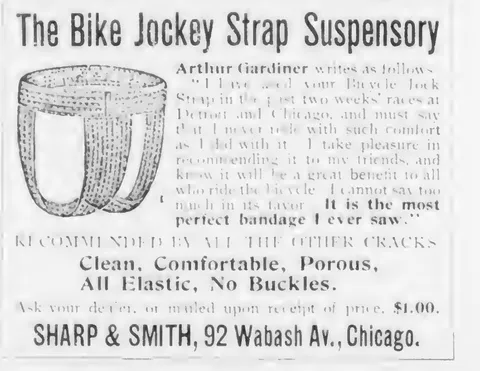 (opens in a new tab)
 The Bike Jockey Strap Suspensory, Sharp & Smith, Chicago 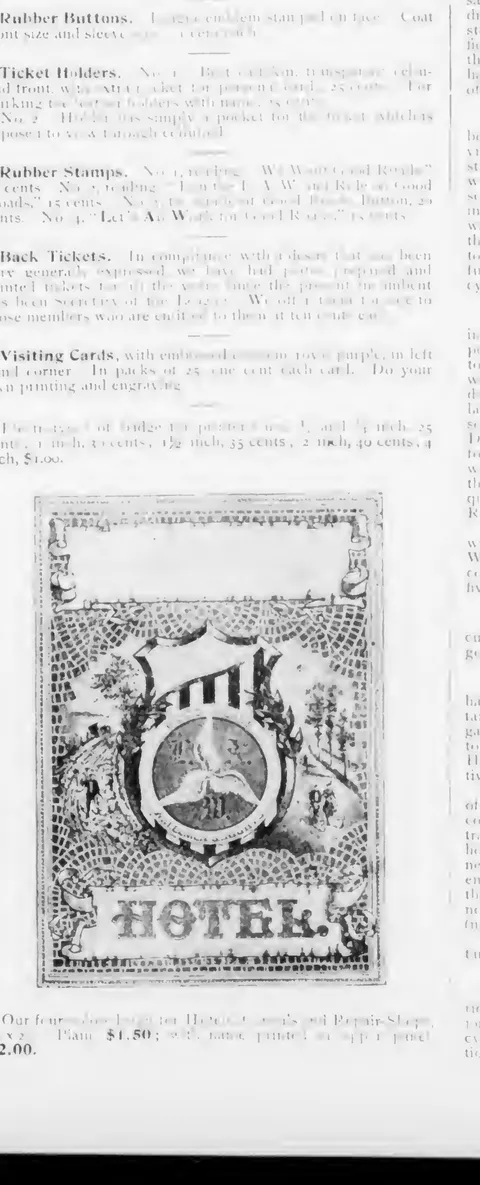 (opens in a new tab)
 L.A.W. Supplies and Literature, badges and pins 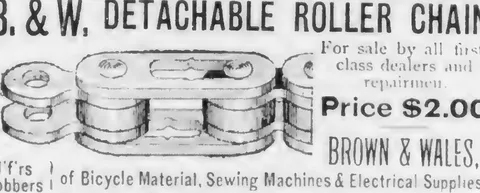 (opens in a new tab)
 B. & W. Detachable Roller Chain, Brown & Wales, Boston