Vol 30, No 3
189952 articles67 images
Articles in this issue
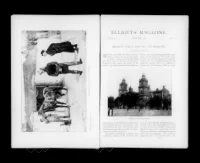
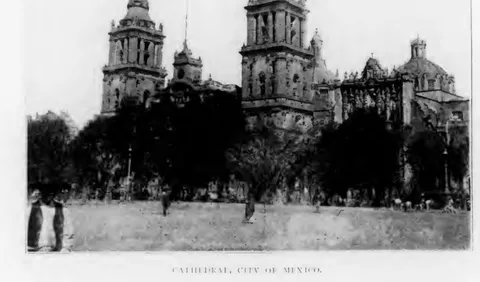
- Illustrated travel article by George L. Sullivan on Mexico, describing the Zocalo and cathedral of the City of Mexico, the National Palace with its twenty-seven patios, the gendarmes and plaza bands, Guadalajara's "Church of the Spring" at Guadalupe and the San Pedro potteries, and the fountains and public baths of San Luis Potosi. Notes the "Tree of the Dismal Night" under which Cortez wept, and the Pandura father-and-son sculptors sent to the Atlanta Exposition by the state of Jalisco.
- Four-line verse by Glen Day calling books "the voices of the dumb, / The tongues of brush and pen; / The ever-living kernels from / The passing husks of men."
- Essay collecting comic duelling anecdotes from David and Goliath onward: Judge Dooly of Georgia planting a forked stick before his palsied opponent, John Philpot Curran's meetings with St. Leger and the enormous John Egan, Disraeli's challenge to Morgan O'Connell, Talleyrand's advice to a challenged officer, and the Henry Clay-John Randolph encounter.
- Humorous illustrated essay by Jason B. Webb on the photographer's ordeal with baby portraits, arguing that baby pictures make up a good third of a gallery's work and that the parents are far more trouble than the children; it proposes, tongue in cheek, keeping one stock negative and simply pencilling in each new name.
- Helena M. Maguire traces ragtime's ancestry through syncopation, the Italian "alla zoppa" and the English "driving-notes," quoting Professor Converse on the derivation of "ragged," and defends it as "the red pepper of music" that fills the roof-garden, pop-concert and vaudeville house.
- Short story by Thomas S. Collier. Obed Strong, leaving the sterile sea-coast farms of Hardstone District for the West, is halted on the red clay road by Phoebe Donne, who has refused to marry him because she must nurse a sick father; he gives up the West, and they wed and keep the farm.
- Poem by Nixon Waterman recalling children at hide-and-seek in the old barn mow and the childhood rhyme "A bushel of wheat and a bushel of rye, / All 't ain't ready holler 'I,'" now answered by Fate rather than a playmate.
- Comic story in which Mr. Nobnoddy, having lectured his wife on how men shop systematically, is defeated store by store trying to match a yard of plain black silk against her sample, and finishes taken in charge by the police and recovering from something akin to brain fever.
- The magazine's editorial miscellany department for October 1899, carrying short comment pieces on Paul Lawrence Dunbar, the record corn crop, rejected manuscripts, foreign phrases in print, war and prosperity, the spread of golf, and the autumn good roads conventions.
- Argues that Paul Lawrence Dunbar's stories and verse do more to lift his race than any legislation could, and that Frederick Douglass, Booker T. Washington and Dunbar are names of which a united people, black and white, may be proud.
- Quotes Whittier's "Heap high the farmers' wintry hoard" on news that the season's corn crop is the largest in the nation's history, and contends that the country producing the most corn most cheaply will lead the procession of nations.
- Notes that the manuscript of Mr. Wescott's "David Harum" was turned down by several publishers before the firm that is said to have cleared $100,000 on it in its first year, offered as consolation to authors whose work is returned with thanks.
- Complains of the writer armed with a vest-pocket dictionary of foreign words and phrases, observing that a man who cannot express his thoughts in one language is unlikely to be lucid in two, and urging plain Anglo-Saxon: "Let us talk 'United States.'"
- Doubts that "good times" are legislated at Washington, pointing out that a drouth in India or a cattle plague in Australia may raise American prices, and that Canada, which has no war, is said to be remarkably prosperous.
- Predicts golf will follow the bicycle's course from costly exclusiveness to department-store outfits with "nineteen holes and twenty-seven links for 98 cents," recalling how dealers gave wheels away with a pound of tea until everybody rode.
- Thirty-three good roads conventions are to be held in Wisconsin, Illinois, Iowa and Minnesota during the autumn, with road-building machinery on exhibition and practical demonstrations; credits the League of American Wheelmen with the entire good roads movement.
- Page of the magazine's epigrams and short verses, including "The Fellow Who's 'It'," "A Stranded Statesman," "At the Dream's Edge," "Winning by Proxy," "A Love Letter," "Not a Pleasing Sight" and "Till We Meet Again."
- Masthead opening the League of American Wheelmen's official department for Vol. XXX, October 1899, No. 3, published monthly by Sterling Elliott of Boston with Nixon Waterman as associate editor.
- The Pan-American Exposition at Buffalo, May 1 to November 1, 1901, is to stage an international carnival of sports in a Roman stadium and race-course a little over 1,200 feet long, covering more than 720,000 square feet, with athletes drawn from every country.
- Annual elections in nearly all L. A. W. state Divisions fall between October 15 and November 15, choosing a chief consul, vice-consul, secretary-treasurer and board of officers; the Bulletin urges wheelmen to remember the unpaid officials who won so much cycling legislation.
- Local Consul Wm. P. Richards of Orange, N. J., writes that he had himself sworn in as a special police officer and given a shield by the Chief of Police to deal with scorchers, wire, glass and tack-throwing, and urges that local consul special police be in force throughout the United States.
- Large space has been set aside for bicycle racks at the National Export Exposition in Philadelphia; roads around the buildings are to be scraped and rolled, Schlichter and Cramer hold the checking concession, and the charge for checking a wheel will be five cents.
- Reprints a petition circulated in Phoenix, Arizona a few years earlier, signed by a hundred men, asking the city to ban bicycles from the principal streets; it was provoked by three riders, W. L. Pinney (since chief consul), W. H. Robinson and H. F. Robinson, and every signer is now a wheelman.
- Quotes remarks on American road-making published in The Chautauquan ten years earlier, on farmers who "make roads" by tearing up the sod and heaping it in the middle, and concludes that the improvement since is due almost entirely to the efforts of the L. A. W.
- Illustrated verse in which Mr. Huntover, the head-down scorcher who looks neither east nor west, meets the wobbling "highway marauder" who rides on the right side and then on the left; the two collide at a bend, the wreck shown in a pair of country-road photographs.
- Motoring department for the month, reporting F. O. Stanley of Newton, Mass. ascending Mt. Washington in a motor-carriage of his own make, an Automobile Club of Great Britain member planning a Hong Kong to Paris and London run, only one Paris house able to make immediate deliveries, the first number of The Automobile of New York, and a half-dozen cycling concerns experimenting with motor-vehicles.
- Argues that a self-propelled vehicle takes far less room than the pair of horses that would haul it, backs under perfect control, and by moving at higher speed would cut the number of teams on the street at any one time, giving cities at least a third more business room.
- The cycleway from Los Angeles to Santa Monica is assured, a strip six feet wide set apart by the county Supervisors for the whole eighteen miles; three or four miles will run on the main travelled road because the meadow land is too low, and the Board hopes the path will spur improvement of the county roads.
- Foreign cycling paragraphs, several credited to the Scottish Cyclist: the one-hour motor-cycle record of 39 miles 83 yards, a five-pound fine for a young man who shot at passing cyclists, a one-heat mile handicap in England started by 35 riders of whom six were spilled on the first lap, and Colonel Pope's memorial church at Cohasset, Mass. for his son Charles Linden Pope.
- Report of the world's championship race meeting at Montreal, at which L. A. W. riders captured all the team trophies offered at the International Cyclists Association meets since 1893 - the Saltonstall trophy and the gold-bronze Cyclists' Challenge Shield - plus the individual trophy won by Early Peabody of Chicago, and three of the four championships.
- Short trade notices: the American House, Boston, on the European plan at $1.00 a day and upwards, and Bi-cy-ka rust remover and polish from the Raven Gloss Mfg. Co., 71 Barclay St., New York.
- Banner opening the good roads columns of the L. A. W. Bulletin department for October 1899, given over this month to the automobile's place in the highway-improvement movement.
- The League of American Wheelmen will make a strong endeavour to enrol owners of automobiles, on the ground that bicyclists and automobilists share one desire - the betterment of the public highways - and that few American roads at present suit either class of vehicle.
- Jokes, quoting Puck, that the automobile is handicapped by never having been denounced by the professional moralists as the bicycle was, and suggests coining a few diseases peculiar to it - "automobile-face," "gasoline-arm," "compressed-air-cough"; adds notes on oil-sprinkling trials on cycle paths and an English farmer's three gasoline motor-wagons.
- The League's official department, edited by Abbot Bassett, carrying the roster of national and state officers and the business of the organization for October 1899.
- List of the League's national officers: President Thomas J. Keenan, Jr. of the Press, Pittsburg; 1st Vice-President Herbert W. Foltz, Indianapolis; 2d Vice-President Robert T. Kingsbury, Keene, N. H.; Treasurer J. C. Tattersall, Trenton, N. J.; and Secretary Abbot Bassett, 530 Atlantic Ave., Boston.
- Chairmen of the League's standing committees: W. A. Howell on Membership, Conway W. Sams on Rights and Privileges, Otto Dorner on Highway Improvement, Geo. L. Sullivan on Touring, Henry C. Nickerson on Transportation, Fred Gerlach on the Racing Board, Wallace Sherwood on Local Organization and George L. McCarthy on the Press.
- State-by-state directory of chief consuls and secretary-treasurers from Alabama to Wisconsin, to whom consuls and agents should apply for application and renewal blanks and League literature; Joseph Pennell, care J. S. Morgan & Co., Old Broad St., London, is listed as foreign marshal.
- Clubbing rates at which Elliott's Magazine will supply other periodicals to League members only, running from Ainslee's Magazine and the American Bee Journal through Harper's, Outing, Scientific American, the Bicycling World, Cycle Age, Cycling Gazette and the Wheelmen's Gazette.
- Nominations for the Pennsylvania Division board to be acted on at the coming state election: Chief Consul S. A. Boyle of Philadelphia, Vice-Consul Thomas J. Keenan, Jr. of Pittsburgh and Secretary-Treasurer P. S. Collins, with representatives named for each of the nine districts.
- A badge inscribed "President's Medal, L. A. W. Riverside, 1895" is in the possession of P. K. Stine, station master on the Pennsylvania Railroad, and may be recovered by sending an accurate description.
- President T. J. Keenan, Jr. announces that George L. Sullivan of the Boston Globe has been placed temporarily in charge of the Touring Department after Paul I. Aldrich resigned to take a position in New York City, and that James G. Lee of Trenton, N. J. has been appointed to the Touring Committee.
- Nominations made at Jacksonville in August 1899 for officers of the Florida Division for 1899-1900, naming a chief consul and secretary-treasurer along with the League numbers of the members making the nomination.
- Report of the quarterly Board of Officers meeting at Young's Hotel, Boston, on September 13, where Chief Consul Sterling Elliott reviewed the year and Secretary-Treasurer Aaron Wolfson reported 7,017 renewals, receipts of $5,735.14 against expenditures of $5,384.16, and the Division still $506.37 short of clearing its debt; includes the quarterly financial statement certified by Chairman Henry C. Nickerson of the Finance Committee.
- Chief Consul Conway W. Sams calls a meeting of the Division's unattached wheelmen at the Maryland Bicycle Club, Baltimore, for October 3, and a nominating convention there on October 12 to name a chief consul, vice-consul, secretary-treasurer and representatives-at-large.
- Nominations made by the Regular Committee: Chief Consul Geo. L. Cooke and Vice-Consul John H. Barrett, both of Providence, with representatives from Westerly, Newport, Pawtucket, East Providence, River Point and Warren; the ticket carries the endorsement of the Narragansett, Elmwood and Westminster wheelmen. Signed Nelson H. Gibbs, Sec.-Treas.
- Chairman Fred Gerlach's list of suspensions and professional declarations, including Earl Taylor of Menominee, Mich., Harvey Steele, Walter Miller and W. C. Roeber of Chicago declared professionals, the rider Cordang suspended three months and fined 1,000 francs by the U. V. F., and long lists of riders ruled off for competing at unsanctioned races.
- Table of L. A. W. membership by state and territory as of September 22, 1899, headed by Massachusetts with 10,197 and with New York and Pennsylvania also above ten thousand, down to single-figure returns from Alaska, Wyoming, Mississippi and Idaho.
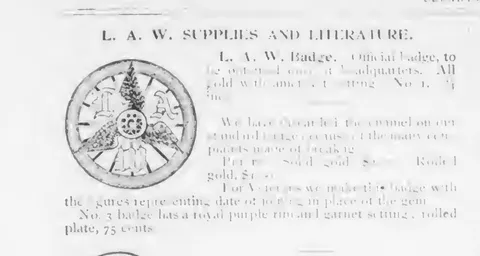
- Illustrated price list of League emblems and supplies ordered from Secretary Abbot Bassett, 530 Atlantic Ave., Boston: the official badge in enamel, solid gold or rolled plate, lapel and Good Roads buttons, cap pin, dated '98-'99 cap pin, consul pin, Veteran bar for ten-year members, decalcomania decorations, handle-bar ribbons, rubber buttons and stamps, ticket holders, visiting cards and a colored hotel sign.
- Describes the League's pocket handbooks, sent free to members on receipt of postage: "Country Roads" (64 pages, 67 illustrations), "Macadam Roads" (72 pages, 72 illustrations), "Cycle Paths" (80 pages, 77 illustrations) and "Wide Tires," a report of tire-width draft trials by the Agricultural Experiment Station of the University of Missouri.
- Department answering members' numbered queries: whether a young lady should ride a diamond-frame bicycle, what concessions League members may secure at the Paris fair through the French Touring Club, October as a month for cycling, and braking with the toe of the shoe. Also notes J. H. Chambers' first-prize float at the Des Moines bicycle carnival, a fifteen-foot warship "Iowa" mounted on a single bicycle.
- Poem by Elizabeth Akers Allen on the house built in youthful dreams - the gurgling brook, the evergreens, the apple tree and the bee-hive made of straw - which the poet never came to own but enters as an unmortgaged heritage.
Images in this issue 67 pictures from 24 pages
Illustrations 3
 (opens in a new tab)
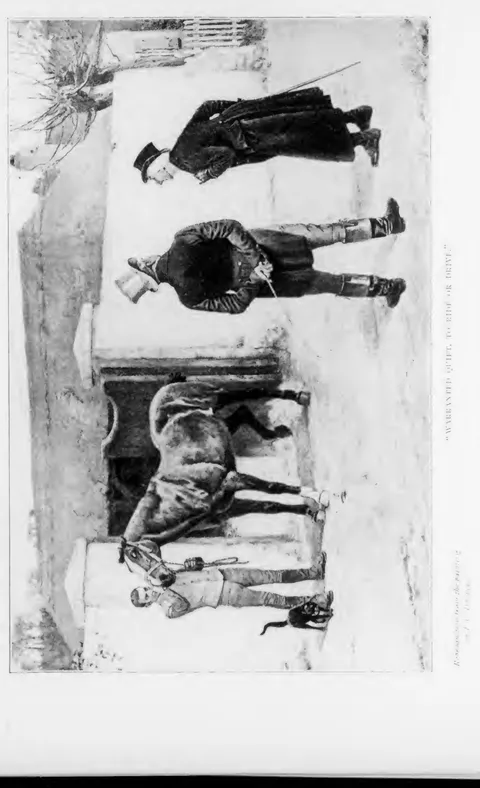
 Warranted Quiet, to Ride or Drive 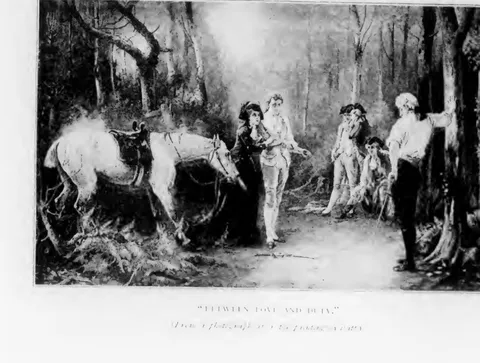 (opens in a new tab)
 Between Love and Duty  (opens in a new tab)
 Hotel, sign design sample
Photographs 27
 (opens in a new tab)
 Cathedral, City of Mexico 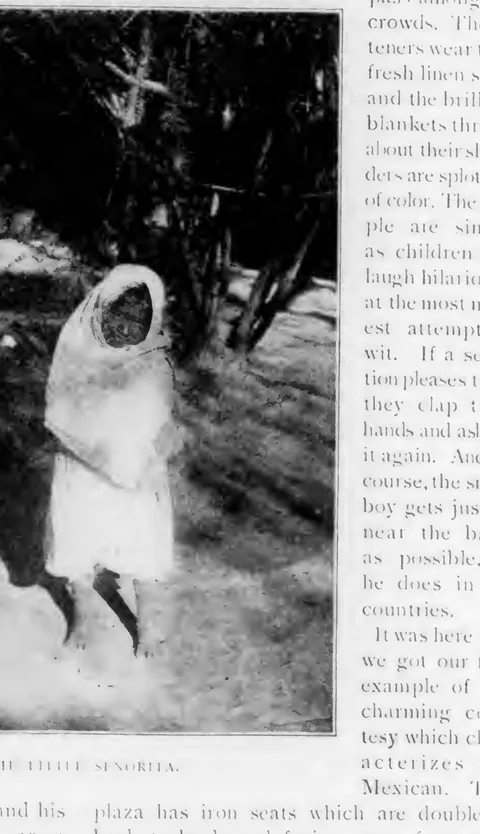 (opens in a new tab)
 The Little Señorita 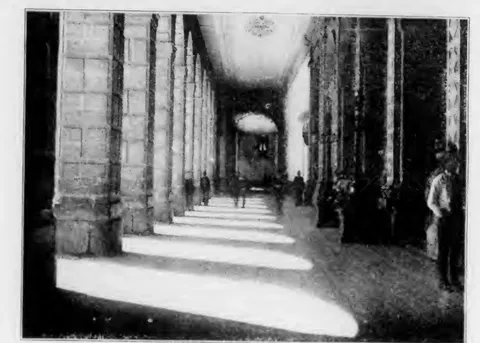 (opens in a new tab)
 Portals at Side of National Palace 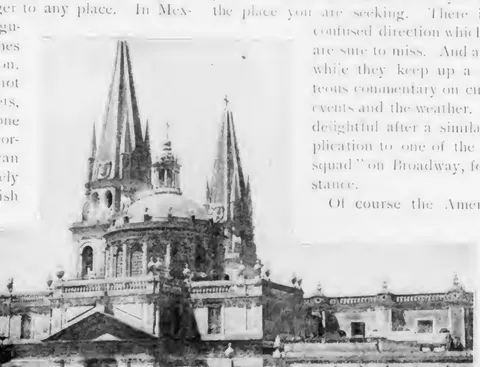 (opens in a new tab)
 Cathedral Spires at Guadalajara 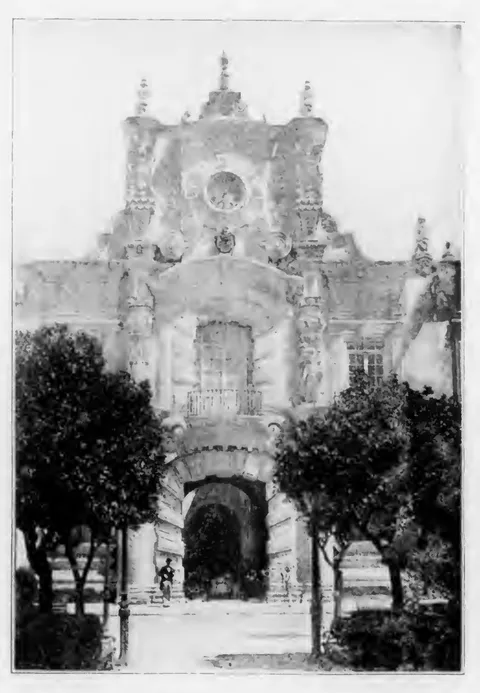 (opens in a new tab)
 Palace Gate at Guadalajara 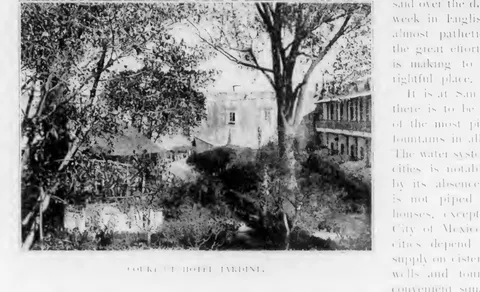 (opens in a new tab)
 Cool Court Hotel Garden 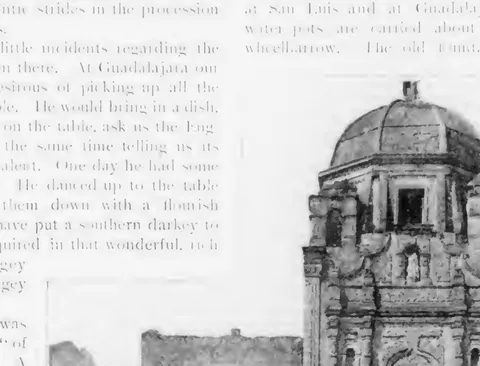 (opens in a new tab)
 Bishop's Palace, Monterey 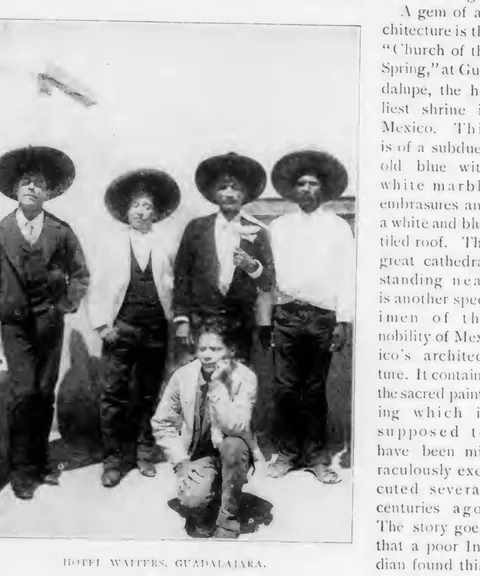 (opens in a new tab)
 Hotel Waiters, Guadalajara 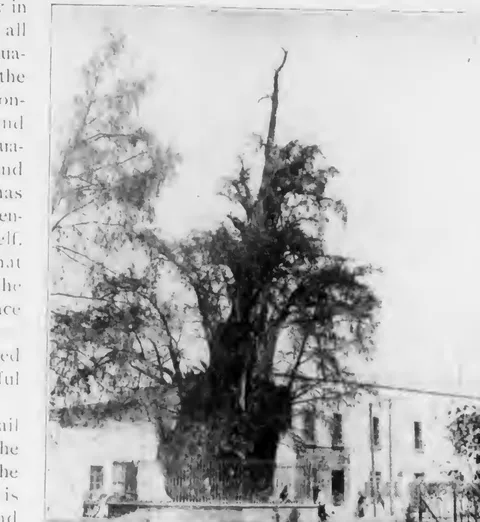 (opens in a new tab)
 Tree of the Dismal Night 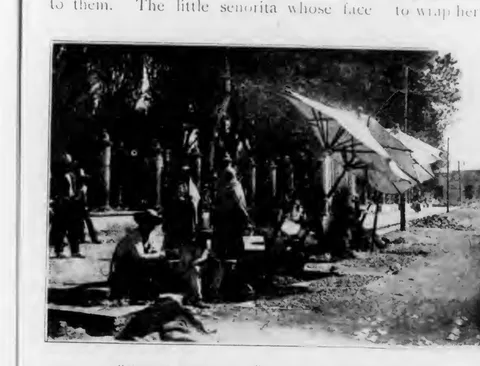 (opens in a new tab)
 White Umbrellas at Aguascalientes 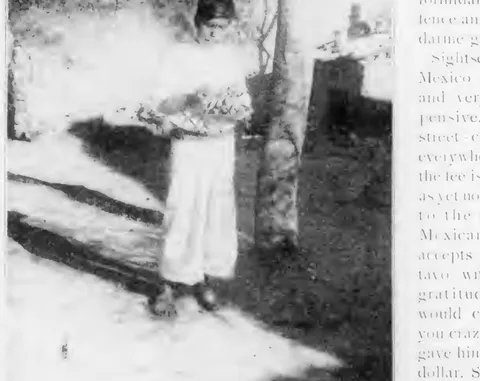 (opens in a new tab)
 Pandura, the Sculptor 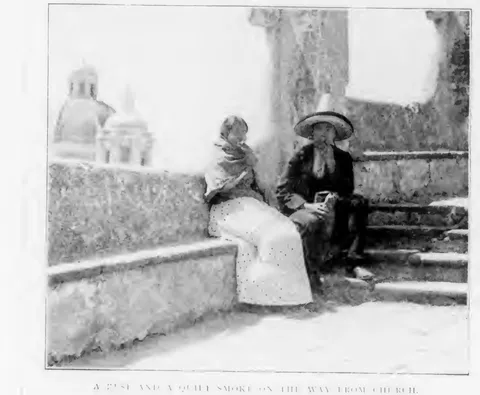 (opens in a new tab)
 A Rest and a Quiet Smoke on the Way from Church 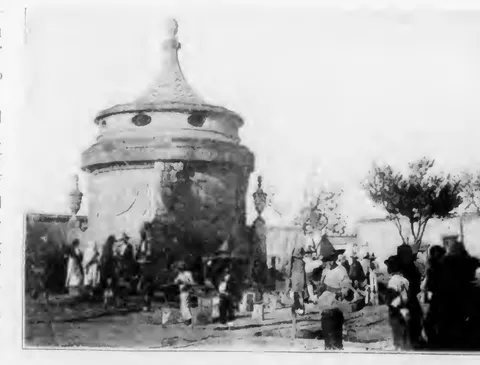 (opens in a new tab)
 Public Fountain, San Luis Potosi 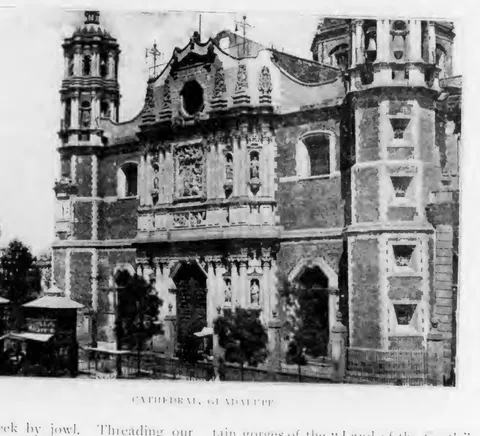 (opens in a new tab)
 Cathedral, Guadalupe 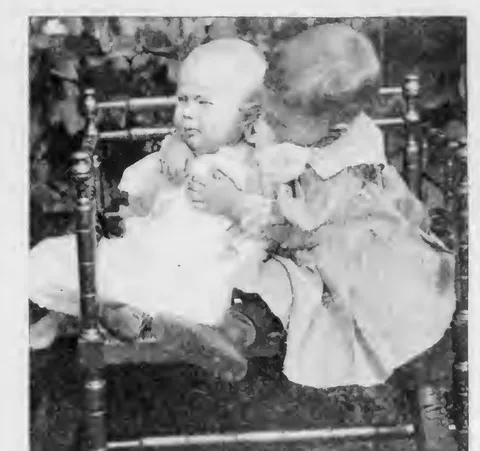 (opens in a new tab)
 Photographing the Baby (chair, first view) 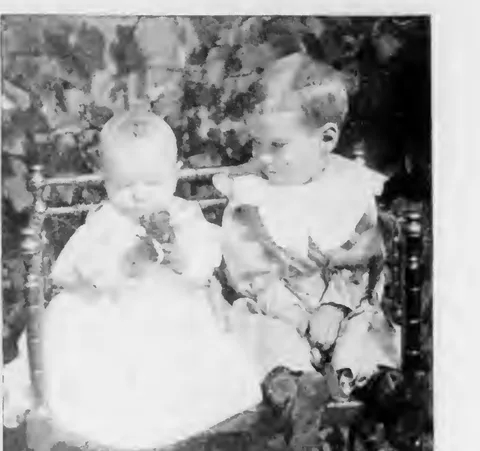 (opens in a new tab)
 Photographing the Baby (chair, second view) 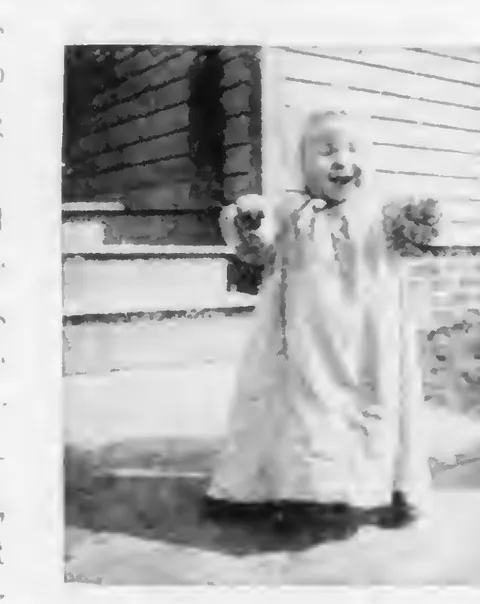 (opens in a new tab)
 Photographing the Baby (girl outdoors) 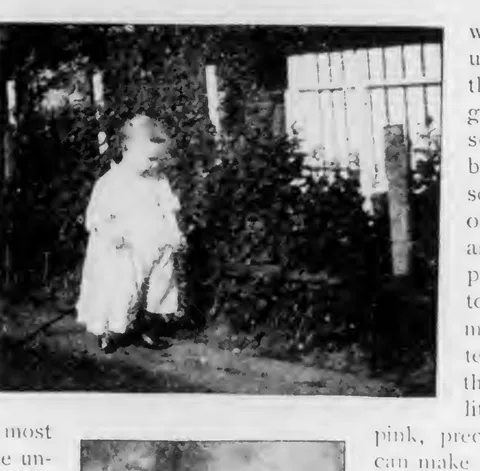 (opens in a new tab)
 Photographing the Baby (child at fence) 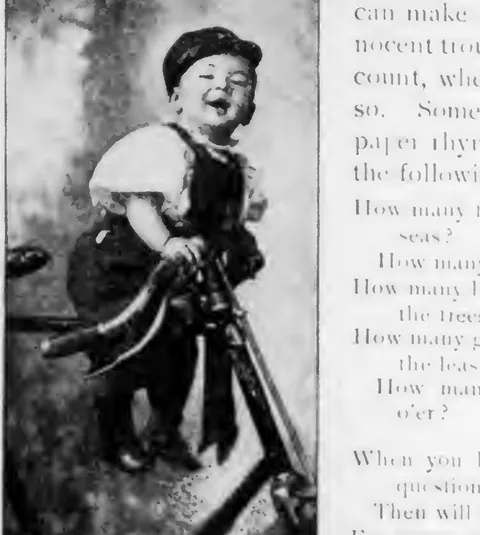 (opens in a new tab)
 Photographing the Baby (boy in costume) 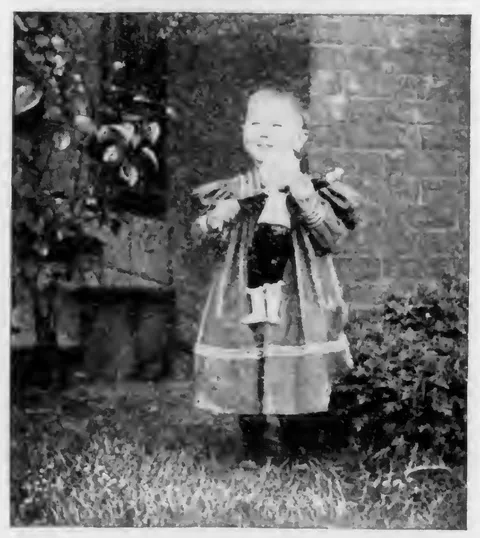 (opens in a new tab)
 Photographing the Baby (girl in dress) 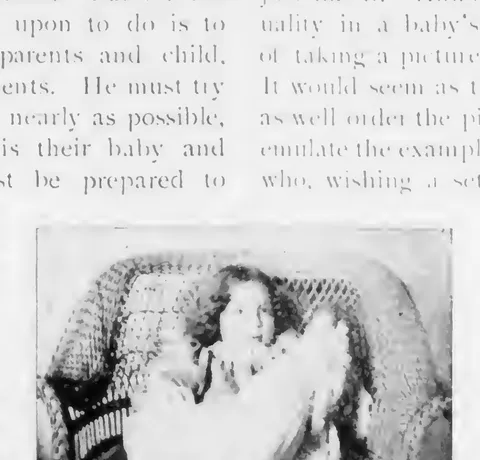 (opens in a new tab)
 Photographing the Baby (infant in wicker chair) 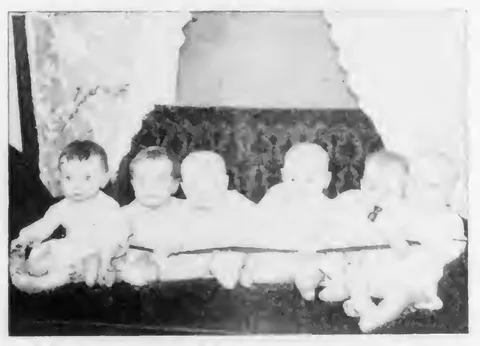 (opens in a new tab)
 Photographing the Baby (five babies) 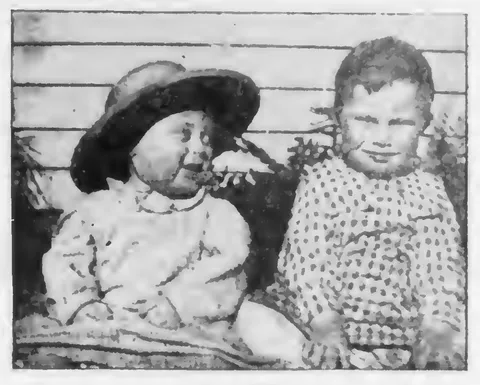 (opens in a new tab)
 Photographing the Baby (boy and girl) 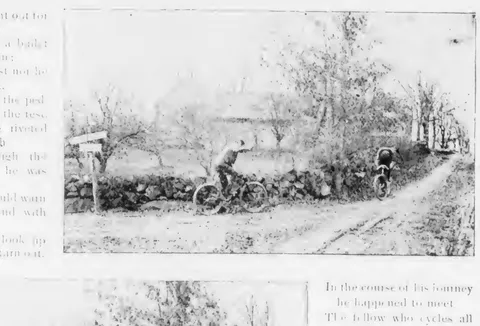 (opens in a new tab)
 Two of a Kind (first view) 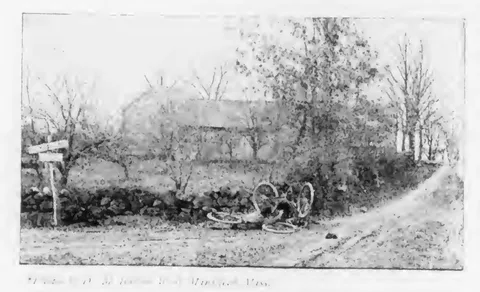 (opens in a new tab)
 Two of a Kind (second view) 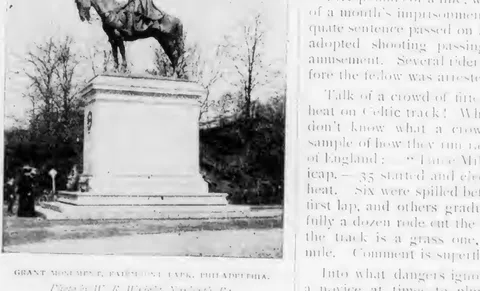 (opens in a new tab)
 Grant Monument, Fairmount Park, Philadelphia 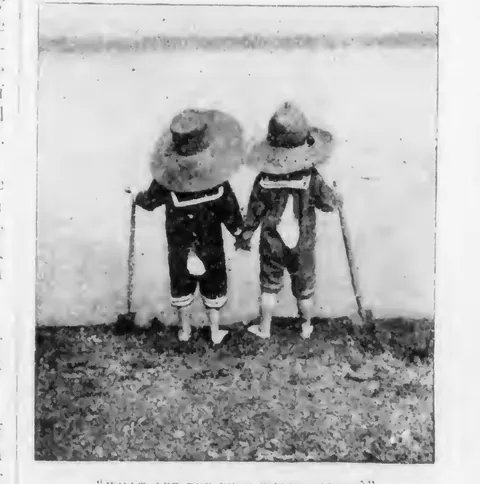 (opens in a new tab)
 "What Are the Wild Waves Saying?"
Diagrams 5
 (opens in a new tab)
 L. A. W. Badge 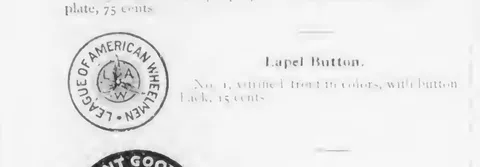 (opens in a new tab)
 Lapel Button 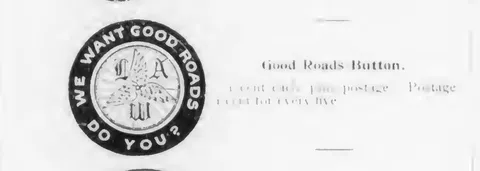 (opens in a new tab)
 Good Roads Button 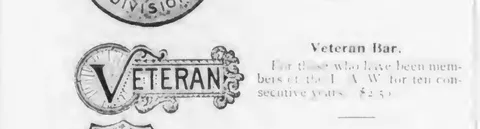 (opens in a new tab)
 Veteran Bar 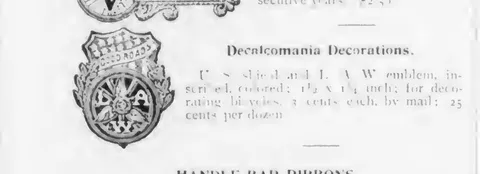 (opens in a new tab)
 Decalcomania Decorations
Mastheads 4
 (opens in a new tab)
 L. A. W. Bulletin and Good Roads Department  (opens in a new tab)
 Good Roads  (opens in a new tab)
 League of American Wheelmen, Official Department  (opens in a new tab)
 Queries and Answers
28 advertisements
 (opens in a new tab)
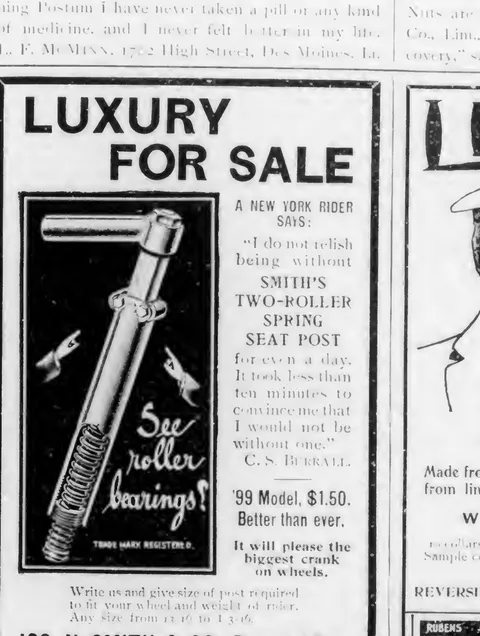
 Luxury for Sale, Smith's Two-Roller Spring Seat Post 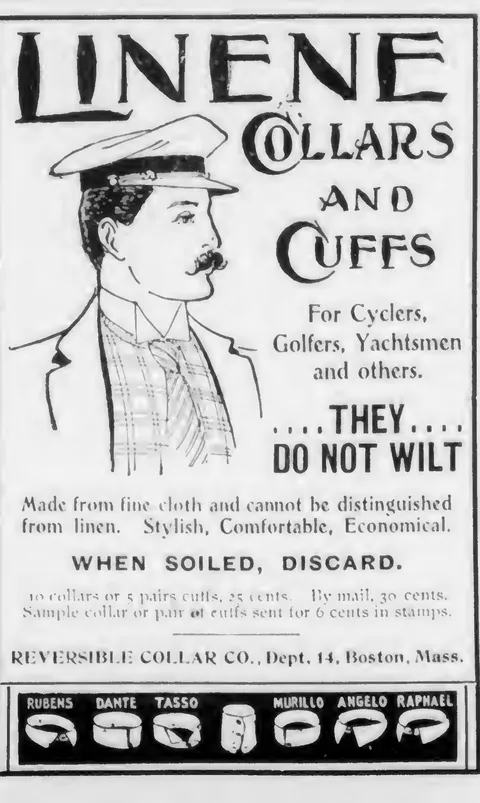 (opens in a new tab)
 Linene Collars and Cuffs 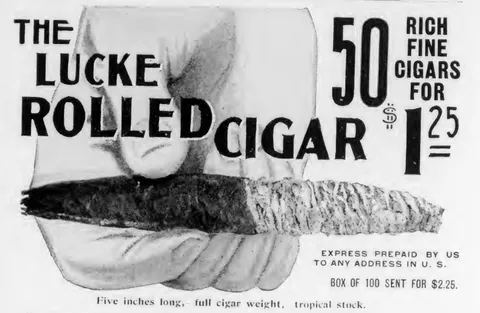 (opens in a new tab)
 The Lucke Rolled Cigar 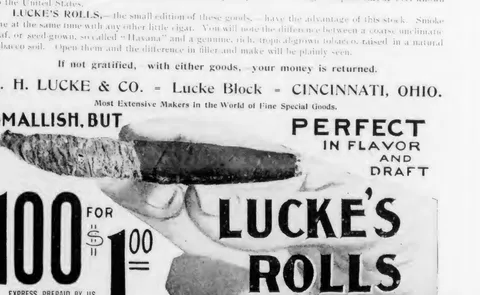 (opens in a new tab)
 Lucke's Rolls 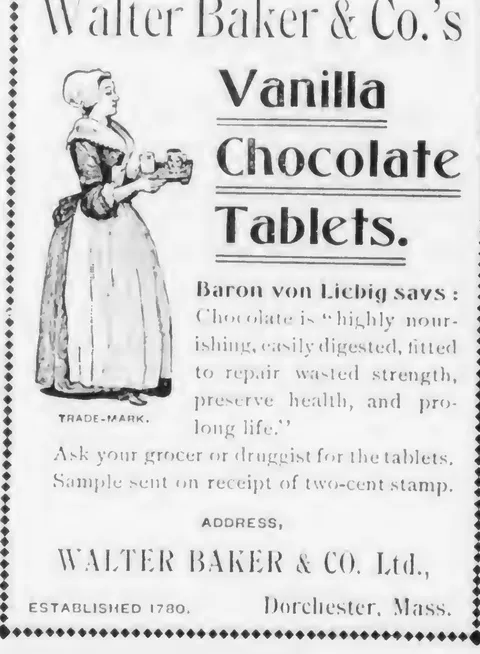 (opens in a new tab)
 Walter Baker & Co.'s Vanilla Chocolate Tablets 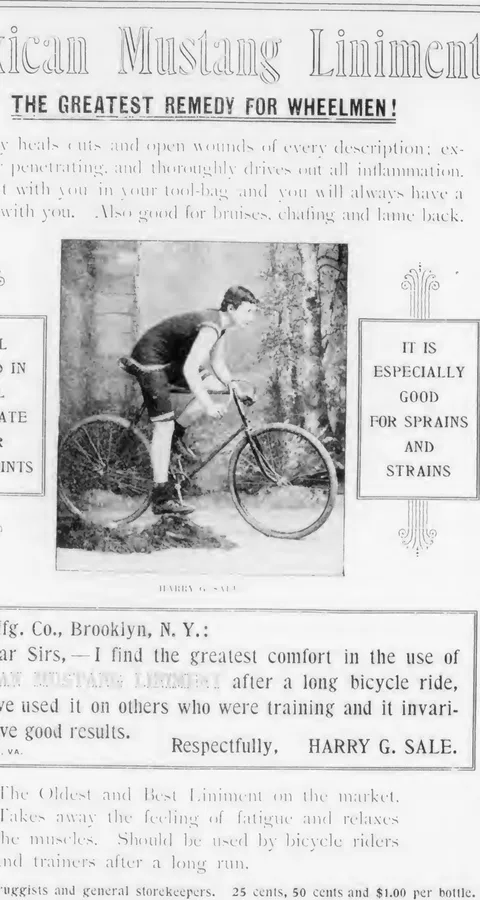 (opens in a new tab)
 Mexican Mustang Liniment 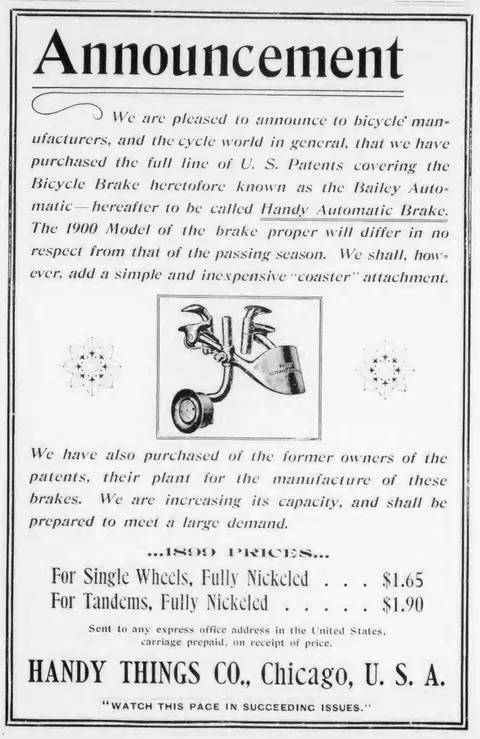 (opens in a new tab)
 Handy Automatic Brake 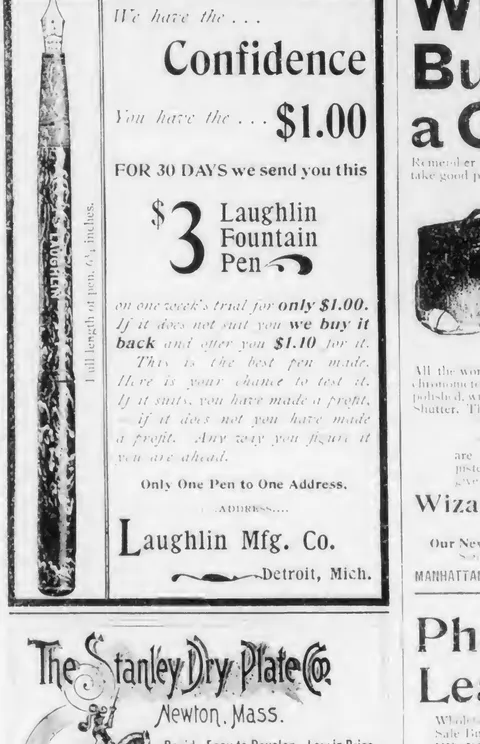 (opens in a new tab)
 Laughlin Fountain Pen, "Confidence" 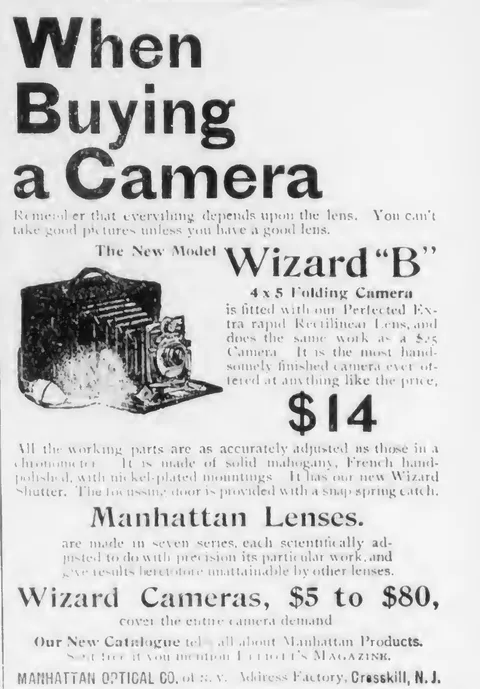 (opens in a new tab)
 Wizard "B" Camera 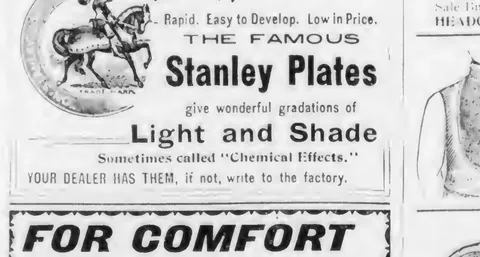 (opens in a new tab)
 The Stanley Dry Plate Co. 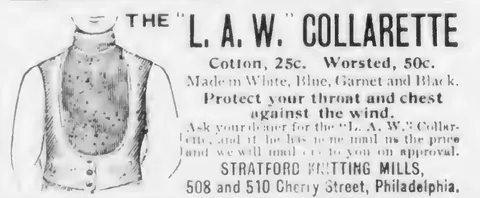 (opens in a new tab)
 L. A. W. Collarette 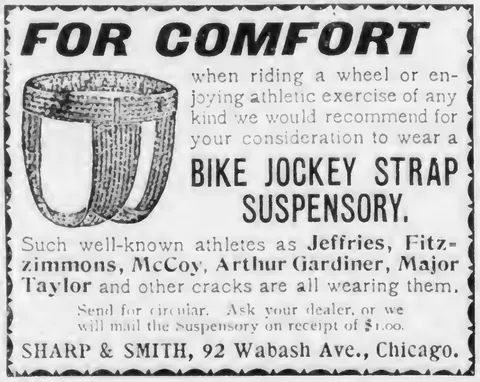 (opens in a new tab)
 Bike Jockey Strap Suspensory 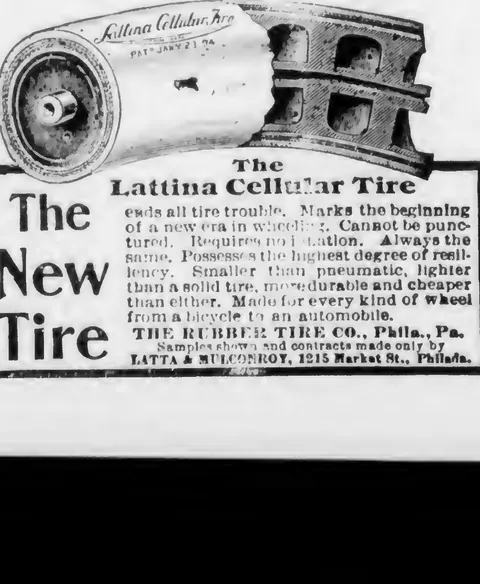 (opens in a new tab)
 The Lattina Cellular Tire 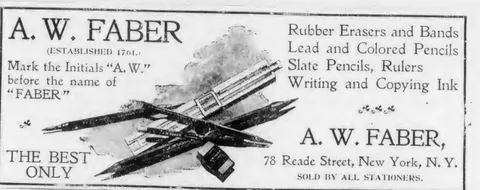 (opens in a new tab)
 A. W. Faber 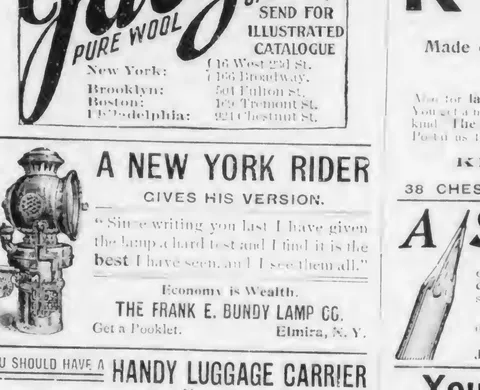 (opens in a new tab)
 A New York Rider Gives His Version 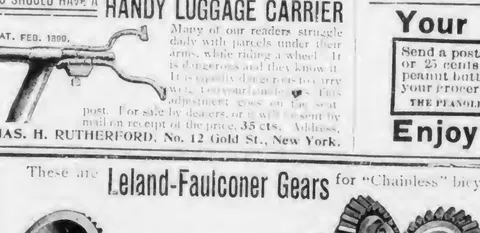 (opens in a new tab)
 Handy Luggage Carrier  (opens in a new tab)
 Krementz Collar Button Insurance 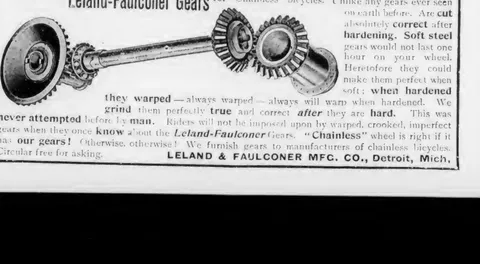 (opens in a new tab)
 Leland-Faulconer Gears for Chainless Bicycles 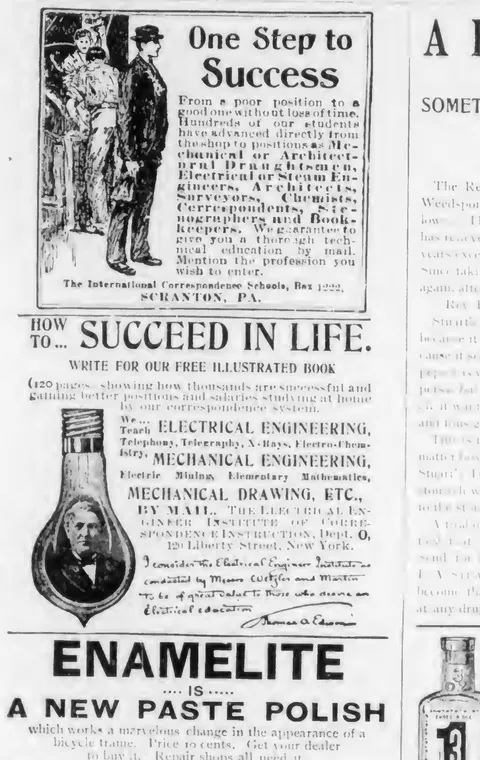 (opens in a new tab)
 International Correspondence Schools, How to Succeed in Life  (opens in a new tab)
 Sweater Fronts 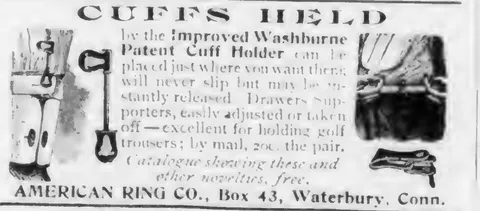 (opens in a new tab)
 Cuffs Held 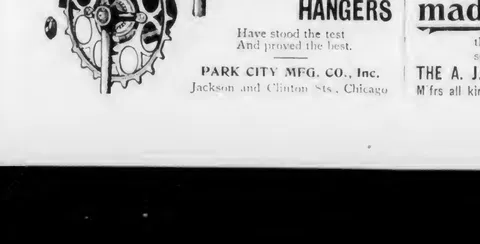 (opens in a new tab)
 D. & J. Hangers 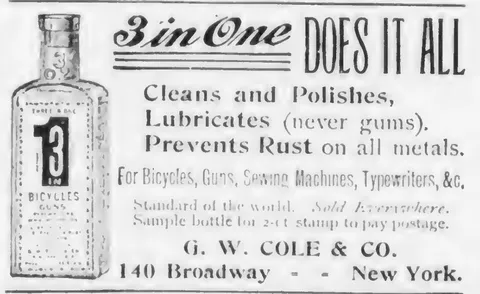 (opens in a new tab)
 3-in-One Oil 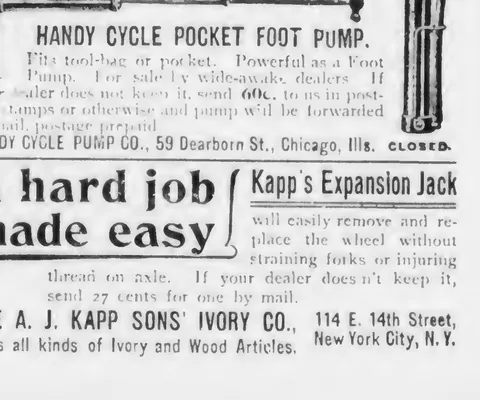 (opens in a new tab)
 Handy Cycle Pocket Foot Pump 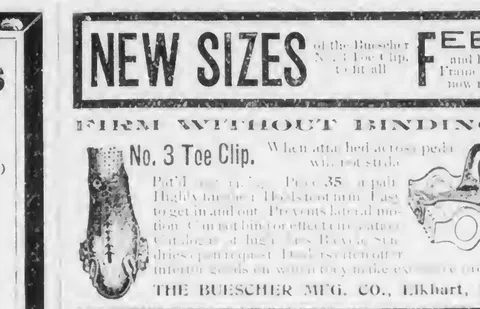 (opens in a new tab)
 Toe Clip 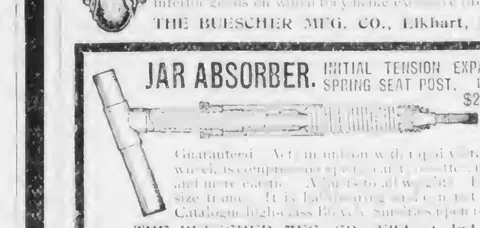 (opens in a new tab)
 Jar Absorber Spring Seat Post 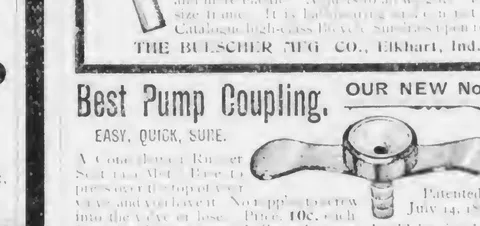 (opens in a new tab)
 Best Pump Coupling 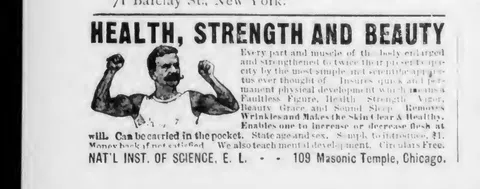 (opens in a new tab)
 Health, Strength and Beauty