Vol 30, No 5
189944 articles36 images
Articles in this issue
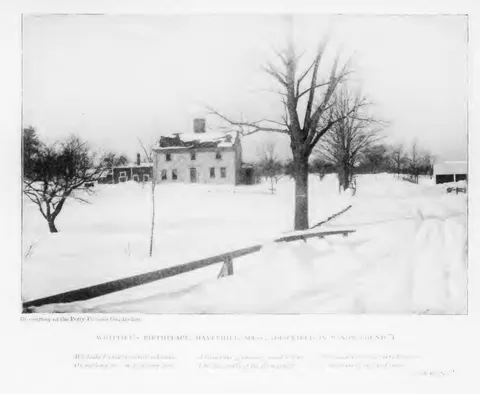
- The first published writings of famous authors: Nathaniel Hawthorne's anonymous piece on a fruit-tree insect in the Boston New England Palladium, dashed off from imagination to pass an idle hour while he was at college in Brunswick and unwittingly circulated by his uncle Robert Manning among the Salem nurserymen, and Longfellow's first printed verses, 'The Battle of Lovell's Pond,' in the poet's corner of the Portland (Maine) Gazette of 17 November 1820. Illustrated with a plate of Whittier's birthplace at Haverhill, Mass., and portraits of Hawthorne and Henry W. Longfellow.
- A four-part Christmas poem by Nixon Waterman recalling snow-bending bush and tree, bells a-jingling down the lane and cousins John, Jim, Jane, Sue and Kate coming to that world of glee, and concluding that Christmas is still as glad and free to the clearer eyes of youth.
- Illustrated description of the three connected lakes near the centre of County Kerry, Ireland, the Upper Lake, Middle Lake and Lower Lake with its thirty islands, drained by the Laune to Castlemain Harbor, with the legends of the impious O'Donoghue and the enchanted well that drowned the valley, the 'Kings of Locha Lein,' Moore's rhapsody on Innisfallen and Shelley on 'Water's Meet.' Photographs show Ross Castle, Muckross Abbey, the Old Weir Bridge and Kate Kearney's Cottage; the article notes the Muckross estate was to be sold at auction on 21 November and hopes Irish-American purchasers will turn it into a national park.
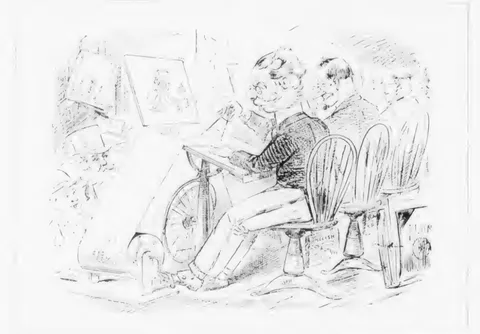
- An essay on perpetual motion as a recurring 'phase of lunacy,' prompted by Prof. Tripler's announcement that liquid air reproduces itself. It recounts the death of the inventor John L. Gouley, who curtained his windows and plugged the keyholes of a garret workshop for twenty years; the Academie Royale des Sciences of Paris refusing all further communications on perpetual motion along with squaring the circle and trisecting the angle; the thirteenth-century Flemish architect Honnecourt's wheel of mallets; Arkwright and Sir Isaac Newton's belief that the secret might be found; and Fulton exposing an exhibitor's machine that proved to be driven by a beggar cranking beneath the floor. A cartoon shows a would-be inventor at his drawing board.
- A short devotional poem hailing the day most loved of all the seven, a toilsome night's resplendent dawn and a resting-place to dream of heaven and gather strength to battle on, an oasis of feast and fountain beyond six suns of sand and storm.
- The magazine's editorial miscellany for December, opening on the season of home-comings and running through the King's Daughters' quarrel over bird plumage to a literary syndicate's circular in praise of mediocrity, with the four-line squibs 'The Regular Thing' and 'Toward the Light.'
- Christmas editorial calling the day one of boundless charity, and hoping that the 65,000 American fathers, brothers and sons ten thousand miles from home fighting the Filipinos will have the fighting all calmed or killed by Christmas morn.
- At the King's Daughters' national conference at Baltimore, Mrs. E. Trask Hill of Boston, chairman of the committee on resolutions, submitted a report condemning the slaughter of birds for fashion's devotees; it was laid over after Mrs. John T. Mason, the Maryland secretary, opposed the Audubon clubs, prompting the suggestion that each King's Daughter wear a stuffed robin or a group of bluebirds as a badge of membership.
- Ridicules a literary syndicate and agency with offices in New York and London whose chief director's circular holds up a woman writing eight or ten passable novels a year as proof that 'mediocrity and industry win oftener than genius,' and calls the man an enemy to his race who should be headed off at once.
- A page of the magazine's own epigrams and four-line verses, 'A Fellow Feeling,' 'Much Truth and Some Poetry,' 'Passes It On,' 'As You Like It,' 'She's Landed Him at Last,' 'His Reward of Merit,' 'A Mighty Appeal,' 'A Sad Possibility,' 'To Him That Hath,' 'The Eye of Envy' and 'The Winter Favorite', interleaved with jokes on Markham's 'The Man with the Hoe,' Darwin's descent from monkeys, Benjamin Franklin as the first lightning calculator, and 'the late Mr. Longfellow,' who stood on the bridge at midnight.
- Masthead of the League of American Wheelmen's official department bound into the magazine, Vol. XXX, No. 5, December 1899, carrying the imprint of Elliott's Magazine, published monthly by Sterling Elliott of Boston, Mass., with Sterling Elliott as editor and Nixon Waterman as associate editor.
- Editorial arguing that nothing on the horizon warrants the supposition that the bicycle's popularity is to be lessened and that next season promises to be a good bicycle year: the coming of the automobile will hasten road building and so add to the pleasure of cycling, and is in no sense a competitor of the bicycle, its mission being to further lessen the usefulness of the horse.
- Asks whether racing and trick-riding are the only diversions cyclists can offer the public as an exhibition, floats cycle polo and football elevens mounted on cycles with all the possibilities of interference and tackle, and invites readers to invent a game in which the bicycle could play an important part, a call answered in the next issue by proposals for cycle jousting.
- Argues that the best time to ride a bicycle is whenever the conditions are most favourable, so that it is as unwise to determine to ride every day through the summer, whatever the weather, as to say one will not ride at all during the winter season however favourable the conditions may prove.
- On the good-roads alliance: in the western states farmers and wheelmen are working together in absolute harmony, good road laws in the eastern states were secured by their combined efforts, and in New Jersey the movement was begun by the farmers, who sought the wheelmen's aid. Defends the League against the charge that the 'Gospel of Good Roads', the chief plank of its platform at its founding twenty years ago, was ever a selfish interest.
- Urges that the practical suggestions thrown up by the riding season be acted on during the winter months, when wheels take up less of members' time, with state legislation and older measures taken up in the various divisions, and calls on unattached wheelmen to join at once so that legislatures are confronted with the strongest possible support.
- A poem wishing that the perfect faith that bright flowers will flourish again when spring gladdens the year could be owned in other things than flowers, that after death glad life would still be ours, and love and friendship blossom sweet and pure after death's enshrouding pall.
- Col. Dodge, who has been collecting evidence for a number of years, is receiving congratulations on Judge Colt's decision that the Tillinghast single-tube tire patent is valid; as the Bulletin understands it, the patent covers everything now made in the line of a single-tube tire. The facing advertisement from Theodore A. Dodge lists the licensed makers, including B. F. Goodrich, Hartford Rubber Works, Boston Woven Hose & Rubber Co. and Western Wheel Works.
- Trade paragraphs: the American House, Boston, on the European plan at $1.00 a day and upwards; Arthur Munson of Stamford, Ct., offering 'Touring in England and Jamaica' at 25 cents; Bi-cy-ka rust remover and polish from the Raven Gloss Mfg. Co., 71 Barclay St., New York; and the Le Roy Plow Co.'s side path machine, exhibited before the state meet of Side Path Commissioners at Rochester, N.Y., on 28 September, which stripped the sod and built a cindered, rolled path six feet wide and 130 feet long in seventeen minutes.
- Notices a bound volume of 'Outing,' 500 pages of travel, fiction and a full resume of all the sports; 'Quaint Epitaphs,' collected over thirty-five years by Susan Darling Safford; and 'Montreal by way of Chazy, and down the St. Lawrence River to Quebec. A Bicycle Tour,' a 1,500-mile narrative with twenty illustrations published by Geo. R. Willis & Co., 286 Washington St., Boston.
- The Bulletin's monthly motoring department, running from the Central Park prosecution and the Shanghai trade report to an English writer's recipe for curing a horse of shying at motor-cars, a recent test run near Paris averaging forty-six and one-third miles an hour for six hours without a stop over ordinary country roads, and Frank Curtis of Newburyport, Mass., who built a steam fire-engine in the sixties and an 1867 steam road-carriage capable of twenty-five miles an hour that was kept running for eleven years.
- Automobiles are now encountering the same judicial and official denial that cyclists fought for fifteen years. In a recent New York case a park policeman sought to shut automobiles out of Central Park under the rule that the drives are for pleasure carriages only, the Park Department holding that under its rules a pleasure carriage is one propelled by horses, and the Captain of the Park Police adding that it is absurd to call an automobile a carriage since the Carriage Builders' Union refuses to admit men who make automobiles. Even the magistrate joined in the laughter, and the case was dismissed.
- The United States Consul-General at Shanghai reports the city an ideal place for motor vehicles: built on the alluvial deposit at the mouth of the Yangtze it is level, the roads are macadamized and the horses are small ponies. Foreigners number only about 5,000 against nearly 500,000 Chinese in the settlements, who take kindly to mechanical inventions as soon as they see them but will not buy from descriptions or catalogues; with no street railways and rapid growth, this is the best time to push the trade.
- The Bulletin's good-roads department for December, carrying Thomas Lilley's cycle-path letter and a note that sprinkling railway lines with petroleum has an additional advantage, since moisture will not penetrate the oiled crust, the water runs off the track into the ditches and the vegetation along the rails is destroyed, saving labour.
- A letter from Thomas Lilley of Millbury, Mass., a League member since 1890 and nearly sixty years old, arguing that the League should drop the good-roads question and let the automobile people run it, appointing instead a committee to lay out cycle paths between the great cities, Boston to New York, then to Philadelphia and Washington, with the towns passed through contributing; he adds that in ten years' membership he has saved only fifty cents, and that the Boston Meet program offered the rank and file nothing but the 'smoke-talk.'
- The League's own official pages, edited by Abbot Bassett, carrying the roll of national and division officers, the foreign consuls and the returns of the autumn divisional elections.
- The League's national officers: President Thomas J. Keenan, Jr., of the Press, Pittsburg, Penn.; first and second vice-presidents at Indianapolis and Keene, N.H.; Treasurer J. C. Tattersall of Trenton, N.J.; and Secretary Abbot Bassett, Russia Bldg., 530 Atlantic Ave., corner of Congress St., Boston, Mass.
- Chairmen and members of the League's standing committees, Membership, Rights and Privileges (Conway W. Sams of Baltimore), Highway Improvement (Otto Dorner of Milwaukee), Touring, Transportation, the Racing Board (Fred Gerlach of Chicago), Local Organization, Press, Auditing, and Rules and Regulations.
- State-by-state directory of chief consuls and secretary-treasurers with postoffice addresses, from Alabama and Arkansas through to Wisconsin, from whom consuls and agents should draw application and renewal blanks and League literature of all kinds.
- The League's consuls abroad, with street addresses in Cuba, Germany, Austria, Ireland, France, Japan and Italy, including Joseph Pennell at 14 Buckingham St., Strand, London, and Dr. E. B. Turner of Sussex Gardens, London, as English racing representative.
- Result of the Iowa election as reported to the Bulletin by the returning board, giving the total vote and the returns for chief consul, vice-consul, secretary-treasurer and state representatives, with candidates from Cedar Rapids, Marengo, Burlington, Des Moines, Ft. Madison, Iowa City, Ottumwa and Keokuk, and the vote on the continued control of racing.
- The secretary's summary returns for the smaller divisions, each giving membership, votes cast, the ballot for chief consul and secretary-treasurer and the answer to 'Shall we control racing?', Florida, Georgia, Montana, North California, Oregon, South Carolina and Tennessee here, continuing overleaf with Texas, Washington, West Virginia and Vermont.
- Summary tally of the racing referendum across eleven divisions, giving the total vote with the yes, no and blank ballots, and noting that six of the affirmative votes were conditional on the admission of professionals.
- Notice from the Rules and Regulation Committee that under Section 7 of Article V of the by-laws no more candidates were nominated for chief consul, vice-consul and district representatives than there were places, so the ballot was dispensed with and the officers are declared duly elected for the year beginning December 1: M. M. Belding, Jr., of New York as chief consul, with a Brooklyn vice-consul and representatives listed for the First through Sixth districts.
- Report of the canvassing committee on the Ohio election held 1 to 6 November, with the vote for chief consul between candidates from Toledo, Cleveland and Cincinnati, and the returns for vice-consul, secretary-treasurer, representatives at large and the seven district representatives, together with separate ballots on the continued control of racing, a uniform law covering all vehicles and a compulsory tax sidepath law; certified at Cleveland, Ohio, 24 November.
- The returning board's canvass of the Kentucky election for the term beginning December 1 declares R. F. Pelouze of Louisville chief consul, H. J. Strong vice-consul, Owen Lawson of Louisville secretary-treasurer, and P. E. Allison of Louisville and Dr. J. O. Jenkins of Newport representatives; signed by Edwin Percy and M. L. Buckman at Louisville, Ky., 15 November 1899.
- Only as many candidates having been nominated for the Board of Officers as there were places, the secretary-treasurer cast one ballot and the Rules and Regulation Committee returns them unanimously elected: Chief Consul S. A. Boyle of Philadelphia, Vice-Consul Thos. J. Keenan, Jr., of Pittsburg, Secretary-Treasurer P. S. Collins of Philadelphia, and district representatives from St. David's, Malvern, Norristown, Allentown, Reading, Bloomsburg, Wilkes-Barre, York, Harrisburg, Williamsport, Bellefonte, Altoona, Johnstown, Beaver Falls, Sharpsburg, McKeesport, Pittsburg, Erie and New Castle. A second notice announces the annual meeting of the Board of Officers at Philadelphia on Monday, December 18, and presses club secretaries who have not yet sent their representatives' names.
- Financial statement of the division for the year ending 1 November 1899, signed by P. S. Collins: receipts including the balance in bank, over $6,500 from Abbot Bassett as League secretary and sales of road-books, road-maps, buttons and pins, handle-bar ribbons, ticket holders, reward plates, Keystone bars and chest protectors; expenditures by division headquarters, chief consul, vice-consul, secretary-treasurer, road-books and maps and the Highway Improvement, Recruiting, Press and Auditing committees; and a statement of assets and liabilities audited and approved 17 November 1899 by Wm. R. Tucker and Thos. J. Keenan, Jr.
- Open letter from Thos. H. Gist, chief consul elect, to the members of the Colorado Division: he will press the enforcement of the laws governing streets and road-ways, which have been laxly enforced for years, to protect members from road-hogs and reckless drivers; will organize consulates in cities large enough to serve visiting tourists; and will push all cases against the bicycle thieves who have been numerous of late, wanting a 'punishment to fit the crime.' He notes the National Board will decide at its February meeting whether to continue controlling racing, and names good roads, protection for wheelmen and proper punishment for bicycle thieves as the objects the organization was formed to secure.
- Official notice on the customs duty charged on bicycles carried into Canada, explaining that in most cases the duty must be paid by the parties themselves, followed by a table of names and addresses with the number, declared value and duty paid on each machine.
- The Bulletin's readers' questions department, telling E. L. that the quickest and safest dismount from a gentleman's wheel is the backward jump, which a little practice makes safe even at speed, and No. 15,099 that clubs of League members will doubtless be formed to visit the Paris Fair next year and that reduced rates can probably be secured. It closes with notes that the Ohio Division will present the legislature a sidepath bill modelled on the successful New York law, and that James A. Herne of 'Shore Acres' and 'Sag Harbor' fame is a League member.
- An appeal to hear from wheelmen who have had extensive experience with pneumatic tires in tropical climates, which tires are best adapted to them, and why.
- Quotes an advertisement from a recent Boston newspaper, '$25 CASH BUYS PAIR of road horses, full sister and brother, sound, kind and road 15 miles in hour, age 7, 8', as showing that if horses could be disposed of at junk-shops the exhibit would surpass anything the bicycle or automobile would dare contemplate.
- A. L. Bancroft of Los Angeles, Cal., proposes short, distinctive names for horseless vehicles built on the root word Moto, motor for the driver, motric for electric, motoline for gasoline or petroleum, moteam for steam, motair for compressed air, motocarb, motohol, motolair for liquid air, motors for a horse-drawn vehicle, motul, motox and motimal, and urges owners to name their motos as boats, sleeping-cars and horses are named, offering Gadabout, Nimrod, Whirlwind, Blue Streak, High Flyer, Aloha, Zoto and Omega among the suggestions.
Images in this issue 36 pictures from 18 pages
Photographs 9
 (opens in a new tab)
 Whittier's Birthplace, Haverhill, Mass. 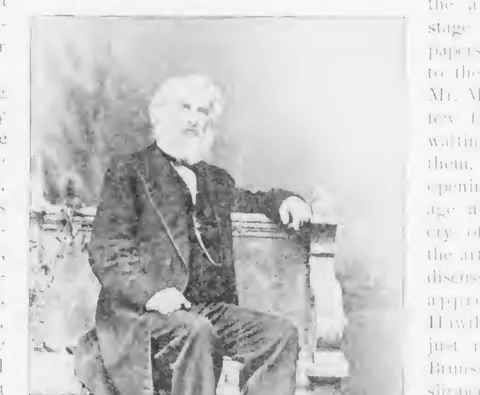 (opens in a new tab)
 Henry W. Longfellow 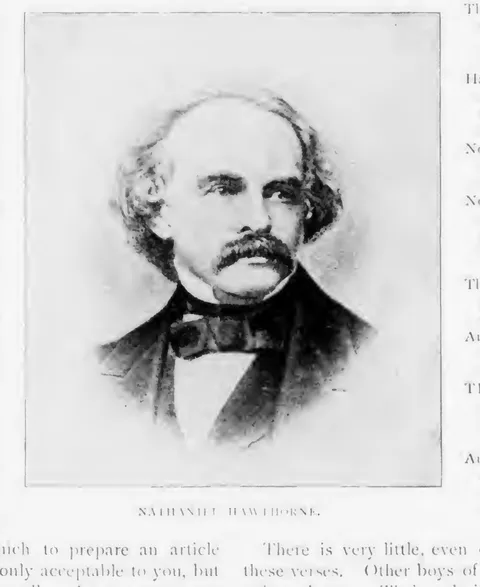 (opens in a new tab)
 Nathaniel Hawthorne 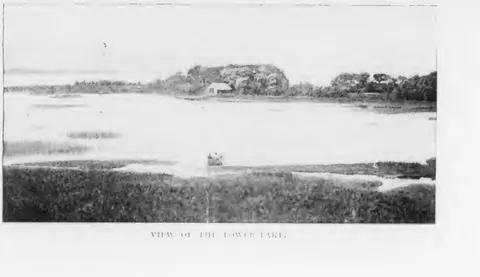 (opens in a new tab)
 View of the Lower Lake 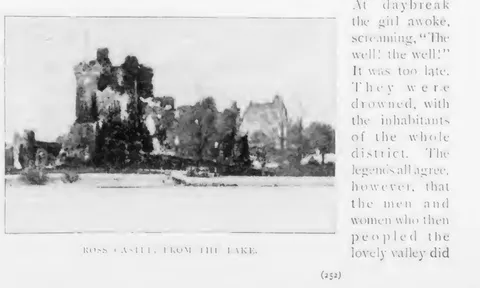 (opens in a new tab)
 Ross Castle, from the Lake 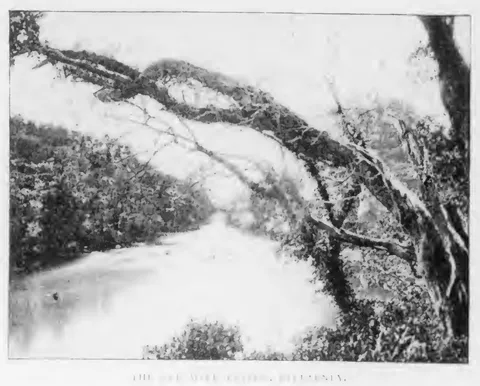 (opens in a new tab)
 The Long Range, Killarney 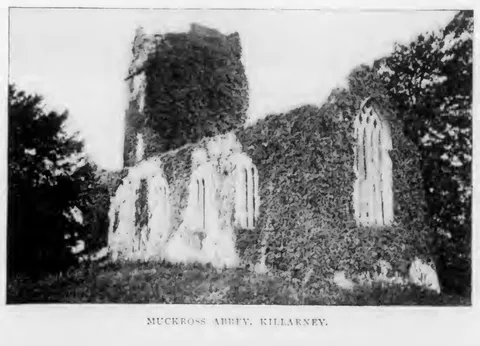 (opens in a new tab)
 Muckross Abbey, Killarney 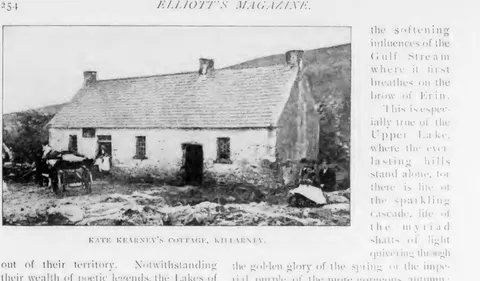 (opens in a new tab)
 Kate Kearney's Cottage, Killarney 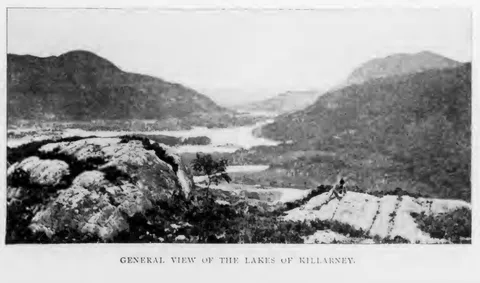 (opens in a new tab)
 General View of the Lakes of Killarney
Cartoons 1
 (opens in a new tab)
 The Inventor's Will-o'-the-Wisp
Mastheads 4
 (opens in a new tab)
 Et Cetera  (opens in a new tab)
 Home-Made Heterodoxy  (opens in a new tab)
 Automobiles  (opens in a new tab)
 Good Roads
22 advertisements
 (opens in a new tab)
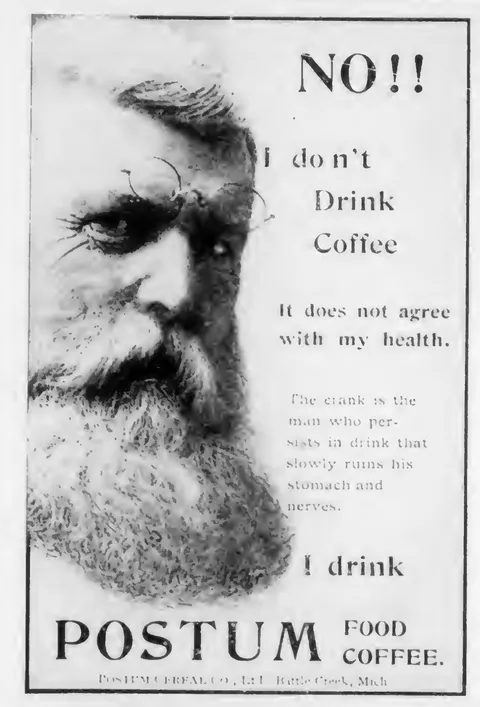
 Postum Food Coffee 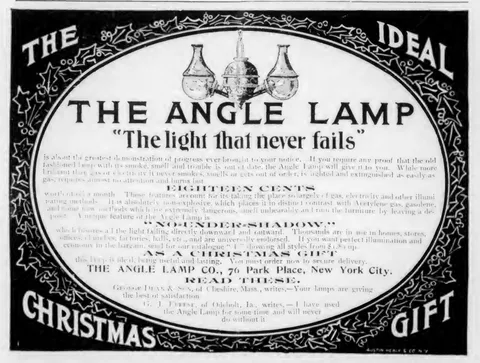 (opens in a new tab)
 The Angle Lamp, "The Ideal" 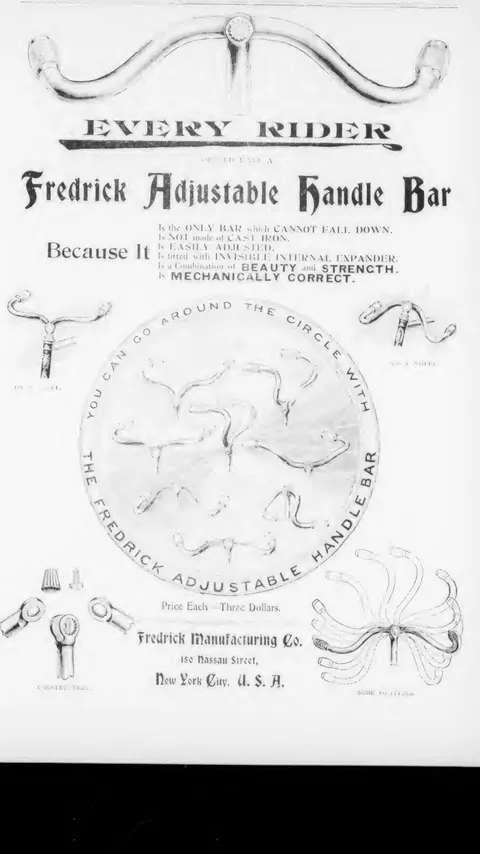 (opens in a new tab)
 Fredrick Adjustable Handle Bar 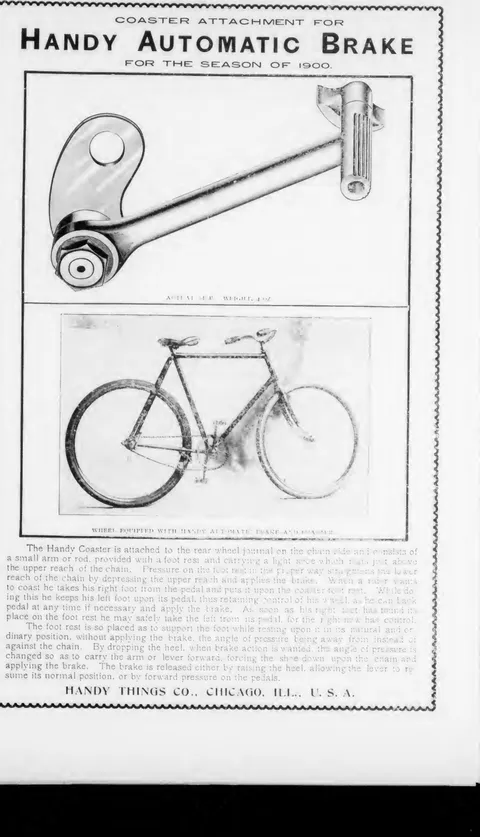 (opens in a new tab)
 Handy Automatic Brake, Coaster Attachment 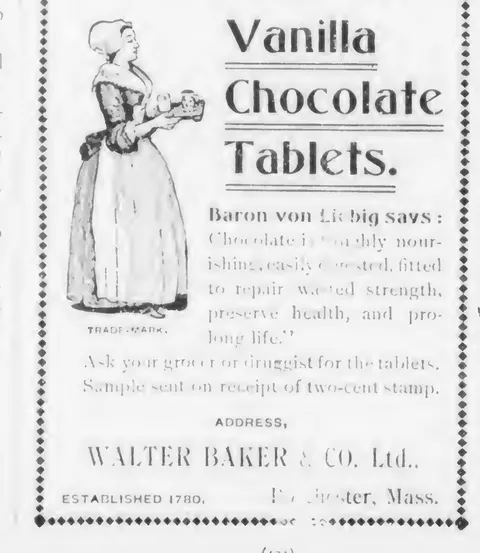 (opens in a new tab)
 Walter Baker & Co.'s Vanilla Chocolate Tablets 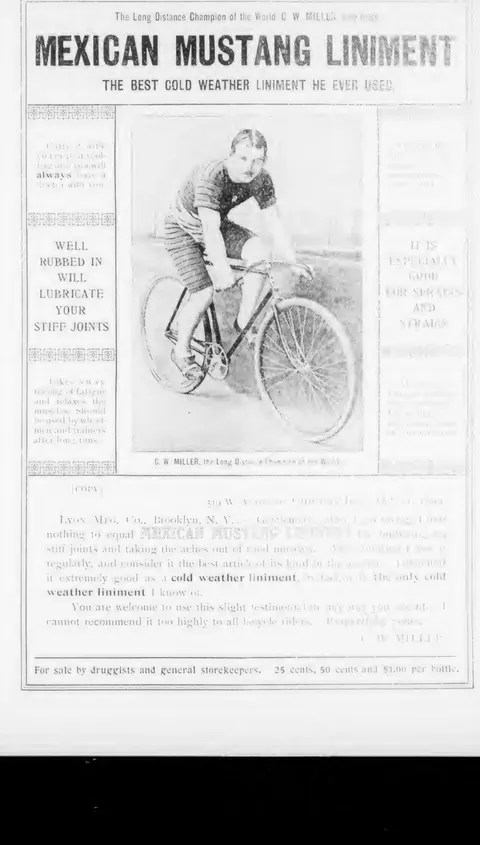 (opens in a new tab)
 Mexican Mustang Liniment 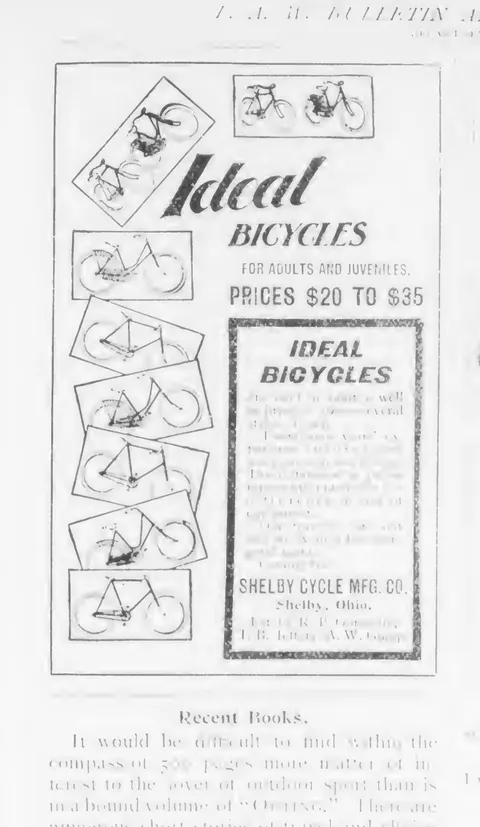 (opens in a new tab)
 Ideal Bicycles 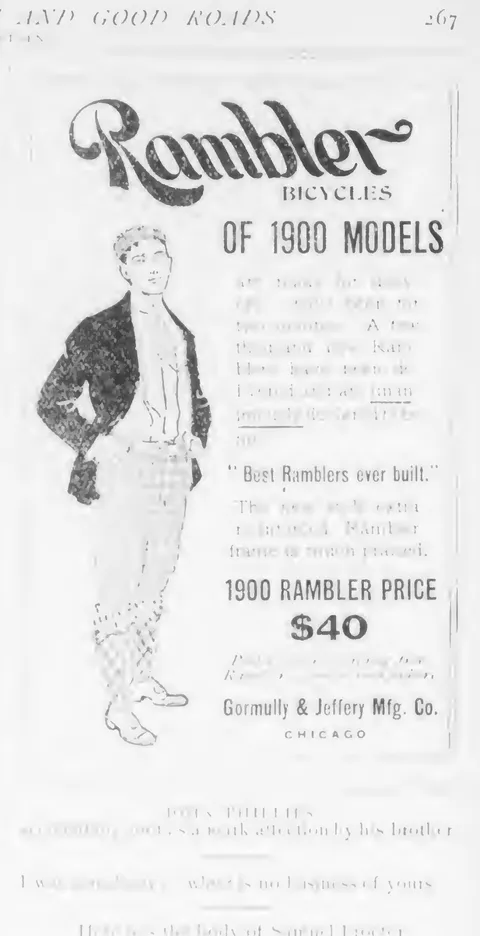 (opens in a new tab)
 Rambler Bicycles of 1900 Models 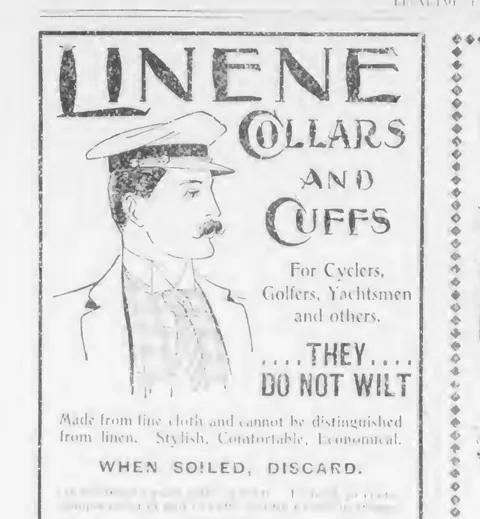 (opens in a new tab)
 Linene Collars and Cuffs 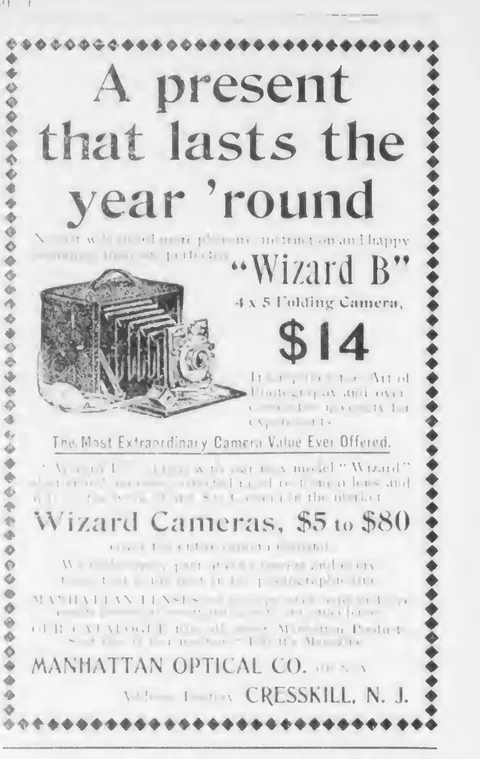 (opens in a new tab)
 Wizard B Folding Camera 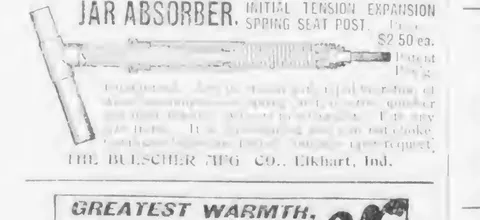 (opens in a new tab)
 Jar Absorber 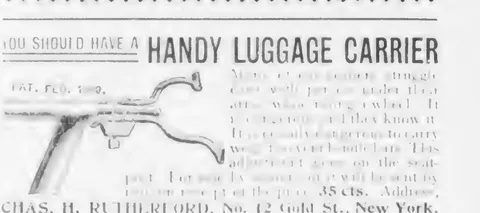 (opens in a new tab)
 Handy Luggage Carrier 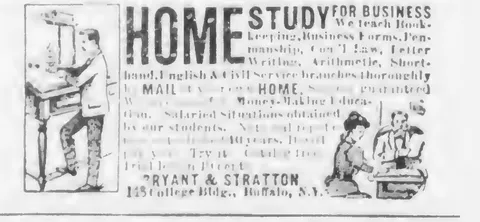 (opens in a new tab)
 Home Study for Business 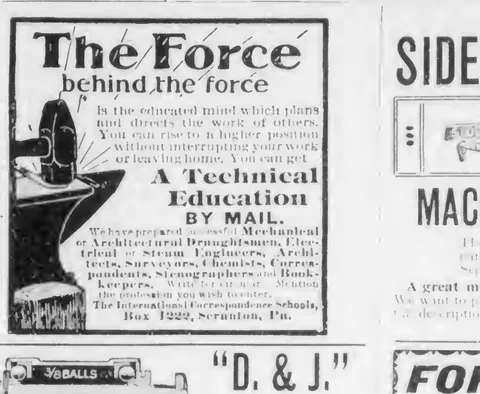 (opens in a new tab)
 A Technical Education by Mail 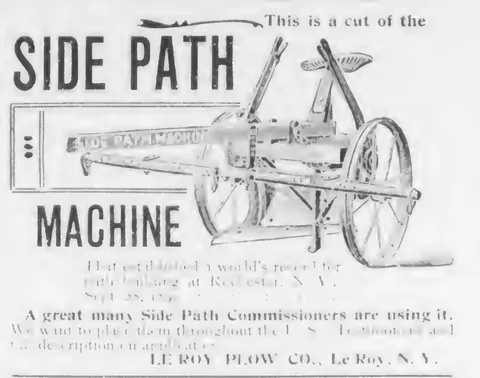 (opens in a new tab)
 Side Path Machine  (opens in a new tab)
 D. & J. Hangers  (opens in a new tab)
 Bike Jockey Strap Suspensory  (opens in a new tab)
 A Sharp Point, Dixon's Pencils 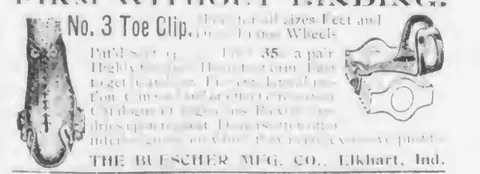 (opens in a new tab)
 No. 3 Toe Clip 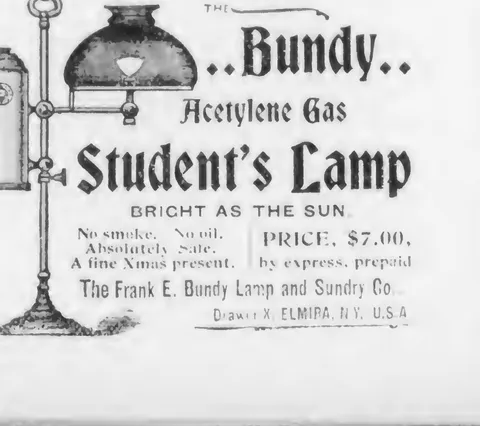 (opens in a new tab)
 Bundy Acetylene Gas Student's Lamp 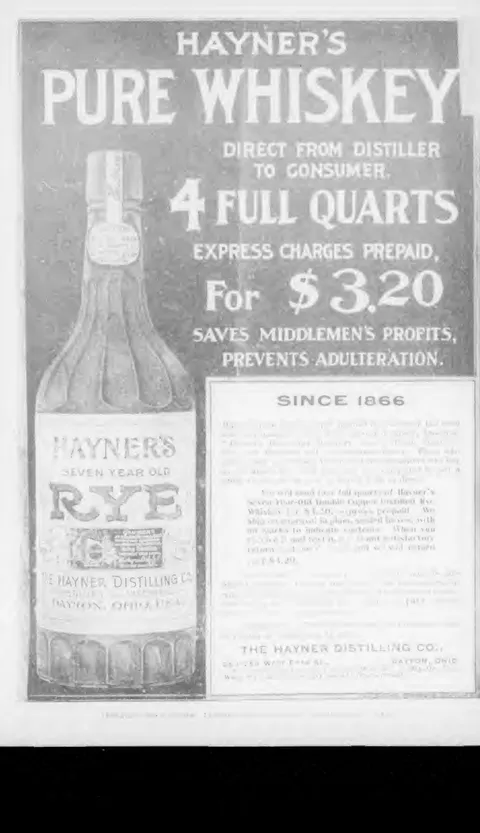 (opens in a new tab)
 Hayner's Pure Whiskey 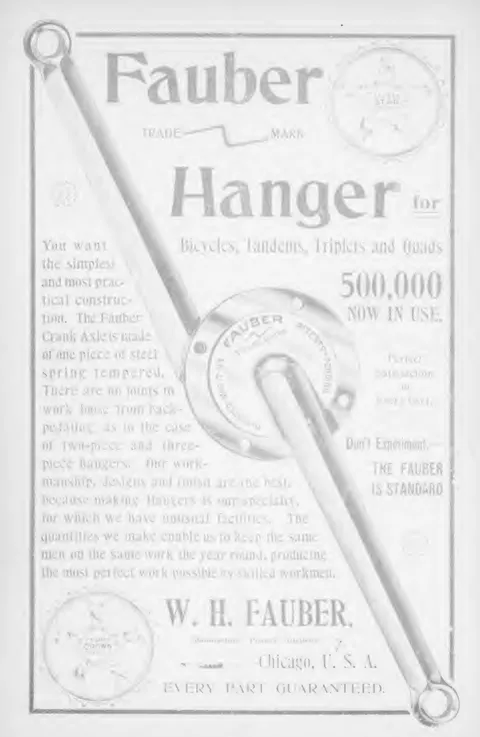 (opens in a new tab)
 Fauber Hanger