Vol 31, No 1
190034 articles51 images
Articles in this issue
- A Chicago wheelman's tour east through Michigan to Detroit and across the river at Windsor into Ontario, where L. A. W. cards passed the party through customs free, praising cheap inns, the Ridgetown rather than Wallacetown route from Blenheim to London, and the civility of Toronto and Hamilton people and of trainmen who lifted the riders and their wheels aboard during a rainstorm.
- Mrs. C. H. Summers describes cycle touring around Otsego Lake and Cooperstown, N.Y., the Fenimore Cooper country, with a good road the length of the lake and a cycle path along its east shore past Leatherstocking's Cave, and side trips to Richfield Springs, Schenevus and Cherry Valley.
- A short sentimental poem in which the jealous lover's unnamed rival proves to be the beloved's own former self.
- A reader answering the December call for 'A Bicycle Game Wanted' proposes mounted jousting on wheels with tapered, boxing-glove-tipped lances over a 30-by-50-foot field and draft rules forbidding fouling spokes or chain; W. O. Smith of Brighton, Mass., adds that bicycle polo played by striking the ball with the front wheel was a great game in Ordinary days.
- Winter riding advice for the greasy coating that forms on city pavements: keep the machine light on the pedals, pedal evenly at a moderate pace, steer for the surface offering most grip, and dismount rather than risk a side-slip.
- A New Year reprint of Alfred Tennyson's 'Ring out, wild bells, to the wild sky' from In Memoriam.
- An essay contrasting the poets' ideal of cottage, hollyhocks and country quiet with the practical apartment-house age of steam heat, electric light and limited express trains, ribbing Omar Khayyam, John Heywood, Wordsworth, Gray and Longfellow and noting that Kipling has convinced thousands that verse need not mention birds or flowers.
- A poem by Nixon Waterman in praise of 'Babbie,' whose passing along the leafy June lanes sets the fields, brooks and skies vibrating with delight.
- Harvey Monroe on the coming Paris Exposition of 1900, warning that steamship companies and Paris hotel-keepers are about to raise rates and that cheap fares cannot be looked for, and urging those who must stay home to plan the year as carefully as the traveller plans a trip.
- The magazine's department of short comment: the Brooklyn Franklin Syndicate swindle as proof that a burnt child loves the fire, the crowd of office-seekers at the Capitol in Washington, the long road back from 'world power' expansion, and American women's appetite for cut-rate bargains.
- An editorial on a recent English case in which a dogcart owner sued an automobilist for his horse's runaway, endorsing the judge's ruling that horses must now be trained to accept light locomotives on the roads.
- An editorial arguing that a year of publicity has taught riders what the League of American Wheelmen has won for them, and calling on every non-member to send in his application before the next riding season.
- An editorial noting that the League of American Wheelmen will celebrate its twentieth anniversary on Decoration Day, with a proposed 'Founders' bar to be attached to the Veteran bars of the surviving original members.
- Edwin Emerson, quoted from The Automobile Magazine, on the disputed introduction of the coach to England, credited to Queen Eleanor, to Sir Thomas Chamberlayne and to Walter Rippon's coach of 1555, and on Bishop Hall's and Parliament's objections to the new vehicles.
- An editorial scolding the presidents of leading American colleges for calling 1900 the beginning of a new century, since the nineteenth hundred years end only with the close of 1900.
- An English correspondent reports boys throwing their caps into the road to be crushed by passing automobiles, just as they did to cycles fifteen years earlier, and recalls a sober workman laying down his hat to be run over.
- Thomas W. Davis of Peoria, Ill., born in Chester, England, in 1828, tells how he had a bicycle carved on his family monument, having ridden 70,167 miles on one Ordinary and six safeties since 1889 and still covering 40 to 50 miles a day.
- The magazine's motoring department, with notes on Berlin-system storage-battery street cars proposed for Chicago, the 1,117-mile London to Edinburgh motor-vehicle trial of March-April 1900, the badge regulations of the Automobile Club of Great Britain and Ireland, and a London ladies' club that decided against excluding men.
- A reminder that nothing is new under the sun, quoting an 1829 review's enthusiastic notice of the steam-carriage invented by Sir Goldsworthy Gurney and its prophecy that the principle would extend to all sorts of carriages.
- J. Grant Cramer (L. A. W. No. 1800) of Leipzig describes the trade-only Fahrradmesse in the Crystal Palace, from which the public and all foreign-made bicycles were excluded, criticises German machines as clumsy and faulty in design, and urges American makers to open a joint branch house in Berlin, Leipzig, Hamburg, Munich and Dresden.
- A photograph of the infant Paul de Gournay, taken and copyrighted by his father Jos. V. Pearce of Philadelphia, offered as the counterpart to the seventy-year-old rider written up elsewhere in the number.
- A burlesque method of finding a bicycle's gear by counting sprocket teeth, scratching one's head and dividing by seven-elevenths, followed by a note on a New York racing machine built for the Paris Exhibition with a 60-tooth front and 7-tooth rear sprocket, a gear of 240.
- The road-improvement department of the L. A. W. Bulletin, carrying Otto Dorner's statements on haulage costs and state aid, notes that Rochester, N.Y., has 130 miles of side path, and a Monroe County, N.Y., sidepath commission meeting on a state sidepath law.
- Otto Dorner, chairman of the L. A. W. Highway Improvement Committee, calculates American haulage at 25 cents per ton per mile against 8.6 cents in Europe, cites Mecklenburg County, N.C., where macadam let two mules haul twelve bales of cotton instead of two, and quotes the Office of Road Inquiry's estimate of $600,000,000 saveable each year.
- Dorner argues that the country road is the neglected stepchild of the legislatures and that cheap haulage is as vital to American grain competing with Russia, South America and India as cheap rail rates, pointing to state aid in New Jersey, Massachusetts and New York and to the constitutional amendments won in Minnesota and Wisconsin.
- Abbot Bassett's official pages listing the League's 1899-1900 officers under President Thomas J. Keenan, Jr., the national committees on membership, rights and privileges, highway improvement, touring, transportation and racing, and the chief consuls and secretary-treasurers of every division, with notices of the dated cap pin and an appeal to join.
- The Worcester Consulate, through Elwood W. Goodell, Lincoln Holland and Arthur H. Burton, circulates its unanimous endorsement of a state bicycle licence fee whose proceeds would go solely to highway improvement and cycle-path building, reckoning 150,000 wheels in Massachusetts.
- The text of the Worcester Consulate's draft Massachusetts bill: a one-dollar yearly licence on every foot-propelled vehicle, licence plates issued by a person designated by each mayor or board of selectmen, proceeds applied to roads and cycle-paths, and power for police to seize unplated machines.
- Chief Consul Earle replaces the state meet with a four-day L. A. W. Festival to be awarded to the first Michigan town outside Detroit sending in 200 memberships, offering bicycle races, a state baseball tournament, an automobile exhibition and races, and a Good Roads Day on which a mile of macadam will be built.
- The division press committee reports that Michigan members have overwhelmingly voted for the League to drop control of professional racing, and asks each of them to recruit a new member before the National Assembly meets in the third week of February.
- Formal notice of amendments to the League's Constitution and By-Laws to be moved at the February 1900 National Assembly, covering ex-officers' voting rights, division boards of officers, official organs, and the granting and revocation of club and consulate charters.
- The correspondence department prints the world's records standing from one mile to twenty-four hours, refers a querist to 'Shall We Go to Europe?' in this number as it is too early to state the cost of the trip, and notes a Jamaica cycling map with hotels, routes, grades and distances issued by E. V. d'Invilliers of Philadelphia.
- A notice of 'The Empire of the South: Its Resources, Industries, and Resorts,' published by the Southern Railway and written by Frank Presbrey, an encyclopedia of the Southern states in 184 pages with over five hundred photographic views, obtainable for 15 cents from the Northeastern Passenger Agent in Boston.
- A short illustrated verse on the crow, a very wise but selfish bird that, like man, asks of each scheme 'Is there anything in it for me?'
Images in this issue 51 pictures from 19 pages
Illustrations 3
 (opens in a new tab)
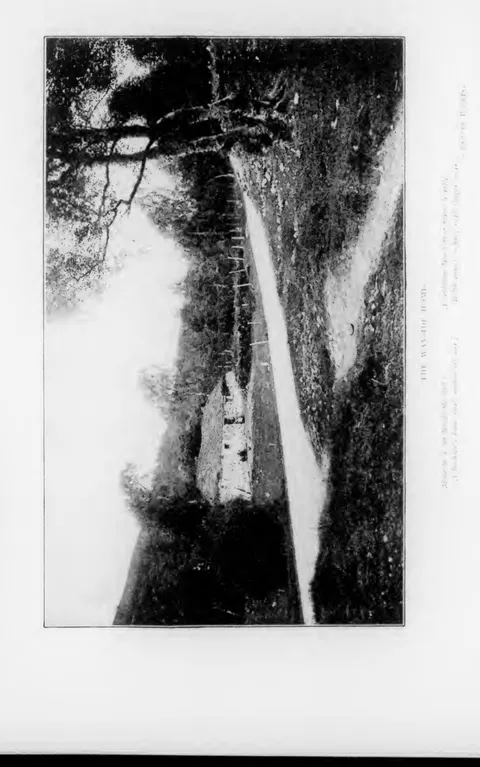
 The Way for Home 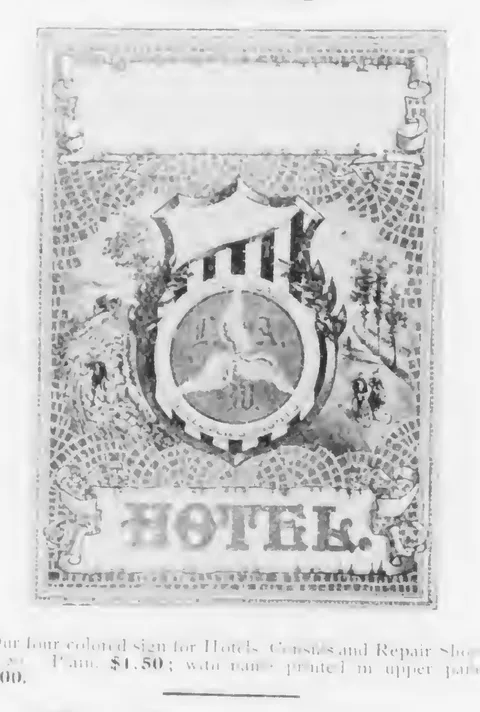 (opens in a new tab)
 Hotel, sign design sample 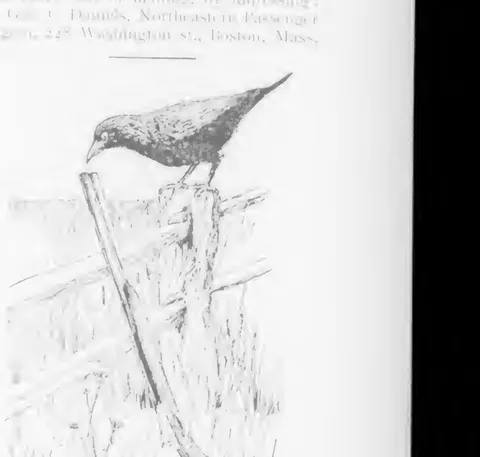 (opens in a new tab)
 Almost Human
Photographs 13
 (opens in a new tab)
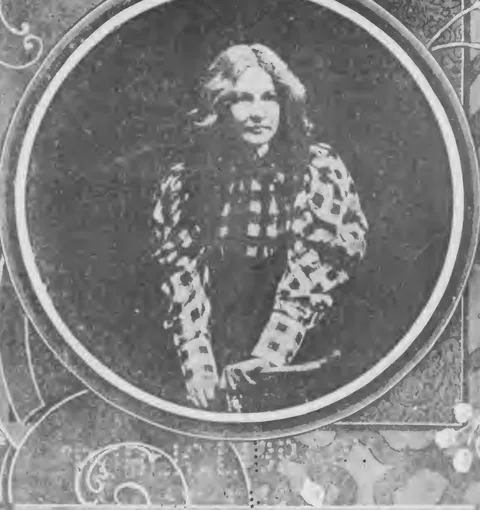
 Cover portrait 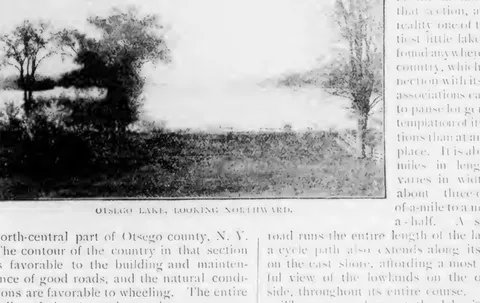 (opens in a new tab)
 Otsego Lake, Looking Northward 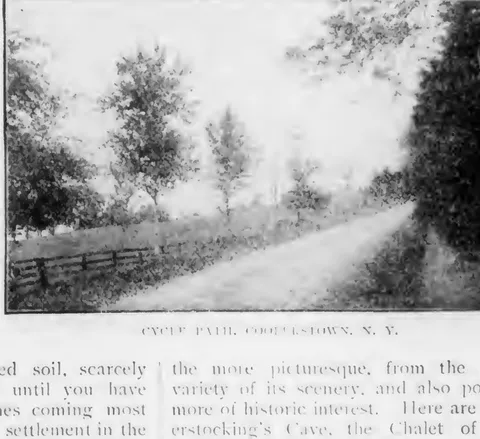 (opens in a new tab)
 Cycle Path, Cooperstown, N. Y. 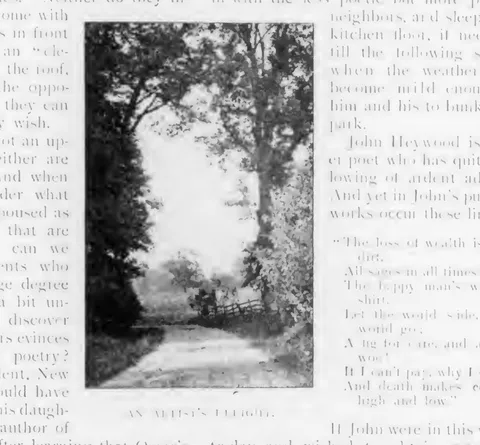 (opens in a new tab)
 An Artist's Leisure 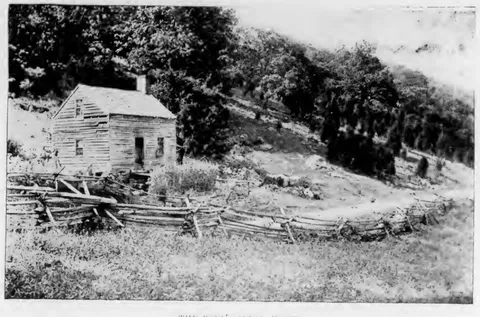 (opens in a new tab)
 The Poet's Ideal Home 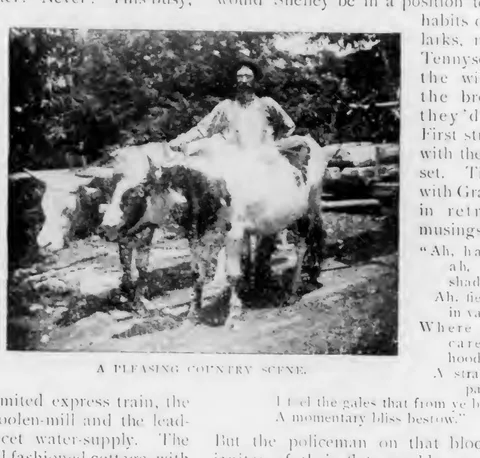 (opens in a new tab)
 A Pleasing Country Scene 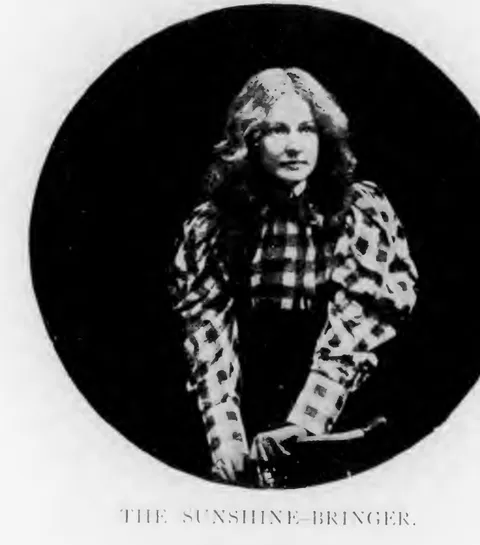 (opens in a new tab)
 The Sunshine-Bringer 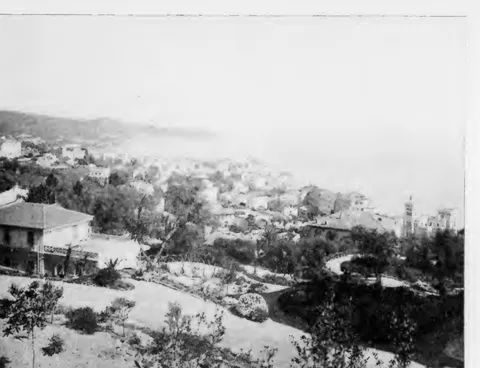 (opens in a new tab)
 Along the Riviera, a Favorite Route for Tourists 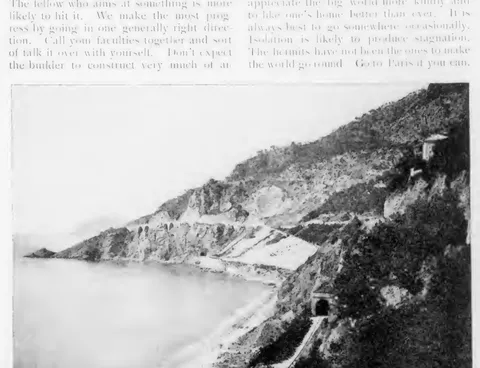 (opens in a new tab)
 Along the Blue Mediterranean 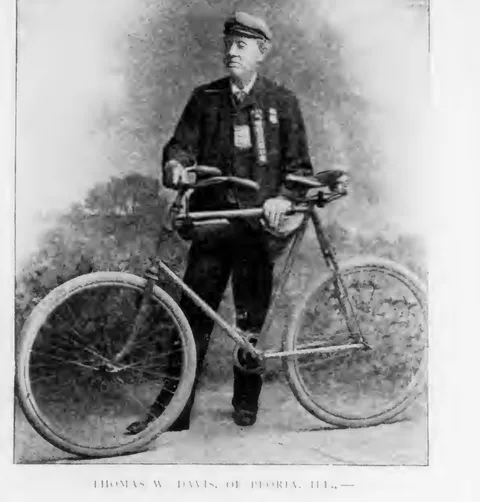 (opens in a new tab)
 Thomas W. Davis, of Peoria, Ill. 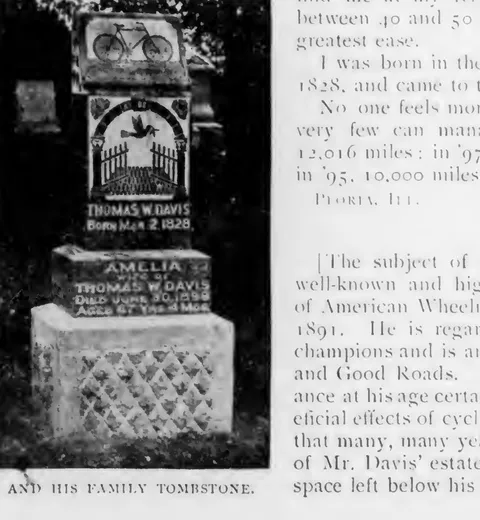 (opens in a new tab)
 And His Family Tombstone 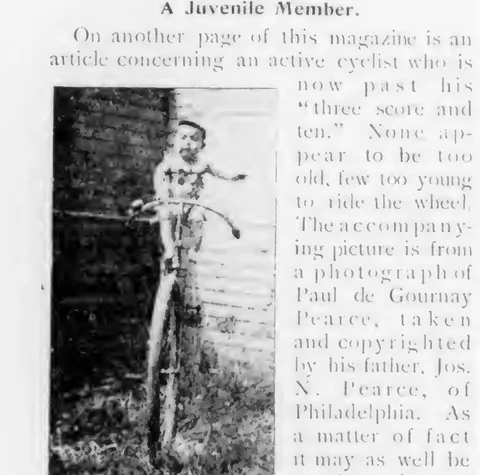 (opens in a new tab)
 A Juvenile Member (Paul de Gournay Pearce) 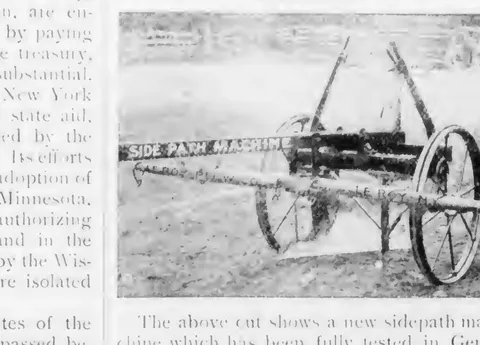 (opens in a new tab)
 Side Path Machine (in use)
Diagrams 3
 (opens in a new tab)
 L. A. W. Badge  (opens in a new tab)
 Veteran Bar  (opens in a new tab)
 Decalcomania Decorations
Mastheads 5
 (opens in a new tab)
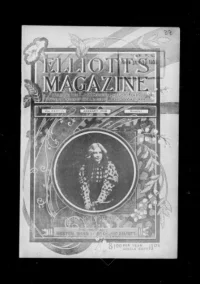
 Elliott's Magazine (cover title-piece)  (opens in a new tab)
 Et Cetera  (opens in a new tab)
 L. A. W. Bulletin and Good Roads Department  (opens in a new tab)
 Automobiles  (opens in a new tab)
 Good Roads
27 advertisements
 (opens in a new tab)
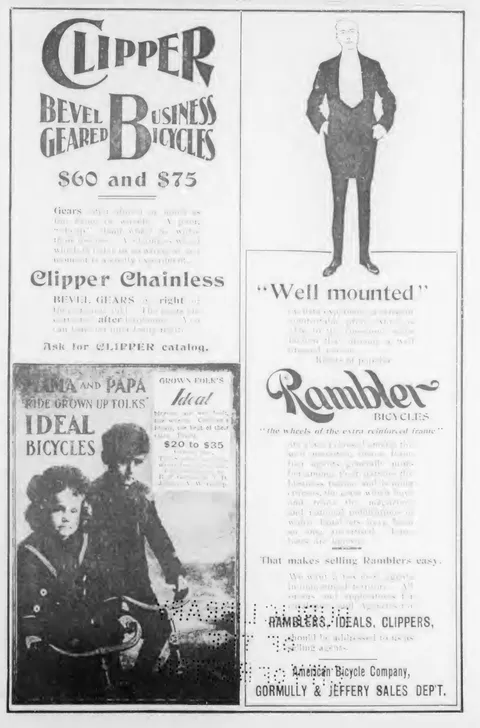
 Clipper, Rambler and Ideal Bicycles 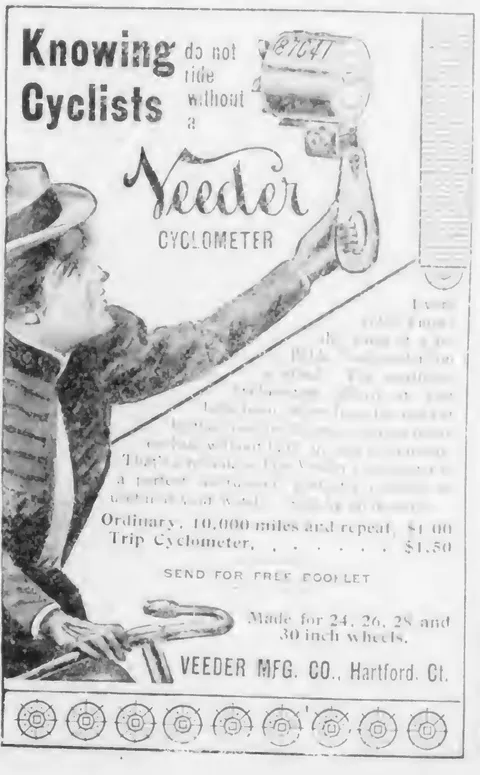 (opens in a new tab)
 Veeder Cyclometer, Knowing Cyclists 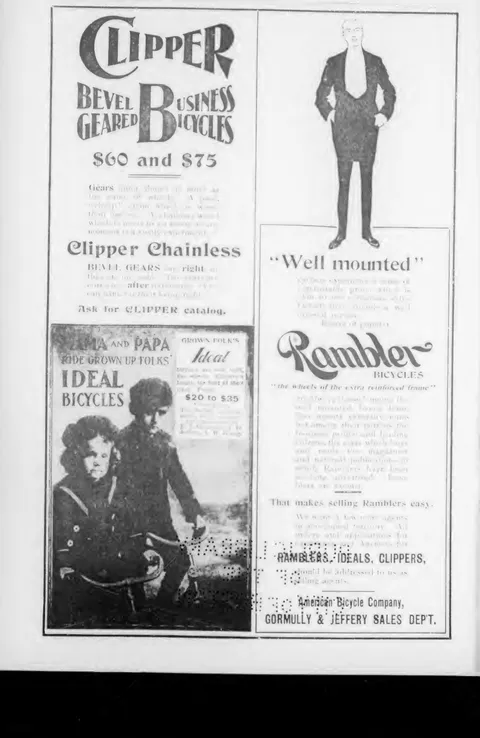 (opens in a new tab)
 Clipper, Rambler and Ideal Bicycles - (opens in a new tab)
Veeder Cyclometer, Knowing Cyclists  (opens in a new tab)
 Stafford Fountain Pen, Money Saved  (opens in a new tab)
 Krementz Collar Button Insurance 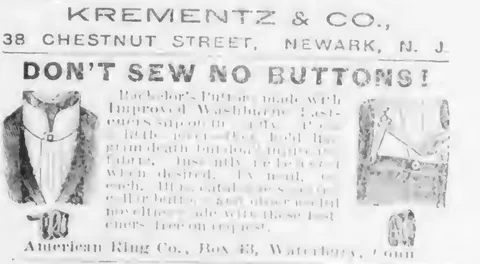 (opens in a new tab)
 Don't Sew No Buttons!, American Ring Co. 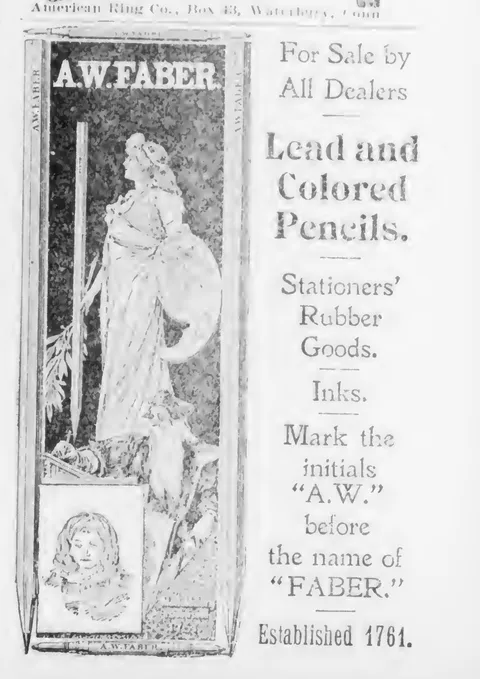 (opens in a new tab)
 A. W. Faber, Lead and Colored Pencils 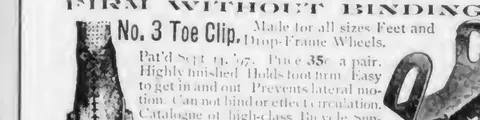 (opens in a new tab)
 No. 3 Toe Clip, The Buescher Mfg. Co. 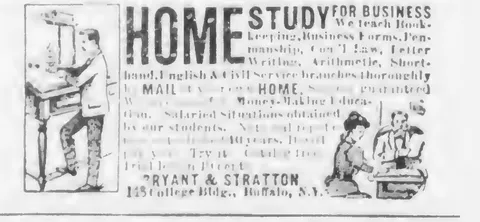 (opens in a new tab)
 Home Study for Business, Bryant & Stratton 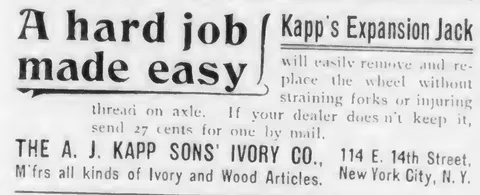 (opens in a new tab)
 A Hard Job Made Easy, Kapp's Expansion Jack 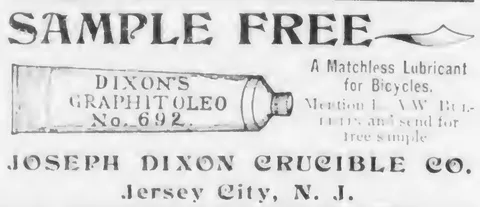 (opens in a new tab)
 Sample Free, Dixon's Graphite Oleo 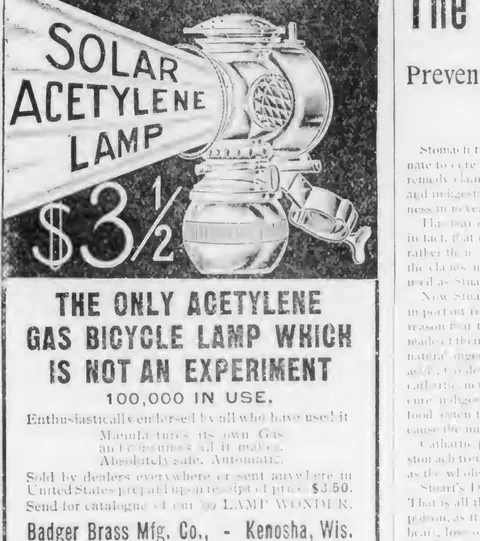 (opens in a new tab)
 Solar Acetylene Lamp 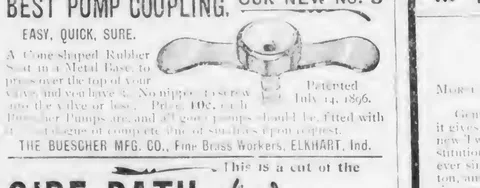 (opens in a new tab)
 Best Pump Coupling 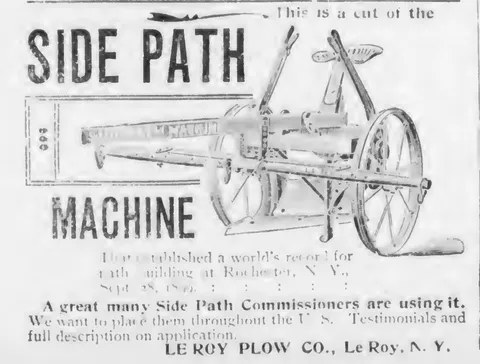 (opens in a new tab)
 Side Path Machine  (opens in a new tab)
 Insist on Having the Best Chain Made, Morse Chain Co.  (opens in a new tab)
 Are You a Cog?, Change Your Occupation 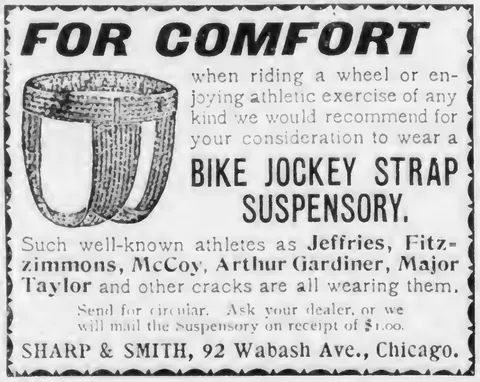 (opens in a new tab)
 For Comfort, Bike Jockey Strap Suspensory 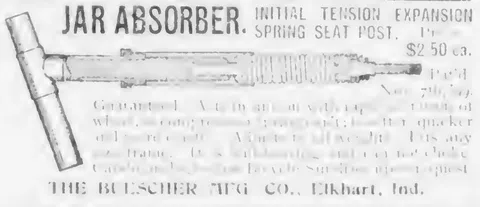 (opens in a new tab)
 Jar Absorber Spring Seat Post 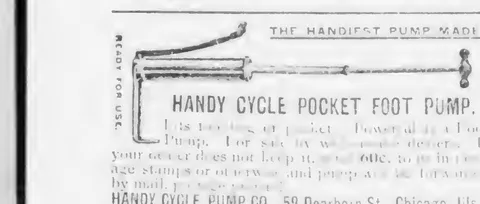 (opens in a new tab)
 Handy Cycle Pocket Foot Pump 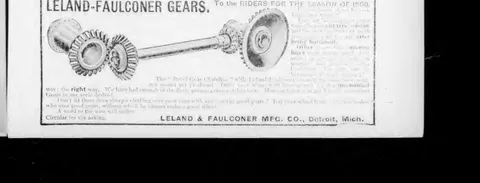 (opens in a new tab)
 Leland-Faulconer Gears 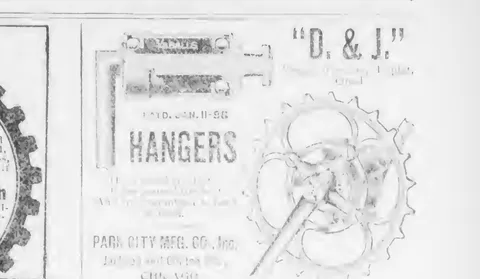 (opens in a new tab)
 D. & J. Hangers  (opens in a new tab)
 Handy Luggage Carrier 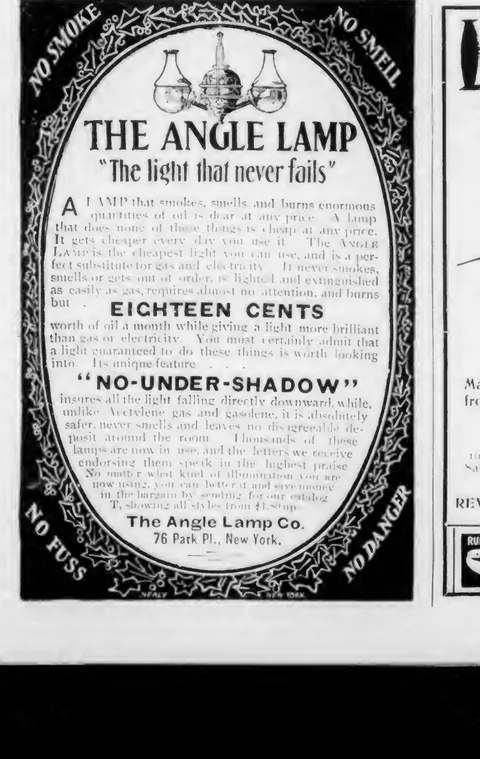 (opens in a new tab)
 The Angle Lamp 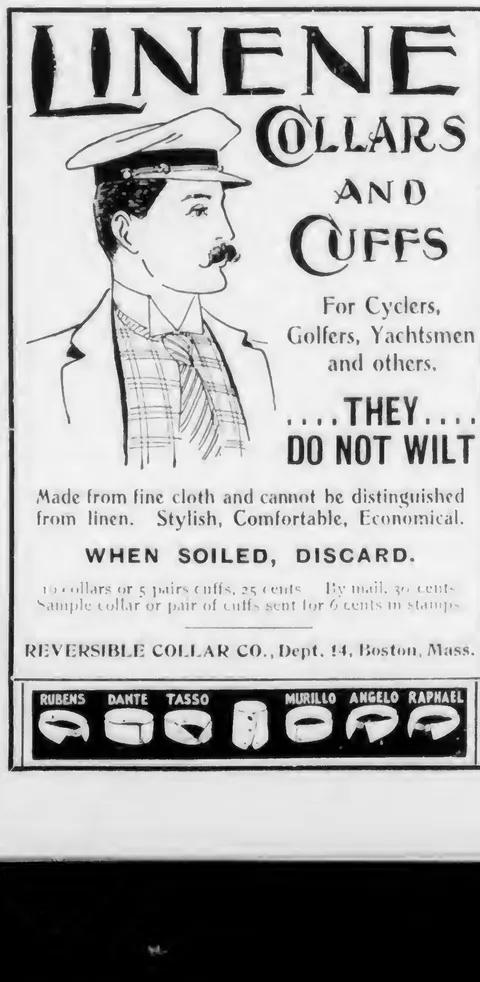 (opens in a new tab)
 Linene Collars and Cuffs 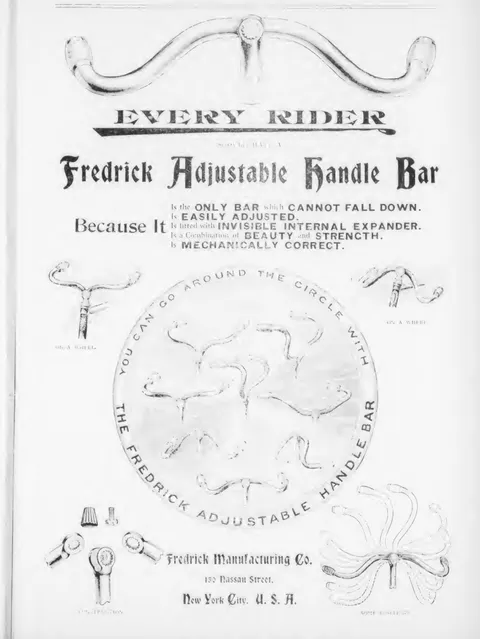 (opens in a new tab)
 Fredrick Adjustable Handle Bar 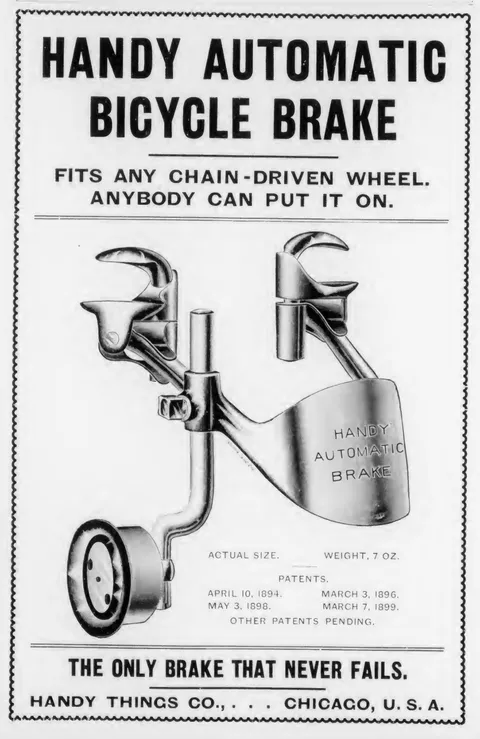 (opens in a new tab)
 Handy Automatic Bicycle Brake