Vol 31, No 3
190037 articles56 images
Articles in this issue
- Two sonnets by Emily Shaw Forman: "Hepatica" (March), addressed to the blue-eyed herald of the tardy spring keeping watch while wintry snows lie deep, and "Blood Root" (April), on the dainty flower that dons her pale-green wrap in a warm, sheltered nook beside a gurgling brook.
- Glen Jay's illustrated March nature essay on a mellow early-spring day: ice-broken birches among defiant oaks, a clump of pines breathing balsam, a bluejay crying that the reign of Winter is over, and the long search under drifts of dead leaves for the season's first mayflower.
- A short poem arguing that a woman called plain-faced hides a soul-light in her eye: nobody stops to think about the pattern of the flagon when it is filled with the divinest drink the gods have proffered to the lips of men.
- James K. Damon on the rise of the correspondence school, which goes to the pupil when the pupil cannot go to it. One school alone, the International Correspondence Schools at Scranton, Pa., whose main building is pictured, has nearly 150,000 students on its rolls taking some sixty courses under 226 professors and assistants.
- Nixon Waterman's two-stanza poem on "the man who is there when he's wanted", the day, hour and moment when the gods are willing to try us, and the obscure part in life's play that comes true in one minute of best lines.
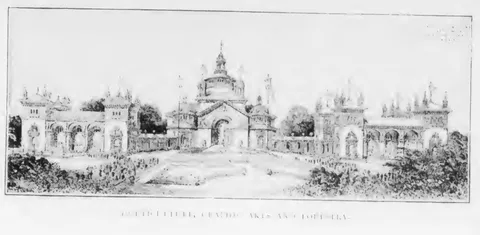
- Illustrated preview of the 1901 Buffalo exposition (printed heading carries the typo "Expositon"): forty millions of people within a night's journey, Niagara Falls half an hour away, the 45,000-square-foot Horticultural Building, the matching 30,000-foot Graphic Arts and Forestry buildings, the Spanish-Renaissance Machinery and Transportation Building of 500 by 350 feet, and a Stadium seating 25,000 with a quarter-mile track for pageants, automobile exhibits and an athletic carnival.
- A short poem: the world being full of fools in every path and street, the speaker will shut himself in his room to avoid seeing another dull face, and then break his looking-glass.
- Banner of the magazine's editorial miscellany department for the March number, running comment on cycling, marriage and religion under separate side-heads.
- Comic editorial on the wheel as a comforter: the Prince of Wales is said to have ordered a new bicycle for want of the crown of Great Britain, a Wisconsin widow went cycling three days after her husband's death and flirted with a church deacon, and riders who bought on time forgot the dealer waiting for his money.
- A Texas correspondent asks that orthodox husbands read Ingersoll at morning prayers, "go home like a ray of light", instead of St. Paul's "Wives be obedient to your husbands"; the editor mock-recoils at such iconoclasm toward the reigning policy of domestic imperialism.
- A beautiful church on Indiana avenue near Twenty-fourth street, Chicago, bearing a welcome tablet on its front, burned to the ground while its pastor and twenty-five members planned its silver jubilee; set beside Boston "religious fanatics" from Maine who prayed for stair and hall carpets.
- Department of comic verse and epigrams, including "A Warning" on the restaurant man's thin soup, "Realism in Art," "By a Feminine Cynic," "Consolation," "A Rare Extension," "The Rubber Hoof Marks" on the automobile leaving its auto-graph on every highway, "Washington Outdone" (General Buller crossing the Tugela back and forth for months), "The Gold Brick Tale" and "An Object Lesson."
- Masthead of the League of American Wheelmen's official department bound into Elliott's Magazine for March 1900, published monthly by Sterling Elliott, 530 Atlantic Avenue, Boston, with Sterling Elliott as editor and Nixon Waterman as associate editor.
- Report of the League's Philadelphia assembly, where 93 of the 98 members present voted for Mr. Potter's proposition to strike all reference to racing from the constitution and by-laws. Conway W. Sams of Baltimore was elected president, Robert T. Kingsbury of Keene, N.H. first vice-president, A. B. Choate of Minneapolis second, and James C. Tattersall of Trenton treasurer; Chas. W. Mears's suspension was cut to five months, H. S. Earle promised 500 miles of sidepaths in a day, and the Century Wheelmen entertained the delegates.
- Why the tandem never reached the popularity its inventor dreamed of: the young man does all the hard pedalling and never wants to see a tandem again, and riders lack the independence of single wheels. Quotes a British exchange asking "Is the tandem losing favor?" after a falling-off of double-seaters at the Shows, and notes Essex county, N.J. macadamizing its thoroughfares at about $55,000 to the county.
- Banner of the motoring department, with notes on the winter behaviour of motor-cars, delivery and express wagons, the badly named "Hirtu" make sold in England and France, the first American automobile exposition at Grand Central Palace, New York, Nov. 10 to 24, and ten thousand automobiles in use in Europe.
- The Automobile Club of America has resolved to co-operate with the friends of good roads in urging the New York legislature to appropriate an amount adequate for modern road building, past appropriations having been too small for anything but superficial work. Credited to The Automobile.
- Wide tires remain necessary for the preservation of the highways, and the men who drive rubber-tired automobiles will soon be shouting the truth wheelmen have been proclaiming for years.
- Edward Ridgway, Jr. sends a Decoration Day photograph from Fernwood Cemetery, Philadelphia, of the white marble monument to little Norman I. Vankirk, a life-size statue in bicycle costume resting against his wheel, wearing three medals for century runs, statue and wheel carved from one piece, so Peoria, Ill. is no longer the only city with a bicycle cut in marble.
- Whether the buyer of a stolen bicycle has any legal or moral right to it: a bona-fide purchase is a hard case, but paying $2.50 or $4.00 for a $50 or $75 wheel is not. Buy from an established dealer rather than from every Tom, Dick and Harry passing along the highway.
- Chief Consul Earle of the Michigan L. A. W. is organizing 10,000 wheelmen to turn out with pick and shovel on July 4, Cycle Path Builders Day, to build five hundred connecting miles of cycle path across the state, with special path-building tools now being shipped to points around Michigan.
- Brief trade notices: the American House, Boston, European plan at $1.00 a day; Nixon Waterman's "A Book of Verses" from Forbes & Company of Boston and Chicago at $1.25; Bi-cy-ka wheel cleaner from Raven Gloss Mfg. Co., 71 Barclay St., New York; and Elwell's cycle tours to Europe and the Paris Exposition from Portland, Me.
- Banner of the good-roads department, illustrated with a photograph of a road-grading team captioned "There are lots of roads (?) like this."
- Much of the improvement in American highways over the past ten or fifteen years is credited to work done directly or indirectly by the League, whose strength long went on overcoming farmers who should have been its friends. Now that it has given up the control of racing it can concentrate on the roads, and the still-unorganized automobilists will agree first of all that they want good roads.
- Rural free mail delivery established at Carlinville, Illinois on Oct. 16, 1899 now covers twenty-five miles and serves ninety families; seventy daily papers from Chicago and St. Louis are taken by farmers, roads have been improved and land values have risen, though a public discussion doubted whether extension to poorer-roaded districts would repay the taxpayers.
- At the annual meeting of the Michigan Division of the League of American Wheelmen a resolution was adopted calling on the governor to use state convicts in building and maintaining roads, and the secretary was instructed to print and circulate 5,000 petitions; Chief Consul Earle is praised for the division's record.
- Banner of the League's official department, edited by Abbot Bassett, carrying the roster of national and state officers.
- President Conway W. Sams, Bank of Baltimore Building, Baltimore, Md.; first vice-president Robert T. Kingsbury of Keene, N.H.; second vice-president A. B. Choate, Temple Court, Minneapolis; treasurer J. C. Tattersall of Trenton, N.J.; secretary Abbot Bassett, Russia Bldg., 530 Atlantic Ave., Boston.
- Postoffice addresses of the chief consuls and secretary-treasurers of every state division, from Colorado (Thomas H. Gist, Denver) through Massachusetts (Sterling Elliott, Boston) and New York (Milo M. Belding, Jr.) to Wisconsin, with Joseph Pennell of London as foreign marshal, for use by consuls and agents drawing application and renewal blanks.
- Chief Consul M. M. Belding, Jr.'s appointed consuls for the year ending December 1900, listed town by town from Addison, Albany and Amsterdam through Brooklyn, Buffalo, New York City and Poughkeepsie to Yonkers.
- Clarence W. Small and Aaron Wolfson report to the president and members of the National Assembly on the secretary's and treasurer's accounts, recommending that the Loan Fund be discontinued as a source of dispute, that a blank statement form go to each committee chairman, that several hundred dollars of racing-board expense be repaid to the national treasury, and that the strictest economy be practised, the cash on hand being over six thousand dollars less than last year's balance.
- The secretary's statement of receipts and disbursements from January 1 to March 1, 1900, totalling $14,537.70, applications, renewals, subscriptions, fines, back dues, merchandise, clubs, periodicals and dividend against divisions, Bulletin, salary, rent, stationery and postage.
- The treasurer's statement of receipts and disbursements for the year ending Dec. 31, 1899, itemising national headquarters expenses (secretary's salary, clerical, postage, rent, light and fuel, printing, city tax, merchandise, freight), division applications and renewals, the L. A. W. Bulletin, racing-board travel and legal expenses, and the president's and vice-presidents' allowances.
- Amounts loaned to and repaid by the divisions, Illinois, Michigan, Indiana, Maryland, Connecticut, District of Columbia, Wisconsin, Iowa, New Jersey, Massachusetts and New York, with the balance due from each, the total outstanding from divisions being $8,504.42.
- Receipts and disbursements of the racing board's members, Fred Gerlach, Arthur W. Robinson, C. A. Dimon, J. W. Brigman, G. E. Stackhouse and W. J. Doty, from sanctions, amateur and professional registrations, fines and protests, against clerk hire, postage, express and telegrams, stationery, office expenses, travel and remitted claims and fines.
- Combined summary of the year's account, bringing together the treasurer's and secretary's opening balances and the totals credited to secretary, treasurer, periodicals and racing board, with the closing balances of each.
- Readers' questions answered: many diamond-frame wheels are ridden by the women of Paris but are less popular elsewhere in Europe; Nixon Waterman's "A Book of Verses" is in press at $1.25; good roads suggestions are always in order; the cheapest bicycle may prove the dearest once repairs and hospital costs are added; Paris has 2,000 motor machines and the Transvaal is said to have 20,000 cyclists; and a Surrey judge gave George Smith four years for stealing a $60 bicycle while Colquhoun got five for embezzling $250,000.
Images in this issue 56 pictures from 19 pages
Illustrations 4
 (opens in a new tab)
 Electric Tower, Casino, Mall and Colonnade 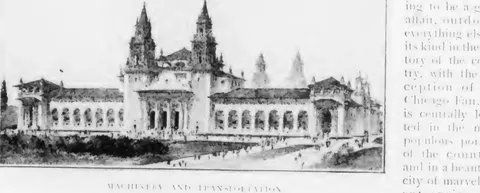 (opens in a new tab)
 Machinery and Transportation Building 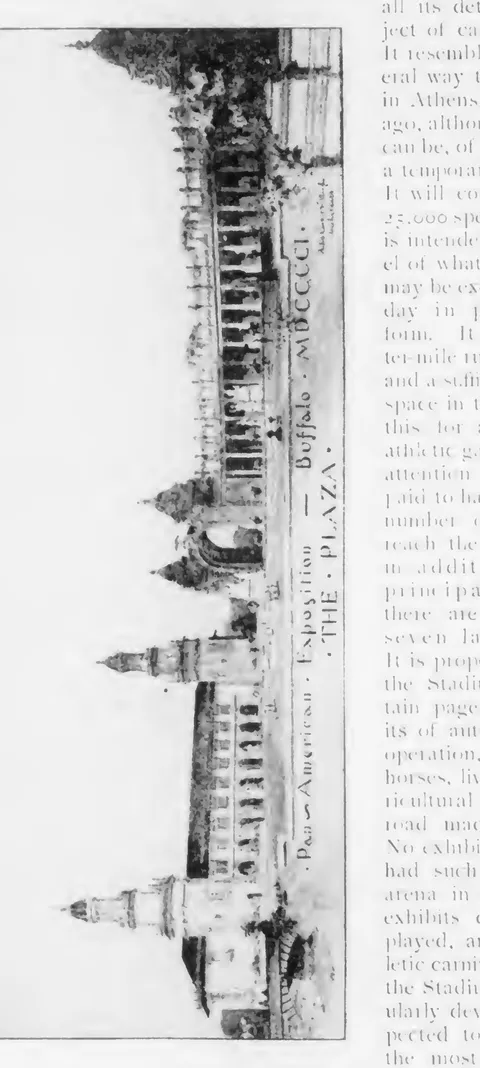 (opens in a new tab)
 Pan-American Exposition, The Plaza, Buffalo 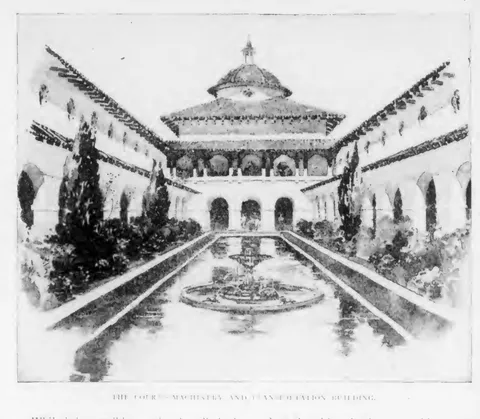 (opens in a new tab)
 The Court, Machinery and Transportation Building
Photographs 12
 (opens in a new tab)
 One of the Many Beautiful Bridges About Paris 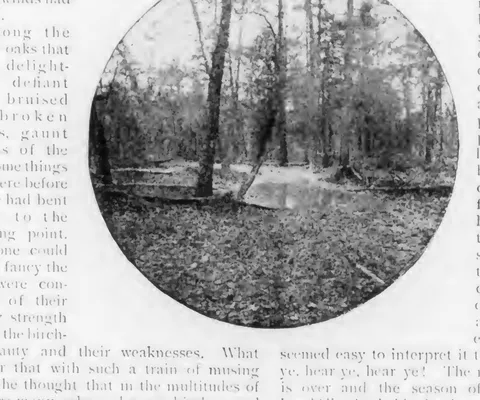 (opens in a new tab)
 Woodland clearing 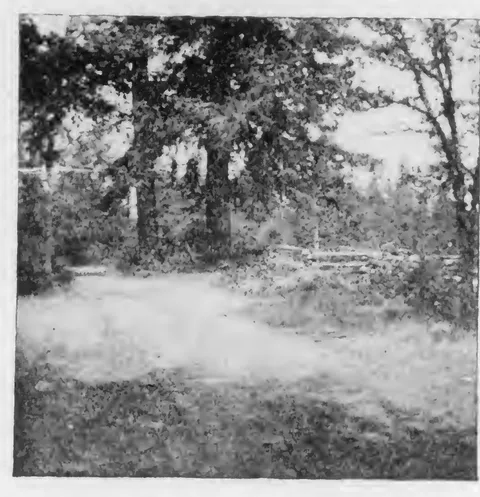 (opens in a new tab)
 Wooded path 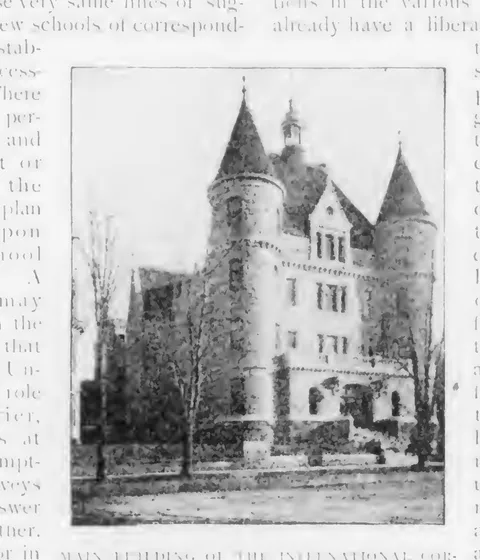 (opens in a new tab)
 Main Building of the International Correspondence Schools 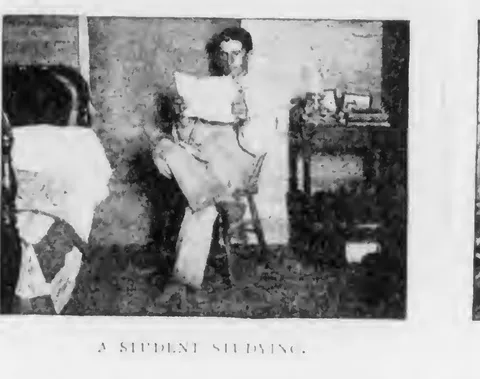 (opens in a new tab)
 A Student Studying 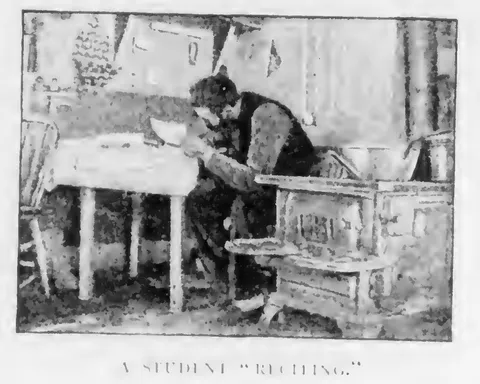 (opens in a new tab)
 A Student "Resting" 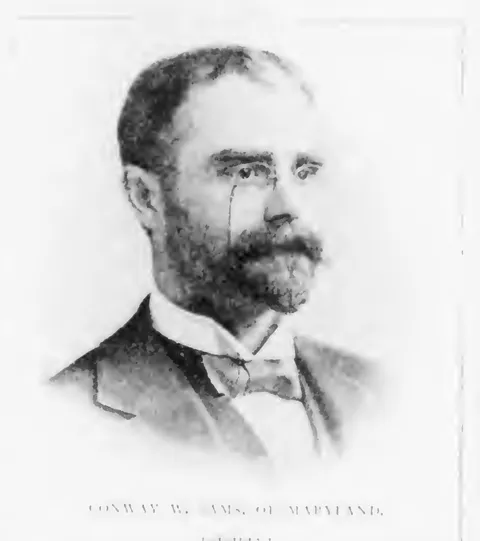 (opens in a new tab)
 Conway W. Sams, of Maryland 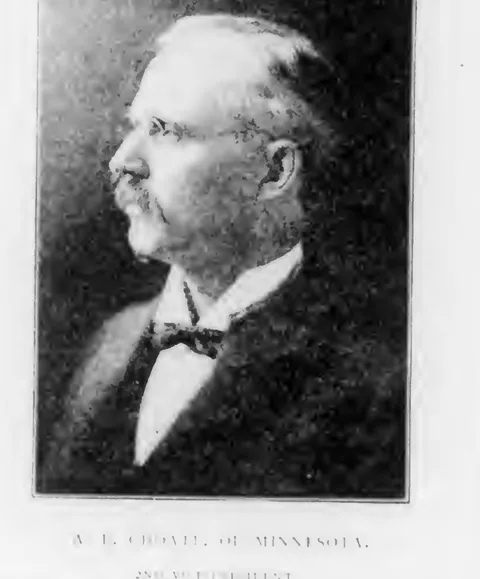 (opens in a new tab)
 A. G. Chase, of Minnesota 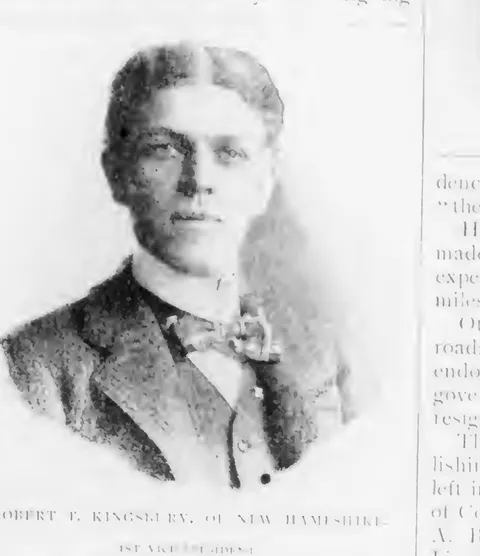 (opens in a new tab)
 Robert T. Kingsbury, of New Hampshire 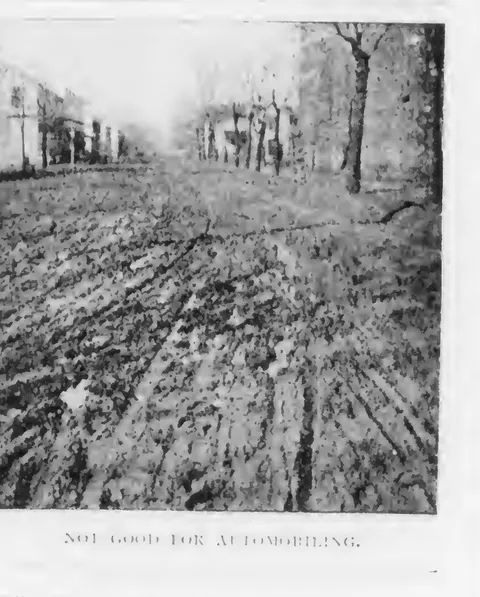 (opens in a new tab)
 "Not Good for Automobiling" 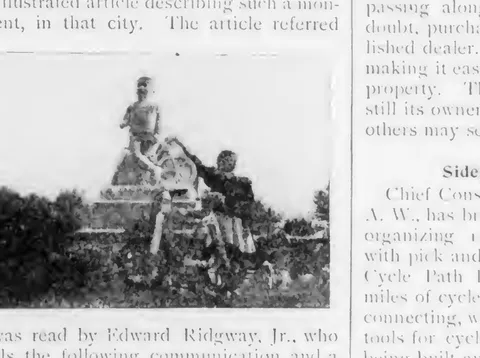 (opens in a new tab)
 A Bicycle Tombstone 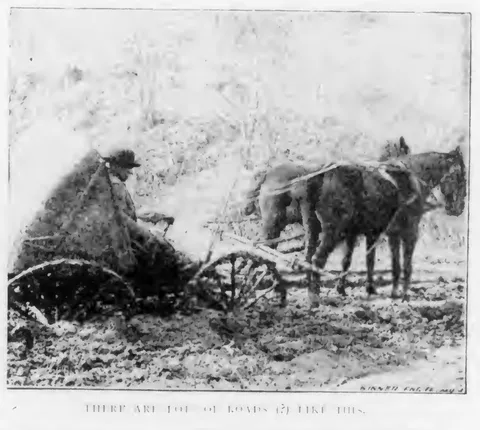 (opens in a new tab)
 "There Are Lots of Roads Like This"
Mastheads 5
 (opens in a new tab)
 Et Cetera  (opens in a new tab)
 L.A.W. Bulletin and Good Roads Department  (opens in a new tab)
 Good Roads  (opens in a new tab)
 League of American Wheelmen, Official Department  (opens in a new tab)
 Queries and Answers
35 advertisements
 (opens in a new tab)
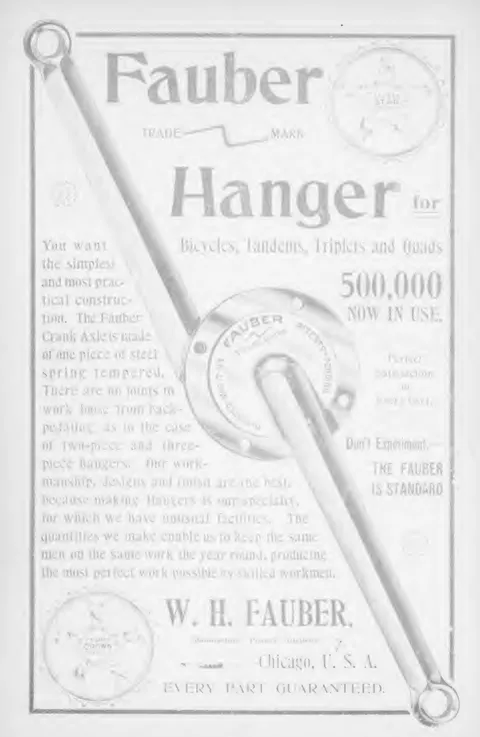
 Fauber Hanger 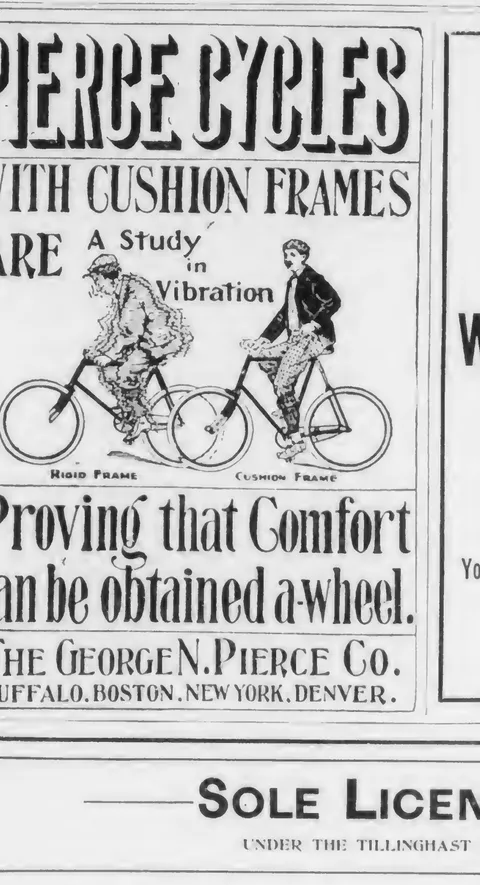 (opens in a new tab)
 Pierce Cycles with Cushion Frames 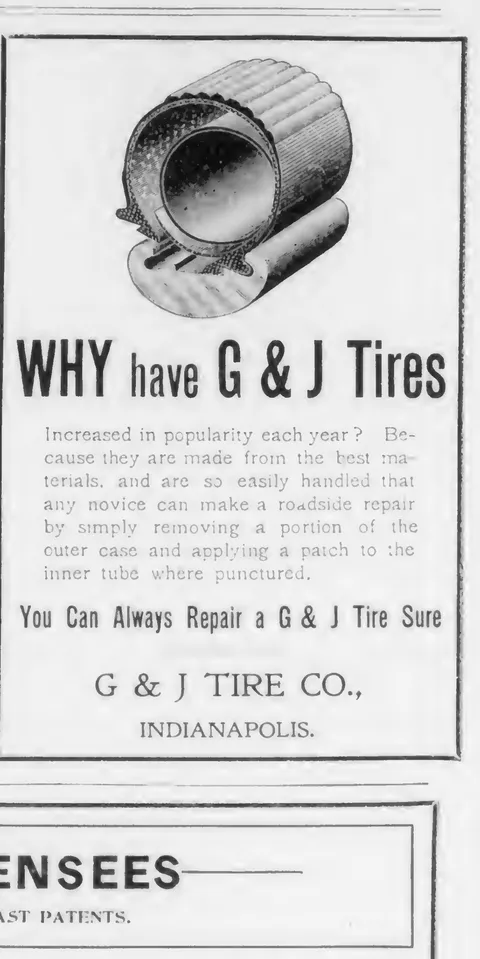 (opens in a new tab)
 Why Have G & J Tires 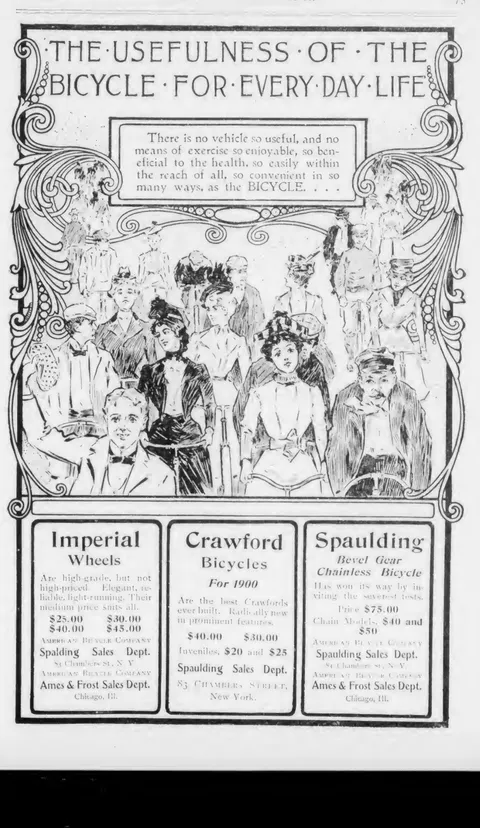 (opens in a new tab)
 The Usefulness of the Bicycle for Every Day Life 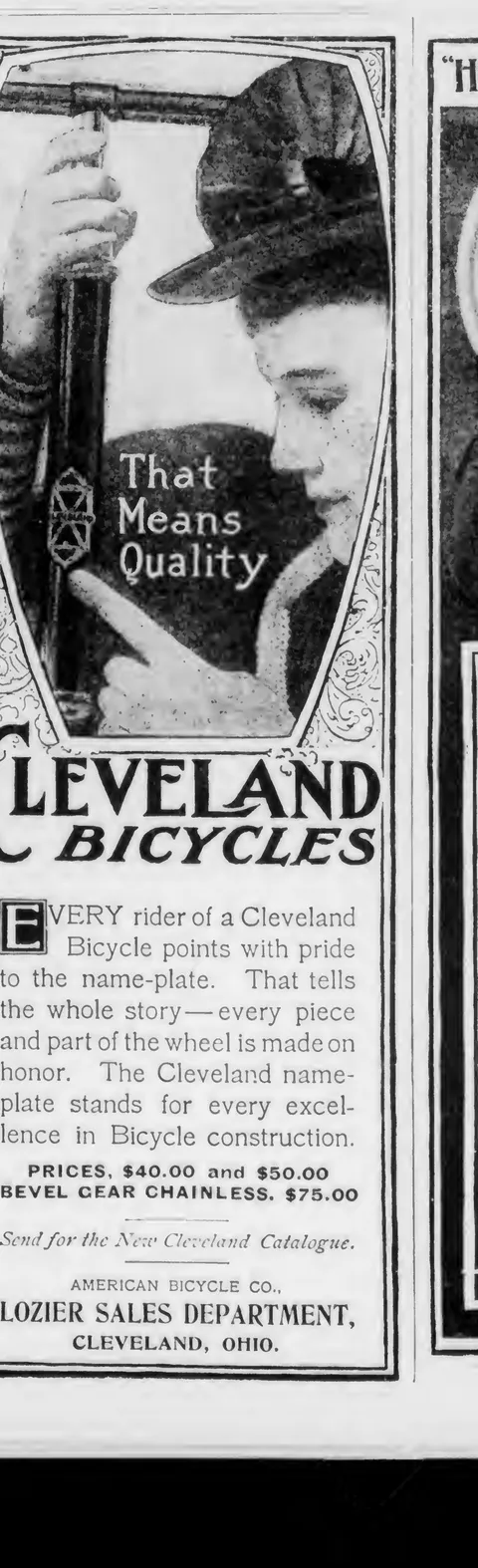 (opens in a new tab)
 Cleveland Bicycles, "That Means Quality" 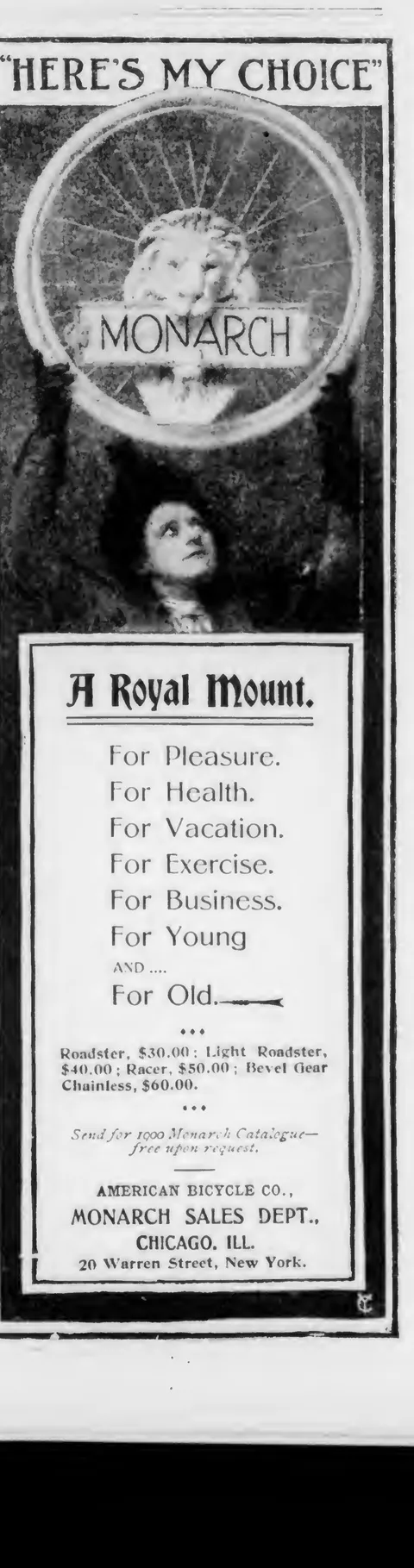 (opens in a new tab)
 "Here's My Choice", Monarch, "A Royal Mount" 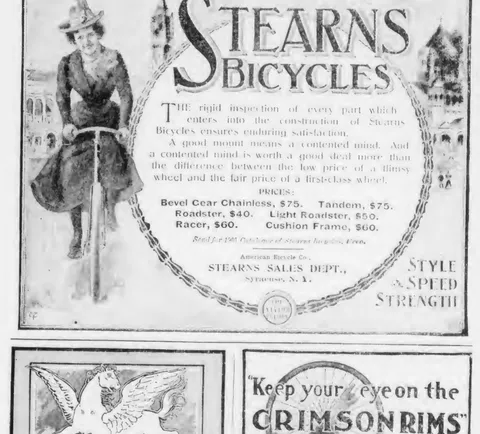 (opens in a new tab)
 Stearns Bicycles 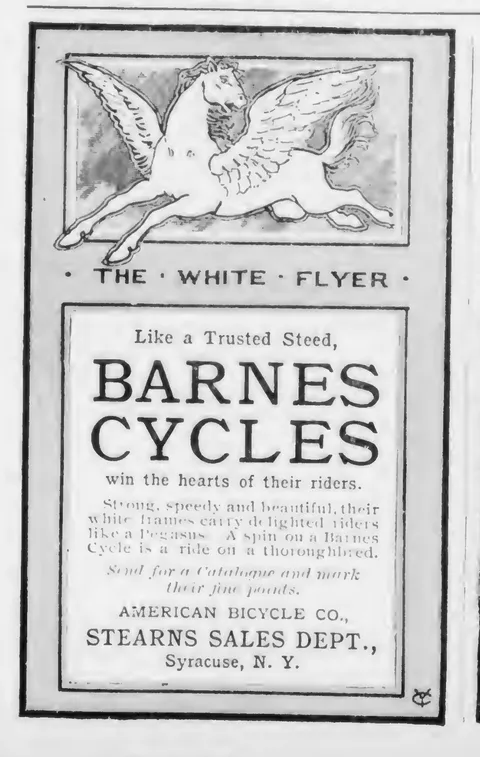 (opens in a new tab)
 "The White Flyer", Barnes Cycles 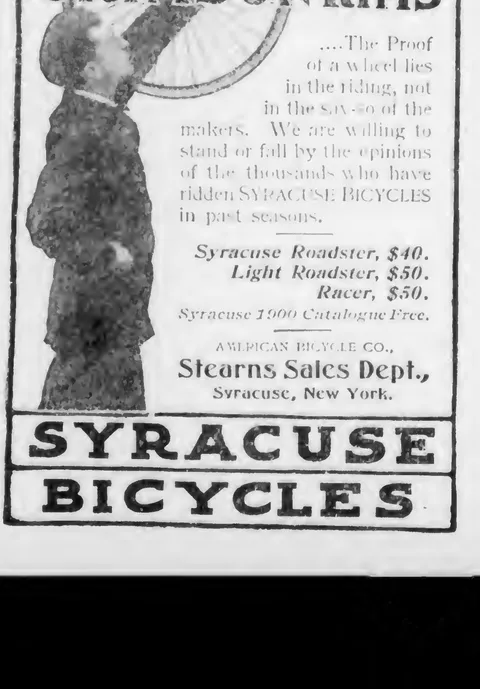 (opens in a new tab)
 "Keep Your Eye on the Crimson Rims", Syracuse Bicycles  (opens in a new tab)
 Find Your Level, Change Your Occupation  (opens in a new tab)
 Commercial Drawing Taught by Correspondence 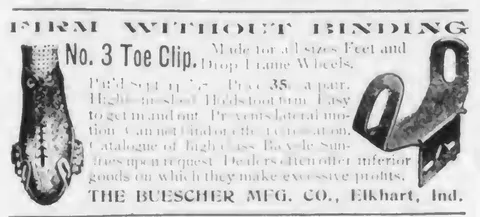 (opens in a new tab)
 Firm Without Binding, No. 3 Toe Clip  (opens in a new tab)
 Handy Luggage Carrier  (opens in a new tab)
 Every Genuine Krementz One-Piece Collar Button 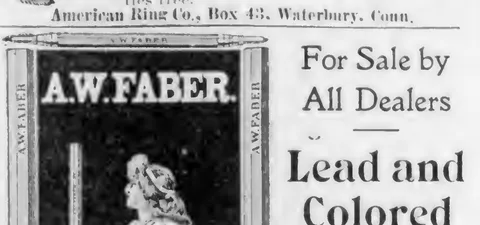 (opens in a new tab)
 Cuffs Held 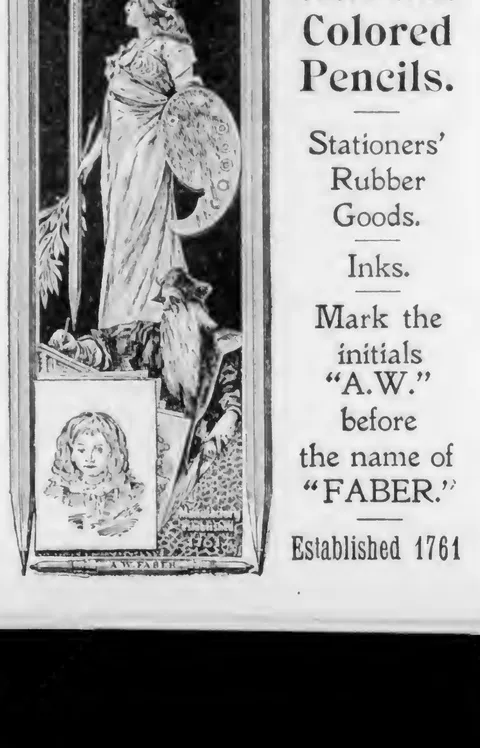 (opens in a new tab)
 A. W. Faber, Lead and Colored Pencils 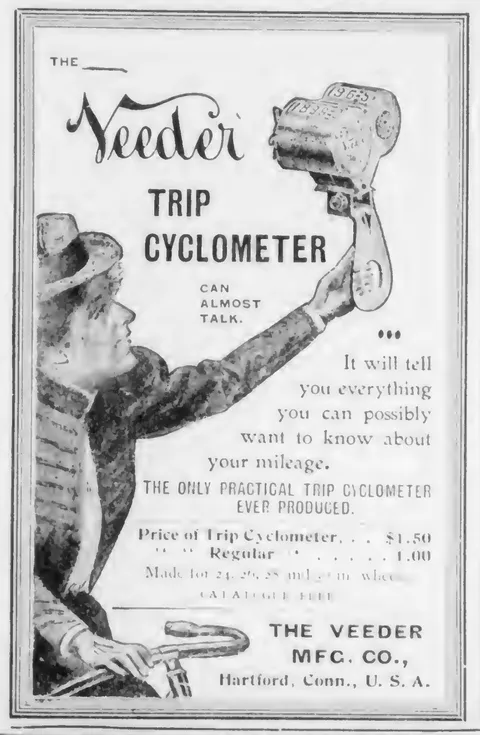 (opens in a new tab)
 The Veeder Trip Cyclometer 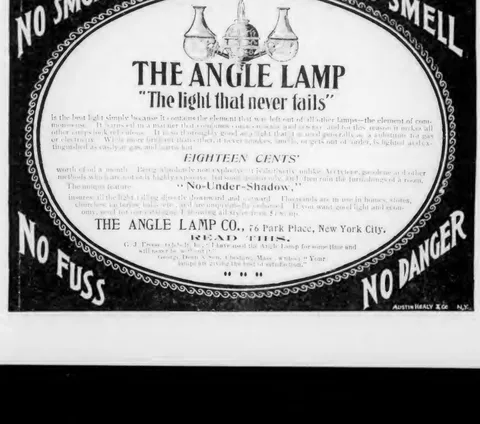 (opens in a new tab)
 The Angle Lamp, "No Smoke, No Smell, No Fuss, No Danger" 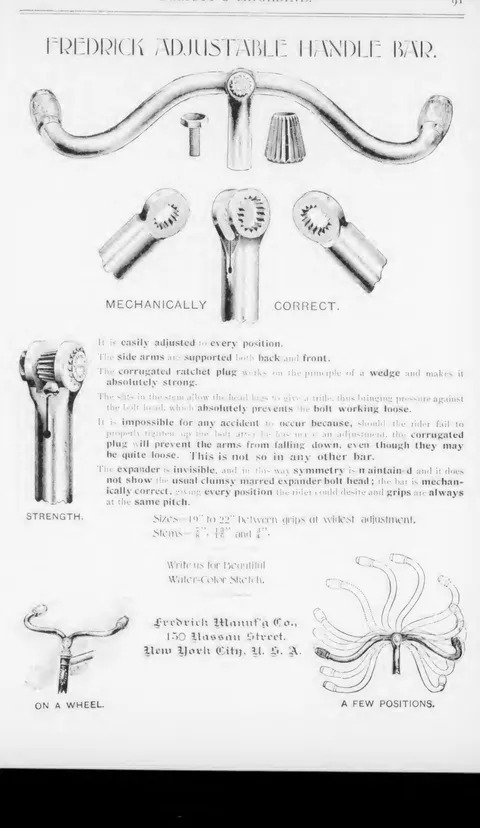 (opens in a new tab)
 Fredrick Adjustable Handle Bar 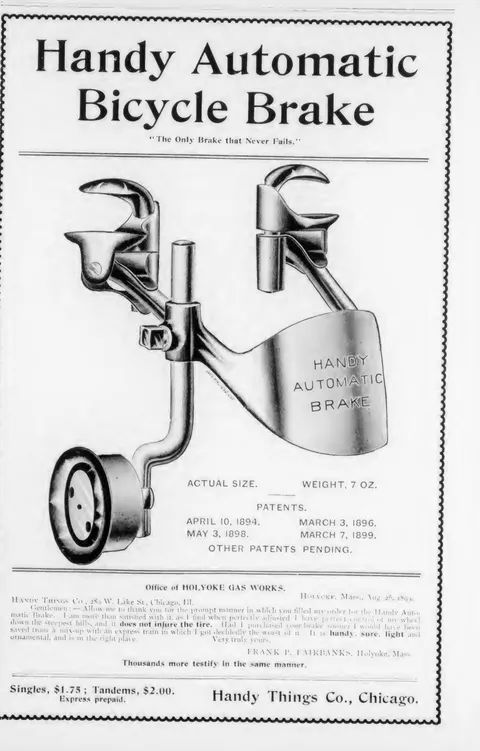 (opens in a new tab)
 Handy Automatic Bicycle Brake, "The Only Brake that Never Fails" 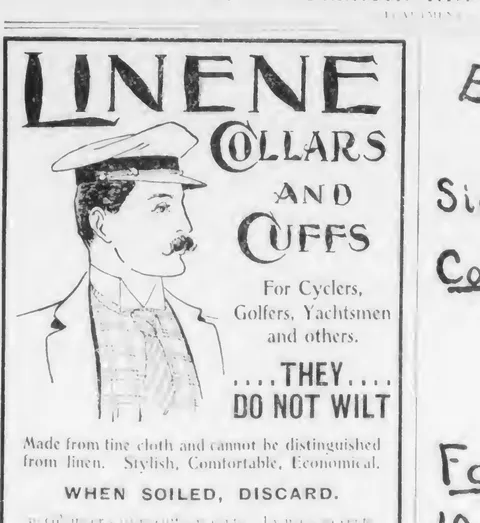 (opens in a new tab)
 Linene Collars and Cuffs  (opens in a new tab)
 D. & J. Hangers 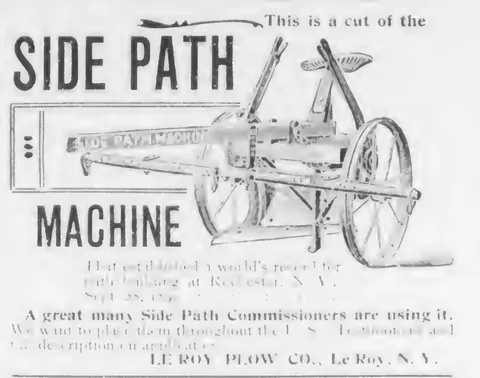 (opens in a new tab)
 Side Path Machine 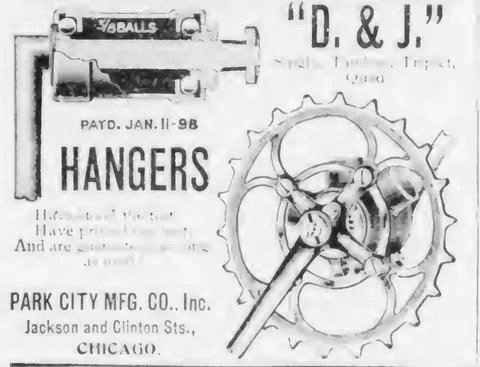 (opens in a new tab)
 Doctor Meyer's Bleachable Sack Suspensory 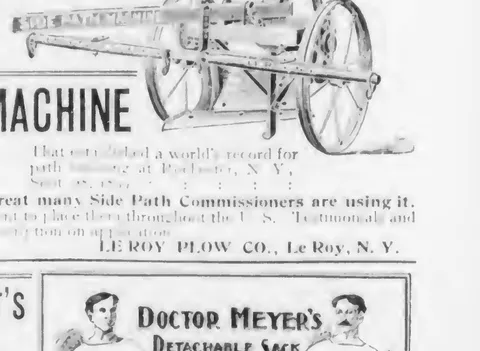 (opens in a new tab)
 Doctor Meyer's Detachable Sack Suspensory 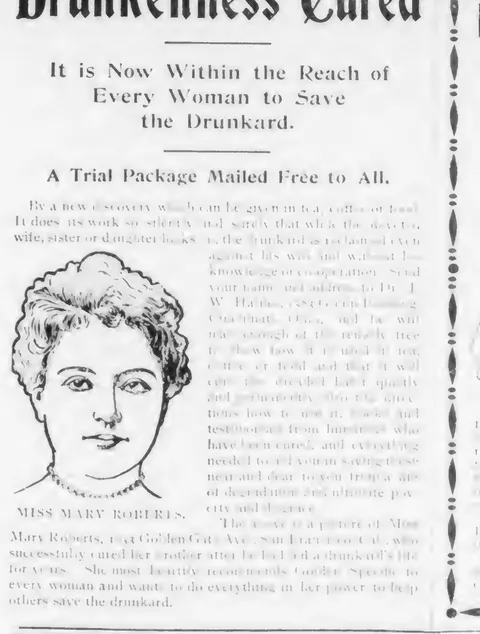 (opens in a new tab)
 Drunkenness Cured 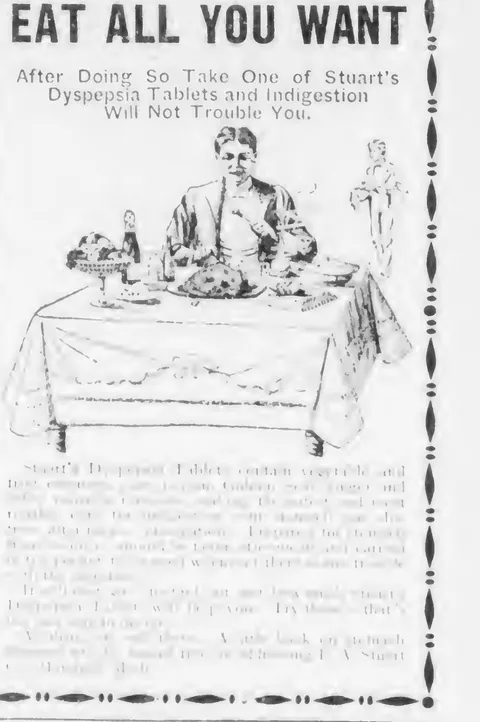 (opens in a new tab)
 Eat All You Want, Stuart's Dyspepsia Tablets 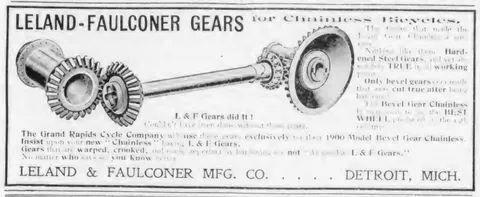 (opens in a new tab)
 Leland-Faulconer Gears for Chainless Bicycles 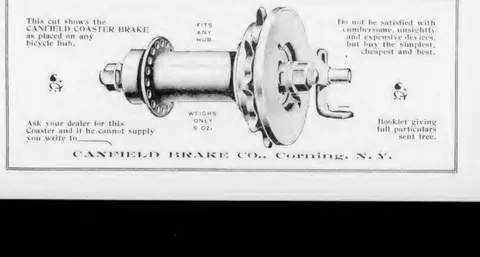 (opens in a new tab)
 Canfield Coaster Brake 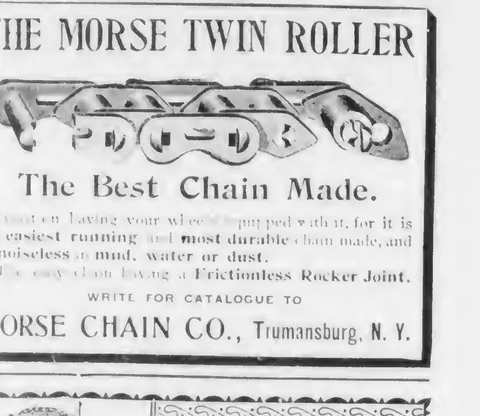 (opens in a new tab)
 The Morse Twin Roller, "The Best Chain Made"  (opens in a new tab)
 Jar Absorber  (opens in a new tab)
 Solar Cycle Lamps 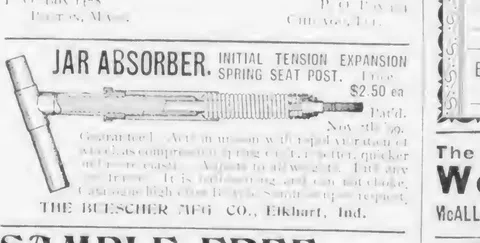 (opens in a new tab)
 Dixon's Graphite Oleo, Sample Free 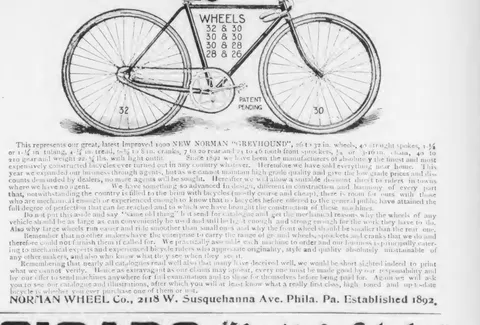 (opens in a new tab)
 Norman Wheel Co., New Norman "Greyhound" 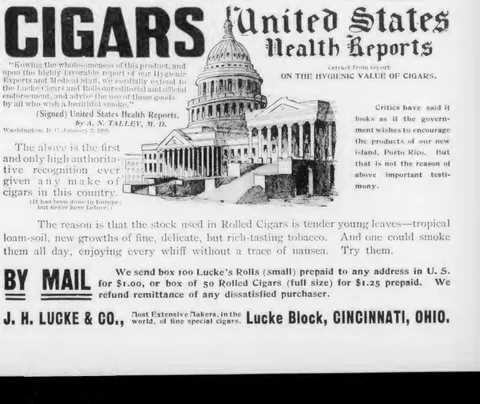 (opens in a new tab)
 Cigars, United States Health Reports