The Cycle Age and Trade Review, Vol 22, No 51
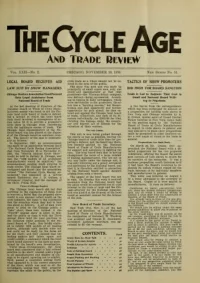
Articles in this issue
- The National Board of Trade of Cycle Manufacturers voted funds and legal counsel to help the Chicago local cycle board defend a $100,000 libel and conspiracy suit brought by the promoters of a 1897 fake cycle show, which the local board had publicly exposed and persuaded manufacturers and newspapers to shun.
- A series of letters between show promoter B. E. Greene and the National Board of Trade revealed that promoters had been offering the entire gate receipts and then 60 percent of net receipts to secure the Board's sanction, with the Board's secretary publicly clarifying that no negotiations were in progress.
- The Cycle Age argued that fraudulent or poorly organized cycle shows caused lasting harm to the trade by misleading consumers about manufacturers' actual 1898 model availability, associating leading brands with disreputable promoters, and undermining confidence in legitimate trade exhibitions.
- A survey of what British bicycle retailers sought from American manufacturers described demand for reliable delivery, better packaging suited to export transit, clearer instructions in English, and modest design adaptations to suit British road conditions and consumer tastes.
- A legal question arose whether bicycle dealers acting as agents for both a manufacturer and a jobber in the same territory required separate licenses under trade regulations, with the issue examining the legal and practical implications for the agency system.
- The issue reviewed the financial condition and organizational effectiveness of the National Board of Trade of Cycle Manufacturers, questioning whether its membership base and dues income were sufficient to sustain the legal, lobbying, and standards work the trade needed from a national organization.
- Guidance on proper packing and consular marking requirements for bicycle exports was provided, covering crating standards, documentation, and the specific marking conventions required by the principal importing countries to avoid delays and fines at customs.
- A technical analysis examined how tire width, inflation pressure, and wheel diameter affected the contact patch with the road surface, with implications for rolling resistance, traction, and the rider's perception of ride quality over different road surfaces.